Maldives travel guide: what to see, where to stay and how to plan your days
 By Nora Bennett
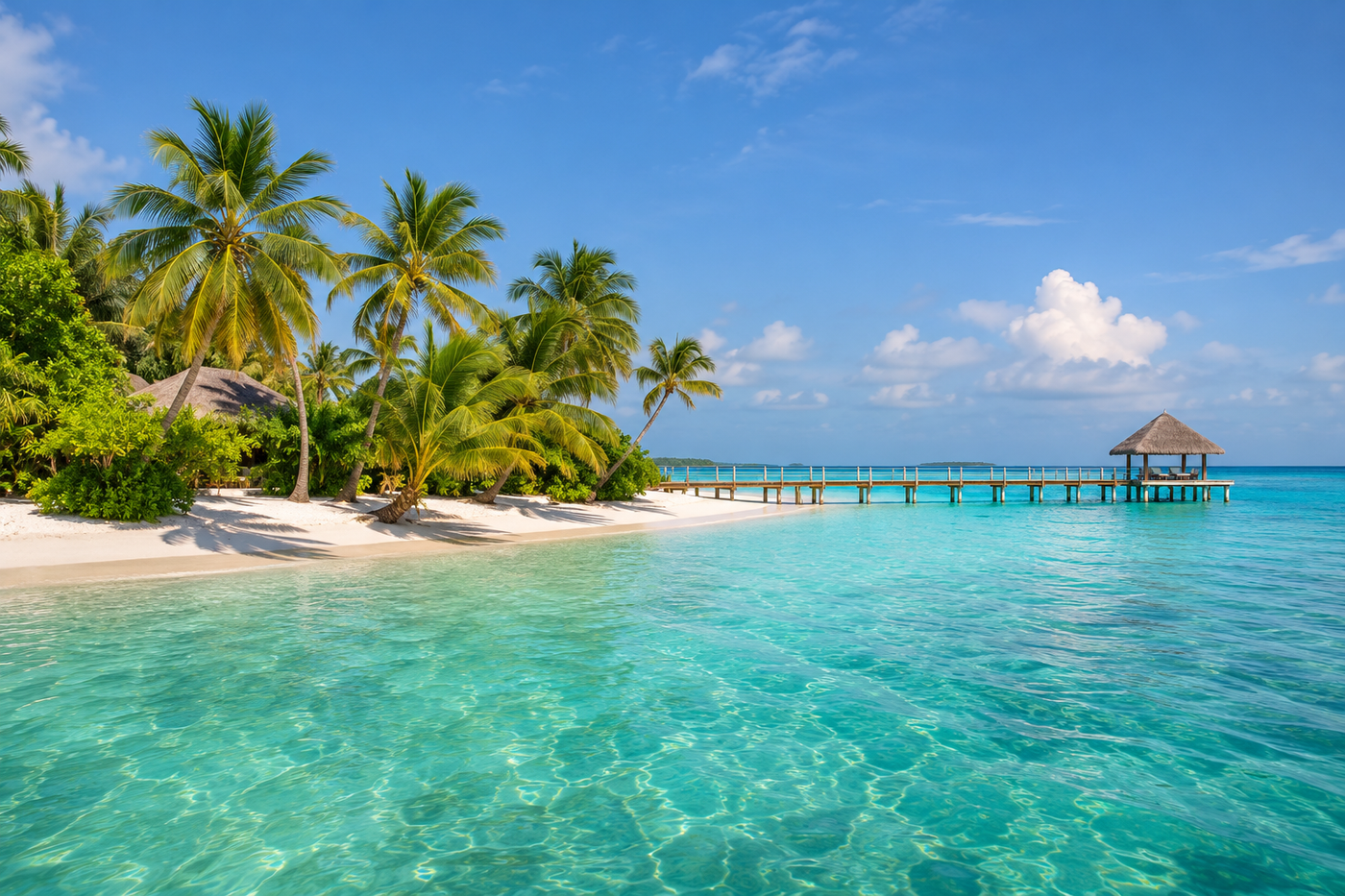
The Maldives is more than a postcard beach. Choose the right island base, understand transfers, and pace the water, food, and rest so your first visit feels easy rather than over-scheduled.
Start by choosing the kind of Maldives trip you want
The Maldives can be a quiet resort escape, an active diving holiday, a local-island beach trip, or a short stop built around rest. Those versions can look very different in price, logistics, and daily rhythm. Before comparing rooms, decide whether you want a private villa, easy access to a town, a house reef, family facilities, or the simplest possible transfer from the airport.
First-time visitors often try to see too many islands. That usually adds ferry or seaplane connections without adding much relaxation. Pick one main base for a short stay, then use the water, beach, reef, and dining options around it as the focus. The Maldives seasonal guide is useful when your dates are flexible and you are weighing weather against demand.

Your trip deserves fewer tabs.
Start planning your tripUnderstand the islands and atolls before booking
Male is the main arrival point, while the inhabited islands and resort islands are spread across different atolls. A resort may be close on a map but still require a scheduled boat or a seaplane. A local island can offer a more everyday view of the country, while a resort generally bundles more private facilities and organized activities.
Look beyond the island name. Check the transfer time, whether the property controls the transfer schedule, and how late arrivals are handled. A low room rate can lose its advantage if the connection is expensive or if you need an airport night. For a short first visit, simple logistics are often worth more than a larger room.
Choose the best area to stay for your priorities
Near-Male islands are practical for a short break because speedboat transfers are often easier to arrange. They can suit travelers who want to spend less time in transit and more time in the water. More distant atolls can feel quieter and may offer stronger reef or lagoon experiences, but they need more planning and can be less forgiving when flights change.
For a local-island stay, compare swimming areas, beach rules, restaurant choice, and excursion availability. For a resort, compare the house reef, lagoon shape, room location, and whether the beach is continuous or divided by jetties. The where-to-stay guide can help match an island style to couples, families, short visits, and different budgets.
Know what is actually worth seeing
The main sights in the Maldives are often natural rather than monumental. A shallow lagoon, a reef close to shore, a sandbank, a sunset cruise, and the changing light over the water can fill a day without a long sightseeing route. If you stay near Male, you can also consider a city visit or an excursion to see a different side of local life.
Do not treat every boat trip as interchangeable. Ask whether the excursion is focused on snorkeling, dolphins, fishing, a sandbank, or a combination, and how long you will spend traveling. A short, well-timed trip can be more enjoyable than a crowded all-day schedule. Leave at least one day with no excursion so the destination itself remains the point.
Plan water activities around energy and conditions
Snorkeling and diving are usually the experiences people remember most, but they are physical activities. Schedule the first water session after you have slept and settled in, not immediately after a long international journey. If you are diving, follow the operator’s safety guidance and allow the recommended time before flying.
Conditions can change with wind, current, visibility, and tide. A good operator should explain what is realistic for the day rather than promise one perfect encounter. Bring reef-safe sun protection where appropriate, a rash guard, a dry bag, and a way to protect your phone. The most comfortable plan leaves space to stop when the heat or sea becomes tiring.

Turn your travel ideas into a plan.
Start planning your tripMake food part of the trip, not an afterthought
Maldivian food is shaped by fish, coconut, rice, spices, and tropical produce. Look for dishes such as mas huni, garudhiya, tuna preparations, curries, flatbreads, and snacks made for sharing. Resort dining may include international menus, but asking for local dishes can make the stay feel more connected to the place.
Meal plans can be valuable when a resort is remote and alternatives are limited. They are less automatically useful on a local island with several cafés. Compare what the plan includes, whether drinks and specialty restaurants are excluded, and how much flexibility you want. Travelers with allergies should communicate clearly before arrival and again when ordering.
Build a realistic three-day itinerary
On day one, make arrival deliberately light. Complete the transfer, settle into the room, walk the beach, and have an early meal. If conditions are good, a short swim or sunset look is enough. The goal is to begin the trip without turning jet lag and luggage into a missed activity.
Use day two for the main experience, such as a snorkeling trip, dive, sandbank visit, or guided island excursion. Keep the afternoon open for rest and let dinner be the evening anchor. On day three, choose a slower combination of breakfast, a house-reef session, a spa or beach break, and one final meal. This structure gives you highlights without making every hour dependent on a boat timetable.
Keep transfers and arrival details visible
Transfer information deserves the same attention as the room description. Confirm whether the property meets every international arrival, how luggage is handled, what happens after a delay, and whether a domestic flight or seaplane has a weight limit. Save the hotel’s transfer instructions offline because airport connectivity may be busy or unreliable.
On the return journey, allow a generous buffer. Boat schedules, weather, and airport procedures can all take longer than expected. If your international flight is early, ask whether an airport hotel is safer than a very early island transfer. A calm final night is often worth more than squeezing in one additional beach afternoon.
Pack for salt, sun, and simple island days
Light clothing, swimwear, sandals, comfortable water shoes, sunglasses, and a sun hat cover most days. Add a light layer for boats, air-conditioned restaurants, and rainy spells. A small dry bag, reusable water bottle, basic medication, and a spare charging solution are practical when your room is not close to a shop.
Pack less than you think. The visual appeal of the Maldives comes from being outside, and formal clothing is rarely needed except for a particular dinner. Respect local-island customs, especially away from resort beaches, and check the property’s rules before packing beachwear for restaurants or public areas.
Budget for the costs that are easy to miss
Compare the complete trip cost rather than the nightly rate. Transfers, taxes, meal plans, activities, equipment rental, drinks, and airport nights can materially change the total. A local-island guesthouse and a resort may advertise very different inclusions, so make a simple list of what you expect to use each day.
It can be sensible to spend on the part of the trip that matters most to you. For one traveler that may be a house reef, for another it may be a larger room or a reliable speedboat. Save by choosing one excellent excursion instead of several average ones, and avoid paying for an all-inclusive plan if you expect to eat elsewhere.
Avoid the most common first-visit mistakes
Do not book a beautiful room without checking its transfer, beach access, and weather-season trade-offs. Do not fill every day with excursions, assume every island has the same swimming conditions, or ignore the difference between a lagoon view and direct water access. Reviews are most useful when they describe the exact room category and travel month.
Also resist comparing your trip to photographs made in unusual weather or from a different side of the island. The sea can be textured, the sky can change, and reefs are living environments rather than guaranteed attractions. Good planning protects your expectations while leaving room for the destination to surprise you.
Choose a base, then leave room for the island to set the pace
A strong Maldives plan is simple: choose the right type of island, confirm the transfer, book a stay that matches your priorities, and protect time for water, food, and rest. A three-day visit can be satisfying when the itinerary has one clear highlight each day and no unnecessary island-hopping.
Once you arrive, let the weather and energy level guide the details. The beach may be best at a different hour than expected, a local meal may become the evening’s highlight, and an unplanned quiet morning may be exactly what the trip needed. The Maldives works best when the plan creates ease rather than trying to control every view.