Best time to visit Maldives: weather, crowds and seasonal travel tips
 By Maya Rivers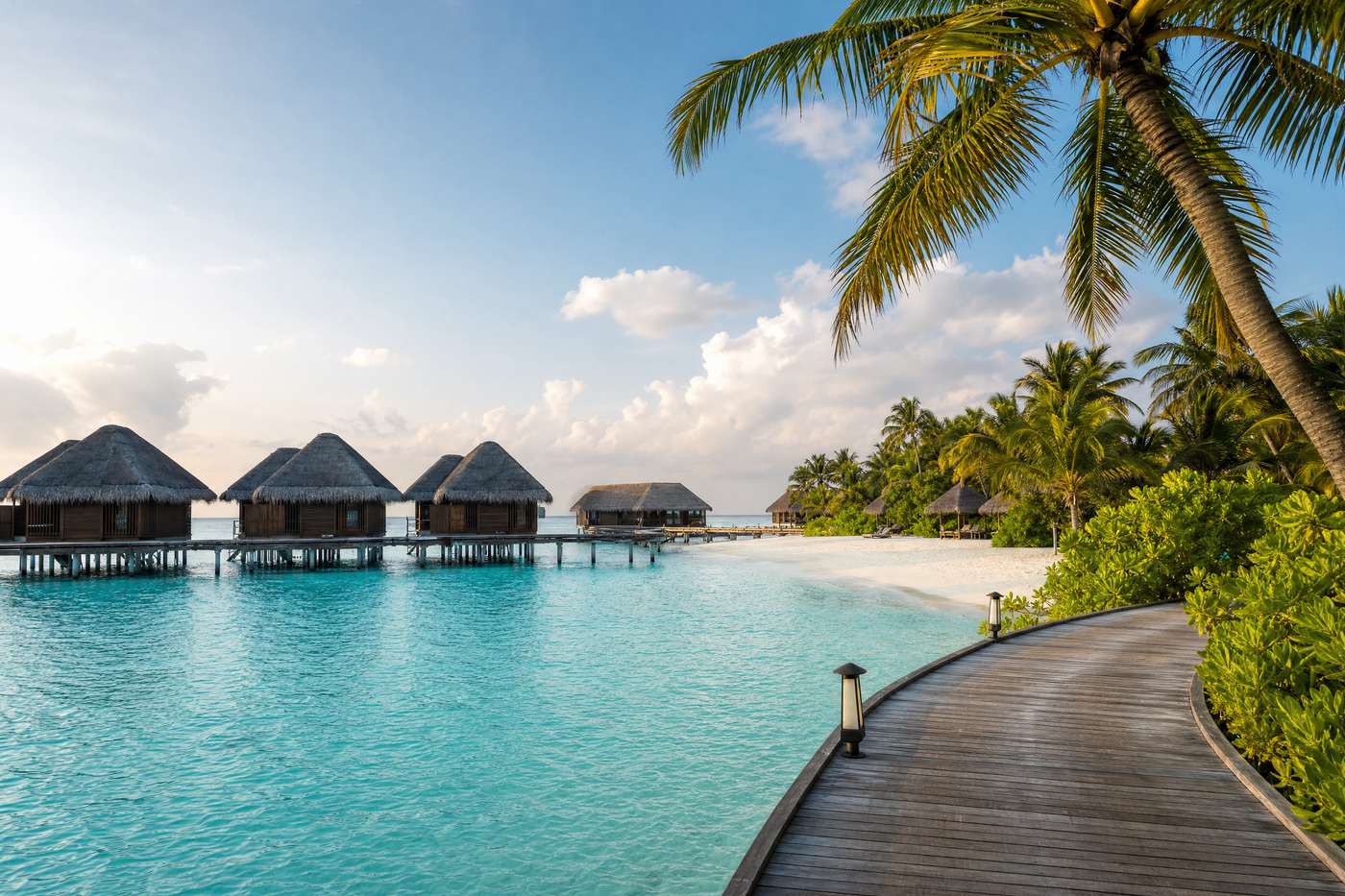
Planning a trip to the Maldives? Knowing the best time to go can make all the difference. This comprehensive guide explores the weather, crowds, hotel prices, and what to expect each month to help you chart your ideal island escape.
Understanding Maldives’ tropical climate
The Maldives is renowned for its dreamy beaches, turquoise lagoons, and luxurious overwater villas. All of this is underpinned by a classic tropical climate, which brings warm temperatures year-round, but with two distinct seasons driven by the monsoon winds: the dry northeast monsoon (locally called 'Iruvai') and the wet southwest monsoon ('Hulhangu').
While you can expect sunshine and balmy temperatures in every season, rainfall, humidity, and sea conditions vary month by month. This means your holiday experience can change considerably depending on when you visit, whether you prioritize sunny days, good deals, or tranquil beaches.

Your trip deserves fewer tabs.
Start planning your tripDry season (December–April): Blue skies & high demand
The prime time for visitors to the Maldives is the dry season, from late November through April. Driven by the northeast monsoon, these months deliver the most reliable sunshine, low humidity, and calm seas, making it perfect for swimming, snorkeling, and diving. Days are warm (around 28°C to 32°C or 82–90°F), with minimal rainfall.
This period is peak tourist season, especially from late December through February. Expect increased demand for resort rooms; prices soar, and popular islands can feel busy. Major events like Christmas and New Year’s Eve are particularly crowded, often requiring bookings many months in advance. Still, the unmatched weather and turquoise vistas make these months the most popular choice for holidaymakers and honeymooners alike.
Wet season (May–November): Lush, lively, and less crowded
May through November marks the southwest monsoon season in the Maldives, bringing occasional tropical showers, swells, and pronounced humidity. While it’s called the ‘wet season,’ rain showers are usually intense but short-lived, often clearing up quickly to reveal sunny skies. Temperatures remain warm, rarely dropping below 27°C (80°F), and the landscape becomes even more lush and vibrant.
The wet season sees fewer tourists, leading to a much quieter atmosphere across the islands. Resorts and guesthouses drop prices, and there's more room for spontaneous travel. With waves and winds picking up, it’s also the best time for experienced surfers. Underwater visibility may reduce in some places—but marine life, including manta rays and whale sharks, can be more active. In short, wet does not mean washed out, but it pays to plan for daily downpours.
Monthly overview: What to expect each month
- December–April: Expect dry skies, sparkling seas, and lively resorts. Book well ahead for Christmas, New Year, and Easter holidays.
- May–July: Rain can be frequent and sea conditions choppy, but you’ll find fewer crowds and value pricing.
- August: Rain remains possible, but this is a favorite for surfers and divers. School holidays bring moderate crowd bumps.
- September–November: Showers gradually taper, wildlife sightings peak, and resorts stay attractively priced. Late November can already feel summery.
This breakdown helps you pinpoint your ideal time depending on your priorities—weather, costs, privacy, or activity-focused escapes.
Crowd levels and popular travel windows
The popularity of the Maldives as a winter sun escape means the dry season brings the highest visitor numbers. December to March is especially in demand, with European and Asian holidaymakers flocking for warmth during their respective winter breaks. During these months, beaches, excursions, and iconic resorts often reach capacity; privacy and solitude may be harder to find except on more remote islands.
In contrast, the wet season from May to November sees a sharp drop in tourist arrivals, especially in June and September. Those seeking more tranquility will appreciate the emptier beaches and less busy snorkeling sites. Activity operators and local guides are more available, and you might get a more authentic, relaxed vibe as staff have more time to engage. If you value peace over absolute sunshine, the shoulder months (April-May and October-November) strike the best balance.

Turn your travel ideas into a plan.
Start planning your tripPrice seasonality: When to find the best deals
Resort and guesthouse room rates are closely tied to season and demand. Peak pricing extends from mid-December through late April, with surges around Christmas, New Year, and Easter. During these windows, even midrange resorts charge premium rates, and villas with plunge pools or special amenities can command sky-high prices. Minimum stays may also be required for festive periods.
The rest of the year—especially June through September—offers notable savings, sometimes up to 40% less than high season. Many resorts roll out upgrade deals or added inclusions, making luxury more accessible. Flights also follow this rhythm, so flying mid- or low-season is the key to securing the best value.
Booking tip: Even in shoulder months, early reservations secure preferable villa locations and flight times. But budget travelers open to last-minute deals may score big if they wait until spring or autumn.
Month-by-month breakdown: Weather and travel tips
- January–March: Virtually perfect: cloudless days, little rain, clear seas. Book water sports and dives in advance.
- April: Still mostly dry, shoulder crowds, and slightly lower prices. A superb balance for flexible travelers.
- May–June: Showers become more common, but lush vegetation and emptier beaches await. Great deals abound, and surfing starts to pick up.
- July–August: Expect unpredictable rainfall. Mega marine migrations peak—this is ideal for wildlife enthusiasts. Families arrive for summer holidays, so expect a mid-season bump in demand for large villas.
- September–November: Rain showers taper, underwater life is stunning, and it’s prime for affordable escapes ahead of the winter rush.
- December: Early in the month feels like late November; from mid-December, prepare for crowds and high rates.
Adjust your plan if you have must-do activities; for example, divers should note visibility can change inland between atolls.
Packing tips: What to bring for every season
Packing for the Maldives is generally stress-free, but a few essentials make a big difference given the shifting climate. Lightweight clothing, reef-safe sunscreen, and swimwear are year-round musts. Bring a light rain jacket, water-resistant shoes or sandals, and a packable day bag during the wet season. Those eagerly planning water activities should ensure proper UV protection and consider rash guards both for sun and sea stingers.
Dress codes at luxury resorts typically cover only public restaurants or bars—elsewhere, casual is king. If you plan time in Malé or on local islands, pack modest attire to respect local customs. All year, bring insect repellent for sunset hours, and a wide-brim hat to shield from the strong sun.
The best time for diving, snorkeling, and water sports
Maldives’ underwater world is spectacular in any month, but conditions for diving and snorkeling vary. The dry season—especially January through April—promises the clearest waters, which is why these months are favored by divers seeking top-notch visibility and vivid reefs. Most atolls offer calm conditions, and marine life flourishes near easily accessed sites.
The wet season, from May to November, isn’t off-limits—it brings plankton blooms that attract majestic manta rays and whale sharks, particularly to spots like Hanifaru Bay. Surfers prefer the southern atolls in the mid-year months for their consistent swells. For travelers focused on water adventures, pinpoint your interests and cross-reference with local migration charts to maximize encounters.
Major holidays, festivals, and local events
Maldivian holidays and national festivals can subtly influence your trip. The country’s Muslim calendar means Ramadan and Eid festivities occur on shifting dates. During Ramadan, some local island services close or run reduced hours, although resorts cater to international guests as usual.
December and January bring regional celebrations and extra activities at resorts, especially for families. Look out for Maldivian National Day and Independence Day in July for vibrant parades and cultural displays—most evident in Malé and major inhabited islands. If you want to immerse further, ask your hotel about local events happening during your stay.
Choosing your perfect month: Decision points
With sunshine and warmth all year, your ideal Maldives travel window comes down to personal priorities. Is guaranteed sunshine, postcard-perfect days, and unlimited pool time non-negotiable? Then December through April suits you best, if you can stomach the price tag. Are you after peaceful shores, flexible deals, and don’t mind a downpour or two? The low season, especially June or September, may be your calling.
If you wish to witness specific marine spectacles, or want good value without compromising on beauty, target the shoulder months. They offer good weather, affordable rates, and manageable crowds—often with bonus experiences, like festivals or unique underwater encounters, thrown in.
Final tips for planning your Maldivian escape
No matter when you visit the Maldives, a little advance planning goes a long way. Book flights and resorts early for peak season, consider travel insurance for year-round weather surprises, and check if your chosen atoll is affected more by seasonal changes. Remember to factor in transportation—some remote islands can be harder to access during the wet season.
Keep a flexible mindset, and you’ll be rewarded with a memorable island retreat tailored to your wishes—whether you chase the sun, vibrant reefs, or simply crave that serene overwater bungalow view.