Best time to visit Jamaica: weather, crowds and seasonal travel tips
 By Maya Rivers
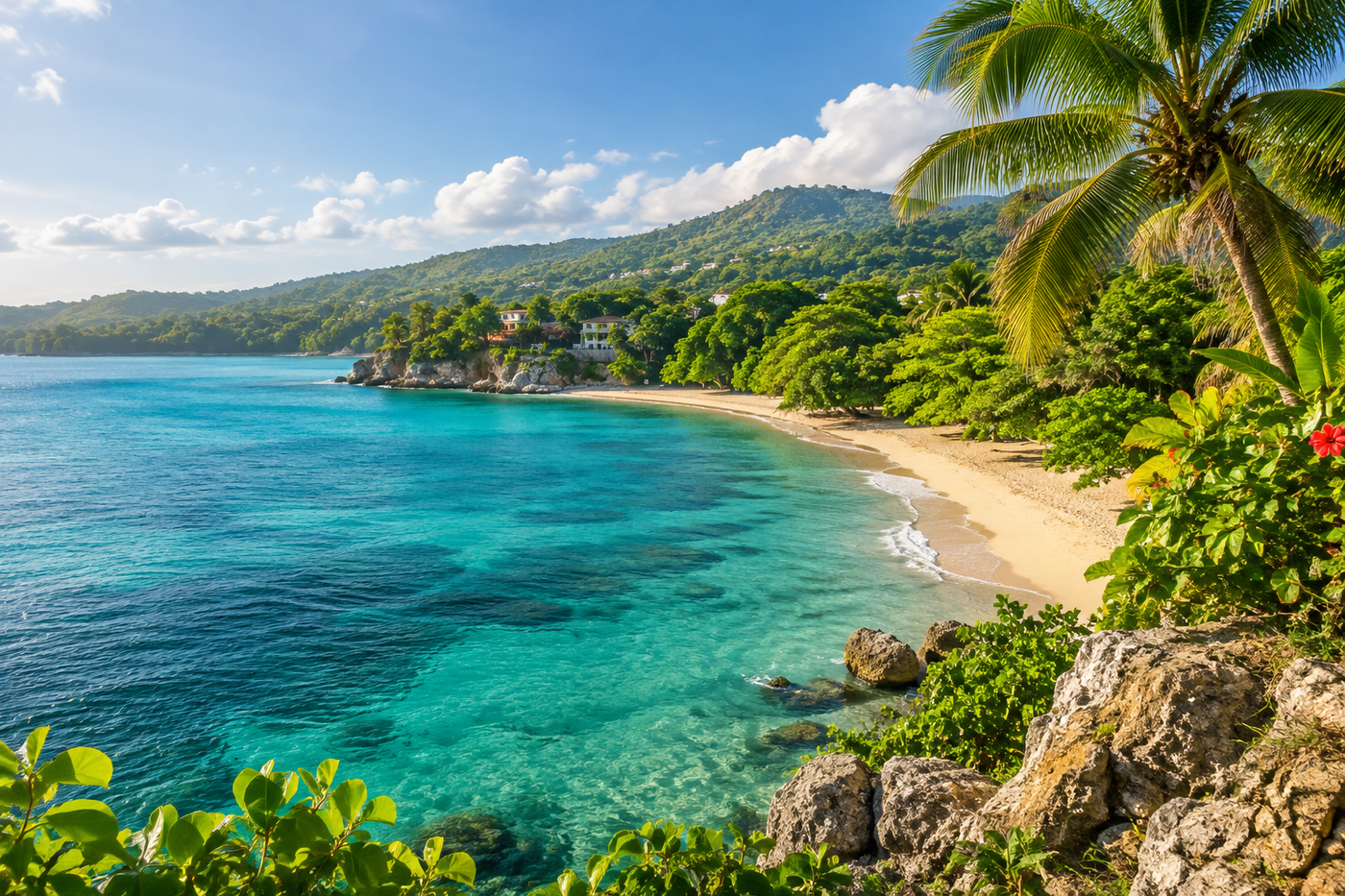
Jamaica is warm year-round, but the best dates depend on rain, hurricane-season planning, prices and the kind of island days you want. Use this seasonal guide to choose with fewer surprises.
Choose Jamaica dates by the trip you want
Jamaica works as a beach holiday, a food and music trip, an active journey through mountains and waterfalls, or a mixture of all three. Weather matters, but so do school holidays, accommodation prices, driving plans and how much flexibility you have if a shower changes the day.
The island is warm throughout the year, with regional differences between the north, south and mountainous interior. A forecast for Montego Bay does not describe every day in Kingston or the Blue Mountains. Start with your route and priorities, then use the seasonal guide to set expectations. This Jamaica travel guide is a useful companion for combining areas without making the itinerary too ambitious.

Your trip deserves fewer tabs.
Start planning your tripWhat Jamaica weather is usually like
Jamaica has a tropical climate, with warm temperatures, high humidity and rainfall that can vary by coast and elevation. Showers are often brief, but a wet spell can still affect a boat trip, a mountain drive or a waterfall visit. The north coast is greener and can feel wetter, while parts of the south coast are comparatively drier. Inland areas are cooler, especially after sunset.
Do not plan around a promise of rain-free skies. Instead, put weather-sensitive activities early in the day, keep a flexible afternoon option, and ask local operators how conditions are affecting roads and water. A light waterproof layer, sun protection and breathable clothing are useful in every season. If you are traveling between regions, remember that driving time and weather can be more important than the distance on a map.
January and February: popular dry-season travel
January and February are popular because they usually offer warm days, lower humidity than the wettest periods and good conditions for a classic beach itinerary. That popularity brings higher demand around resorts, flights and well-known excursions. Early mornings are often the most comfortable time for a walk, a boat departure or a longer road transfer.
These months suit first-time visitors who want a dependable mix of sea time and sightseeing. Book accommodation and fixed activities early, particularly around holiday dates. If your budget is limited, compare nearby towns rather than focusing only on the largest resort centers. Leave space for a slower day because even good weather does not make a long drive, a boat trip and a late dinner equally enjoyable on the same day.
March and April: warm, busy and easy to plan
March often continues the popular dry-season pattern, with warm weather and strong demand from travelers seeking sun. April can remain attractive, but Easter and school holidays may increase prices and local crowd levels. Beaches and major attractions can feel much busier on holiday weekends than they do during an ordinary weekday.
For a smoother visit, reserve the parts of the trip that have limited capacity, then keep ordinary beach time and food stops flexible. Check cancellation conditions before paying for tours, and allow extra time for roads when moving between the coast and the interior. Pack light clothing, a hat, sunscreen and a small rain layer. A plan that starts early and pauses during the hottest part of the day usually feels better than trying to maximize every daylight hour.
May and June: shoulder season with useful value
May and June can offer a good shoulder-season balance. Temperatures remain warm, green landscapes are especially vivid, and demand may ease outside holiday periods. Rain becomes a more important planning factor, but showers do not necessarily dominate the day. The practical advantage is having more room to adjust when a forecast changes.
These months suit travelers who want a varied route and can tolerate some flexibility. Put waterfalls, hikes and boat trips on the earliest suitable days, with museums, markets or a relaxed resort afternoon available as alternatives. Prices can be more approachable than in the winter peak, although the best value depends on the property and exact dates. Ask about weather-related policies for excursions before booking, especially when a trip depends on sea conditions.

Turn your travel ideas into a plan.
Start planning your tripJuly and August: summer heat and holiday energy
July and August bring hot, humid conditions and high demand from summer travelers. Rain can arrive as a short shower or as a heavier period, so an all-day outdoor schedule is risky. The sea, pools and shaded verandas are appealing, but heat and humidity make hydration and breaks essential. Popular beaches and family-oriented attractions can be busiest during school holidays.
Start active plans early, avoid stacking a long drive after a demanding excursion, and keep a dry change of clothes in the day bag. Air conditioning and shade become meaningful when comparing accommodation. If you want lower prices, look at dates just outside the main holiday rush and compare a flexible package with booking individual elements. Reserve airport transfers and essential tours in advance, then leave unstructured time for weather and rest.
September and October: quieter dates with more weather risk
September and October are often among the quieter periods for tourism, which can mean better availability and a more relaxed atmosphere. They also fall within the Atlantic hurricane season, and tropical systems can affect plans even when Jamaica itself is not directly hit. Rainfall patterns vary, and a forecast can change quickly, so these months reward travelers who can move dates or keep their route simple.
If you travel during this period, monitor official weather information before and during the trip, choose accommodation with clear cancellation and communication policies, and avoid non-refundable connections that leave no margin. Keep a local alternative for every major outdoor plan. The benefit of quieter beaches and potentially lower prices is real, but it should be weighed against the need for insurance, contingency time and a willingness to change course.
November: a promising transition month
November can be an appealing transition between the wetter autumn period and the busier winter season. Conditions are not identical across the island, but travelers may find warm days, improving outdoor opportunities and less demand than in December or early spring. Rain remains possible, especially in greener or higher areas.
This is a good month for a mixed itinerary if you book with flexibility. Start with the coast, add an inland stay only if the road and weather outlook suit it, and keep at least one unplanned day. Accommodation can offer better value before the holiday rush, although a popular property may still fill on weekends. Pack for heat and rain, and confirm which restaurants, boats and attractions operate on your chosen dates.
December: festive atmosphere and peak demand
December is one of Jamaica’s most sought-after periods. Warm weather, festive events and holiday travel create a lively atmosphere, but prices and occupancy can rise sharply around Christmas and New Year. Resort areas may feel full, while roads and airports can take longer than expected on peak travel days.
Book well ahead if you need specific dates, room types or transfers. Confirm whether holiday meals and events are included, and read the cancellation terms carefully. Plan a gentle first day after arrival rather than adding a long cross-island drive immediately. The month works beautifully for travelers who value atmosphere and can accept the premium, but it is less suitable for a spontaneous low-budget trip with no fixed bookings.
How crowds and prices change through the year
Demand is generally strongest during winter escapes, Easter and the main summer holidays, with another peak around Christmas and New Year. Shoulder-season dates can offer more choice and lower rates, but the value depends on weather exposure and how much flexibility you have. A lower room price is not a saving if a non-refundable tour is canceled and your entire route depends on it.
Compare the total trip rather than the nightly rate. Include transfers, meals, resort fees, activity costs and the time needed to move between areas. Staying near the experience you care about can be worth more than a cheaper room far away. Travelers looking to control costs can use this Jamaica budget guide to decide where a splurge genuinely improves the trip.
Match the season to different parts of the island
Montego Bay and the north coast are convenient for beach resorts, airport access and organized excursions. Negril is known for a slower west-coast rhythm and sunsets, while the south coast can feel less resort-heavy and works well for travelers interested in local food and a different pace. Kingston offers culture, music and city life, and the Blue Mountains bring cooler, wetter conditions and a more active landscape.
Do not change bases too often simply to collect regions. Two well-chosen areas can create a richer trip than four rushed stops. Consider the season when deciding where to spend outdoor days, and check transfer times in daylight. Mountain roads and heavy rain deserve more caution than a straight-line map suggests. Build the route around meaningful experiences, then use the weather forecast to decide their order.
What to pack for Jamaica
Bring lightweight, breathable clothing, swimwear, sun protection, insect repellent and a reusable water bottle. Add a light waterproof layer and quick-drying shoes for showers, boat spray and waterfall visits. A modest outfit is useful for churches, community visits and restaurants with a dress expectation. For the Blue Mountains or other higher areas, pack one warmer layer because evenings can feel noticeably cooler.
Use a small dry bag or waterproof pouch for your phone and documents on water-based activities. Carry copies of important reservations offline, but avoid carrying every valuable item on day trips. Comfortable footwear matters more than a large wardrobe, particularly if your plan includes uneven paths or a mixture of town and nature. Reapply sunscreen, drink water regularly and treat a short rest as part of the itinerary.
So when should you visit Jamaica?
Choose January through March for popular dry-season conditions and a straightforward first trip, accepting higher demand. Choose May, June or November for a useful balance of warmth, greenery, availability and value, with a more flexible approach to showers. Choose September or October only if you are comfortable monitoring tropical weather and changing plans when needed. Choose December for festive energy and can plan well ahead.
There is no season that removes every tradeoff. The best dates are the ones that match your tolerance for crowds, rain, cost and change. Keep the first and last travel days light, place weather-sensitive experiences early, and leave room for the island to set the pace. Jamaica is easier to enjoy when a shower becomes a pause rather than a crisis.