Jamaica travel guide: what to see, where to stay and how to plan your days
 By Leo Morgan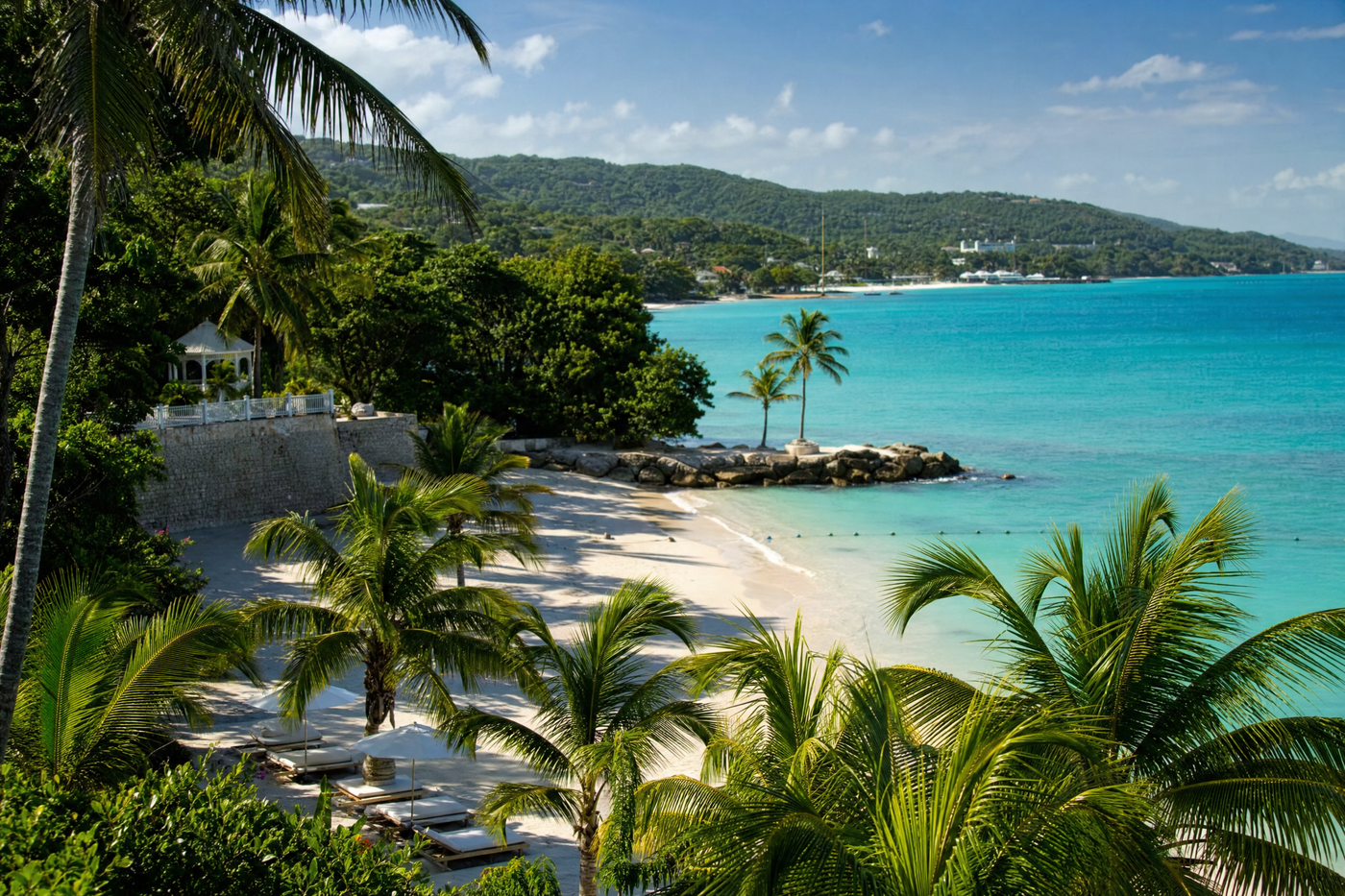
Jamaica is a vibrant Caribbean island alive with reggae rhythms, turquoise waters and lush mountains. This practical guide covers where to stay, top attractions, essential travel tips, and an adaptable three-day itinerary for an easy-going, memorable visit.
Introducing Jamaica: easygoing charm and colorful culture
Jamaica offers more than sun-baked beaches. From misty Blue Mountain peaks to the vibrant pulse of Kingston’s reggae streets, this island’s energy is both inviting and intoxicating. Each region has its own character, traditions and scenery. Whether you crave adventure, crave culinary discoveries or just want to relax with toes in the sand, Jamaica has a place for you.
First-timers will find Jamaica easy to enjoy with a little planning. People are friendly, English is spoken island-wide, and tourist infrastructure is well-developed. Use this guide to plan a trip that fits your pace, interests and budget—while discovering the authentic rhythms of island life.

Your trip deserves fewer tabs.
Start planning your tripDeciding where to stay: the island’s top regions and neighborhoods
Your base in Jamaica will influence your experience. Here are the primary areas to consider:
- Montego Bay: The north coast’s lively arrival point offers all-inclusive resorts, public beaches and nightlife. Ideal if you want convenience and a resort vibe.
- Negril: Home to the famous Seven Mile Beach, Negril is more laid-back. Small hotels, beach bars, and dramatic sunsets attract couples, solo travelers and families alike.
- Ocho Rios: This compact bayside town is popular for adventure—think waterfalls, ziplining, and gardens. Many cruise ships dock here, so expect bustling spots during peak hours.
- Kingston: The island’s bustling capital is for culture lovers—reggae museums, art galleries, cafés and street food abound. Ideal for urban explorers.
- Port Antonio: On the far northeast coast, this is a quiet haven with rivers, waterfalls and boutique hotels. Perfect for nature lovers or honeymooners seeking tranquility.
- South Coast: Villages like Treasure Beach offer community tourism, eco-lodges and soulful escape from crowds.
For a classic first trip, Montego Bay is the most accessible; Negril and Ocho Rios are excellent if you want to split your time between adventure and relaxation. Try to avoid moving bases more than once, as roads can be slow and distances deceptive.
Top sights and can’t-miss experiences
Jamaica’s must-see attractions showcase the island’s natural beauty and rhythm. Prioritize these highlights:
- Dunn’s River Falls (Ocho Rios): Trek up refreshing terraces of waterfalls, an iconic Jamaican adventure. Arrive early to beat the cruise ship crowds.
- Blue Mountains (near Kingston): Hike forested trails or tour a coffee plantation for sweeping views and cool air.
- Seven Mile Beach (Negril): Miles of soft sand and gentle surf—rent a chair, sip a rum punch and enjoy sunset at Rick’s Café.
- Rose Hall Great House (Montego Bay): Explore haunted history and panoramic sea views at this restored 18th-century plantation.
- Bob Marley Museum (Kingston): Essential for music lovers, located in the icon’s former home and studio.
- Blue Lagoon & Rio Grande Rafting (Port Antonio): Swim in vivid blue water or float downriver on a bamboo raft.
- Pellew Island (Monkey Island, Port Antonio): Snorkel or kayak to this tiny, lush islet for a Robinson Crusoe feel.
- Pelican Bar (Parrotee Bay): Grab a boat to this rustic bar perched atop a Caribbean sandbar.
There are dozens of smaller treasures—botanical gardens, jerk shacks, caves and historic towns. Consider linking guided day trips to maximize variety.
Understanding local food and culinary traditions
Jamaican cuisine is flavor-packed and shaped by African, Indian and European influences. You’ll find everything from street stalls to upscale waterfront dining. Here’s what to look for:
- Jerk: The iconic spicy grilled style—try jerk chicken or pork at Scotchies (multiple locations) or roadside stands.
- Patties: Golden, flaky pastries with beef, chicken or veggie fillings. Fill up at Tastee or Juici outlets.
- Seafood: Grilled snapper, fried fish and curried lobster are abundant, especially in Negril and Port Antonio.
- Ital: Vegan cuisine rooted in Rastafarian traditions, emphasizing natural, plant-based dishes.
- Traditional breakfasts: Ackee and saltfish (the national dish) is worth tasting—find it at local hotels or diners.
- Breadfruit, festival and bammy: Classic island-sides, often served with fish or jerk meat.
- Fresh fruits: Soursop, mango, guinep and coconut are staples—pick up from local markets.
- Drinks: Don’t miss strong Blue Mountain coffee, cold Red Stripe beer, and tropical rum cocktails.
Locals love communal eating, peppery sauces, and celebration. Dietary needs can often be accommodated—just ask.

Turn your travel ideas into a plan.
Start planning your tripGetting around: essential transport tips
Travel across Jamaica can require patience, as roads are sometimes slow and winding. However, the main tourist areas are easy to reach by several methods:
- Domestic flights: Connect Kingston, Montego Bay and smaller airports if time is short, but routes are limited.
- Private transfers: The fastest, most comfortable option for reaching hotels. Book ahead.
- Route taxis: Shared rides that connect towns and neighborhoods for a low price. Look for red license plates. Agree on fare first if not official.
- Rental cars: Useful for exploring independently, especially on the north and south coasts. Drive on the left; roads outside towns are often narrow and rural.
- Knutsford Express: This private coach service is a reliable, air-conditioned way to travel between main cities and resorts.
- Local buses and minibuses: Inexpensive but less comfortable and less predictable for visitors. Not recommended at night.
- Hotel shuttles and day tours: Many resorts offer free shuttles to main beaches, attractions and towns; useful for short trips and sightseeing.
Walking is safe in tourist neighborhoods during the day, but taxis are a better bet after sunset. Always use registered vehicles and avoid driving at night if possible.
Day one: Montego Bay arrival and beach time
Morning: Arrive at Montego Bay’s Sangster International Airport, clearing customs and picking up airport transport to your hotel (pre-booking is recommended). Drop bags and freshen up.
Midday: Ease into island time—head to Doctor’s Cave Beach or the lively Dead End Beach. Both offer soft sand and calm, clear water. Rent a sun chair or join friendly locals for a swim. Snack on jerk chicken from a beach hut.
Afternoon: Stroll the Hip Strip (Gloucester Avenue) for shops, craft stalls and people-watching. Visit the Montego Bay Cultural Centre to learn about Jamaica’s history and local art. Consider a guided evening stroll for insight into Montego Bay’s colonial and musical legacy.
Evening: Dinner at a beachside restaurant—try grilled seafood and a Red Stripe. Early to bed, or sample live reggae at a local bar downtown.
Day two: exploring waterfalls and the countryside
Morning: After breakfast, join a tour or hire a private driver for a day trip to Ocho Rios. The journey takes about 1.5-2 hours along the scenic north coast highway. Along the way, glimpse sugar plantations and rural villages.
Midday: Arrive at Dunn’s River Falls. Climb the limestone tiers with a guide (water shoes recommended) or relax at the base. Bring waterproof gear for wading or photos. Next, stop for a classic Jamaican patty or coconut shrimp at a roadside eatery.
Afternoon: Continue to Fern Gully for a short drive through a rainforest gorge. If time allows, visit the peaceful Shaw Park Gardens for tropical botany and hillside views. Return to Montego Bay by early evening.
Evening: Sample local or international cuisine in town. If energy allows, try a nighttime boat trip to the luminous lagoon at Falmouth to witness the glowing bioluminescence—a magical end to an active day.
Day three: markets, culture and flexibility
Morning: Have a leisurely breakfast and browse local markets for crafts, spices and souvenirs. Try Harbour Street Craft Market for woodwork, jewelry, and artworks. Don’t shy from friendly bargaining—it’s part of the fun.
Midday: Consider a short trip to Rose Hall Great House, just east of town, for a mix of history and legends. Guided tours reveal fascinating island folklore.
Afternoon: For a nature fix, choose between a boat tour on the Martha Brae River (bamboo rafting through lush scenery) or a scenic drive south to nearby villages for authentic Jamaican lunch (try jerk pork and festival bread at a roadside grill).
Evening: Savor one last seaside dinner. If you’re up for nightlife, check out Sumfest (if your visit aligns), or enjoy a quiet drink at a rooftop or garden bar—Jamaican evenings are relaxed and close with sea breezes.
When to visit: weather, seasons and celebrations
Jamaica is a year-round destination with warm, tropical weather. The dry season runs from November to mid-April, with balmy days and little rainfall—perfect for beach-goers and hiking. Peak tourist months are December through March; expect higher prices and livelier crowds.
The wet season, from May to October, brings short but intense rainfall, usually in the afternoon. Prices drop, and the landscape is at its greenest. Hurricane risk peaks from August to October, though storms are rare.
Festivals add extra energy: Reggae Sumfest in July draws global music fans, while Carnival (February–April) features street parades and costumes. Book accommodations early if visiting during major events.
Practical tips for your Jamaican adventure
- Currency: The Jamaican dollar (JMD) is widely used. US dollars are accepted in resorts, but bring small bills. ATMs are common in towns.
- Health: Tap water is generally safe in hotels. Pack sun protection, insect repellent and basic medications. Medical services are good in main cities.
- Connectivity: Wi-Fi is widely available; consider buying a local SIM card for data or using hotel internet. Some rural areas have sporadic coverage.
- Safety: Tourist areas are safe; petty theft is the main risk. Avoid isolated areas at night and use official taxis. Friendly “hustlers” may offer tours—politely decline if uninterested.
- Money and tipping: Tipping is customary (10–15%). Prices are sometimes negotiable—especially for crafts and taxis.
- Electricity: Standard voltage is 110V (same as US), with flat two-prong plugs.
Travel insurance covering health, cancellation and possessions is recommended for peace of mind.
Customizing your trip: beyond the highlights
Jamaica rewards visitors who take time to connect with its communities and rhythms. Consider joining a cooking class, a sunset catamaran cruise, or a countryside cycling tour. For more depth, arrange a day trip to a local farm, artisan workshop or turtle conservation site; many reputable organizations welcome visitors and support environmental efforts.
Nature lovers can trek in the Blue Mountains, birdwatch in Cockpit Country, or explore hidden beaches on the south coast. Music fans will enjoy live reggae in Kingston or local sound system parties in any town. For true relaxation, indulge in a spa day featuring natural mineral springs or local Jamaican therapies.
Your days can be as active or laid-back as you wish. Build in some unstructured time to wander villages, linger at sunset or chat with residents for genuine travel moments.
Planning tools and resources
Finalize your trip with practical resources:
- Official tourism: Visit Jamaica’s official site (visitjamaica.com) for current events and travel advisories.
- Local guides: TripAdvisor reviews and local blogging sites provide honest, updated tips.
- Apps: Download Google Maps (offline), WhatsApp for messaging, and the Knutsford Express app for bus tickets.
- Booking platforms: Use trusted sites for hotels (Booking.com, Airbnb), and verify reviews. Reserve airport transfers and day tours in advance—especially in peak seasons.
- Travel insurance: Compare coverage and check requirements if you plan to join adventure activities.
A flexible approach ensures you get the most from your time. With this guide and an open mind, you’ll find Jamaica as enriching as it is beautiful—a place to return to again and again.