Best time to visit Bled: weather, crowds and seasonal travel tips
 By Maya Rivers
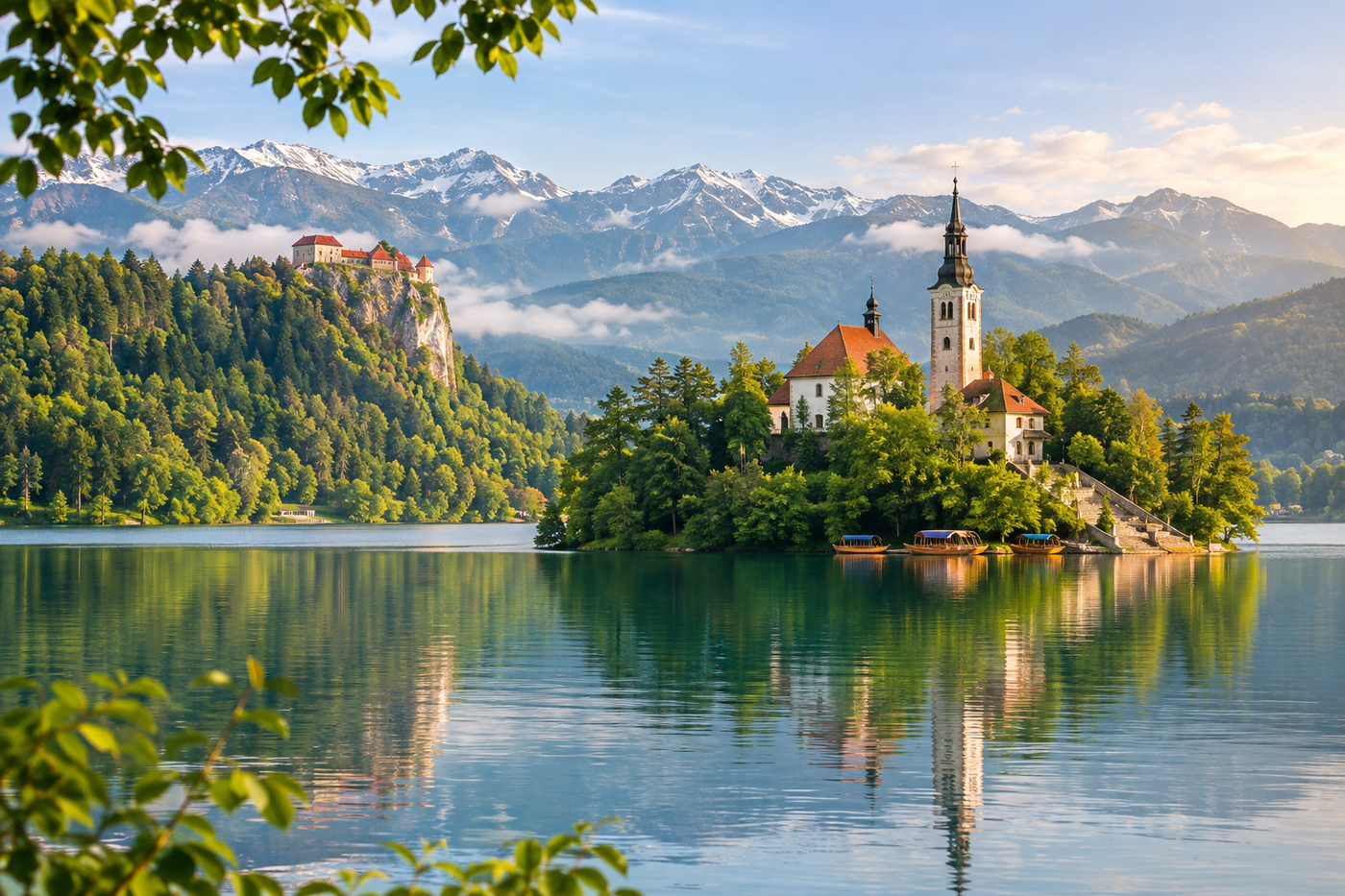
Bled changes character with the seasons. This practical guide compares weather, crowds, prices and what to pack month by month, so you can choose dates that fit the trip you actually want.
Choose your Bled season by travel style
There is no single best month for Bled. The right time depends on whether you want warm lakeside walks, reliable mountain access, quieter streets, or the lowest realistic prices. Summer gives you long days and the liveliest atmosphere, while spring and autumn make it easier to enjoy viewpoints and the old town without feeling surrounded by day visitors.
Bled is compact, so crowd levels can change the experience more than a small difference in temperature. A calm morning around the lake may be more memorable than an extra degree of warmth. Start by deciding which moments matter most, then use the seasonal details below to shape the rest of the trip. For a first visit, this Bled travel guide adds practical context for areas, transport and daily planning.

Your trip deserves fewer tabs.
Start planning your tripWhat Bled weather is usually like
Bled has a temperate Alpine climate, with cold winters, mild and changeable shoulder seasons, and warm summers. Conditions around the lake can feel different from the forecast for Ljubljana or the higher Julian Alps. Morning mist, brief showers and cooler evenings are all possible, especially in spring and autumn.
Weather also affects what you can see. Low cloud can hide mountain views without making a walk unpleasant, while a clear day can make the lake and island look dramatically brighter. Pack for variation rather than one perfect forecast. A light waterproof layer, comfortable shoes and a warm extra layer are useful almost any month, even when the daytime forecast looks mild.
January and February: quiet winter atmosphere
January and February are among the quietest months in Bled. Days are short and temperatures are often cold, with a genuine chance of snow in the surrounding landscape. The lake itself may remain open and reflective even when the hills are white, but you should not plan a winter visit around a guaranteed frozen scene. Check local conditions before choosing any higher or more exposed walk.
This season suits travelers who enjoy calm cafés, crisp air and a slower itinerary. Start walks in daylight, leave room for weather changes and check opening hours before setting out because some attractions and smaller businesses operate reduced schedules. Accommodation can be better value outside holiday periods, although weekends and winter events can still create pockets of demand.
March and April: the first signs of spring
March is a transition month. Snow may remain on higher ground, while the lakeside begins to feel brighter and more open. April brings longer days and the first stronger signs of spring, but rain and cool spells are still normal. Trails at elevation can be muddy or partly snow-covered, so do not assume that a route is ready simply because the lakefront feels mild.
Spring is a good choice for travelers who want a quieter Bled and do not need a full summer program. Plan a flexible mix of lake walks, viewpoints and indoor stops. Pack waterproof footwear or shoes with good grip, and keep a dry layer available for sudden showers. Prices often sit below the summer peak, especially on weekdays, but Easter and school holidays can make popular dates busier.
May and June: a strong balance of weather and space
May and June are often among the most comfortable months for an active Bled trip. Days are longer, the landscape is green, and temperatures are generally pleasant for walking. Rain remains possible, so the advantage is not guaranteed sunshine but a useful balance between outdoor conditions and manageable crowds. Early June can feel noticeably calmer than the busiest part of summer.
These months work well for a full lake circuit, a boat or island visit, and day trips into the wider region. Reserve accommodation ahead if your dates overlap a public holiday or a major local event. For a realistic itinerary, leave one morning flexible for weather and use the other as a backup for a viewpoint or nearby walk. A slower three-day plan is outlined in this Bled itinerary.

Turn your travel ideas into a plan.
Start planning your tripJuly: warm days and the highest demand
July is one of Bled’s most popular months. Expect warm days, long daylight and a lively lakefront, with the greatest concentration of visitors around midday. The water and scenery invite outdoor time, but heat can make a full circuit less comfortable than it looks on a map. Begin your main walk early, rest during the brightest hours, and return to the lake later in the day.
Prices for accommodation and activities are usually at their strongest in the summer high season. Book the room type and dates you need before arrival, especially for weekends. If you are driving, check parking arrangements in advance rather than assuming you can stop beside every attraction. Budget travelers can still manage July by staying outside the center, eating one substantial local meal at a time, and prioritizing walks and viewpoints that do not require a ticket.
August: summer energy and practical tradeoffs
August shares July’s warm weather and high demand, and it can feel especially busy during school holidays. The upside is a broad choice of open restaurants, excursions and evening activities. The tradeoff is that the most photographed viewpoints and narrow lakeside paths may be crowded during the middle of the day.
Use timing to make August easier. Walk before breakfast, reserve any fixed-time experience, and keep the afternoon for shade, a slower meal or a less central stop. A light day bag with water, sun protection and a rain layer is more useful than trying to carry everything for a full day. If your dates are fixed, compare accommodation in neighboring villages and plan the transfer before booking a distant room.
September: a rewarding shoulder-season option
September is a strong compromise for travelers who want outdoor days without the full summer intensity. The lake remains attractive, daylight is still useful, and the first signs of autumn may appear toward the end of the month. Warm afternoons can alternate with cooler mornings and rain, so a flexible forecast-based plan still matters.
Crowds generally ease after the peak holiday period, although weekends can remain popular. This is a good month for combining the lake with a longer viewpoint walk or a day trip, provided you check trail conditions and transport times. Accommodation may become more reasonable than in July and August, but popular rooms can still sell out. Reserve the essentials, then leave meals and short walks open.
October and November: autumn color and changeable days
October can bring beautiful color around the lake and a quieter rhythm, particularly on weekdays. Temperatures are cooler, daylight fades earlier, and rain becomes a more serious possibility. November is more subdued, with shorter days and a greater chance that mist or cloud will limit distant views. That does not make the trip impossible, but it favors travelers who enjoy atmosphere over a packed outdoor schedule.
Choose accommodation with a comfortable indoor space and build your day around daylight. A morning circuit, a long lunch and one indoor visit may be a better plan than several exposed viewpoints. Check seasonal opening hours carefully. Prices can be attractive outside event weekends, but some services reduce their schedules, so confirm the practical details shortly before departure.
December: lights, cold air and holiday demand
December brings a distinctly festive feel to Bled, with winter light, seasonal decorations and a chance of snow in the surrounding hills. It is also a month of contrasts. The cold and short daylight require more planning, while holiday weekends can make accommodation and restaurants busier than an ordinary winter week.
Pack warm layers, gloves, a hat and shoes that remain comfortable on wet or icy paths. Plan your main outdoor walk in the middle of the day, then use cafés, restaurants and indoor attractions to keep the evening relaxed. If you want a particular holiday event or a room with a lake view, book earlier than you would for a normal January visit and check cancellation terms.
How crowds and prices change through the year
Summer is usually the most expensive and crowded period, with July and August carrying the strongest demand. Late spring and early autumn often offer the best balance for travelers who want comfortable walking conditions and more choice around the lake. Winter and parts of November can be the least expensive, but lower prices come with reduced daylight and fewer open services.
Look beyond the headline room rate. A cheaper stay farther away may require parking, transfers or more time on the road. Conversely, paying slightly more for a central base can save taxis and make early walks easy. Compare weekday and weekend dates, confirm what is included, and use the Bled budget guide when deciding which paid experiences deserve space in your plan.
What to pack for Bled
For most seasons, pack comfortable walking shoes, a light waterproof jacket, a warm layer and sun protection. Summer adds breathable clothing, a refillable water bottle and something for cool evenings. Spring and autumn benefit from trousers, quick-drying layers and shoes with grip. In winter, bring proper insulation, gloves and footwear suited to cold, wet or slippery surfaces.
Keep the day bag small enough for a long walk, but make room for a rain layer and a snack. A portable battery is helpful when navigation and photos use your phone all day. Do not pack for a mountain expedition unless your route actually goes into higher terrain, but do take trail conditions seriously. The most useful packing list is the one that supports a change of plan without making every walk uncomfortable.
So when should you visit Bled?
Choose May, June or September if you want the most balanced combination of scenery, walking weather and manageable demand. Choose July or August for long, warm days and the fullest choice of activities, accepting that you will need early starts, advance bookings and a larger budget. Choose winter for quiet lake walks, festive atmosphere and a slower indoor-outdoor rhythm.
Whatever month you choose, make the plan resilient. Keep one indoor alternative, check local opening information, and leave enough time to enjoy the lake without racing from one viewpoint to the next. Bled is at its best when the season is treated as part of the experience, not as an obstacle to an imaginary perfect forecast.