Bled travel guide: what to see, where to stay and how to plan your days
 By Maya Rivers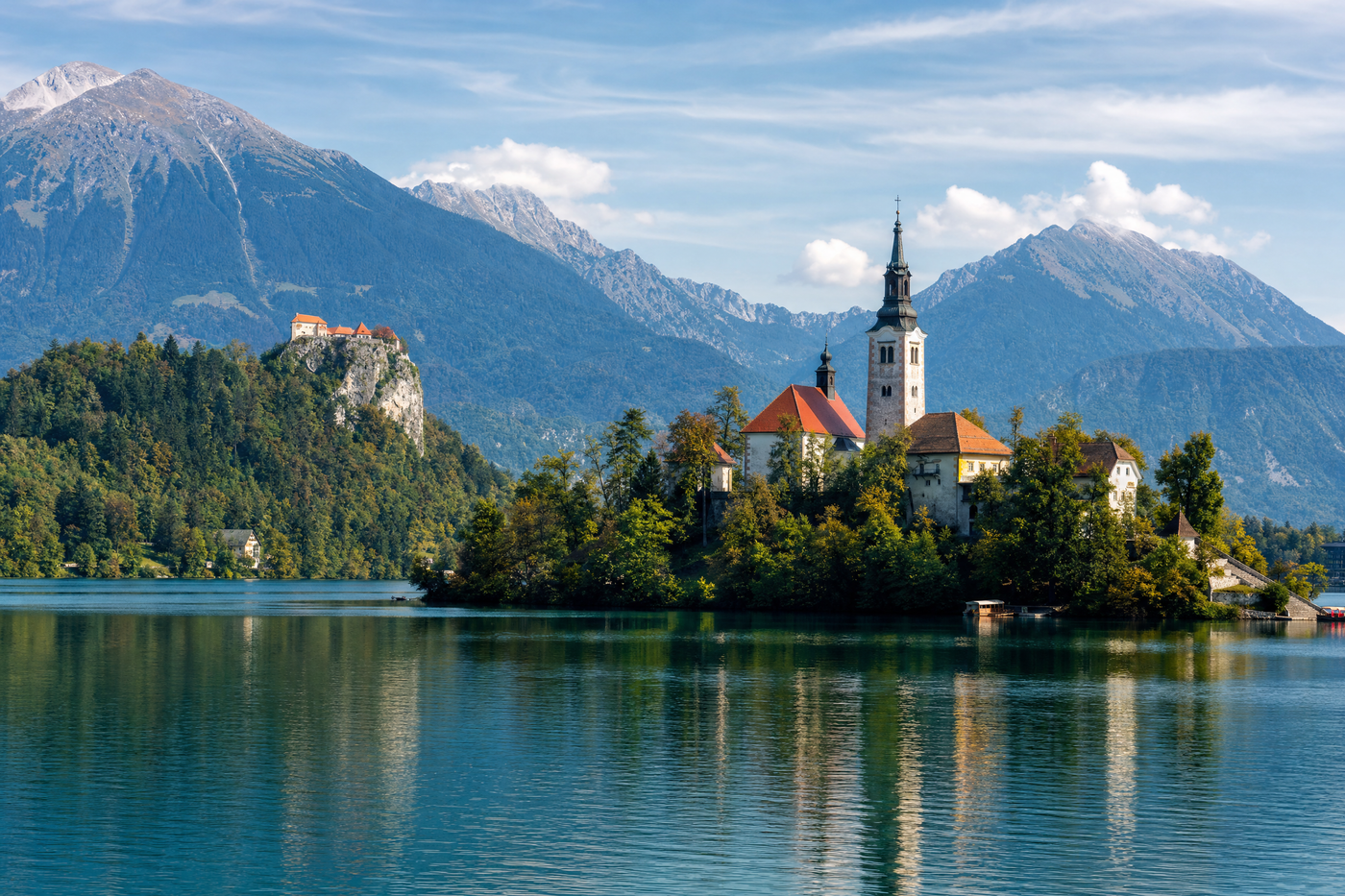
Nestled in the Julian Alps, Bled is Slovenia's lakeside gem, famed for its fairy-tale island, medieval castle, and emerald waters. This guide provides a practical itinerary with neighborhood insights, transport advice, accommodation tips, and the best local experiences for your first visit.
Introducing Bled: Slovenia's lakeside treasure
Bled is one of Slovenia’s most iconic destinations, enchanting visitors with its tranquil lake, lush forests, and picture-perfect island topped with a centuries-old church. Just 55 kilometers from Ljubljana, this alpine haven is compact enough for a short getaway but rich in activities and culture. The town combines natural beauty and local heritage, making it an ideal choice for leisure travelers looking for relaxation, outdoor adventures, and Slovenian hospitality.
With easy access by road or rail and a range of accommodation options, Bled is a practical base for exploring the Julian Alps. From scenic hikes and gentle boat rides to trying regional delicacies, Bled offers a well-rounded travel experience without overwhelming first-timers. This guide will walk you through neighborhoods, practical tips, top attractions, and a sample itinerary to get the most out of your visit.

Your trip deserves fewer tabs.
Start planning your tripWhere to stay in Bled: best neighborhoods and accommodation types
Bled’s accommodations are concentrated around three main areas: the lakefront, Bled Town Centre, and the quieter outskirts. Staying by the lake puts you close to the iconic views and main attractions, though prices are generally higher. Many visitors opt for hotels or boutique apartments here, enjoying balconies with direct lake vistas. The town centre offers a range of guesthouses, budget hotels, and hostels just a short walk from the water, plus more restaurants and local amenities.
For a peaceful retreat, consider the hamlets of Mlino or Ribno, set a few kilometers from the lake. These are ideal for travelers with a car or bike, offering a countryside atmosphere and access to trails. In summer, reserving well ahead is essential. Families may appreciate self-catering apartments, while couples often choose lakeside inns or heritage hotels such as Vila Bled and Grand Hotel Toplice. Budget and solo travelers can find clean rooms in centrally located pensions or friendly hostels.
Getting to Bled: arrival and transport options
Most international visitors reach Bled via Ljubljana, which has the nearest airport (Jože Pučnik Airport, 36 km away). Direct shuttle buses run frequently between the airport and Bled, taking about 40 minutes. Rail travelers can use the Lesce-Bled station (4 km from the lake), served by direct trains from Ljubljana. From there, taxis and buses make the short journey into town.
For maximum flexibility, renting a car is an excellent option, especially if you plan to explore the wider Alpine region. Roads are well maintained and local drivers are courteous. In Bled itself, walking and cycling are the easiest ways to get around. The town is compact, and pleasant lakeside paths link most attractions. Local buses connect Bled to major Slovenian towns and nearby sights, making it possible to explore without your own vehicle.
Getting around Bled: practical tips for transport
Bled’s scale makes it feel intimate—you can walk from the central bus station to the lakeshore in under 10 minutes. Circling Lake Bled on foot takes 1.5–2 hours, with multiple scenic stops along the way. Renting a bicycle is popular, especially for reaching beaches, the castle’s foothills, or outlying villages like Radovljica and Bohinjska Bela.
- Bled town itself lacks public transit, but frequent buses and seasonal tourist shuttles serve the western lake and nearby Vintgar Gorge.
- Taxis are reliable but need to be booked ahead (especially at night), and are more expensive than in Ljubljana.
- Parking at the lakefront is limited and costly in peak season. Guests in outer neighborhoods should check if their accommodation offers reserved parking, or consider lakeside parking garages.
Electric ‘pletna’ shuttles operate across the lake in peak months, offering a relaxed, affordable cruise. Expect a friendly, slow-paced approach to local transport, with most visitors relying on a mix of walking, boats and bikes to discover Bled’s surroundings.
Lake Bled: centerpiece and must-see sights
Lake Bled’s reflective turquoise surface, forested shores, and dramatic backdrop have inspired generations. The number one activity is to enjoy the lake itself, whether by foot, boat, or bike. Wooden ‘pletna’ boats—a Bled tradition since the 16th century—can be hired to reach Bled Island in the lake’s center. The island’s Church of the Assumption is famous for its wishing bell; climbing its 99 steps and ringing the bell is a Bled ritual.
Along the northern shore, Bled Castle looms on a cliff 130 meters above the water. Croatia’s oldest castle offers exhibits on local history, a glassblowing studio, and sweeping panoramas of the Julian Alps from its terraces. Don’t miss the walk up, or the sunset view from the castle café. At the lake’s southwestern tip lies the panoramic viewpoint called Ojstrica, rewarding hikers with postcard views after a short but steep climb. The lakeshore is dotted with bathing spots—Grajska Beach is the best for swimming—and tranquil parks where you can relax under chestnut trees.
Turn your travel ideas into a plan.
Start planning your tripBeyond the lake: attractions near Bled
Bled is the springboard to some of Slovenia’s most beautiful landscapes. The spectacular Vintgar Gorge is just 4 km to the northeast, accessible by bus or a pleasant cycle. This narrow, 1.6-kilometer-long canyon features wooden walkways suspended above turquoise rapids and waterfalls.
- Be sure to explore the medieval village of Radovljica, with its charming cobblestone lanes, ornate townhouse facades, and the Beekeeping Museum celebrating Slovenia’s apiculture heritage.
- The Pokljuka Plateau to the west offers gentle forest hikes in spring and cross-country skiing in winter.
- A bit farther afield, Lake Bohinj is the wild sibling to Bled—a glacial lake ringed by high peaks, perfect for kayaking or alpine trekking.
Guided day tours are available to cover multiple sights in a day, but careful planning allows you to reach most destinations independently. Don’t overlook the countryside around Bled: meadows, traditional hayracks and tiny churches give a sense of Slovenia’s rural life.
Dining in Bled: traditional food and memorable meals
Bled’s restaurants and cafés serve a tempting mix of Slovenian classics and Central European favorites. The most famous treat is the Bled cream cake (“kremna rezina”), a perfectly flaky custard-and-cream slice best enjoyed at Park Café. Many lakeside eateries offer locally sourced trout and wild game, reflecting the region’s mountain setting.
Typical dishes to try include “štruklji” (rolled dumplings with savoury or sweet fillings), “jota” (hearty sauerkraut stew), or “idrijski žlikrofi” (potato dumplings). Village taverns in outlying Ribno and Mlino often have rustic grills and farm-fresh cheese plates. Vegetarian and vegan visitors are increasingly well-catered for, especially in modern bistros that celebrate Slovenia’s organic produce. Reserving ahead is recommended for popular spots in high season, especially if you want a lakeside table for dinner with mountain views.
Where to shop and what to buy
While Bled isn’t a major shopping hub, it’s an excellent place to discover Slovenian souvenirs and regional specialties. Small boutiques and market stalls around the lakefront sell hand-carved wooden crafts, locally made honey, gingerbread, and ceramics. The Bled Farmers’ Market, held at the main square on Saturdays, is ideal for picking up alpine cheese, jams, and herbal liqueurs direct from producers.
Look for handmade lace from nearby Radovljica town, organic chocolate, and miniature pletna boat models as meaningful mementoes. Local wine shops stock bottles from the Vipava and Goriška Brda regions, or pick up a packet of buckwheat flour to recreate Slovenian pancakes at home. Most shops accept card payments, though it’s handy to carry a few euros for market stalls and small family-run shops.
Best time to visit Bled: seasons and local events
Bled is beautiful year-round, but each season offers a distinct experience. Summer (June–August) is warm and lively, with bustling beaches, open-air dining, and sunny boat trips—but it’s also the busiest. Spring and autumn are less crowded, with colorful foliage and pleasant weather for hiking and sightseeing. Winter brings a fairytale feel as snow dusts the mountains; the town is quieter, and Bled’s Christmas Market transforms the promenade with lights, music, and food stalls.
- Key events include the Bled Days Festival (mid-July), when floating candles illuminate the lake during the unforgettable “Night of Wishes.”
- The International Rowing Regatta (June or September) draws athletes and spectators from across Europe.
- In late autumn and early spring, you’ll share scenic trails and restaurants with mostly local visitors—a great time for a peaceful break.
Whenever you visit, most attractions remain accessible. Pack clothes for changeable mountain weather, and book accommodation ahead for peak months or festival weekends.
Three-day itinerary: make the most of your stay
For first-time visitors, three days provides a well-paced journey through Bled’s highlights and surrounding wonders.
- Day 1: Stroll the lakeshore, visit Bled Castle in the morning, and pause at scenic viewpoints. In the afternoon, take a traditional pletna boat to Bled Island—ring the wishing bell and climb the tower. Dine in town and finish with Bled cream cake.
- Day 2: Head to Vintgar Gorge in the early morning for fewer crowds. Continue to Radovljica for a historic village walk and the Beekeeping Museum. Return to Bled for a swim and lakeside dinner.
- Day 3: Hike or bike in the Pokljuka forests, or take a day trip to Lake Bohinj for kayaking or cable car rides to Vogel mountain. If weather allows, relax with a picnic by the lake or explore local art galleries before heading home.
This itinerary allows for flexibility—adjust based on your pace and interests, and build in time to soak up Bled’s peaceful atmosphere.
Practical tips: money, language, and local customs
The euro is the local currency, and most hotels, restaurants, and larger shops accept credit and debit cards. It’s still wise to have cash, especially for small purchases or in rural areas. English is widely spoken in Bled’s tourism sector; you’ll also hear German and Italian. Learning a few Slovenian phrases (like “hvala” for thank you) is appreciated, but not essential.
Slovenian culture values friendliness, nature, and sustainability. Take care to dispose of litter responsibly—Bled is proud of its pristine landscapes. Tipping is appreciated but not mandatory; rounding up bills or leaving 5–10% in restaurants is customary. Dress is generally casual, with outdoor clothing seen everywhere. Respect local schedules: many smaller attractions and shops close on Sundays or mid-afternoon in low season.
Planning your Bled trip: booking, packing and staying comfortable
Bled’s popularity means accommodation books out fast for summer and key events, so reserve hotels well in advance if you have specific preferences. Shoulder seasons offer more flexibility and value. Apartments and guesthouses may require direct booking via email; check cancellation policies and whether breakfast is included.
Packing for Bled means prepping for varied activities: hiking shoes, rain gear, swimwear, and something warm (even in mid-summer evenings) should be on your list. Bring a reusable water bottle—Bled’s tap water is mountain fresh. Free WiFi is widely available, but electrical sockets require the standard European plug (Type C or F).
With practical preparation and an open mind, your trip to Bled promises both relaxation and discovery. Allow time to wander at your own pace, savor local flavors, and enjoy the best that this alpine destination has to offer.