Where to stay in Porto: neighborhoods, budgets and trip styles
 By Elena Hart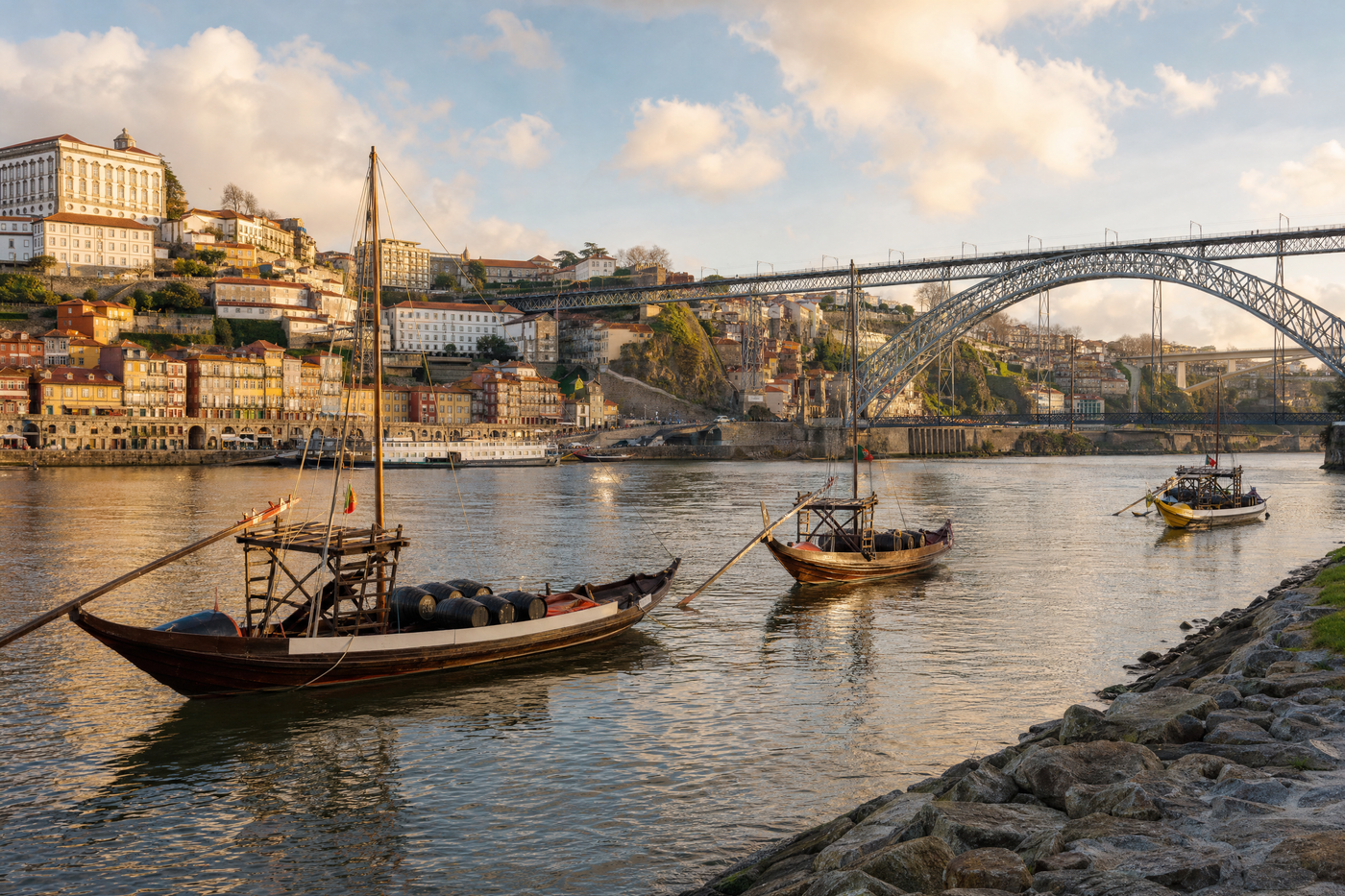
Choosing the right place to stay in Porto can shape your whole trip. This guide compares Porto’s best neighborhoods for couples, families, solo travelers, and various budgets—with honest advice on access, safety, and who each area suits.
Why your Porto base matters
Whether it’s your first time in Porto or a return visit, your chosen neighborhood will shape your trip’s rhythm and accessibility. Porto’s compact core encourages exploration, but distances between some popular zones or hill climbs can catch visitors off guard. Choosing a district that matches your trip style—whether lively, historic, peaceful, or family-friendly—not only saves time but can set the mood for your whole stay.
Porto’s popularity means both boutique hotels and budget-friendly accommodations fill quickly in high season. Considering transport connections and your interests, along with proximity to sights or nightlife, ensures you get the most from your stay without the stress of daily logistics.

Your trip deserves fewer tabs.
Start planning your tripCedofeita: creative, central, and quietly trendy
Cedofeita offers laid-back charm less than a 15-minute stroll from landmarks but without Ribeira’s foot traffic. Streets like Rua de Cedofeita and Rua Miguel Bombarda brim with indie galleries, murals, boutiques and hip cafés. The area attracts young locals, art lovers, and digital nomads, yet maintains a comfortable, local feel.
Hotels here range mostly from small guesthouses to midrange modern properties, with some affordable options on quieter side streets. Cedofeita is well-connected by metro (Carolina Michaelis and Lapa stations), and you can walk to the Douro riverfront in 20–25 minutes. It’s a great option for solo travelers, creative couples, or anyone wanting a relaxed but urban atmosphere just outside the bustle.
Ribeira & Sé: for classic Porto vistas and first-timers
Porto’s postcard-perfect neighborhoods, Ribeira and Sé, put you right on the Douro river and amidst the city’s heritage buildings. Think cobbled alleys, colorful facades, and wine bars overlooking iconic bridges. These areas are the heart of Porto’s old town, making them prime choices for short stays or first-time visitors eager to walk out the door straight into history.
Most accommodations here are boutique hotels, historic guesthouses, or modern apartments, with higher prices and summer crowds the norm. While always lively, safety is solid, and most streets are well-lit, though late-night revelry does occur near the riverfront. Be prepared for steep hills and steps. Porto São Bento railway station is within easy reach for regional trips.
Baixa/Santo Ildefonso: central, well-connected, and versatile
Baixa, Porto’s downtown, and neighboring Santo Ildefonso mix stately avenues with emerging bars, restaurants, and shopping. Avenida dos Aliados, at Baixa’s heart, is lined with grand architecture and gives easy access to highlights like Bolhão Market, Clerigos Tower, and Livraria Lello. Transit-wise, the area offers the central hubs of São Bento and Bolhão metro stations, making it ideal for citywide exploration.
This neighborhood is a reliable choice for all types of travelers, with accommodation from value-for-money hostels to stylish hotels and family-friendly apartment blocks. It bustles during the day but quiets down in the evenings, except for a few nightlife pockets. Generally safe, though watch out for pickpocketing in crowded pedestrian areas, especially around major squares.
Boavista: business district comfort and calm
Boavista, home to Porto’s business core and the Casa da Música concert hall, attracts travelers seeking modern amenities, peace, and ease of access. It’s less atmospheric than the historic center but offers upmarket hotels, spacious family rooms, and longer-term apartments. The area’s flat streets are well suited to families with strollers or those needing step-free access.
Nearby metro stops (Casa da Música, Francos) link Boavista to the city center and airport. While a short metro or bus ride from the riverfront’s main attractions, Boavista’s quieter ambiance appeals to repeat visitors, families, and business travelers prioritizing sleep and transport over late-night culture.

Turn your travel ideas into a plan.
Start planning your tripVila Nova de Gaia: river views and port wine immersion
Directly across the Douro river, Gaia is famous for its port wine cellars and panoramic Porto views. While not technically part of Porto proper, Gaia’s riverside (Cais de Gaia) is easily reached by foot over the Dom Luís I Bridge and entices with sunset bars, waterfront walks, and excellent seafood. Prices for accommodation, especially hotels and apartments with terraces, can be lower for the same level of comfort as in old-town Porto.
Gaia is well suited to couples, wine lovers, and those happy to trade a little extra walking or bridge-crossing for value. Metro access connects Gaia to Porto in a few minutes. The area is family-friendly and very safe, though returning late on foot, the bridge can get busy or windy at night.
Foz do Douro: for beaches and relaxed stays
Where the Douro River meets the Atlantic, Foz do Douro presents a chic, residential face of Porto. Here you’ll find palm-lined promenades, sand beaches, and oceanfront cafés offering a slice of tranquility away from city crowds. Foz do Douro feels worlds apart from the energetic center but can be reached in 20-30 minutes by tram, bus, or taxi, making it perfect for travelers craving a sea breeze with their Porto experience.
Foz has boutique hotels, polished guesthouses, and vacation rentals ideal for couples or families planning a longer visit. The area is considered one of Porto’s safest and is particularly peaceful at night, though amenities mostly close early. It’s a rewarding base for slow-paced mornings, seaside walks, and sunset dinners, but less ideal for nightlife-seekers or those aiming to tour city sights intensively.
Bonfim: for creative energy and affordable stays
Bonfim, east of the city center, has emerged in recent years as a hub for young creatives, students, and foodies. Its independent cafés, co-working spaces, and lively eateries have led to a wide choice of affordable hostels, guesthouses, and contemporary apartments. Bonfim is a hit for budget travelers, digital nomads, and groups wanting social vibes—without sacrificing reasonable walking access to downtown (15-20 minutes) or metro stations like Campo 24 de Agosto.
The atmosphere is urban but welcoming, with plenty of local life. The area is generally safe, especially along Avenida Rodrigues de Freitas, but late-night visits to quieter side streets call for basic city awareness. Bonfim is also well-placed for bus or train day trips beyond Porto, making it a practical pick for value-seekers who want a neighborhood with real character.
Massarelos & Miragaia: riverside walks and local flavor
For a blend of nature, history, and quieter evenings, the narrow lanes of Massarelos and Miragaia—just upriver from the historic core—offer a more local, relaxed stay. These riverside quarters feature art museums, antique tram lines, and emerging eateries, with several boutique hotels and apartments overlooking the water or old city walls. It’s ideal for anyone looking to escape tourist crowds but still be within 10-15 minutes’ walk or tram ride to major sights.
These neighborhoods attract couples, solo travelers, or culture enthusiasts—especially those interested in art, architecture, or slow city exploration. Tram lines 1 and 18 provide charming access to central Porto and the Atlantic beaches. Streets are mostly tranquil after dark. Safety risks are minimal, though hilly terrain may pose challenges for guests with mobility concerns.
Family-friendly picks: best neighborhoods for kids
- Boavista: Large hotels, playgrounds, and flat streets make this a top choice for families. Space and easy transport are definite bonuses.
- Foz do Douro: The proximity to beaches and calm residential environment suit children and multi-generational trips, though central city sights require a short commute.
- Baixa/Santo Ildefonso: Central, lively, and close to most main attractions with plenty of apartment rentals suitable for larger family groups.
Many Porto districts are safe for families, but areas closer to nightlife (especially Ribeira) can be noisy after dark. Check proximity to parks or playgrounds for younger kids, and if traveling with strollers, consider flatter areas like Boavista or Foz outside the old town’s steepest streets.
Short stays: where to maximize your time
If you’re in Porto for a quick city break or a stopover, proximity to landmarks and transport makes all the difference. Baixa/Santo Ildefonso offers immediate access to both sightseeing and metro lines, ensuring speedy airport links and quick strolls to Porto’s essentials. Ribeira and Sé, surrounded by the must-see sights and riverfront energy, are ideal if you want to absorb Porto’s character in one or two days—just be ready for some tourist crowds and street noise.
For ultra-brief stays, consider hotels near São Bento or Trindade stations. Both offer quick metro access to the airport and regional trains. Solo travelers and couples who don’t mind evening buzz may find the central old town lively and atmospheric, while business travelers are often happiest on Avenida da Boavista for its direct connection by metro to terminals and highways.
Budget tradeoffs, safety, and practical tips
Porto’s accommodation market spans high-end boutique hotels in the old town to affordable hostels and self-catering flats in emerging neighborhoods. Expect to pay more for a riverfront view, especially in Ribeira or Gaia. Affordable alternatives with metro connections can be found in Bonfim, Cedofeita, or even Boavista, though you may be a little further from nightlife and historic sights.
Overall, Porto is regarded as very safe, with low violent crime rates. Pickpocketing can happen in crowded markets or on packed trams. Late-night walks are easy in central areas, but take usual precautions on quiet streets in outlying neighborhoods. For most travelers, focusing on tram, metro, and bus access has the biggest impact on daily comfort. Consider stairs, cobblestones, and hills when packing bags or planning with kids or anyone with mobility needs—a central stay saves time, but a slightly outlying neighborhood could mean better sleep, space, and local flavor with just a quick tram or metro ride to the action.