Where to stay in Hong Kong: neighborhoods, budgets and trip styles
 By Elena Hart
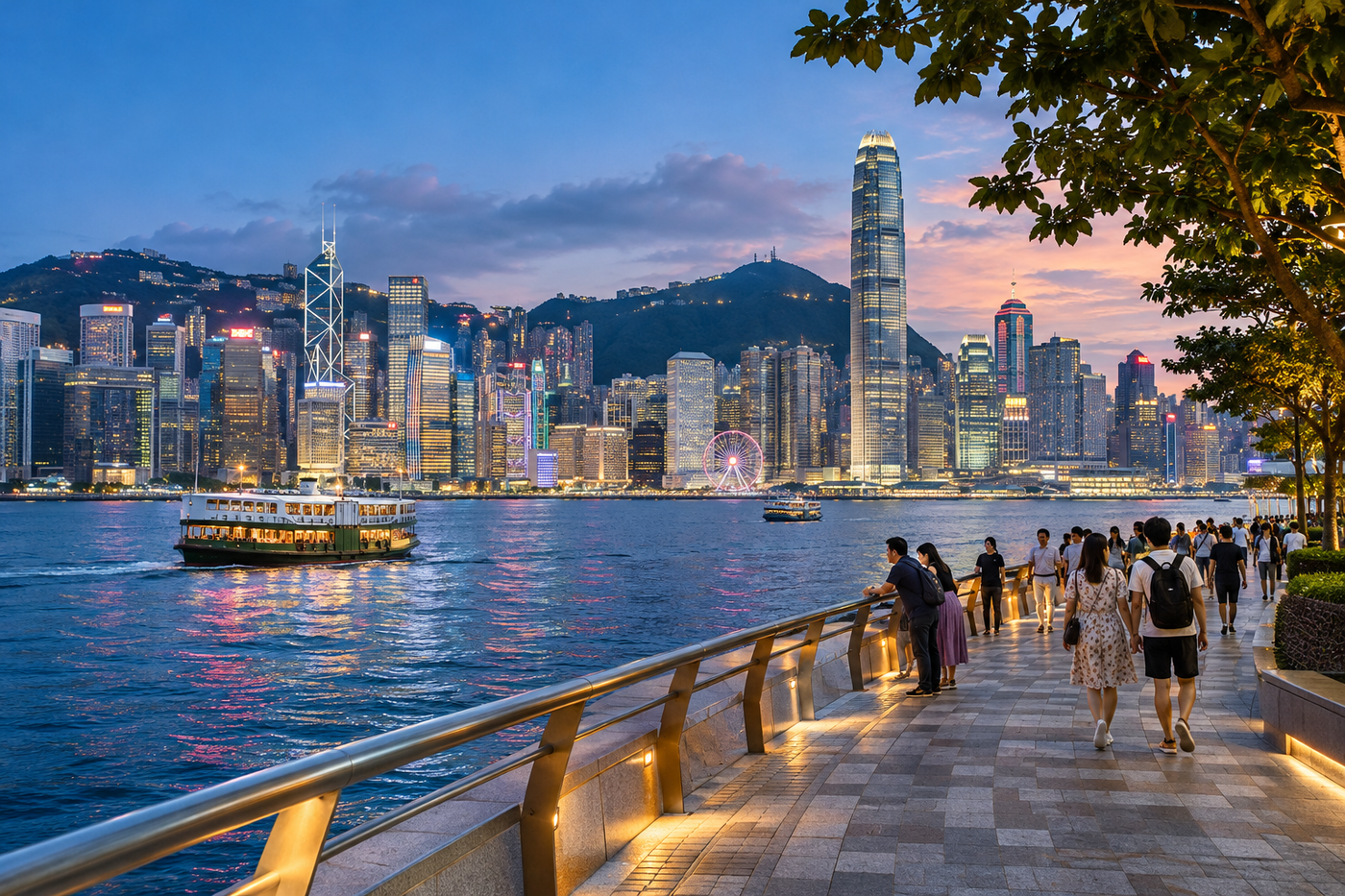
Hong Kong is easier to enjoy when your hotel area matches the way you want to travel. Here is a practical comparison of neighborhoods, transport, budgets and tradeoffs for short stays, families, couples and solo travelers.
Start with the kind of trip you want
Hong Kong is compact on a map but varied in feel. A hotel near Central can put you close to galleries, business towers and the Peak Tram, while a room in Tsim Sha Tsui gives you harbor views, museums and an easy walk to the Star Ferry. A stay in Mong Kok feels more local and energetic, with markets, dense shopping streets and excellent food at many price points.
Before comparing rooms, decide what matters most. Do you want to walk home after a late dinner, reach several islands by ferry, keep the nightly cost down, or make mornings simple with children? The best neighborhood is the one that removes friction from your own itinerary, not the one that sounds most famous.

Your trip deserves fewer tabs.
Start planning your tripCentral and Admiralty for a polished first stay
Central and nearby Admiralty suit travelers who want a convenient base with a refined city atmosphere. You are close to the Peak Tram, the Mid-Levels escalator, galleries, shopping streets and ferries to the outlying islands. The area is especially useful when your list mixes major sights with restaurants, cocktails and a little urban exploring between bookings.
The tradeoff is price and terrain. Rooms are often among the most expensive in Hong Kong, and some streets rise sharply away from the waterfront. Choose a hotel near an MTR entrance if you value easy departures, and check the exact walking route rather than judging distance from a map. Central is best for couples, first-time visitors and short business-meets-leisure trips.
Tsim Sha Tsui for views and classic sightseeing
Tsim Sha Tsui is a strong choice for visitors who want iconic Hong Kong scenery within a short walk. The waterfront promenade, Avenue of Stars, museums and Star Ferry are all nearby, and the area has a broad mix of Cantonese restaurants, international dining and practical shops. It is easy to fill a first evening without arranging transport.
Look beyond the most obvious harbor-facing buildings. A small difference in street position can mean less noise, better access to the MTR or a much shorter walk through busy crossings. Tsim Sha Tsui can feel intense, especially around Nathan Road, but that energy is part of its appeal for families, photographers and travelers with only two or three nights.
Mong Kok for food, markets and value
Mong Kok is one of the most useful areas for travelers who want atmosphere without paying Central prices. Ladies' Market, the Goldfish Market, sneaker shops, small cafés and late-night food streets create a lively rhythm from morning into the evening. The MTR network makes it simple to reach Kowloon, Hong Kong Island and the airport connection.
Expect smaller rooms, busier pavements and more visual noise. This is not the place for a quiet resort feeling, but it works very well for solo travelers, food-focused couples and visitors who prefer to spend money on experiences rather than a large room. Read recent reviews for sound insulation and lift access, especially if you are sensitive to street noise.
Yau Ma Tei and Jordan for a practical middle ground
Yau Ma Tei and Jordan sit between the energy of Mong Kok and the sightseeing convenience of Tsim Sha Tsui. You can reach Temple Street, local noodle shops, markets and Kowloon Park on foot, while nearby MTR stations keep longer journeys manageable. The streets feel lived-in and useful, with plenty of casual places to eat at different prices.
Accommodation varies widely, so compare the building and room details carefully. A low rate may come with limited daylight, a firm bed or a narrow bathroom. These neighborhoods suit travelers who need a central base, will be out most of the day and would rather have good transport than a polished hotel district.

Turn your travel ideas into a plan.
Start planning your tripSheung Wan and Sai Ying Pun for a calmer local feel
Sheung Wan blends old shop houses, dried-seafood stores, temples, cafés and contemporary restaurants. Sai Ying Pun continues that westward with a quieter residential feel and a growing food scene. Both areas are close to Central by MTR or tram, but they offer a little more breathing room when you return from a busy day.
These districts are a good match for repeat visitors, couples and independent travelers who like to explore on foot. They are less convenient if your main focus is Kowloon or if you want to step directly from the hotel into a major attraction. Check hills and station exits before booking, because the same neighborhood can feel flat in one direction and surprisingly steep in another.
Causeway Bay and Wan Chai for shopping and nightlife
Causeway Bay is built for shopping, dining and easy access to the eastern side of Hong Kong Island. Wan Chai adds bars, restaurants, convention facilities and a mix of old and new streets. Together they work well for travelers who want full evenings and prefer not to cross the harbor every night.
Causeway Bay can be crowded and bright, while Wan Chai varies more from block to block. Ask whether a hotel faces a main road, a club area or an interior courtyard. Families may prefer the quieter edges near parks and the waterfront, while couples and friends may appreciate the density of restaurants. Both areas have strong MTR and tram connections.
Best areas for families and slower mornings
Families usually benefit from a hotel with straightforward station access, a little extra floor space and a food supply nearby. Tsim Sha Tsui is convenient for the harbor, museums and ferry rides, while Causeway Bay offers shopping, parks and reliable transport. Sheung Wan can work for older children who enjoy cafés and street scenes, provided everyone is comfortable with hills and compact rooms.
Do not judge family suitability only by the neighborhood name. Confirm bed arrangements, lift size, breakfast hours, luggage storage and the walking distance from the station exit. A hotel that saves ten minutes on every morning departure can be worth more than a cheaper room farther uphill.
Best areas for solo travelers and couples
Solo travelers often enjoy Mong Kok, Sheung Wan and Central because each offers plenty to do without relying on a companion. You can eat at a counter, join a small tour or wander into a market without planning a whole evening. Couples may prefer Central, Tsim Sha Tsui or Wan Chai, where restaurants, views and nighttime walks are close together.
For either trip style, make the return journey part of the decision. A neighborhood can feel perfectly comfortable during lunch and much quieter after midnight. Read recent comments about the immediate block, use well-lit main routes and keep the address available in both English and Chinese for taxi or ride-hailing conversations.
How transport should shape your choice
The MTR is the backbone of most Hong Kong stays, and a hotel near a station can make a bigger difference than a hotel in a theoretically better district. Check the number of crossings, escalators and underground passages between the property and the platform. Trams are scenic and inexpensive on Hong Kong Island, while ferries add a memorable route when you are traveling between the island and Kowloon.
Airport access matters too. Kowloon and Central connect efficiently to the Airport Express, but you may still need a short taxi ride or a hotel shuttle with luggage. If you plan day trips to Lantau, the islands or the New Territories, count the full door-to-door time instead of focusing only on the first train.
Understand the real budget tradeoffs
Hong Kong hotel prices change with weekends, holidays, conventions and school breaks. A cheaper room can be excellent value when you mainly need a clean bed beside a station, but the saving may disappear if you add long taxi rides, breakfast for a family or frequent luggage transfers. Central and harbor-facing locations usually charge a premium for convenience and views.
Set a total nightly budget that includes taxes, breakfast and transport. Compare like with like, then decide which compromise you can tolerate: less space, no view, a busier street or a longer ride. Booking a flexible rate first can protect your options while you watch dates and neighborhood prices move.
Safety and comfort checks before booking
Hong Kong is generally straightforward for visitors, but comfort depends on practical details. Check recent reviews for noise, humidity, air conditioning, water pressure and the condition of shared corridors. Busy districts are usually well connected and active late, yet crowded transport and markets still call for ordinary awareness with phones, passports and bags.
Look at the building entrance on a map or recent guest photos. If a property is in a mixed-use tower, confirm reception hours and how the lift works after dark. Solo travelers should share the hotel address with someone at home, and everyone should keep emergency numbers and travel insurance details accessible.
A simple decision for your final shortlist
Choose Central or Admiralty for a polished, efficient first visit. Choose Tsim Sha Tsui for harbor scenery and classic sightseeing. Choose Mong Kok for food, markets and stronger value. Choose Yau Ma Tei or Jordan for a practical central base. Choose Sheung Wan or Sai Ying Pun for local texture and calmer evenings. Choose Causeway Bay or Wan Chai for shopping, restaurants and nightlife.
Once two areas remain, compare the actual hotels rather than debating the district in the abstract. Check the station route, room dimensions, cancellation rules and late-night surroundings. A good Hong Kong base is the one that makes your planned days feel easy, leaves enough budget for eating and exploring, and still feels comfortable when you come home tired.