Munich in three days: a balanced itinerary for first-time visitors
 By Nora Bennett
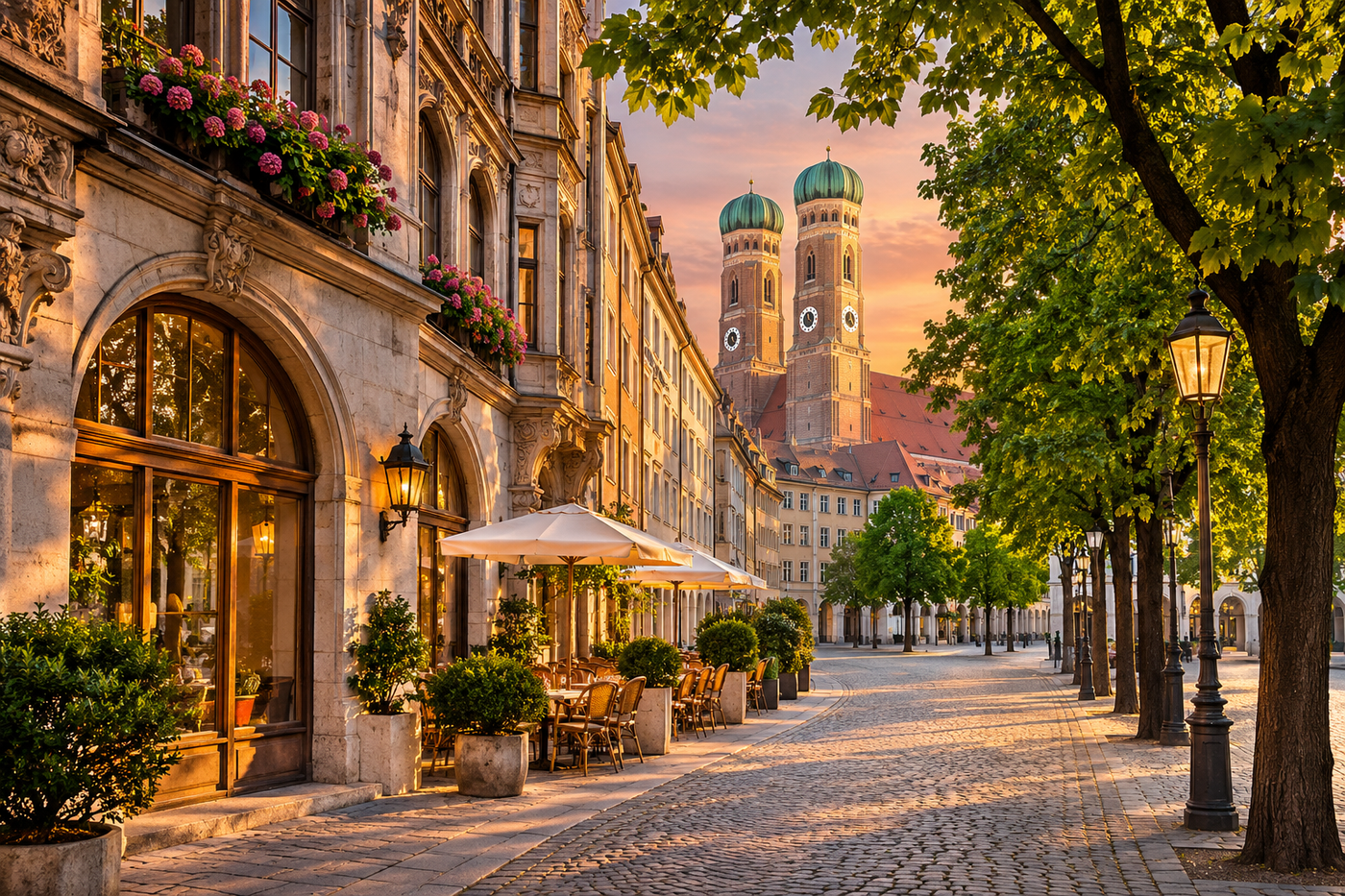
Munich is easy to enjoy when the itinerary balances central sights with parks, food, and breathing room. This three-day plan gives first-time visitors a clear route while leaving space for weather, long lunches, and local discoveries.
Why three days is a good introduction to Munich
Three days gives you enough time to see Munich's historic center, experience its food and café culture, and spend time in a park or museum without making every hour a transfer. The city is compact around the central sights, while its public transport makes further neighborhoods straightforward. The best route alternates between landmarks and ordinary city life.
This plan assumes a base near the center or a well-connected station. It keeps the first two days close to the old town and uses the third for your interests. You can swap museums, gardens, markets, or neighborhoods without breaking the structure. Treat the listed evening as a direction rather than a fixed reservation unless a specific experience needs booking.

Your trip deserves fewer tabs.
Start planning your tripStart with a central orientation walk
Use the first morning to understand the historic center on foot. Begin at a major square, continue through the pedestrian streets, and let the route include one church, market, or public building. You will see more by noticing the spaces between headline sights than by rushing from one photograph to the next.
Save places by neighborhood and meal time so your route remains flexible. Holihopper's guide to planning and organizing an itinerary explains how to keep saved places, maps, and trip structure together. That is particularly helpful in Munich, where a short list of nearby options can save you from crossing the city when everyone is hungry.
Day one: historic Munich at an easy pace
Spend day one around the old town. Choose a morning route through the central square, the main church area, and one palace, museum, or historic interior that interests you. Arrive early for your first major sight if you want quieter streets, then slow down for coffee or a bakery stop. Munich is more enjoyable when the walking route includes pauses.
After lunch, select one additional interior visit rather than stacking several. The afternoon light is good for a second neighborhood walk, a market, or a gentle route toward the river. Keep the evening central. A traditional meal, a beer garden when open, or a relaxed café is enough after a full day of architecture and city history.
Make food part of the itinerary
Munich's food culture works well with a flexible plan. Have breakfast near your accommodation, make lunch the main meal, and keep dinner adaptable to energy and weather. A market or food hall can be useful for groups with different preferences, while a traditional restaurant may suit travelers who want a slower evening. Reserve only where the meal itself is a priority.
Do not schedule a museum at the far end of the city immediately after lunch. Give the meal time to become part of the day. Try regional dishes if they appeal to you, but keep alternatives for dietary needs. A successful food stop is one that fits the people traveling with you, not one chosen only because it appears on every list.
Keep evenings local and low-pressure
Munich evenings can be pleasant without another major attraction. Walk through a nearby square, sit in a beer garden or park, or choose a neighborhood restaurant. If you have tickets for music, sport, or a timed tour, make that the evening's anchor and avoid adding a distant dinner reservation afterward.
Use the end of day one to check the weather and opening information for day two. Move outdoor activities earlier if rain is likely, and keep a museum or covered market as a backup. A plan with one clear alternative is more resilient than a plan with six tightly timed commitments.

Turn your travel ideas into a plan.
Start planning your tripDay two: choose culture, gardens, or the river
Day two can broaden the picture. Travelers interested in art and science can choose a museum cluster and spend the morning indoors. Travelers wanting more space can walk through the English Garden and connect the outing with a relaxed lunch. The river and park paths are useful because they let you experience Munich without requiring constant sightseeing.
Pick one major focus and one nearby add-on. If you choose a museum, do not assume you will comfortably visit every room. If you choose the park, have a rain or fatigue alternative. The goal is to leave day two feeling that you lived in the city for a few hours, not that you completed a warehouse of exhibits.
Book the experiences that truly need it
Timed palace entries, popular concerts, special restaurants, and seasonal events can justify advance booking. Check the exact location and arrival time, then leave a buffer for public transport and finding the entrance. Keep tickets offline in case your connection is poor. If a cancellation policy is strict, make sure the rest of the day is genuinely compatible before paying.
Many walks, parks, neighborhood meals, and ordinary museum visits can remain flexible. Check current opening information close to the trip because holidays and event schedules change. Do not build a whole day around a single attraction without a nearby alternative. The best backup may be as simple as lunch and a slow walk.
Day three: make space for your own Munich
Use the final day to follow your strongest interest. You might revisit the old town for a missed interior, explore a neighborhood beyond the postcard center, spend more time in a garden, or take a short outing if the transport and weather make it comfortable. A return to a favorite café or market is a valid choice.
Keep luggage, departure time, and train connections visible before choosing a distant stop. If you have a late departure, leave a generous margin and keep the last activity close to your route out. A calm final morning often feels better than one last ambitious landmark followed by a stressful transfer.
Use one main area per half-day
Munich's center looks small on a map, but galleries, parks, meals, and transport still take time. Plan one main area per half-day and give yourself two or three anchors. A morning of walking, one substantial visit, and an unhurried meal is already a rich program. Optional pins can stay visible without becoming promises.
Notice the difference between distance and effort. A short route with crowds, stairs, or a fixed entry can be more tiring than a longer park walk. Build in coffee, benches, and public transport options. This is especially important for families, older travelers, and anyone arriving after a long journey.
Common mistakes first-time visitors make
A common mistake is trying to see the center, a museum cluster, a park, and a distant restaurant in one day. Another is assuming that every famous interior needs to be visited. Choose the places that match your interests and let the city fill in the gaps. You will remember a good rhythm more than an extra room.
Travelers also underestimate meal timing, weather, and event crowds. Keep layers and comfortable shoes available, and check whether a public event changes transport or reservations. Finally, do not judge the whole city from the busiest central street. Give yourself time in a market, neighborhood, or green space where the pace is more ordinary.
Practical details for a smoother visit
Wear shoes for cobblestones and long walks, carry a light layer, and keep a reusable water bottle if convenient. Public transport is useful for longer jumps, while the center rewards walking. Learn the location of your nearest station and save the return route to your accommodation before an evening out.
Be considerate in parks, residential areas, and religious buildings. Follow photography rules, keep cycle paths clear, and remember that a beer garden is a social setting rather than a quick photo stop. For restaurants, communicate allergies clearly and confirm payment preferences when a small venue requires it.
Balance paid sights with free experiences
Munich can become expensive when every day includes several tickets, restaurant meals, and taxis. Balance one paid anchor with free walking routes, parks, public squares, and a market. A picnic or bakery lunch can be as satisfying as a formal meal when you have chosen a pleasant place to sit.
Set a daily priority rather than a rigid spending target. Spend where the experience matters to you, then use flexible options around it. The related Munich budget guide can help you think through where to save and where a considered splurge may improve the trip.
Leave with a reason to return
A good first visit to Munich should feel complete without feeling final. Three days can give you a clear sense of the historic center, a taste of local food, a green or cultural counterpoint, and a few places you would happily revisit. That is enough to build a relationship with the city.
At the end, note what worked: which neighborhood suited your pace, which meal deserved more time, and which attraction you would skip next time. Keep the plan as a useful record rather than a scorecard. With a balanced route, Munich offers both the landmarks you expected and the quieter moments you could not have scheduled in advance.