Montreal on a budget: how to save money without missing the best parts
 By Nora Bennett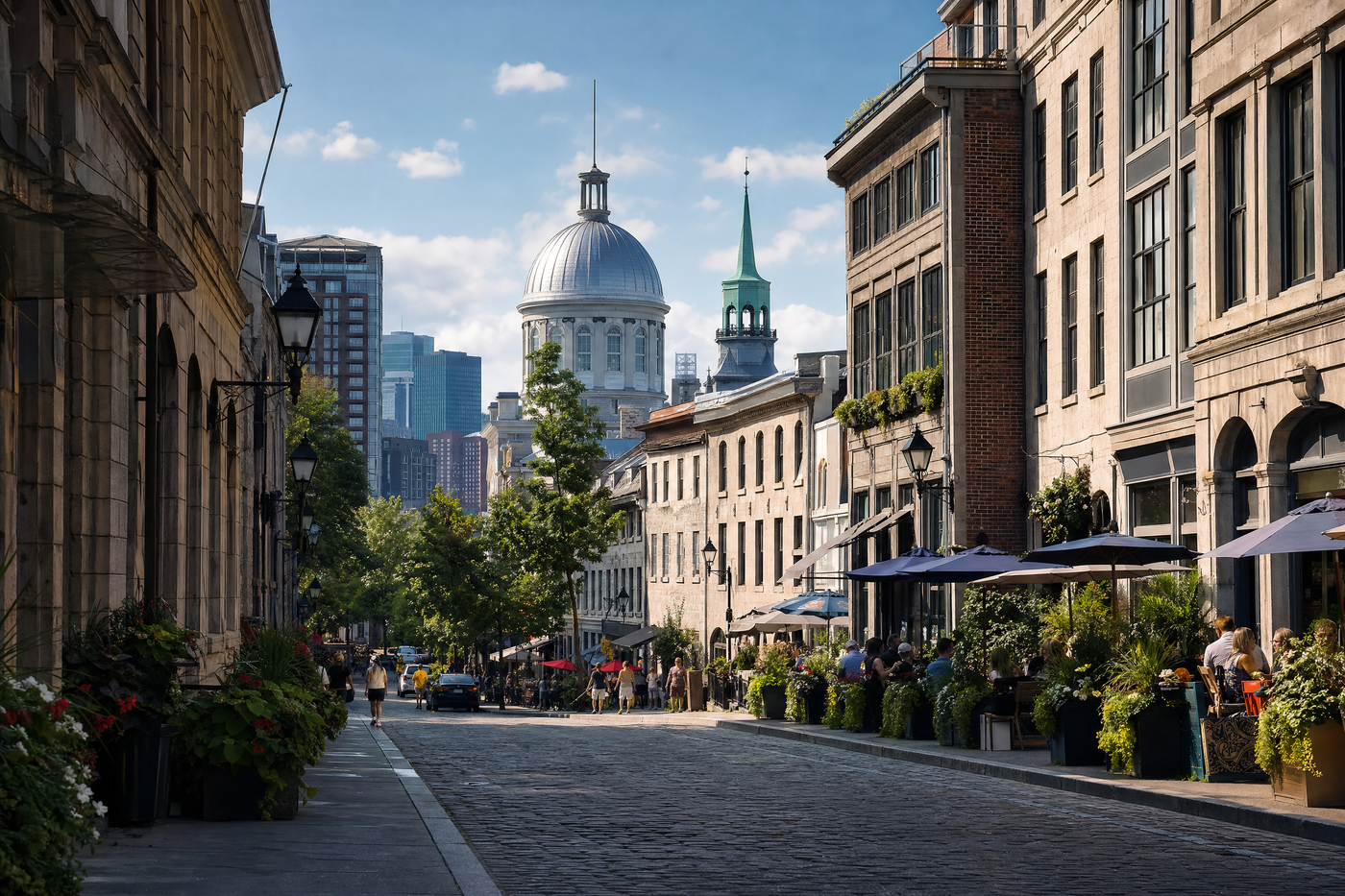
Discover Montreal's unique blend of European charm and North American flair without breaking the bank. This practical guide sorts must-keep splurges from easy savings, with tips on sights, food, transport, and smart planning – perfect for budget-minded travelers eager to experience the city's best.
Montreal’s magnetic appeal without the price tag
Montreal consistently ranks among North America’s most inviting cities—walkable, stylish, and brimming with character. While it offers some big-ticket thrills, there’s no reason a trip here has to drain your wallet. Smart planning can reveal a city that rewards both thrift and curiosity. Understanding the real cost of must-do attractions, where it’s worth indulging, and when you can save without missing out helps travelers tailor an experience that feels generous, not restricted.
Local life in Montreal weaves together old and new, free and luxe. Locals often know the best parks for picnics, how to catch free art installations, and which atmospheric cafés rival touristy mainstays—at a fraction of the cost. This guide lays out practical advice, sharp distinctions between splurge-versus-save, and the subtle local context that can make every Euro, CAD, or dollar go further in Montreal than you might expect.

Your trip deserves fewer tabs.
Start planning your tripFree and nearly free sights: the city’s best street-level charms
Some of Montreal’s most unforgettable experiences are free. The winding alleyways and cobblestone streets of Old Montreal (Vieux-Montréal) evoke history with every step. Stroll along the Old Port—the promenade facing the wide, storybook St. Lawrence River—where locals rollerblade, jog, or settle onto quayside benches to watch boats drift by. It’s the city’s living postcard, and wandering costs nothing.
- Mount Royal Park (Parc du Mont-Royal): Hike to the Kondiaronk Belvedere for panoramic city views. The walk up is shaded in summer, golden in fall, and romantic under winter snow. Picnicking or people-watching near Beaver Lake is a local tradition that feels luxurious, yet it’s entirely free.
- La Fontaine Park and Parc Jean-Drapeau: These urban green spaces pulse with free concerts, art, and community gatherings, especially in warm months. Check municipal websites for updated events calendars.
- Downtown’s street art and summer festivals: Snap photos on Boulevard Saint-Laurent, where world-class murals pop up by the dozen during MURAL Festival in June. Many festivals in Montreal, from the Jazz Fest to Just for Laughs, offer free outdoor performances alongside their ticketed shows.
With just a little legwork, everyday Montreal shows off its heart—and none of it costs a cent.
Beyond the guidebooks: authentic neighborhoods to explore
Leave time to discover Montreal’s neighborhoods beyond Old Montreal. Each offers its own take on city life, often with plenty of inexpensive pleasures. The Plateau-Mont-Royal, with its winding external staircases and riotous street art, is perfect for a walking tour that costs nothing but shoe leather. Duck into local bakeries for a pastry or two, but resist sit-downs at touristy cafés on main thoroughfares if you want to really save.
Mile End, just north of the Plateau, is a laid-back enclave prized by artists and foodies. Independent shops, quirky bookstores, and the famous bagel bakeries (try St-Viateur or Fairmount) deliver a morning’s entertainment for the price of an iconic Montreal bagel. Verdun and Hochelaga are emerging as lively, affordable alternatives, with thrift stores, markets, and community events that keep your wallet almost untouched.
Riding smart: making the most of Montréal’s public transport
The city’s metro and bus network is comprehensive, affordable, and time-saving. Skip taxis and car hires in favor of the five-line metro, which runs from early morning until after midnight. For most visitors, the real savings are in multi-day passes offered by the Société de transport de Montréal (STM).
- 1-day or 3-day unlimited passes: Perfect for full sightseeing days—buy from any metro station vending machine. The price beats individual tickets after just a couple of trips.
- Weekly pass (Carte hebdo): If your trip overlaps a week, this is unbeatable for value and simplicity.
- Airport connection: The 747 Express Bus links the airport to downtown with a dedicated fare, which conveniently includes a full day of unlimited metro/bus travel—a two-in-one savings often overlooked by new arrivals.
Check schedules via the STM’s mobile app, and remember: the metro never charges extra for late nights or weekends, making evenings out much more affordable than in cities with taxi-heavy culture.
Eating well for less: neighborhood bites and local hacks
Montreal’s restaurant scene is world-famous, but eating well here isn’t about white tablecloths—it’s about creativity. City locals, students, and working families look for informal bistros, poutine shops, and lunch counters. Here’s how you can too:
- Take advantage of lunch specials: Many bistros and restaurants feature excellent prix-fixe lunch menus for half the price of dinner service. Even higher-end restaurants take part, especially midweek.
- Seek out ethnic enclaves: Try Chinatown for dumplings or Little Italy for pizza that rivals most sit-down spots in Europe or the US. You’ll pay a fraction of tourist strip prices.
- Embrace the classic: Don’t leave without trying a smoked meat sandwich at Schwartz’s Deli (split one if you’re not famished), or the city’s iconic poutine at La Banquise, open 24 hours for late-night value feasting.
- Leveraging grocery stores and markets: Jean-Talon and Atwater Markets are legendary. Pick up fresh baguettes, Québec cheeses, and ripe fruit for a scenic lunch in a nearby park—often tastier and more memorable than any restaurant meal.
Portions are generally hearty. If your accommodation allows, buying groceries for breakfast or late-night snacks significantly cuts daily spend, with zero loss of local flavor.

Turn your travel ideas into a plan.
Start planning your tripTactical booking: timing your trip to unlock savings
Montreal’s appeal changes by season—and so do the prices. Understanding the peak and low periods can free up budget for the city’s best experiences. High season stretches from June through early September, when hotel prices surge and festival crowds peak. Visiting in late spring (May) or early fall (mid-September to October) means smaller crowds, lower prices, and mild weather that’s still perfect for walking, festivals, and open-air markets.
Booking flights and accommodation at least three months in advance helps, but the true savings come with flexibility: Shoulder season weekends fill slowly, so you can often snag last-minute hotel deals or short-term apartment rentals at a steep discount. Winter (November through March) offers the lowest prices, though deep cold isn’t for everyone. Still, if you pack appropriately, winter reveals its own magic—fewer tourists and a calendar of cozy, indoor activities (and deals) only locals know.
Free museums, local art, and cultural access
Cultural richness is part of Montreal’s identity, and some of its wealth is open to all. Several top attractions waive entry fees on special days or for youth, while others always offer select free areas. Art lovers can start with the Musée des beaux-arts’ (Montreal Museum of Fine Arts) permanent collection—free access for those under 20, and often no charge to all on the last Sunday of each month. The city’s network of more than a dozen public art “art public” installations form an open-air gallery spanning blocks of downtown and the Quartier des Spectacles.
- Bibliothèque et Archives nationales du Québec: Free entry and one of North America’s largest libraries—worth a visit for its architecture and exhibitions alone.
- Pointe-à-Callière’s public spaces: The archaeology and history museum has portions of its lower plaza (and sometimes special events) open to the public; check the schedule in advance.
- Free film, music, and dance: The Place des Arts and Quartier des Spectacles pulse with free outdoor music, dance, or film projections almost nightly in summer. Evenings are lively—bring a picnic and join the crowd, no ticket necessary.
Use municipal and museum websites to scan for free entry days—timing your visit can turn a packed cultural itinerary into a budget-friendly one, especially for families.
When to spend: splurges that are genuinely worth it
Some Montreal experiences are worth the investment. Here’s where the extra spend often pays off:
- Picnic with a view at Terrasse Nelligan: This rooftop bar overlooking Old Montreal and the river isn’t cheap, but a single drink (or shared cheese board) at sunset is unforgettable—the atmosphere and view can’t be replicated.
- A concert at Maison Symphonique: Even discounted tickets deliver top-tier symphony or jazz performances in a stunning setting; a value compared to similar venues in other major cities.
- Guided bike or food tours: The best bike tours take you deep into local neighborhoods, revealing off-menu eats and hidden murals regular sightseeing misses. While comparable in cost to one restaurant dinner, local guides add tons of context and personal recommendations for a richer visit.
It’s best to limit high-end dining to a single meal or a chef’s tasting menu—experiential splurges rather than habit. Pick one or two for the memories, and funnel the rest of your food budget to classic, affordable local favorites.
Sleeping affordably without sacrificing charm
Accommodation can be Montreal’s largest line item, but locals-in-the-know and savvy travelers sidestep the highest rates. Look for boutique hostels in the Plateau and Mile End, where communal kitchens, organized social events, and garden courtyards add personality at a fraction of downtown hotel prices. Popular picks like M Montreal or Auberge Saintlo offer both dorms and private rooms, with free breakfasts, workspaces, and prime locations.
- Short-term rentals: The city regulates these carefully—choose only licensed options, and book early for the best rates. Apartments with kitchenettes enable further savings on meals.
- Hotels in residential neighborhoods: Unique, independently owned inns—especially in Verdun, Little Burgundy, and the Village—can undercut downtown chains, while offering a sense of place and walkable access to public transit.
If visiting during peak events (like Grand Prix weekend in June), book as far ahead as possible or adjust arrival dates by a single day to find double-digit price drops.
Shopping, souvenirs, and low-cost local finds
If you want a tangible reminder of Montreal, avoid tourist boutiques clustered around Old Montreal, where markups are steep. Instead, make the most of the city’s thriving artisanal scene:
- Jean-Talon and Atwater Markets: Browse for local maple syrup, ice cider, or handmade soaps at prices set by producers. Everything is fresh, regional, and easy to transport home.
- Indie bookstores and designer co-ops: Neighborhood shops in the Plateau, Mile End, and Saint-Henri stock unique local goods you won’t find at the airport.
- Vintage and thrift haunts: Look for clothing, records, and quirky finds on Boulevard Saint-Laurent and up-and-coming Notre-Dame West. It’s a fun way to score conversation pieces while getting a taste of Montreal fashion.
For authentic, affordable souvenirs, resist the temptation of keychains or magnets—opt for edible treats or a small work of local art instead.
Staying connected and safe while saving
Reliable WiFi is plentiful in cafes, libraries, and public squares, so skip daily hotel fees for internet access. If you need data on the go, Canadian SIMs from major providers like Rogers or Bell are available at airports and convenience stores, but many travelers can save by pre-downloading offline maps and planning around free access zones.
Safety-wise, Montreal is one of North America’s safest large cities, with a lively street scene even late into the evening. Use the metro for late-night travel instead of expensive rideshares, and keep valuables discreet by adopting the local custom of wearing bags crossbody in crowded markets or on public transit. Emergency services are reliable; for non-urgent questions, 311 connects you with city info in both French and English.
Learning a few French phrases opens doors for better service and extra tips from locals, but English is widely understood. Montrealers appreciate any effort to greet with a “Bonjour!”
Maximizing your Montreal: summary tips for value-seeking travelers
Balancing value and experience is easy if you plan with intention. Prioritize the city’s free and outdoor treasures—parks, art walks, neighborhood markets—then choose a couple of memorable splurges to anchor your visit. Invest in transport passes and accommodation with kitchens to limit day-to-day expenses, and time your trip for shoulder seasons when possible. Show up curious, hungry, and open to Montreal’s improvisational spirit—you’ll find that a tight budget only makes the city’s warmth and creativity stand out more.
Ultimately, Montreal is one of those rare cities where what’s free feels just as rewarding as what costs the most. With the advice above, your visit will marry thrift with delight, every step of the way.