Kuala Lumpur travel guide: what to see, where to stay and how to plan your days
 By Nora Bennett
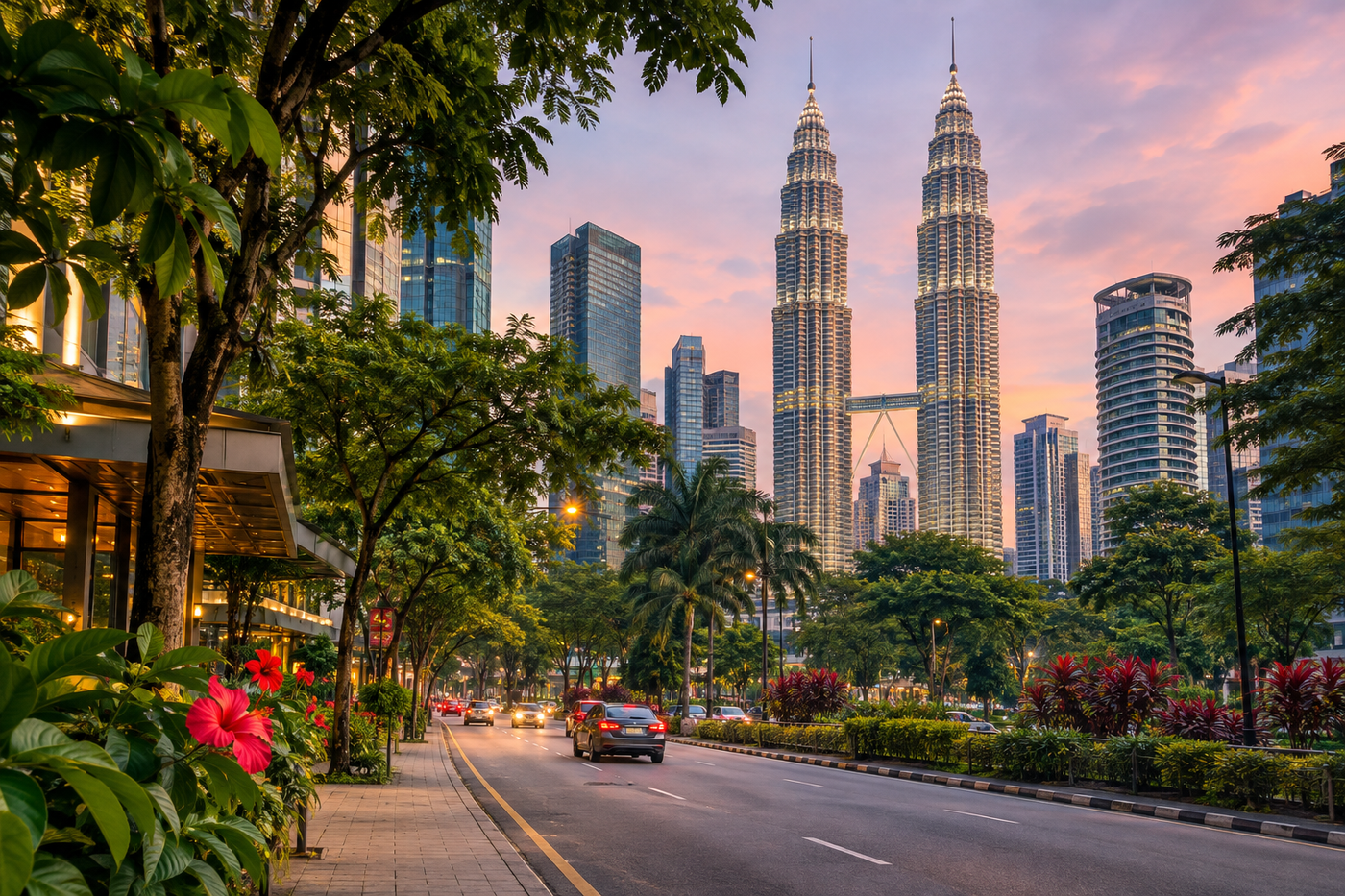
Kuala Lumpur is easiest to enjoy when you balance neighborhoods, food, skyline views and the heat. This first-time guide explains where to stay, how to move around and how to shape three flexible days.
What makes Kuala Lumpur work for a first trip
Kuala Lumpur is a city of contrasts: dense modern towers, older streets, shopping districts, food stalls and green spaces can sit within one broad urban area. The challenge is not finding things to do. It is choosing a route that respects heat, traffic and the time needed to cross between neighborhoods.
Plan by cluster. Give each half-day a main area, one or two priorities and a meal nearby. A three-day Kuala Lumpur itinerary can help you compare pacing, while this guide focuses on the decisions behind it. Leave room for rain, a long lunch and the possibility that a market or street deserves more time than expected.

Your trip deserves fewer tabs.
Start planning your tripChoose where to stay by the kind of trip you want
The best area depends on your evenings and your tolerance for transfers. Bukit Bintang suits travelers who want restaurants, shopping and a lively base. KLCC is convenient for skyline landmarks, malls and polished hotels. Chinatown and the old center offer street life, heritage buildings and food-focused walks. Bangsar or other residential areas can feel more local, but they may require more planning after dinner.
Look at the exact station, not just the district name. A hotel can be technically central yet awkward in rain or heat if the walk to transport is long. Check the room, pool, breakfast hours and noise comments as carefully as the headline location. For a short first visit, paying for a base that makes morning and evening routes simple can be better value than saving on a distant room.
Plan around heat, rain and indoor comfort
Kuala Lumpur’s tropical conditions reward an early start and a flexible middle of the day. Heat and humidity can make a short outdoor walk feel demanding, while a heavy shower can arrive quickly. Put the most exposed sightseeing in the morning or late afternoon, then use lunch, a mall, a museum or a café as a deliberate pause rather than an emergency escape.
Carry water, sun protection and a light layer for strong air conditioning. Comfortable shoes matter because a day that looks transit-heavy may still involve stations, covered walkways and long indoor connections. Check the forecast each morning, but do not let a single shower dictate the whole trip. Adjust the order and keep a nearby backup.
Prioritize the sights that define your visit
First-time visitors often want a skyline landmark, a historic neighborhood, a food experience and a view of everyday city life. Choose one or two signature sights rather than treating every famous address as compulsory. The Petronas Twin Towers and KLCC create a clear modern-city anchor, while older areas and markets add texture that a skyline alone cannot provide.
Check whether an attraction needs timed entry and how long the full visit takes. A quick photo stop and a ticketed observation visit are different commitments. Add an indoor or shaded stop to the same route when possible. This keeps the day comfortable and reduces the risk of crossing the city solely for a twenty-minute visit.
Use food to understand the neighborhoods
Kuala Lumpur is a good city for building meals into the route. Look for hawker centers, food courts, cafés and restaurants near the places you already plan to visit. Try a few different styles rather than making every meal a search for one famous dish. Rice, noodles, grilled food, desserts and drinks can each reveal a different part of the city’s mix of influences.
Observe how a place works before ordering. Notice queues, table numbers, payment methods and whether dishes are shared. Travelers with allergies or dietary restrictions should ask clear questions and keep a backup option. Heat can reduce appetite, so a smaller lunch followed by an afternoon snack may fit better than one large meal in the hottest part of the day.

Turn your travel ideas into a plan.
Start planning your tripCombine rail, walking and short rides
Public transport is useful for connecting major corridors, but Kuala Lumpur’s network is not a reason to ignore the final walk. Check the whole journey, including station entrances, footbridges, covered paths and the heat between buildings. For some short trips, a ride-hailing car or taxi saves enough time and energy to justify the cost, especially with luggage or during heavy rain.
Allow extra time for transfers and peak traffic. Do not schedule a distant dinner immediately after a timed attraction unless the route is genuinely simple. Save the hotel address, meeting points and your destination names offline. A practical plan uses transport to connect clusters, then walks locally so you are not spending the whole day moving between pins.
Day one: orient yourself around the central city
Begin with a central area that gives you a visual introduction to Kuala Lumpur. Walk around KLCC or another skyline-focused district, then choose a nearby indoor stop during the warmer hours. Have lunch before energy dips and use the afternoon for a mall, gallery, café or hotel break. This first day should teach you the city’s scale, not exhaust your list.
Return outside later when the light softens. A short evening walk and dinner in a lively district can be more enjoyable than adding another faraway attraction. Keep the first night flexible for arrival delays, jet lag and the simple pleasure of learning which streets are comfortable to navigate after dark.
Day two: explore heritage streets and eat well
Use the second day for older neighborhoods, markets, religious buildings or food-focused streets that contrast with the towers. Start early and dress respectfully for any place of worship. Move slowly enough to notice shopfronts, courtyards and changing architecture. A short guided walk can add context, but an independent route also works when you have identified a few meaningful stops.
Plan lunch in the same broad area, then take a proper indoor pause. In the late afternoon, choose one viewpoint, market or neighborhood for atmosphere rather than trying to return to every landmark. This is a good day to follow curiosity. If a café, bookstore or food stall feels worth the detour, allow the schedule to bend.
Day three: choose a wider city experience
On the third day, decide whether you want more city, more nature or a nearby excursion. A green space, a further neighborhood or a carefully chosen day trip can round out the visit. Check travel time and return options before committing. A route that looks close on a map may take much longer during traffic or require several connections.
If you stay central, use the day to revisit a favorite district, shop for practical souvenirs and fit in the sight you deliberately left open. Keep luggage, airport timing and checkout visible. The best final day ends with a comfortable transfer, not a last-minute sprint from the opposite side of the metropolitan area.
What deserves advance booking
Reserve accommodation and any landmark or restaurant that is central to your dates. Popular observation experiences, special dining rooms and fixed-time tours can sell out or become inconvenient when left until the last minute. For ordinary food and sightseeing, flexibility is usually more valuable than a complete schedule.
Read the booking terms carefully. Check arrival instructions, cancellation windows, dress requirements, weather policies and whether transport is included. Keep one alternative for every fixed plan, especially in a city where rain and traffic can alter a day. A reservation should support the itinerary, not force you to cross town at the worst possible hour.
Keep the trip comfortable and aware
Use ordinary city awareness: keep valuables secure, check the route before setting off and choose well-lit, active streets when returning late. In heat, drink regularly and take breaks before you feel depleted. Respect local customs at religious and cultural sites, and carry clothing that allows you to cover shoulders or knees when needed.
Save your hotel details, emergency contacts and transport options offline. If you are using a ride service, verify the vehicle and destination before getting in. None of this needs to make the trip anxious. Small preparations simply leave more attention for food, architecture and the unexpected moments that make Kuala Lumpur distinctive.
Common first-time planning mistakes
The most common mistake is trying to cover too many districts in one day. Another is underestimating the effect of midday heat and assuming a short map distance will be a quick walk. Travelers also sometimes choose a hotel by district reputation without checking the nearest station, the actual street and the evening noise.
Fix these problems by planning clusters and pauses. Put one major sight, one meal and one flexible stop into each half-day. Use rail for longer connections, a short ride when it saves a difficult crossing, and walking within the neighborhood. If you miss one place, you have not failed. You have kept the day usable.
A flexible three-day plan for Kuala Lumpur
Day one can introduce the central skyline and a comfortable evening district. Day two can combine heritage streets, a local meal and a slower afternoon. Day three can be reserved for a wider city experience, a green break or a favorite area you want to revisit. Shift the order around rain, opening hours and how your body feels in the heat.
Kuala Lumpur is easier when the itinerary has a shape but not a script. Choose a base that supports your evenings, group sights by neighborhood, and treat food and rest as part of the route. With that structure, three days can show you both the polished skyline and the layered everyday city without turning every hour into logistics.