Honolulu in three days: a balanced itinerary for first-time visitors
 By Leo Morgan
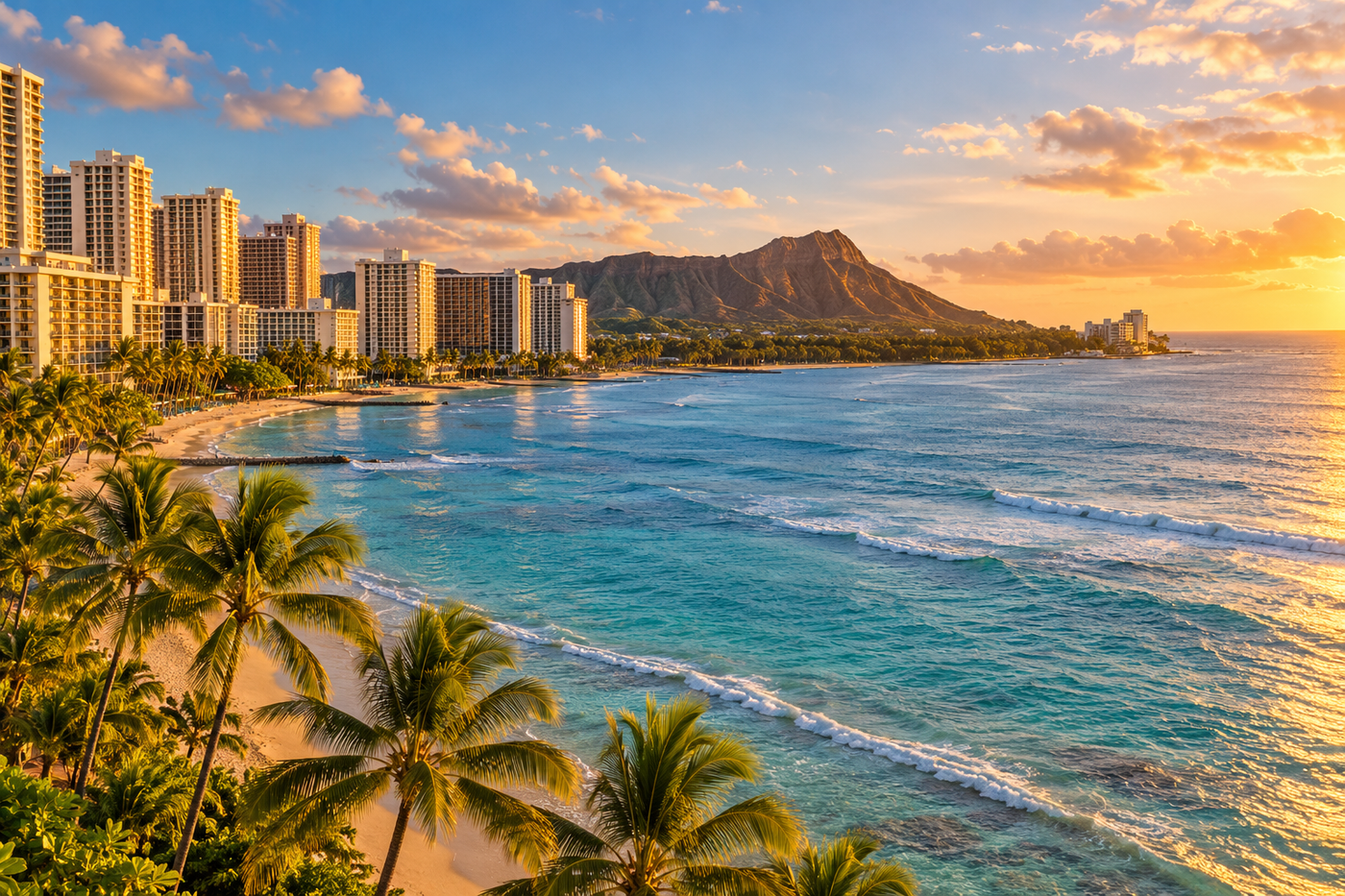
Three days in Honolulu can cover iconic views, beach time, local food, and a little history without becoming a checklist race. This balanced plan keeps each day focused and leaves room for weather, traffic, and rest.
Set expectations for three days
Honolulu is not one compact attraction zone. Beaches, viewpoints, historic places, restaurants, and trailheads can be separated by traffic and changing terrain. A good three-day visit chooses a few experiences and groups them sensibly instead of trying to cover every part of Oahu.
This itinerary assumes a first visit with a base in or near Waikiki. Adjust the order for your arrival time, weather, mobility, and where you are staying. Keep one flexible block each day so a long lunch, a beach afternoon, or a slow start can remain part of the plan.

Your trip deserves fewer tabs.
Start planning your tripDay one: settle into Waikiki and the shoreline
Use the first day to understand your base rather than crossing the island immediately. Walk the Waikiki shoreline, find the beach access that suits you, and get a sense of the streets behind the water. This is a useful time to pick up essentials, confirm any bookings, and adjust to the heat or time difference.
For a simple afternoon, combine beach time with a short walk toward Diamond Head or a nearby viewpoint, depending on your energy and the trail conditions. Return before the evening becomes rushed. A relaxed first dinner near your accommodation gives you a chance to eat well without adding another long transfer.
Keep the first evening easy and local
Honolulu offers everything from casual plate lunches and food halls to polished restaurants. On the first night, choose a place that fits your route and appetite rather than treating dinner as another major excursion. Check opening hours and booking requirements, especially for popular tables.
Save one or two nearby alternatives in case the wait is long. Hydrate throughout the day and remember that heat can make a short walk feel more demanding than it appears on a map. The aim is to start the trip with enough energy for the next morning.
Day two: Diamond Head, history, and a slower afternoon
Start early if you plan to hike Diamond Head. The trail is exposed and can be hot, so check current access, reservations, weather, and your own comfort before going. Wear shoes with reliable grip, bring water, and allow time to pause rather than treating the climb as a race.
Afterward, make the rest of the morning simple. Have a substantial meal, then choose one nearby cultural or historic stop instead of stacking several. Honolulu’s history deserves attention, and you will get more from a museum or historic site when it is not squeezed between two distant bookings.
Use the afternoon for the part you missed
After a morning walk or hike, leave the afternoon open for the experience that best matches the weather and energy. That might be a swim, a shaded neighbourhood walk, a café, or time at the hotel. Do not add a second major trail simply because the map shows it nearby.
If you want more history, choose one focused stop and read its context before you arrive. If you prefer the ocean, keep the route close to your base. This Honolulu budget guide is useful for finding free sights, affordable food, and places where a relaxed afternoon does not require a large booking.

Turn your travel ideas into a plan.
Start planning your tripDay three: choose one island-wide highlight
Make the final full day about one destination outside your immediate base. Depending on your interests, that could be a scenic drive, a north shore outing, a botanical garden, a beach with a different character, or a cultural site. Pick one area and allow the route itself to take time.
Start with the most time-sensitive stop, then keep the rest flexible. Traffic can change the timing significantly, and a place that looks close may not be quick to reach. If you are not driving, confirm public transport or tour pickup details before you commit to a route that depends on several connections.
Plan food around the route
Food stops are part of the day’s geography. Look for breakfast near the start, a practical lunch near the main area, and dinner close to where you expect to finish. This avoids spending the best part of the evening returning across the island to a restaurant chosen only because it appeared in a list.
Try local specialities with curiosity, but keep your needs in mind. If you have dietary restrictions, check menus and preparation questions in advance. A casual meal can be as memorable as a reservation when it comes after a good day and does not require a stressful detour.
Book the activities that have real constraints
Some Honolulu experiences depend on reservations, timed entry, permits, weather, or limited availability. Identify those first and build the day around them. Read the cancellation and arrival instructions, including parking, shuttle, or check-in requirements.
Leave flexibility around any activity that is weather-sensitive. If your preferred morning is unavailable, do not force the entire trip into a rigid sequence. Move the activity to another day or use a nearby alternative that preserves the main purpose of the outing.
Allow for traffic, heat, and recovery
Honolulu’s distances can be misleading. Add time for traffic, finding parking, walking from a lot, and cooling down before the next activity. A route that is comfortable early can feel very different in the afternoon heat.
Use the map to group stops and save the exact addresses. Holihopper’s travelboard guide explains how to save places, use the map, and share the plan with companions. For a short visit, a visible route is more useful than a long list of disconnected recommendations.
Avoid the common first-time mistakes
- Trying to see every coast of Oahu in one day.
- Scheduling a strenuous hike immediately after a long flight.
- Ignoring reservations or access rules for popular activities.
- Underestimating heat, sun exposure, traffic, and parking time.
- Choosing dinners far from the day’s route without a reason.
- Leaving no flexible block for weather or changing energy.
These mistakes are easy to avoid when the itinerary has one main purpose per day and the practical constraints are written down before departure.
Use the last morning for something close
If you have a final morning before departure, keep it local. Take a short shoreline walk, have breakfast, revisit a favourite view, or buy a few thoughtful items. Avoid a distant attraction unless your flight time and transport plan leave generous margin.
Check out rules, luggage storage, and airport transport the night before. A quiet final morning helps you remember the trip as a whole rather than ending with a sprint between a hotel, a car return, and a terminal.
Make the three days feel like one trip
The strongest Honolulu itinerary has a clear progression: settle in, explore a focused part of the city, then choose one wider island experience. It includes food that fits the route, a little history, time by the water, and enough space to respond to the weather.
Save the places you genuinely want to visit and remove the rest from the active plan. Three days are enough for a meaningful first impression when each day has room to breathe. The goal is not to prove how much of Oahu you covered, but to return home with a few experiences that still feel vivid.
Keep the daily route easy to explain. A companion should be able to see where the morning starts, which activity is fixed, where food fits, and when the group can rest. That shared understanding prevents small disagreements from becoming a constant negotiation in the heat or traffic.
Before you leave, check weather, access rules, and transport once more. Then accept that the best version of the plan may change. Honolulu rewards a little patience: a late swim, an excellent meal, or a view that takes longer than expected can be more memorable than the stop you hurried past to stay on schedule.
At the end of each evening, decide only what needs deciding for the next morning. Keep the rest open. That balance lets a three-day visit feel intentional while preserving the unplanned moments that make a place feel personal rather than processed.
If one experience becomes the clear highlight, let it influence the final day rather than protecting an old plan. A second beach hour, a return to a favourite food stop, or a slower morning can be the best use of limited time. The itinerary should serve your memories, not the other way around.
For the group, write down one meeting point and one clear way to reach it. That simple detail matters when phones have weak service, people split up, or someone needs a quiet break. Good planning makes the island easier to enjoy together, even when the day changes shape.