Buenos Aires in three days: a balanced itinerary for first-time visitors
 By Maya Rivers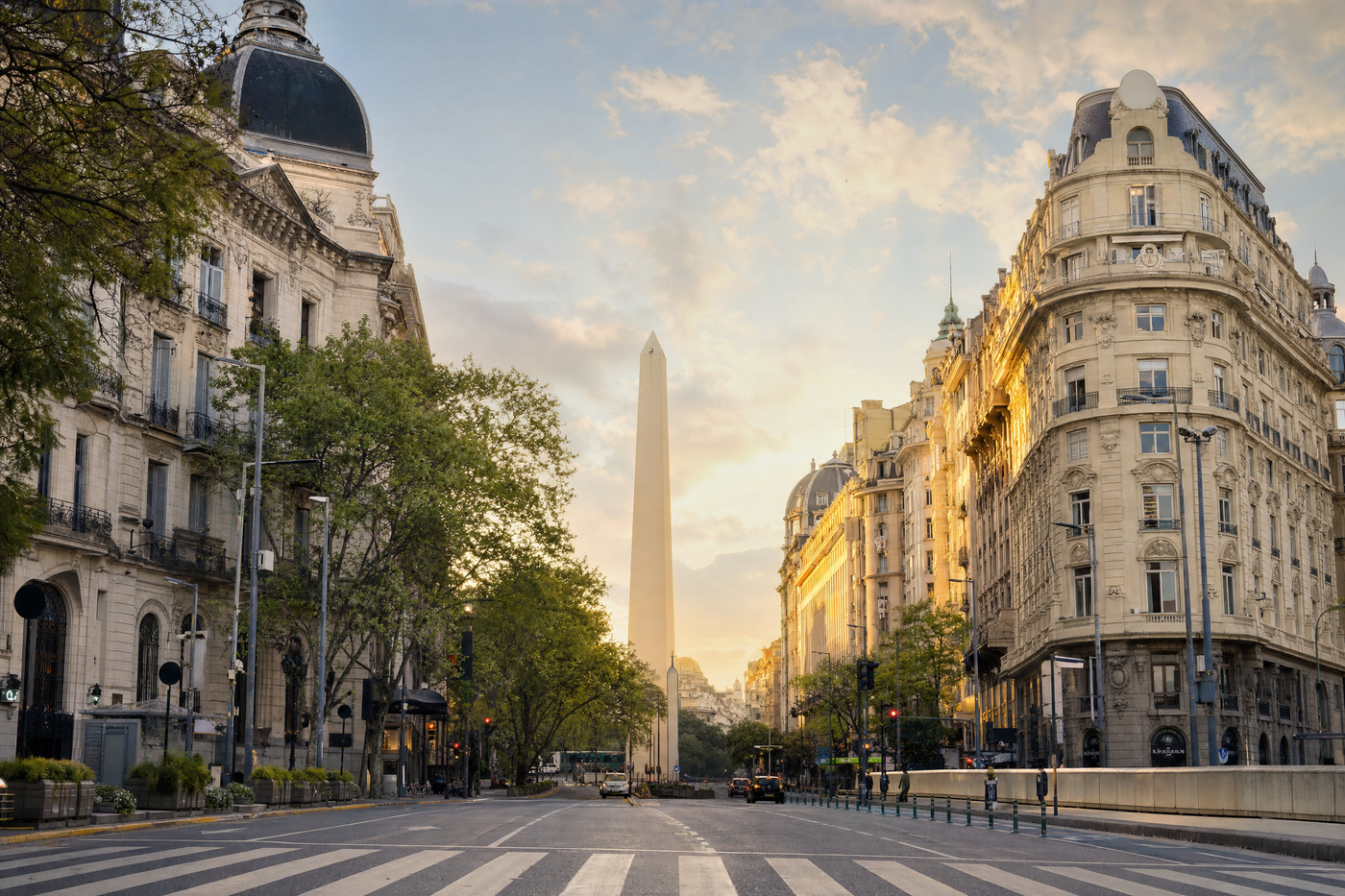
Explore Buenos Aires in three days with a thoughtfully paced itinerary. This guide includes day-by-day routes, local food stops, booking advice, and helpful context for newcomers.
Why Buenos Aires deserves a thoughtful itinerary
Buenos Aires isn’t a city you can—or should—try to rush. Known for its European-style boulevards, lively barrios, and the magnetic pull of tango, Argentina’s capital rewards those who balance sightseeing with savoring the moment. Whether you’re drawn by art, food, or its legendary nightlife, a smart plan avoids exhaustion and leaves space for the city’s surprises.
With this in mind, the following three-day itinerary is crafted for true first-timers. You’ll see emblematic highlights without feeling breathless, enjoy excellent local meals, and discover a bit of the city’s rhythm along the way. Expect measured mornings, satisfying evenings, and gaps for spontaneous discovery—plus tips to help you steer past common rookie mistakes.

Your trip deserves fewer tabs.
Start planning your tripGetting oriented: neighborhoods and navigation
Buenos Aires is a sprawling metropolis of distinct neighborhoods, or barrios, each with its own personality. Central highlights like the historic Microcentro, stylish Recoleta, and bohemian San Telmo invite leisurely strolls. Further out, Palermo offers leafy parks and cutting-edge restaurants.
Plan to walk within each neighborhood, but take short taxi or Subte (metro) rides in between—city blocks can be longer than they look. Subte cards (SUBE) are sold at major stations and kiosks. Avoid rush hours (8–10am, 6–8pm) if you want a relaxed commute. Whenever possible, chart your route for the day to minimize backtracking and maximize time enjoying rather than navigating.
Day 1: Classical Buenos Aires, from Plaza de Mayo to San Telmo
Your first morning starts in the historical heart at Plaza de Mayo, framed by the Casa Rosada and old city hall. Arriving by 9:30 a.m. avoids crowds and summer heat. Take time for photos and, if interested, book a free guided tour of the presidential palace online (slots fill weeks ahead). Don’t miss the poignant Madres de Plaza de Mayo monument honoring Argentina’s history.
Afterward, stroll along Avenida de Mayo, peeking into Café Tortoni for a mid-morning coffee and medialuna—this iconic café is a slice of 19th-century Buenos Aires (expect a short wait, especially on weekends). By lunchtime, head south into San Telmo, pausing at the city’s oldest church, Parroquia San Ignacio de Loyola, and browsing independent shops. San Telmo’s Mercado, bustling with antique stalls and parrillas, is the perfect stop for an informal asado lunch: try choripán or grilled provoleta cheese with a glass of local Malbec.
Afternoon strolls and evening options in San Telmo
By mid-afternoon, take time to relax or browse the cobbled streets at your own pace—especially if visiting on a Sunday, when the San Telmo antique fair takes over Defensa Street. Look for impromptu tango dancers and buskers that pop up around Plaza Dorrego. If you need a break from walking, settle at a café for a refreshing lemonade or a local craft beer, observing the mix of locals and travelers that define the barrio's eclectic spirit.
For your first evening, San Telmo offers excellent dinner options: El Desnivel is beloved for traditional parrilla, while El Banco Rojo serves Argentine street food favorites. If you're up for a show, book a tango experience. While some, like El Viejo Almacén, cater to tourists, the performances and atmosphere are authentic. Secure tickets in advance and ask if pickup from your hotel can be arranged.
Day 2: Artistic Recoleta and leafy Palermo
Begin day two with a leisurely breakfast in Recoleta: Pani and Le Pain Quotidien both offer excellent pastries and coffee. Plan to arrive at the iconic Recoleta Cemetery around 10 a.m. to appreciate its ornate mausoleums before crowds descend. Guided tours (offered in English on weekends) highlight the site’s political and artistic icons—book a slot if you're especially curious about Argentina’s history. Don’t miss the resting place of Evita Perón, marked by constant bouquets.
Just beyond, the stately Museo Nacional de Bellas Artes offers free admission and a selection of European and Argentine masters—perfect for a cool midday escape. From here, consider a quiet walk through Plaza Francia’s urban park or browse the artisan market if visiting on a weekend.

Turn your travel ideas into a plan.
Start planning your tripGetting the best of Palermo: parks, art, and food
Later, take a quick taxi to Palermo’s Bosques, the city's sprawling urban park ideal for a shaded stroll by the rose gardens or a paddleboat ride. Rent a bike near the lake, or simply people-watch while snacking on an empanada from a nearby parador. Convenient bike stations operate on weekends, providing a fun way to see more of the green expanse.
Lunch is best enjoyed in Palermo Soho or Palermo Hollywood, home to some of the city's most lauded eateries. Consider Don Julio for steak (book well in advance), Narda Comedor for inventive vegetarian fare, or a casual stop at La Panera Rosa for lighter bites. Take your time—the city's easy pace is as much a part of the experience as any meal.
Afternoon explorations and Palermo by night
After lunch, wander Palermo’s creative streets, lined with boutiques, murals, and independent bookstores. The MALBA (Museo de Arte Latinoamericano de Buenos Aires) is a highlight for modern art lovers—consider timed entry tickets for efficiency, as lines grow long on weekends. Nearby, open-air craft markets pop up on weekends, perfect for picking up local textiles or artisan goods. If you're feeling adventurous, stop by a neighborhood art gallery or small perfumery to experience Palermo’s indie spirit.
Evening in Palermo is a draw in itself: cafés morph into cocktail bars by 7 p.m., and dinner starts late by North American or European standards (9 p.m. is typical). Reserve a spot at a buzzy parrilla like Las Cabras or opt for sushi or Italian-inspired small plates, favored by neighborhood regulars. If you're still energetic, try a speakeasy: the Pulitzer Hotel bar or Frank’s are local favorites, though some require online booking and a password for entry.
Day 3: Modern contrasts and riverside escapes
For your final day, start in the sleek Puerto Madero district, the city's modern riverfront. Early risers can enjoy breakfast at Croque Madame or Olivia, watching the sunlight hit the iconic Puente de la Mujer footbridge. Afterwards, stroll the docks, pausing at the striking Ecological Reserve (Reserva Ecológica Costanera Sur) for wide-open green space and city skyline views—a calming antidote to downtown’s bustle. Bike rentals and birdwatching tours are available on-site, especially enjoyable on weekends.
By midday, consider a visit to the Fundación PROA, a contemporary art center in colorful La Boca. The center’s rooftop café offers panoramic harbor views, and temporary exhibitions showcase the city’s embrace of new perspectives. If you prefer outdoor sights, a wander through the Caminito street-art corridor presents tango dancers, visual art, and bold colors, but keep your valuables close—tourist crowds attract pickpockets.
Where (and when) to eat: local favorites and timing advice
- Breakfast: Argentines don’t linger over heavy morning meals. Expect pastries (“facturas”), coffee, and juice at most cafés. Try Café Tortoni (Microcentro), Pani (Recoleta), or Salvaje (Palermo).
- Lunch: Go hearty with parrilla (grilled meats) or lighter with gourmet sandwiches and salads. Seek out Mercado de San Telmo, Don Julio (reserve early), or Ninina for healthy plates in Palermo.
- Dinner: Local custom skews late (after 8:30 p.m.). Enjoy Casa Cavia or Las Cabras for a memorable meal, or sample smaller plates and vermouth at San Telmo's Desarmadero.
- Snacks: Empanadas, helado (ice cream), and medialunas (mini croissants) are musts. Rapa Nui and Lucciano’s compete for the city’s best ice cream.
Note: Reservations are increasingly recommended at popular restaurants, especially on weekends. Many book tables via WhatsApp or Instagram rather than by phone or website. Gratuity (propina) isn’t included; 10% is standard for waitstaff.
Booking tips: what and when to reserve ahead
Buenos Aires is surprisingly busy year-round, especially during local holidays and festival weekends. For must-see attractions like guided cemetery tours, top tango shows, and high-demand restaurants (notably Don Julio and El Preferido de Palermo), book at least two weeks in advance. Many venues confirm via WhatsApp or third-party apps—check their social media for the latest contact details and reservation policies. For tango shows or river excursions, booking online secures the best seats and dinner packages. Major museums sometimes sell timed-entry tickets, which cut down on waiting, particularly on weekends or rainy days.
If you’re planning intercity travel (like day trips to Tigre or Colonia), reserve train or ferry tickets several days ahead, especially in peak summer. Finally, always have a digital or printed confirmation handy; Wi-Fi can be patchy in some areas.
Common mistakes first-time visitors can easily avoid
- Overpacking days: Distances and crowds can drain even determined travelers. Try not to plan more than three big sights per day.
- Underestimating meal times: Lunch rarely starts before 1 p.m., and dinner is much later than North American/European norms.
- Ignoring siesta hours: Small shops and boutiques may close from 1 to 4 p.m., particularly outside main tourist zones.
- Carrying valuables: While central areas are generally safe, pickpocketing does occur. Use discreet bags and minimize cash.
- Assuming cards are accepted everywhere: Smaller cafes and markets are often cash-only (pesos), so keep some handy.
Learning a few polite Spanish phrases—such as “por favor” and “gracias”—is greatly appreciated and smooths out everyday interactions.
Letting the city surprise you: leaving room for spontaneity
A well-crafted itinerary helps you experience Buenos Aires’ contrasts: grand avenues and tucked-away cafes, modern art and antique stalls, bustling markets and tranquil parks. Yet some of the city’s best memories emerge unplanned—a street accordionist, a pop-up food truck, the afternoon sun on a park bench. Allow time between scheduled stops to let Buenos Aires reveal its quirks and charms.
Remember, every traveler finds their own rhythm in this city. Pause for a nap, linger over helado, or simply watch life unfold from a terrace. With the balance outlined in this itinerary—and flexibility to follow your curiosity—you’ll finish your three days not just seeing Buenos Aires, but truly experiencing it as locals do.