Where to stay in Zanzibar: neighborhoods, budgets and trip styles
 By Elena Hart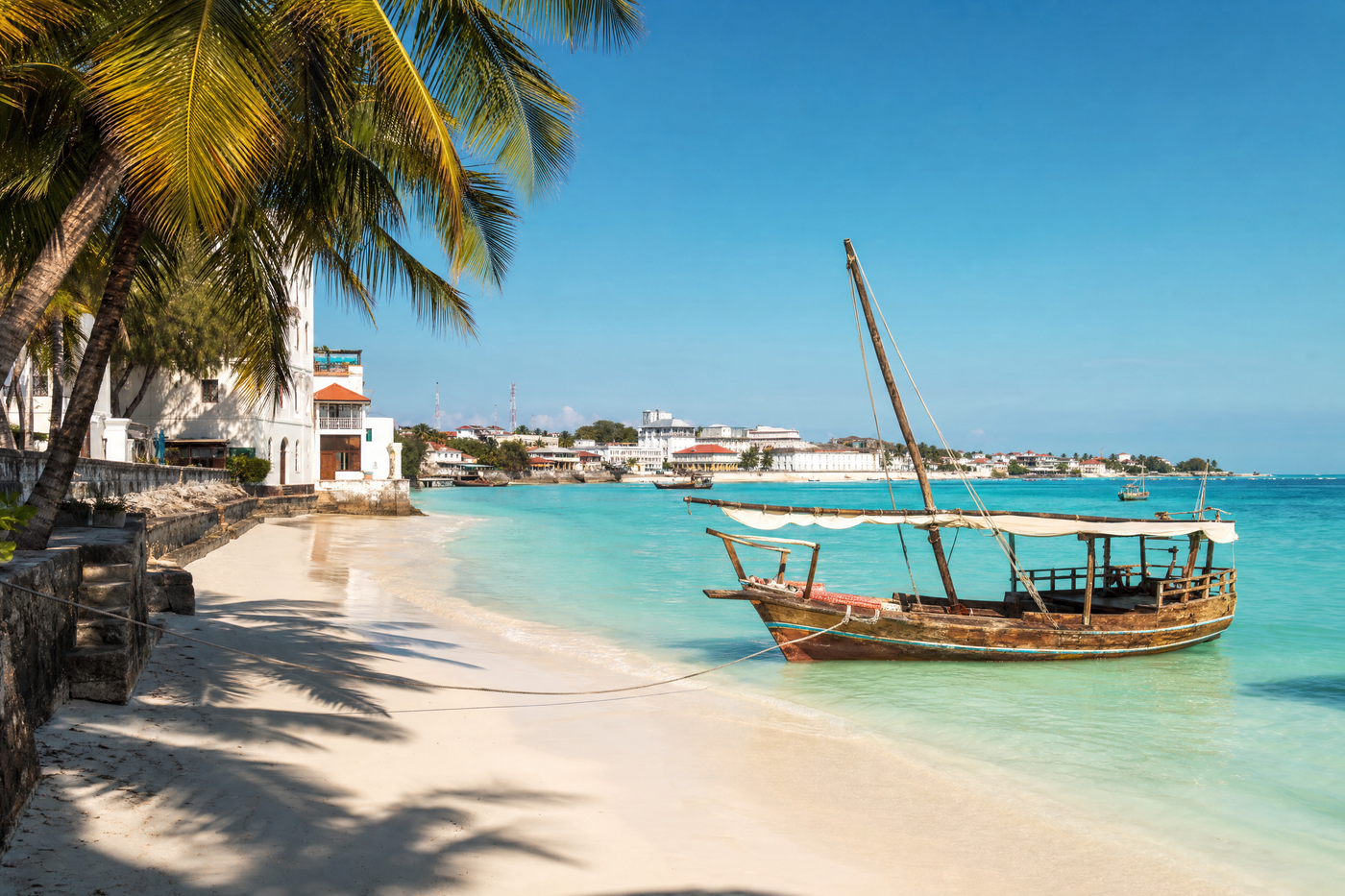
Zanzibar’s many sides—from vibrant Stone Town to tranquil beaches—mean your trip experience depends strongly on where you stay. Here’s how to pick the perfect area for your budget, interests and travel style, with real local detail so you can plan smart and relax more.
Why your Zanzibar base sets the tone
Zanzibar is not just about beautiful beaches and turquoise waters—where you stay shapes everything from daily logistics to cultural encounters. Each region has a distinct personality, from lively urban streets to secluded stretches of sand. The island is too large to easily day-trip between all corners, so selecting a neighborhood thoughtfully is the key to a rewarding visit.
Hotels and guesthouses tend to cluster in areas that serve distinct traveler types. Couples, family groups, and solo explorers all have unique needs. Transport limitations and varying safety contexts add layers to consider before you book. With busy zones, rural escapes, and stunning but remote shores, this guide helps you match your base to what matters most for your Zanzibar adventure.

Your trip deserves fewer tabs.
Start planning your tripThe main neighborhoods at a glance
- Stone Town: Historic core, bustling local life, best for culture and food lovers.
- Nungwi and Kendwa (North): Gorgeous wide beaches, lively resort area, plenty of activities, less tidal variation.
- Paje, Jambiani, Bwejuu (East and Southeast): Relaxed vibe, kitesurfing and watersports hotspot, independent stays.
- Matemwe, Kiwengwa (Northeast): Quieter upmarket beach resorts, good for families and privacy seekers.
- Michamvi Peninsula: Stunning sunsets, remote feel, ideal for digital detoxes and serene escapes.
Each neighborhood delivers a different pace, social scene, and level of convenience. Below, dive into which will work best for your budget, travel style, and trip length.
Stone Town: For culture and short breaks
Stone Town is Zanzibar’s living heritage: a fascinating warren of alleys, markets, and ocean-facing architecture. For those on a short visit or anyone hungry for local culture, it is ideal. Accommodations range from historic boutique hotels to affordable guesthouses, many in restored century-old buildings—think carved doors and inner courtyards.
This is the best area for food tours, art galleries, or wandering the bazaars. You can walk almost everywhere, and taxis or dala-dalas (shared minivans) provide wider access. Evening brings a buzz to the Forodhani Night Market, but the area is generally safe—just stay alert to pickpockets in busy spots. Couples and solos interested in history, restaurants, or a quick city break will thrive here, while families may prefer a bit more space and quieter nights elsewhere.
Nungwi and Kendwa: Resort buzz and classic beaches
Nungwi and Kendwa on Zanzibar’s north tip are famous for powdery beaches, crystalline water—and vibrant energy. Resorts sprawl along wide sandy stretches with swimming possible all day, unlike many east coast spots where tides retreat dramatically. Choose these for lively nights, an array of beach bars, and abundant activities from SUP to diving.
This region suits couples who want a mix of pampering and fun, young groups on a social holiday, or families seeking all-inclusive ease. While there are a few budget hostels and guesthouses, most accommodation skews midrange to luxury. You’ll find ATMs, pharmacies, and decent medical support. Connectivity is reasonable—stone-paved roads lead directly from Zanzibar City (approx 90 min by taxi). Safety is good, but always lock valuables in hotel safes and avoid poorly-lit areas late at night.
Paje, Jambiani, and Bwejuu: Laid-back east coast life
If you dream of long morning walks on nearly empty white sand, the southeast’s string of villages delivers Zanzibar’s more tranquil side. Paje is the island’s kitesurfing capital, buzzing with activity during the wind seasons (Dec–Feb, Jun–Aug). Jambiani and Bwejuu are even quieter, home to chilled guesthouses, eco-stays, and relaxed beach bars.
This area offers great value, especially midrange and budget guesthouses, and is famous among digital nomads, solo travelers, or young families. Villas and self-catering are popular—great for longer stays. The main limitation: at low tide, swimming means wading a long way out. Public transport can be slow; hiring a car or arranging transfers is best for flexibility. Safety is generally high, but some beach thefts occur—don’t leave valuables unattended while swimming.

Turn your travel ideas into a plan.
Start planning your tripMatemwe and Kiwengwa: Quiet luxury and family finds
On the northeast coast, Matemwe and Kiwengwa offer an upscale but restful vibe. Matemwe, with its low-key boutique resorts, is especially good for honeymooners, couples, and families craving seclusion or elevated service. Many resort packages include meals, but a few smaller guesthouses provide independent alternatives. The offshore Mnemba Atoll attracts divers and snorkelers.
Kiwengwa is more built up, catering largely to Italian package tourists with big all-inclusive resorts, a scattering of small hotels and holiday rentals. It’s child-friendly and well maintained, with shallow seas for paddling. Both villages are quieter than the north, evenings wind down early, and amenities are spread out—making taxis or hotel shuttles the go-to option. These areas are very safe, with resort security common, though walking far from your hotel after dark is generally discouraged due to poor lighting and limited street activity.
Michamvi Peninsula: Sunsets, serenity, and off-the-grid escapes
For real tranquility, Michamvi Peninsula is hard to beat. This area juts out between Chwaka Bay and the open sea, with a small but rising collection of rustic-chic lodges, eco-resorts and upscale hideaways. The beach here, especially at Michamvi Kae, is renowned for its sunsets—something rare for east coast Zanzibar.
Michamvi’s appeal is all about reflection, seclusion, and minimalist charm, making it ideal for couples, digital detoxers, and solo travelers seeking silence. Nightlife is nearly nonexistent; meals are usually at small lodges or beach cafés. Transport can be a hassle unless you have pre-booked transfers. Internet is patchy outside main hotels. Basic supplies are limited, so stock up before arriving. Crime is rare, but medical services are distant—it’s wise to have a good travel insurance plan when staying so remote.
Neighborhoods for couples: Romance or adventure?
Couples have several strong options depending on priorities. For romance and privacy, Matemwe, Michamvi, and smaller guesthouses in Jambiani set an unhurried mood—think candlelit dinners, private verandas, and gentle sea breezes. Many lodges in these areas can also arrange sunset cruises or in-room spa sessions.
If you prefer energy, nightlife, or access to adventure sports, Nungwi or Paje offer lively scenes with day trips, beach parties, and upbeat cafés. Stone Town makes a great start or finish to sample history together and try authentic Swahili cuisine. Across Zanzibar, most midrange and upmarket properties know how to add little romantic touches, but always communicate preferences in advance to arrange surprises or upgrades.
Neighborhoods for families: Play, ease, and comfort
Family travelers need space for kids, safe beaches, and easy food—and a bit of flexibility. Nungwi and Kiwengwa, with their gentle sea entry and ample resorts, are the classic choice: lifeguards are rare, but hotel pools and guarded beaches add reassurance. Many bigger hotels offer kids’ clubs, children’s menus, and on-site medical support.
Paje and Jambiani have a more laid-back, DIY feel: self-catering villas, playgrounds near the shoreline, and easier local life with grocery shops and bicycle rentals. In quieter Matemwe, bespoke resorts frequently provide discreet childcare, quiet pools, and even watersports tailored for families. Stone Town, with its busy streets and occasional traffic, is less ideal for little ones—though it’s good for a night if you want to connect with Zanzibar’s culture before or after a beach stay.
Neighborhoods for solo travelers
Solo visitors often appreciate being close to social spaces and walkable communities. Paje has long been Zanzibar’s backpacker and kite-surfing hub, where hostels, co-working cafés, and group classes make meeting others easy. Nungwi offers a similar vibe at a higher price point, with plenty of divers and solo adventurers.
If you’re seeking peace and a creative retreat, consider boutique stays in Jambiani, Matemwe, or Michamvi. Stone Town is a strong pick for solo city lovers: it’s walkable, full of cultural activities, and easy to navigate with taxis or organized tours. Safety for solo travelers is generally good, but after dark it’s best to take taxis rather than walk alone, especially in isolated beach areas or the warren-like alleys of Stone Town.
Neighborhoods for short stays: Maximize your layover
Arriving late or traveling for just a few days? Stone Town is unbeatable for convenience. It’s just 15 minutes from the ferry and airport, with most sights reachable on foot or by short taxi rides. Swap a beach resort if you have at least two full days—the north (Nungwi/Kendwa) is about 90 minutes away by car, and east coast beaches like Paje or Matemwe can be more than an hour.
If your main goal is sun and sea, north coast resorts near Nungwi are best stocked for quick, hassle-free stays, offering airport shuttles, full amenities, and options for late checkouts. For pure escape, some upmarket east coast lodges provide packages with transfers included. Always clarify transfer details with your accommodation, as taxi costs can add up fast and public transit rarely runs on a convenient schedule for short visits.
Practicalities: Transport, safety, and budget tradeoffs
Zanzibar’s main roads are in good shape, but distances are longer than most expect—Stone Town to Nungwi is 60km, and traffic can slow things down. Taxis and pre-booked shuttle transfers are the most reliable way to reach your hotel. Dala-dalas are cheap and good for the adventurous or budget-conscious, but slow and crowded, with minimal luggage space. If staying in one place, you can often get by without a car; for multi-area trips, consider rental for full flexibility.
When it comes to price, Stone Town, Paje, and Jambiani offer hostels and budget guesthouses, while five-star luxury clusters most densely in Nungwi/Kendwa and Matemwe. The east coast is great for midrange villas and apartments. Booking in advance—especially for December and July–August—ensures choice, as Zanzibar is increasingly popular. Crime is relatively low, but opportunistic theft happens, especially on beaches; use hotel safes, avoid displaying valuables, and seek local advice on secluded areas.
Finally, enjoy the diversity: wherever you stay, Zanzibar’s blend of Swahili culture, turquoise seas, and gentle hospitality makes any neighborhood a memorable base—for a night or a week, on any budget.