Where to stay in Seoul: neighborhoods, budgets and trip styles
 By Elena Hart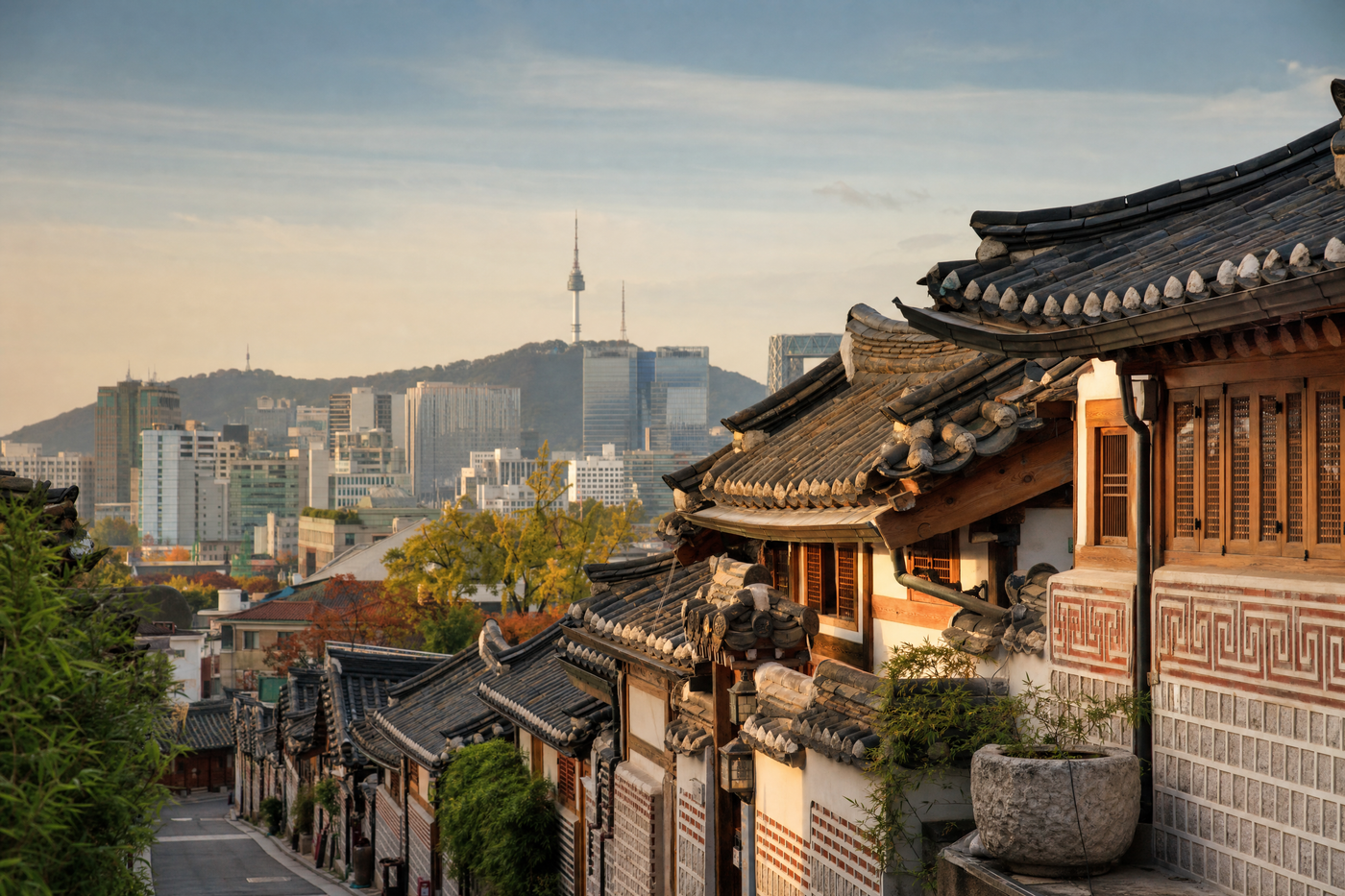
Seoul’s sheer size and diverse districts can make picking a hotel area overwhelming. This guide breaks down top Seoul neighborhoods by vibe, transport, safety, price, and travel style—helping you find the ideal place to stay, whether you’re a couple, family, or solo adventurer.
Understanding Seoul’s layout: a city of vibrant districts
Seoul is a sprawling metropolis bisected by the Han River and organized into dozens of unique districts, each with its own charm, amenities, and rhythm. Unlike compact European capitals, Seoul’s attractions are dispersed, making area choice especially important for visitors. No single neighborhood bundles all the city highlights, so where you base yourself will shape your daily plans as much as your budget or trip length.
Public transport is excellent, but what’s on your doorstep does matter. This guide simplifies the decision, helping you align an area with your priorities—be it shopping, heritage, nightlife, family comfort, or a quiet base. Read on for practical comparisons tailored to real trip styles.

Your trip deserves fewer tabs.
Start planning your tripMyeongdong: central, convenient, and shopping-focused
Myeongdong is Seoul’s retail and hotel heart, often recommended for first-time visitors. Packed with department stores, night markets, global and Korean brands, and a dizzying variety of street food, it’s lively into the evening yet safe and walkable. Myeongdong Station is on Line 4, and it’s an easy 20-minute walk to historical sights like Namdaemun Gate and Deoksugung Palace.
Who does it suit? Couples, friends, and families who want to be amid the action will appreciate Myeongdong’s centrality. Those seeking luxury to mid-range hotels are spoiled for choice. Downsides: it’s busy and touristy, and choices for budget accommodations are fewer than in Hongdae. Expect crowds, especially on weekends, but enjoy unmatched convenience for airport buses, metro, and airport lines.
Insadong & Jongno: tradition, culture, and city history
Insadong’s atmospheric alleys and the greater Jongno district immerse visitors in old Seoul. This is the epicenter of historic Seoul, with easy walks to Gyeongbokgung, Changdeokgung, Bukchon Hanok Village, Jogyesa Temple, and tea houses. Art galleries, quirky boutiques, and antique shops fill Insadong-gil and side streets.
Neighboring Jongno offers a broader spread of hotel options, often at reasonable prices. The area feels less overtouristed than Myeongdong but is busy by day. It’s well suited for culture-focused travelers, history buffs, and those after a more authentic vibe. Transit is excellent, with Jongno-3ga and Anguk Stations giving access to three key subway lines. Nights are quieter, and the neighborhood reputation for safety is strong.
Hongdae & Sinchon: creative, youthful energy and nightlife
Known for its indie spirit, local designer shops, music venues, cafés, and street performers, Hongdae is the ultimate pick for younger travelers and solos. It’s home to Hongik University and draws an international crowd. The nightlife is lively, with easy access to bars, clubs, themed cafés, and late-night eats. Sinchon, just one stop west, offers a similar university-town atmosphere with a slightly lower profile and more budget lodgings.
Transport is excellent—Hongdae and Sinchon both have direct airport railway lines, and Line 2 provides a fast orbit around central Seoul. Accommodation ranges widely, from affordable hostels and guesthouses to trendier boutique hotels. Safety is generally good, though late-night noise and urban bustle are higher than in heritage or family neighborhoods.
Gangnam: modern, upscale, and well-connected
South of the river, Gangnam is synonymous with luxury shopping, glassy skyscrapers, hot dining spots, and, of course, K-pop fame. Its business hotels and chic boutiques cater to a higher-budget crowd, but there are still dependable mid-range chains and several serviced apartments, popular with families and business travelers alike.
Gangnam Station (Line 2 and Shinbundang Line) is a major interchange, connecting you quickly north and south. Apgujeong and Sinsa areas are also sought-after, known for high-end retail and the stylish Garosu-gil lane. Who suits Gangnam? Well-heeled couples, business-focused visitors, return travelers seeking a different side of Seoul, or those keen on nightlife and nightlife safety. Expect a polished, cosmopolitan feel—though for palace-hopping or traditional markets, it’s less central than Myeongdong or Jongno.

Turn your travel ideas into a plan.
Start planning your tripItaewon: international flavor and diversity
Itaewon’s unique multicultural spirit sets it apart. Long a popular base for expats, diplomats, and LGBTQ+ travelers, it’s known for a global mix of restaurants, vibrant nightlife, and specialty shops you won’t find elsewhere. The hotel scene here is diverse—stylish boutique properties, international brands, and affordable guesthouses on quieter backstreets.
Connection to the rest of Seoul is straightforward with Itaewon Station (Line 6) and proximity to Central Seoul via bus or taxi. Safety is typical of central Seoul, though like all nightlife districts, late sharing of rides is advised. Itaewon suits those keen to mix with an international crowd, nighttime explorers, and foodies, as well as anyone prioritizing a location where English is more widely spoken. For families after quiet evenings, it may be too active at night, but the area around Namsan offers a calmer retreat nearby.
Budget, mid-range, and luxury: what your money gets you
Seoul’s accommodation market is broad but prices and experiences vary by district.
- Budget: Dorm beds and basic guesthouses can start from $15-30 USD/night—mainly in Hongdae, Sinchon, Dongdaemun, or near universities. Private hostel rooms are typically $35-60. Capsule hotels and motels (often called "love hotels") offer solid budget options, but families may prefer recognized hostel brands.
- Mid-range: Expect clean, comfortable hotel rooms in the $80-150 range in Myeongdong, Jongno, or around Dongdaemun. Some well-known international chains and stylish local hotels fall into this range, and you’ll find solid amenities and good transport access. Smaller boutique offerings are emerging outside Myeongdong.
- Luxury: Five-star international hotels, suites, and serviced apartments cluster in Myeongdong, Gangnam, and near Gwanghwamun, with prices from $200 upward. Extras like on-site spas, city views, and dining are standard. These areas are also best for business travelers seeking particular amenities.
Beware that weekend rates can spike, especially in busy seasons. Booking early gets better deals. Across all tiers, safety and cleanliness standards are high by global norms.
Best neighborhoods for families and kids
Comfort, access to child-friendly attractions, and quiet evenings are family travel priorities. While all of Seoul is relatively safe, some districts tick more boxes for those with children:
- Jongno & Bukchon: These areas place you near palaces, hands-on museums, and parks—plus many pedestrian lanes for easy stroller use. Family rooms are available at mid-range rates.
- Myeongdong: The dependable hotel and public transport options, plus lively street food, work well for active families, though nighttime quiet is limited. Watch for mid-high weekend rates especially in spring and autumn.
- Yeouido: On an island in the Han River, Yeouido is popular with locals for riverside bike trails, parks, picnic areas, and seasonal cherry blossoms. Several four-star business hotels here cater well to traveling families needing space and calm.
All districts offer safe streets and English signage in tourist cores. Playrooms, baby kits, and family amenities are more common at international brands and new business hotels.
Solo travelers: safe choices and vibrant spots to meet others
Solo travel is straightforward and generally safe in Seoul, especially near major transit stations and around universities. Look for well-rated properties in these standout areas:
- Hongdae: Casual hostels and social guesthouses make it easy to meet fellow travelers. Street events, weekly art markets, and community cafés help solos feel part of the scene without pressure. Vibrant nightlife is nearby but not unavoidable.
- Myeongdong: For a central base, safe streets, and easy night-time access to transport, Myeongdong’s hotels and capsule stays are a solid bet. If privacy and strong transit are priorities, it’s hard to beat.
- Itaewon: Particularly open to LGBTQ+ visitors, Itaewon has a robust hostel network and international crowd. The area’s relaxed attitude and mixed-dining scene let solo travelers blend in—though noise is high on weekends.
No matter where you stay, Seoul’s nightlife and café scene are welcoming to independent adventurers of all ages.
Short stays and layovers: smart picks for efficiency
If time is tight—perhaps you’re arriving late, leaving early, or have just 1-2 days—proximity to transportation matters more than sightseeing walkability. The best bets:
- Myeongdong/Namdaemun: Multi-line subway access and direct airport buses, plus a super-central location, allow maximum sightseeing in minimum time.
- Hongdae: The AREX rail to both Incheon and Gimpo International Airports stops here, making late arrivals or early flights painless. The bustling university setting can be noisy, but for a flying visit, convenience trumps quiet.
- Yeongdeungpo & Gimpo: Some airport hotels or business hotels near Gimpo Airport or Yeongdeungpo Station are optimized for transit travelers—clean, no-fuss, and efficient, though lacking city charm.
Late-night arrivals after public transit hours, or travelers with heavy luggage, can consider a taxi to central districts; Seoul taxis are licensed and reliable, if costlier than subways.
Safety notes and local guarantees
Seoul ranks among the safest cities globally for all traveler types. Violent crime is extremely rare. Street harassment is not a concern in most neighborhoods, and citywide CCTV coverage is high. However, there are factors to consider:
- Nightlife districts: Areas like Hongdae and Itaewon attract crowds well after midnight. Stay aware of your belongings and exercise standard precautions when moving alone at night, especially after last subway hours (midnight-1am).
- Side-street guesthouses: Some budget hostels are on dark alleys or upper floors with limited front-desk staffing. Solo travelers, especially women, may prefer busier streets or properties with 24-hour reception.
- LGBTQ+ travelers: Itaewon offers the most visible LGBTQ+-friendly setting; elsewhere attitudes are generally tolerant, but public displays of affection may attract attention in some districts.
Overall, trust well-reviewed properties regardless of star class, and use widely-available safe taxi apps if returning late.
How to choose: matching your trip with the right Seoul base
Narrowing your Seoul neighborhood choice is ultimately about balance—centrality, price, experience, and personal comfort. Couples might prioritize Myeongdong’s convenient romance, or Gangnam for swanky evenings. Families and history fans can pick Jongno or Bukchon for walkable palaces and accessible museums. Solos, especially those keen to meet others, gravitate to Hongdae’s social scene, while foodies and LGBTQ+ travelers are drawn to the global buzz of Itaewon.
Think about your must-see attractions—plot them on a map, then look for well-rated hotels or hostels nearby. Weigh travel time versus on-the-ground immersion. In Seoul, great transport links mean a wise area choice can maximize both convenience and the city’s signature experiences, helping you make the most of every night you stay.