Where to stay in San Francisco: neighborhoods, budgets and trip styles
 By Elena Hart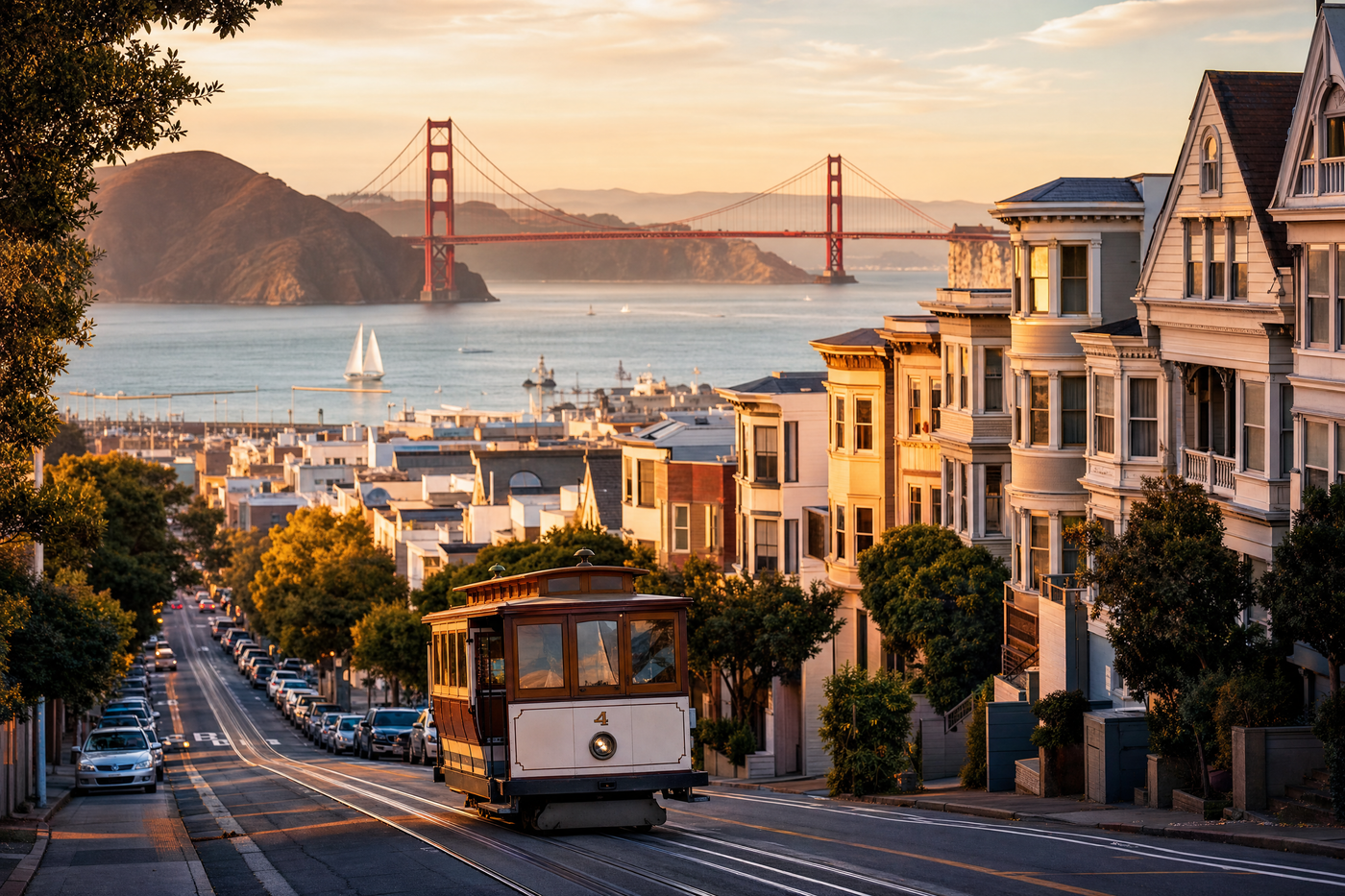
Discover where to stay in San Francisco with this neighborhood guide covering the best areas for couples, families, solo travelers, short visits, budget impacts, safety and transit tips.
Deciding where to stay: understanding the city’s layout
San Francisco compresses a dazzling array of experiences into relatively compact geography. The city is just under 50 square miles, but its steep hills, microclimates, and sharply defined neighborhoods make accommodation choice more important than it first appears. Most attractions, from Golden Gate Park to Fisherman’s Wharf, are within a 30-minute drive. Still, where you stay can dramatically impact your enjoyment, budget, and trip flow, especially since parking is scarce and traffic can be surprisingly dense.
Use this area-by-area breakdown to find which part of the city lines up with your travel style—whether you’re visiting as a duo, with kids, or on your own. Each neighborhood’s character, hotel prices, transit access and safety nuances are covered below.

Your trip deserves fewer tabs.
Start planning your tripUnion Square: classic hotels and central shopping
Who it suits: Couples, solo travelers, first-timers, and those prioritizing centrality and city energy.
Vibe: Busy, urban, and walkable, Union Square is the traditional hotel heart for visitors. Here, you’ll find a dense strip of hotel towers—ranging from historic grande dames to modern chains—alongside high-end shopping, theaters, and lively nightlife. Everything is tightly clustered, making it easy to get around on foot.
Budget tradeoffs: Union Square offers everything from mid-range chains to luxury icons like The Westin St. Francis, often at mid-to-high nightly rates. It isn’t the absolute cheapest, but deals at smaller boutique hotels do exist, especially midweek or outside conference season.
Transit access: BART, MUNI, multiple cable car lines, and easy rideshare pickups.
Safety notes: Expect urban grit. Homelessness is visible and the streets bustle late, though violent crime is rare. Use typical city awareness, especially after dark.
Fisherman’s Wharf: family fun and waterfront views
Who it suits: Families with kids, casual tourists, and those seeking iconic coastal sights.
Vibe: This is the theme-park side of San Francisco: think sea lions, souvenir shops, street performers, and easy access to ferries. The neighborhood encompasses Ghirardelli Square, Pier 39, and a slew of seafood restaurants. Most hotels are big and family-oriented—chains like Hyatt Centric and Marriott dominate, many with views of Alcatraz or the Golden Gate Bridge.
Budget tradeoffs: Room rates here can run high in summer, but considering the prime location and practical amenities (like larger rooms and included breakfast), value for families is solid. Few hostels or true budget options exist in this area.
Transit access: Highly walkable to the Embarcadero, cable cars, and streetcars; MUNI lines provide citywide connections.
Safety notes: Generally very tourist-friendly and well-patrolled, though pickpocketing can occur during peak seasons and at busy spots.
Nob Hill: elegant hotels and city views
Who it suits: Couples, special occasion travelers, those wanting architectural grandeur and calm.
Vibe: Crowned by old-money opulence, Nob Hill’s famed hotels—like the Fairmont, Intercontinental Mark Hopkins, and Stanford Court—offer sweeping city vistas and tranquil ambience. Its streets are quieter than Union Square’s, with good proximity to upscale restaurants and peaceful parks.
Budget tradeoffs: Nob Hill is mostly high-end. Expect to pay more for charm, views, and space, but the area’s impressive hotel lobbies and rooftop bars are real perks.
Transit access: Served by cable cars and major bus lines, but uphill climbs are significant. Rideshares can get expensive if used for every outing.
Safety notes: One of the city’s safer, more residential-feeling neighborhoods, especially at night.
Embarcadero & Financial District: efficient access and luxury
Who it suits: Business travelers, luxury seekers, and those catching ferries.
Vibe: Slick towers, modern amenities, and unbeatable Bay Bridge views define the Embarcadero and neighboring Financial District. Weekdays are busy with office traffic; weekends bring a quieter, more exclusive ambiance. Upscale hotels like the Hyatt Regency and Hotel Vitale are supremely comfortable bases, with Ferry Building food halls steps away.
Budget tradeoffs: These are some of the priciest hotels in San Francisco, but bargains occasionally appear over weekends or holidays when business travel drops.
Transit access: Excellent: BART, MUNI, ferries, streetcars, and easy freeway access.
Safety notes: Daytimes are low-risk. Nights are generally safe near hotels, though emptier streets warrant standard precautions.

Turn your travel ideas into a plan.
Start planning your tripSoMa: modern design and nightlife
Who it suits: Solo travelers, young couples, culture and nightlife fans.
Vibe: South of Market (SoMa) buzzes with trendsetting energy—art galleries, craft cocktail bars, major museums, and tech offices pepper the landscape. Boutique and loft-style hotels like the Proper and Virgin Hotels appeal to those favoring style over tradition. The Moscone Center anchors a steady stream of conventions and events.
Budget tradeoffs: SoMa’s rates swing considerably based on event schedules. Stylish, design-centric hotels can offer relatively good value when booking off-peak.
Transit access: BART and MUNI are accessible throughout, plus some walkability.
Safety notes: After dark, stick close to major streets; SoMa borders transitional areas, and issues with homelessness and open-air drug use can be more pronounced in certain blocks. Standard precautions recommended, particularly late and around quieter streets.
North Beach & Chinatown: cultural flavor and local charm
Who it suits: Couples, solo travelers passionate about neighborhoods and food.
Vibe: North Beach’s Italian heritage, sidewalk cafés, and bar scene blend seamlessly into Chinatown’s bustling markets and historic alleys. Boutique inns and B&Bs here are generally smaller but full of character. Staying in this area offers a more lived-in San Francisco feel, with bakeries and dim sum shops at your doorstep.
Budget tradeoffs: Boutique hotels and guesthouses can offer reasonable value, especially compared to major chains; book early for best options.
Transit access: Good: cable cars, buses, and some MUNI stops nearby.
Safety notes: Street life can be rowdy late at night, especially on weekends, but is safe with usual city awareness. The area stays lively into the evening.
Haight-Ashbury & the Castro: iconic culture and indie hotels
Who it suits: Cultural explorers, LGBTQ+ travelers, indie fans, repeat visitors.
Vibe: Haight-Ashbury remains faithful to its 1960s counterculture roots—think vintage shops, murals, and late-night coffeehouses. The Castro is the center of LGBTQ+ history in San Francisco, famous for its proudly bohemian atmosphere, classic movie theater, and friendly bars. Accommodation choices are primarily quirky inns, B&Bs, and a few casual boutiques.
Budget tradeoffs: Rates stay moderate, as options are generally small-scale and not as in demand as the tourist core. For best prices, book directly with small hotels.
Transit access: MUNI is reliable for downtown access but expect longer trip times and some hilly walks from stops.
Safety notes: Both neighborhoods are generally safe and community-oriented, though some streets can get lively—especially at night on weekends.
The Marina & Cow Hollow: relaxed stays and outdoor access
Who it suits: Active travelers, families, those with cars, and Golden Gate explorers.
Vibe: The Marina’s breezy, low-rise streets contrast the city’s bustle, offering proximity to the waterfront, Palace of Fine Arts, and Crissy Field’s outdoor trails. Mostly home to casual motels, boutique inns, and some stylish small hotels—many with free parking.
Budget tradeoffs: Lodging here caters to both mid-range and bargain-hunting visitors. Free or cheap parking is a rare city benefit, though rooms tend to be simpler and basic.
Transit access: Good bus connections to most sights, but less ideal if you plan to spend nights downtown.
Safety notes: Very safe, especially west of Van Ness Avenue. The vibe is quiet and residential, with a local playground and park culture.
Mission District & Hayes Valley: local life and boutique finds
Who it suits: Food lovers, creative couples, longer-term visitors, urban explorers.
Vibe: The Mission is famed for its vibrant murals, taquerias, and nightlife, while neighboring Hayes Valley charms with independent shops, beer gardens, and pastry cafés. These are distinctly local areas with a young, creative feel. Accommodation runs from boutique hostels to a handful of hipster chic inns and apartments.
Budget tradeoffs: The Mission and Hayes Valley offer some of the city’s best value for location and style, though options are fewer. Early booking is wise in high season.
Transit access: BART in the Mission, MUNI throughout.
Safety notes: Both areas are generally lively; take standard precautions at night, especially on quieter edges with nightlife spillover.
Safety, budget, and style: how to choose your fit
- For couples: Prioritize Nob Hill for romance and rooftop drinks, Union Square for classic amenities, or North Beach for neighborhood ambiance.
- For families: Fisherman’s Wharf is the standout—hotels are spacious, family packages common, and most attractions are nearby. Marina motels offer extra room and parking perks.
- For solo travelers: Union Square, SoMa, and the Embarcadero give easy transit and vibrant city life; North Beach offers community feel and great cafés.
- For short stays: Choose Union Square, the Embarcadero, or Fisherman’s Wharf for the quickest transit links to sights and airports.
- On a budget: Shop for deals in the Mission, Hayes Valley, or Marina/Cow Hollow. Hostels are concentrated in SoMa and the Tenderloin—the latter warrants extra street awareness.
Think about how you’ll use transit—BART and MUNI day passes provide cost-efficient access to almost every major sight. Prioritize neighborhoods with direct lines to your must-see attractions, and compare price differences if you’re flexible about vibe or commuting time.
Getting around: public transport and car considerations
San Francisco’s compactness and good public transportation mean a car is rarely necessary—and often more hassle than help in central districts due to high parking fees and tight traffic. Most visitors rely on a combination of BART (for airport and East Bay access), MUNI (streetcars and buses), and cable cars, which link tourist hot spots. 1-Day, 3-Day, and 7-Day MUNI passes offer great value if you plan to explore extensively.
If your plans include significant time in outlying neighborhoods, the Golden Gate, Muir Woods, or wine country, consider staying somewhere like the Marina (with free parking) and renting a vehicle for only those days. Otherwise, rideshare apps and taxis are widely available and can fill gaps between public transit stops, especially late at night or for cross-town hops.
Leave time for walking—San Francisco is a hilly city, but many of its neighborhoods are best explored at a strolling pace, with frequent stops for views, snacks, and local color. Picking accommodation that lets you balance urban discovery with your preferred level of activity is key to an enjoyable visit.