Where to stay in Rome: neighborhoods, budgets and trip styles
 By Elena Hart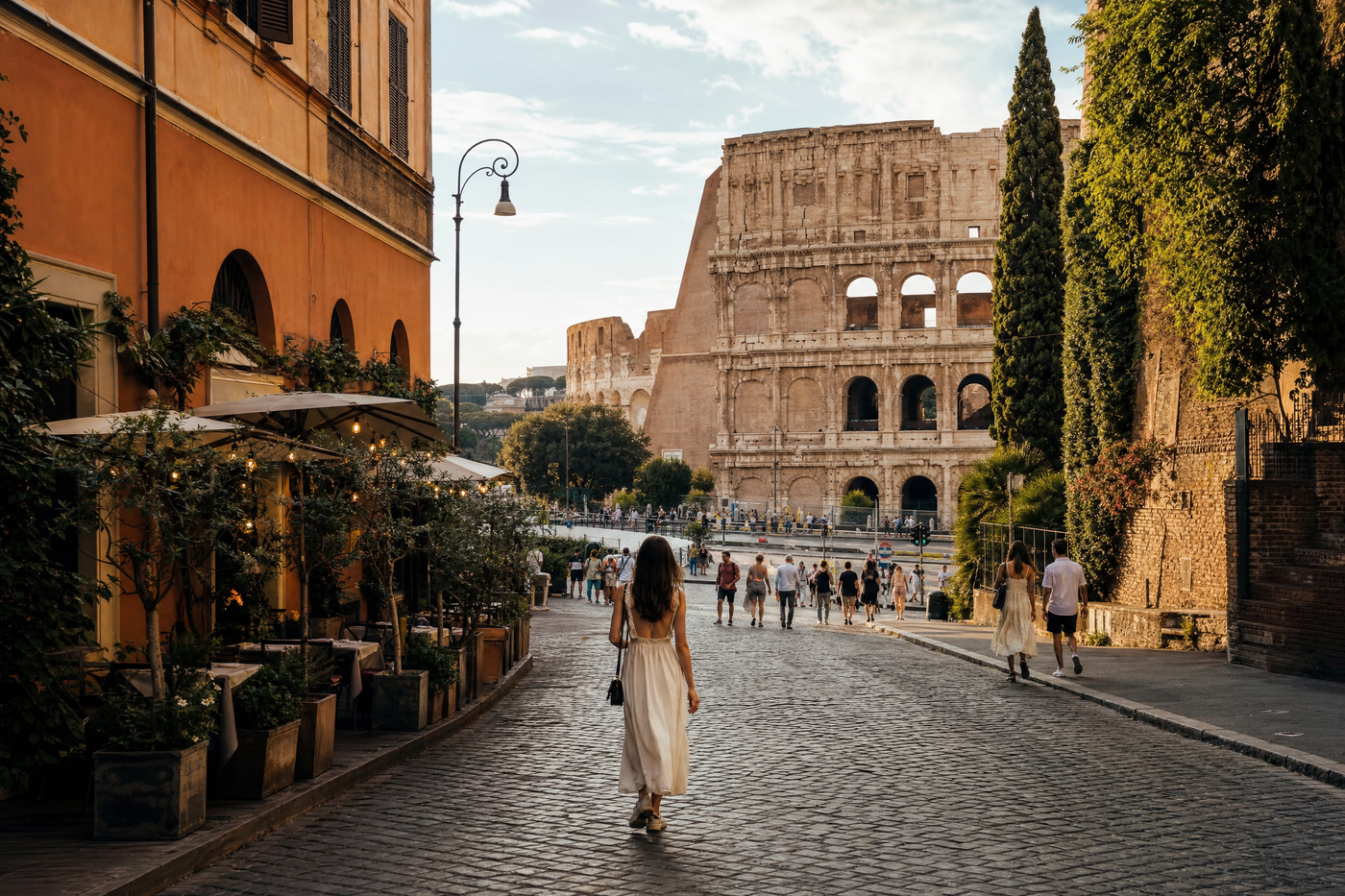
Choosing where to stay in Rome can shape your entire trip. This guide helps you compare the city’s top neighborhoods, outlining who each area suits best, expected budgets, safety, and access to key transport—so you can make the perfect choice for your style, whether you’re traveling as a couple, family, solo, or on a quick visit.
Deciding where to stay: overview for Rome visitors
Rome’s sprawling cityscape is a tapestry of ancient ruins, atmospheric streets, and lively neighborhoods—each with a distinct rhythm. Where you base yourself can impact everything from daily sightseeing routes to which local trattoria you’ll call your own. The city is divided into many areas, but a handful stand out for travelers, balancing authenticity, transport, and convenience. This article breaks down Rome’s most popular and practical districts for visitors, from historic cores to residential gems.
Whether you want romance, efficient connections to major sights, or a more tranquil stay, there’s a quartiere (neighborhood) for every style and budget. We’ll help you weigh options for couples escapes, family explorations, solo adventures, and quick weekdays in the eternal city.

Your trip deserves fewer tabs.
Start planning your tripThe Centro Storico: for classic Rome charm and convenience
The Centro Storico is Rome’s UNESCO-listed beating heart, bursting with cobbled lanes, baroque piazzas, and must-see monuments. Staying here puts you right amidst icons like the Pantheon, Trevi Fountain, and Piazza Navona—all within easy walking distance.
This area’s centrality makes it best for first-time visitors, couples seeking old-world ambience, and those with limited time. It’s a top pick for leisure travelers who want sights at their doorstep and love exploring on foot. Hotel prices reflect its popularity, and rooms tend toward boutique or luxury, though a few guesthouses hide in side streets.
- Best for: Couples, first-timers, travelers with packed sightseeing agendas
- Budget range: Mid to luxury (rare bargains; book well ahead for deals)
- Transport: Walking is easiest. Buses and taxis readily available; Metro stations at Spagna and Barberini on the edge
- Safety: Busy, central, well-patrolled, but watch for pickpockets in crowds
Centroid sights after sunset are magical, though nightlife is relatively low-key compared to Trastevere.
Trastevere: a bohemian haven for relaxed evenings
Ancient yet youthful, Trastevere is known for its artsy vibe and lively narrow streets whose evening glow draws locals and visitors alike. Across the river from the historic center, it’s packed with trattorias, small bars, boutiques, and creative energy. Cobblestones and ochre buildings set a warm, romantic stage.
Trastevere suits couples, groups of friends, and solo travelers wanting atmosphere and nightlife alongside authentic culinary experiences. The area is walkable, though some uneven ground may challenge families with strollers. Accommodation trends to boutique hotels, guesthouses, and apartments.
- Best for: Couples, friends, solo travelers, nightlife lovers
- Budget range: Moderate to upscale, but good value; more affordable than Centro Storico
- Transport: Tram 8 links to the city center; buses run to Termini and Vatican. Metro not handy
- Safety: Lively and generally safe, but crowds in the evenings require street smarts
Early mornings are quiet, and local bakeries offer a peaceful start before the city stirs.
Termini & Esquilino: Rome’s central station hub for practicality and budget stays
If convenience tops your list, consider the area surrounding Roma Termini station. The Esquilino district encompasses the station and its immediate streets, offering a wide range of hotels, many in the lower and mid-price range. It’s ideal for travelers arriving late, catching early trains, or focusing on value over atmosphere.
Termini’s well-connected nature makes it a logical base for multi-city itineraries or family groups needing easy transit. The trade-off is a less “Roman” vibe and, in some pockets, a busier and more functional urban landscape.
- Best for: Value-seeking travelers, families arriving late/departing early, short business visits
- Budget range: Budget-friendly to mid-range; best bargain rates in central Rome
- Transport: Metro A/B, all bus lines, frequent airport shuttles, trains to Florence/Naples
- Safety: Generally safe, though petty theft and street hawkers are common near the station. Choose hotels a few blocks away from the main entrance for more peace
Convenient markets, eateries, and multicultural flavor make Esquilino lively and practical for many travel styles.
Vatican & Prati: serenity near St. Peter’s, plus upscale shopping
The Vatican and Prati neighborhoods offer calm, leafy streets and easy access to the Vatican Museums, St. Peter’s Basilica, and the heart of the Catholic world. Prati feels elegant and less touristy, with wide boulevards, designer boutiques, and stately architecture.
This is a strong choice for families, pilgrimage groups, and those valuing a quieter stay that’s still well-connected. Prati’s grid layout is stroller-friendly, and hotels range from contemporary to traditional grand dames.
- Best for: Families, culture travelers, couples preferring calmer evenings
- Budget range: Mid-range to upper-end, but generally better value than Centro Storico
- Transport: Metro A (Ottaviano, Lepanto), frequent buses to the center and Trastevere
- Safety: Among Rome’s safest; residential and government presence means lower petty crime
Dining here is less touristy, with pizzerias and gelaterias favored by locals, especially after Vatican crowds depart.

Turn your travel ideas into a plan.
Start planning your tripMonti: trendy village feel at the Colosseum’s doorstep
Tucked between Termini and the Roman Forum, Monti is central yet distinct—a blend of bohemian ambiance, hip boutiques, independent cafes, and buzzing piazzas. Artisans and young creatives infuse this area with energy and authenticity.
Monti appeals to younger couples, solo travelers, and creative types wanting easy access to major ancient sites without the crowds of the immediate center. Hotels are stylish, often in refurbished historic buildings. Bars and restaurants are local favorites rather than tourist traps.
- Best for: Young travelers, creatives, solo visitors, small groups seeking nightlife and culture
- Budget range: Mid-range to boutique; trendier properties might be pricier
- Transport: Metro B (Cavour), popular sites all walkable, buses to Termini and beyond
- Safety: Generally safe, lively, minor petty theft can occur at busy bar nights
Monti is a smart base for those wanting to blend classic Rome with a sense of hip, lived-in community.
Campo de’ Fiori & Jewish Ghetto: atmosphere, authenticity, and culinary gems
This area south of Piazza Navona overflows with history. Campo de’ Fiori, by day a vibrant produce market and by night a hub of bar-hopping, sits beside the atmospheric Jewish Ghetto—Rome’s oldest, with kosher bakeries, ancient ruins, and a rich cultural legacy.
Stays here provide a deep sense of lived Roman history, as well as access to riverside walks and top dining. Accommodations tend to be boutique guesthouses and apartments, ideal for couples, foodies, and culture-focused travelers.
- Best for: Food-focused travelers, history lovers, couples, solo urban explorers
- Budget range: Mid-range to boutique; few large hotels, so book ahead
- Transport: Bus/tram connections, short walk to main sights; Metro less accessible
- Safety: Safe, vibrant, with low petty crime and active nightlife in the Campo
Evenings bring street music and cosmopolitan crowds, while daytime market routines feel wholly local.
Testaccio & Ostiense: authentic Roman life plus a culinary playground
South of the Aventine Hill, the Testaccio and Ostiense areas have long drawn food lovers and seekers of authentic Roman daily life. Testaccio, once a historic working-class district, is famed for its trattorias, open-air market, and lively nightlife. Adjacent Ostiense blends post-industrial cool with acclaimed street art and a dynamic dining scene.
Accommodation here ranges from affordable hotels to creative apartments—great for extended stays, budget-minded families, or solo travelers who want a slice of everyday Rome without the tourist crowds.
- Best for: Foodies, longer stays, young families, creative travel styles
- Budget range: Value-driven; deals and larger spaces compared to central Rome
- Transport: Metro B (Piramide), regional trains, direct bus/tram lines to the center
- Safety: Safe, laid-back, non-touristy atmosphere; exercise standard city caution
Night markets and riverside clubs add after-dark character, but local life here never feels stage-managed for tourists.
Villa Borghese & Parioli: leafy elegance for families and classic luxury
Northeast of the city center, the Villa Borghese park and neighboring Parioli quarter create a tranquil world of tree-lined avenues, embassies, and grand 20th-century villas. It’s ideal for visitors who want space, green escapes, and a slower city rhythm.
Families benefit from Rome’s best playgrounds, gardens, and access to the Borghese Gallery’s art treasures. Upscale hotels and classic luxury properties dot the area, though prices are generally lower than those of the historic center. Restaurants, though fewer, offer refined Italian fare.
- Best for: Families with children, mature travelers, art and park lovers
- Budget range: Upper-mid to luxury; bargains outside peak spring/fall
- Transport: Metro A (Flaminio), bus links; expect more walking for central sights
- Safety: Extremely safe, residential, low late-night activity
This is a breath of fresh air for those visiting Rome with a slower pace in mind.
Aventine Hill & San Saba: quiet romance and secret gardens
Tucked away on a hill overlooking the Tiber, the Aventine is one of Rome’s most elegant, serene, and story-rich residential districts. Famous for the ‘keyhole’ at the Knights of Malta, lovely basilicas, and orange-scented gardens, it’s a favorite for travelers seeking a restorative and private backdrop.
San Saba, adjacent to Aventine, offers a genuine neighborhood feel with a fraction of the crowds found elsewhere. Accommodation is sparse but select: boutique hotels, B&Bs, and charming apartments. The area is walkable, and evenings can feel a world away from the bustle of the city center.
- Best for: Romantic escapes, anniversary trips, spiritual reflection, couples desiring seclusion
- Budget range: Mid to upper, with few budget options
- Transport: Metro B (Circo Massimo, Piramide), local buses, ample taxis
- Safety: Extremely safe, peaceful residential atmosphere
The Aventine is ideal for travelers looking to balance city discovery and quiet retreat—perfect for soul-soothing strolls and panoramic city views.
Neighborhood comparison chart: at-a-glance for every trip style
- Centro Storico: Historic core, walk-everywhere convenience, higher prices, ideal for couples, safe but busy
- Trastevere: Artsy, vibrant nightlife, moderate costs, best for couples/friends/solo, lively at night
- Termini/Esquilino: Cheap, practical, great for families/late arrivals, urban feel, extra care near station
- Prati/Vatican: Elegant, family-friendly, quieter, mid/value, excellent Metro connections
- Monti: Hip, boutique, central, mid/boutique price, creative and younger feel
- Campo/Jewish Ghetto: Atmospheric, food-focused, mid-range, great local vibe, mostly safe
- Testaccio/Ostiense: Authentic, foodie, budget-savvy, lively but non-touristy, well-connected
- Villa Borghese/Parioli: Leafy, upscale, for families/long stays, luxury/upper-mid price, very safe
- Aventine/San Saba: Romantic, private, mid/upper, peaceful, ideal for anniversaries
Each neighborhood has unique trade-offs. Prioritize your must-haves: Is it walkable sights, genuine food, local residential ambiance, or rock-solid transport?
Tips for booking and staying safe in Rome’s neighborhoods
Once you’ve picked your neighborhood, a few practical steps can improve your stay. Book accommodation well in advance for peak seasons, especially April-June and September-October, as popular districts sell out early. Use official booking platforms or hotel sites to avoid scams. Double-check cancellation policies if your plans are flexible.
For safety, Rome is overall a welcoming city, but petty crime targets distracted visitors, especially in dense urban and transport hubs. Wear bags securely, avoid flashing valuables, and beware of crowded public transit at rush hours. The city’s tap water is reliable, and 24-hour pharmacies are easy to find. Romans are friendly—don’t hesitate to ask hotel staff for local advice or emergency contacts.
Research your area’s customs—some are quieter on Sunday nights or in August, when locals leave for summer breaks. If staying in an apartment, clarify check-in times and keys. And finally, relax: each Roman neighborhood has a rhythm; let it infuse your days and savor experiencing Rome both as a visitor and a local.