Where to stay in Provence: neighborhoods, budgets and trip styles
 By Elena Hart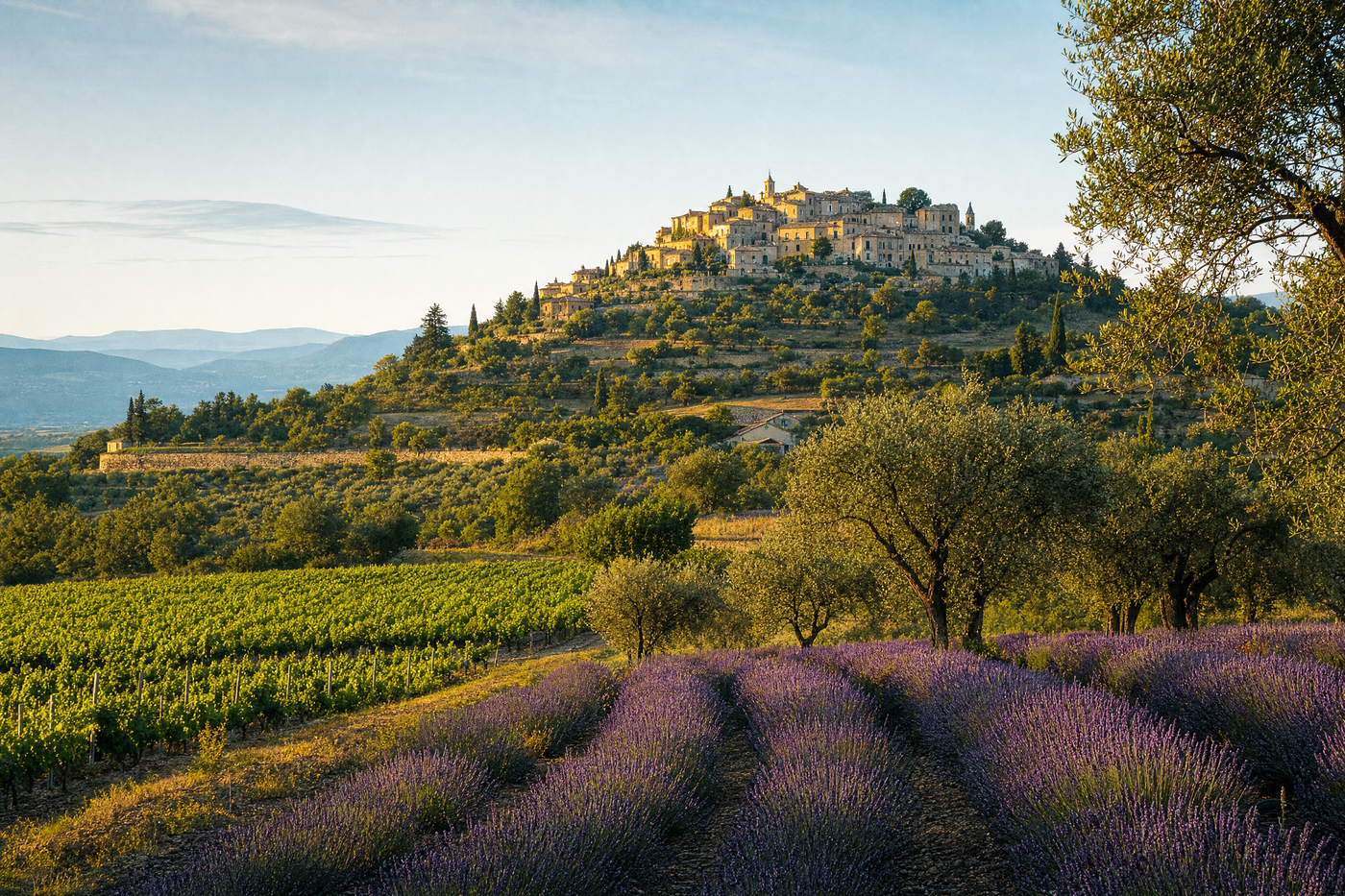
Choosing where to stay in Provence is central to the type of trip you'll have. This guide compares towns and districts by vibe, budget, and traveler type, with practical local and transport tips, so you can find the perfect match for your getaway.
Understanding Provence: a region of many experiences
Provence isn’t a single destination but an evocative region in southeastern France, fanning from ochre-hued Avignon and lavender-scented villages to the dramatic calanques near Marseille and the sunlit sophistication along the French Riviera. Whether you see yourself sipping rosé in hilltop hamlets or taking in art-filled cities, each area offers a unique rhythm, scenery and set of amenities.
This can make choosing where to base yourself both exciting and a bit daunting. Distances are more considerable than they appear on maps, and public transport has its quirks. Your pick will set the tone for how much you see, your budget, and whether you’re on Provençal backroads or in urban centers. Here, we break down popular Provence areas for various trip styles, along with insider transport and safety notes.

Your trip deserves fewer tabs.
Start planning your tripAvignon: best for culture lovers and historic atmosphere
Avignon, a UNESCO World Heritage city straddling the Rhône River, is famed for its medieval ramparts, grand squares and the Palais des Papes. If your dream Provence stay centers on soaking up history, theater and lively markets, the compact city center is hard to beat. Cafés and boutique hotels spill out onto cobbled streets, and everything downtown is walkable, from Les Halles market to the riverfront.
Who it suits: Couples, solo travelers, and first-time visitors seeking a balance of culture, comfort and convenience. Families can also find kid-friendly hotels and central apartments.
Transportation: Avignon TGV connects in under 3 hours to Paris. The city bus system is reliable, but car rentals are recommended for exploring the Luberon or surrounding villages.
Budget and safety: Boutique hotels can be mid- to high-range, but look for budget-friendly chambres d’hôtes or hostels just outside the walls. Avignon is safe; standard urban precautions apply late at night.
Aix-en-Provence: sophistication and Provençal lifestyle
Known for leafy boulevards, fountains and Cezanne’s artistic spirit, Aix-en-Provence is a desirable base for travelers who favor open-air markets, museums, and day-trips to vineyards or lavender fields. This university city offers a civil, walkable center and a cosmopolitan feel, especially in spring and summer when its café terraces buzz into the evening.
Who it suits: Couples, solo travelers and families who enjoy urban comforts, shopping, and frequent access to regional buses and day tours.
Transport: The Aix TGV station is 20 minutes outside town (shuttle service runs frequently). Within Aix, you can get by easily on foot; day-trip buses link to the Luberon and Marseille.
Budget and safety: Accommodation runs from chic boutique hotels to mid-range apartments. While central, prices rise sharply in festival season (July). Aix is generally very safe; pickpocketing is uncommon but always keep an eye on belongings in busy markets.
Marseille: vibrant port city for urban explorers
France’s second city, Marseille marries Mediterranean dynamism with historic grit. You’ll find art-filled neighborhoods (Le Panier), colorful Old Port life and access to the iconic Calanques National Park. Marseille offers a dizzying range of hotels, from luxury sea-view options to modern hostels; it’s a great base for culture seekers who want a local, energetic vibe.
Who it suits: Couples, groups of friends, solo travelers, urban fans. Families might prefer quieter neighborhoods or nearby Cassis.
Transportation: Two metro lines, an efficient tram, and direct train links to Paris, Aix, or Nice. The airport offers low-cost European flights. Ferries connect to the islands and North Africa.
Budget and safety: Accommodation covers all price points. Staying central (Vieux-Port, Opéra) means easy access and safer surroundings. Some districts further north have higher petty crime rates— opt for reputable areas and avoid deserted spots after dark.

Turn your travel ideas into a plan.
Start planning your tripArles: Roman heritage and artistic flair
Arles is a compact, atmospheric city known for its impressive Roman amphitheater, lively arts festivals and a quintessentially Provençal pace. Its charming stone alleys, excellent museums, and Van Gogh connections make it an especially appealing base for travelers craving heritage and local color — but with a more relaxed feel than busier cities.
Who it suits: Culture buffs, couples, older travelers, and families interested in Roman history and a gentler tempo.
Transport: Direct trains to Nîmes, Avignon and Marseille make regional exploration practical. You can manage without a car in the city, but one is useful for day-trips to the Camargue or Les Alpilles villages.
Budget and safety: Accommodation skews mid-range, with a few charming guesthouses. The city center is safe, though quieter at night than busier hubs.
The Luberon: classic villages for scenic stays
The Luberon, dotted with hilltop villages like Gordes, Roussillon, and Ménerbes, delivers the picture-postcard vision of Provence — stone houses, lavender fields, bustling weekly markets. Here, the slower pace and panoramic landscapes attract those seeking charm and tranquility. Accommodations are often small hotels, B&Bs, and rural rentals with pools.
Who it suits: Couples and families seeking a retreat or romantic escape, and anyone wanting easy access to trails, markets and vineyards.
Transportation: Public transport is limited; most travelers rent a car for flexibility. Some bus routes link Apt or Cavaillon to larger rail stations, but not all villages have services.
Budget and safety: Lodging runs mid- to high-range, especially in summer. Rentals can be more affordable off-season. These villages are very safe, especially for families, but occasional tourist scams (e.g., overpriced souvenirs) are possible.
Saint-Rémy-de-Provence and the Alpilles: for Provencal charm and markets
Saint-Rémy boasts a beguiling main street, ancient ruins, and storied ties to Van Gogh. Surrounded by the Alpilles mountains, it’s a favorite with travelers after artisanal shops, bustling market days and a rich restaurant scene. The town feels lively but never overwhelming, blending authenticity and visitor comfort.
Who it suits: Couples, food lovers, older travelers, and families wanting a base for cycling, hiking or culinary exploration.
Transportation: Local buses run to Avignon and Arles, but a car is best for full flexibility or exploring surrounding Alpilles villages.
Budget and safety: Lots of rental cottages and boutique hotels, with some family-friendly options. Prices are moderate to high in peak periods. Town is very safe and friendly; usual small-town cautions apply.
Cassis: the Calanques coast for sea lovers
Cassis, perched between cliffs and turquoise inlets, is a compact harbor town ideal for travelers wanting sea views, boat trips, and outdoor adventure. Its sandy beaches, seafood bistros, and pastel streets offer a gentle coastal alternative to busy Marseille, especially outside peak summer. Accommodation is mostly small hotels or rentals, with a few upmarket splurges for honeymooners.
Who it suits: Couples, solo travelers, and families who favor swimming, kayaking, or hiking. Also recommended for anyone wary of big city bustle.
Transport: Trains run regularly to Marseille (30 minutes) and Toulon. The station is 2km from the port (local bus or taxi recommended; walking is uphill).
Budget and safety: Accommodation is mid- to high-end, especially beachfront. Book early in summer. Cassis is very safe, with a relaxed nightlife; take normal care on hiking paths and at sea.
Uzès: a fairytale town on the Gard
Uzès flies under the mainstream Provence radar but rewards with honey-hued arcaded squares, a foodie market, and winding lanes. It’s worthy as a peaceful base for both countryside rambles and day-trips to the Pont du Gard or Nîmes. The slower pace appeals to travelers with time and those sensitive to crowds.
Who it suits: Couples, families and older travelers preferring a tranquil, elegant stay. Strong choice if you plan to rent a car and self-cater.
Transport: Public buses run to Nîmes (the nearest rail hub), but car rental is the practical option for sightseeing flexibility.
Budget and safety: Expect mid-range hotels and well-equipped apartments. Rates are very competitive outside July-August. Town is quiet, welcoming, and extremely safe. Note shops and markets may close afternoons.
Northern Provence: low-key villages and countryside escapes
The Drôme Provençale and Vaucluse areas (Grignan, Nyons, Vaison-la-Romaine) offer lush countryside, olive groves, and historic hill towns away from tourist clusters. These villages — less trafficked yet steeped in tradition — are perfect for travelers wanting a sense of rural France and authentic market life. Accommodations are typically rustic gîtes, farm stays and modest hotels.
Who it suits: Families, slow-travelers, writers, and anyone eager for serene landscapes and fewer crowds.
Transportation: Car hire is essential; public buses are patchy and routes are limited, especially off-season.
Budget and safety: Lodging is budget to mid-range, with bargains in shoulder months. These areas tend to be extremely safe, but village services (shops, restaurants) may close twice weekly or on Sundays.
Planning Provence by budget: what to expect
- Budget (<€100/night): City hostels (Marseille, Avignon), rural chambres d’hôtes, basic gîtes in quiet villages, and off-season deals. Self-catering helps save on food.
- Mid-range (€100–€200/night): Boutique city hotels (Arles, Aix), harbor-view rooms (Cassis, Uzès), family-run B&Bs in Luberon or Alpilles, and apartments in lively quarters.
- Luxury (€200+/night): Elegant poolside chambres (Gordes, Saint-Rémy), designer retreats in the Luberon or Riviera, high-floor city suites, and full-service resorts, especially in high summer.
Overall, prices spike from late June to August and during festivals. Booking several months in advance or visiting May/September yields the best value. Note that smaller properties can fill quickly in popular villages—plan ahead for the best options in your price range.
Neighborhood quick-glance: area chart for easy planning
- Avignon: Great transit base, walkable, lively culture, best for short stays and festivalgoers.
- Aix-en-Provence: Upscale, romantic, easy day-trips, frequent public transport, pricier in season.
- Marseille: Urban energy, diverse food, excellent rail/air links, city safety caveats.
- Arles: Compact, art/history focus, relaxed, easy rail links.
- Luberon villages: Idyllic, rural, car needed, scenic, peaceful—perfect for longer stays.
- Saint-Rémy/Alpilles: Culinary, boutique shopping, rural nearby, easy car trips.
- Cassis: Coastal, for active travelers, great hiking/swimming, limited accommodations.
- Uzès: Quiet, elegant, best for longer visits and countryside trips by car.
- Northern Provence villages: Off the grid, tranquil, affordable, highly authentic.
Consider your priorities: do you favor public transit or scenic backroads? Do you prefer city buzz or slow village mornings? Matching your location to your trip style is the Provençal secret to a memorable stay.