Where to stay in Portland: neighborhoods, budgets and trip styles
 By Elena Hart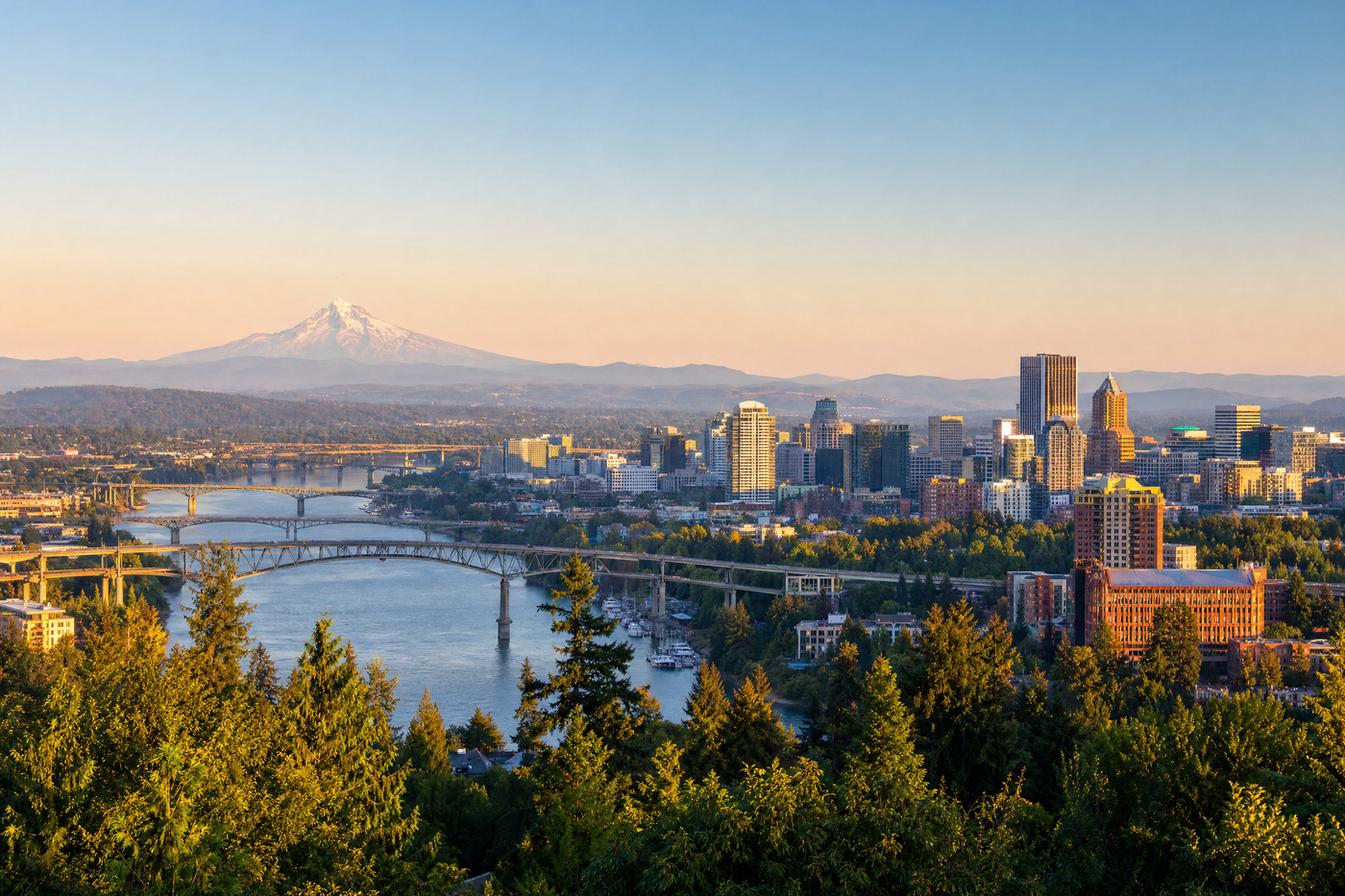
Deciding where to stay in Portland can shape your trip. This area guide compares neighborhoods, transport, budgets, and ideal match for solo travelers, couples, families, and short stays—plus local safety and travel strategies.
Understanding Portland’s neighborhoods
Portland, Oregon offers a distinctive mix of neighborhoods, each with its own atmosphere, amenities, and local color. Choosing between lively downtown high-rises, artsy enclaves, or family-friendly districts shapes your experience in the city. As the city is compact but full of micro-locales, it pays to do a little homework before booking your hotel.
This article compares six main areas visitors consider for accommodations: Downtown, Pearl District, Northwest/Nob Hill, Eastside (Lloyd and inner Southeast/Inner Northeast), the Alberta Arts District, and the South Waterfront. For each, you’ll find insights on who fits where, access to transport, price ranges, and practical safety notes—tailored to leisure travelers.

Your trip deserves fewer tabs.
Start planning your tripDowntown Portland: convention hub and city core
Downtown Portland is the heart of the city’s business and cultural action. Towering glass hotels stand alongside historic buildings, with countless coffee shops, trendy boutiques, major theaters, and the city’s top museums within walking distance. Landmarks like Pioneer Courthouse Square and Tom McCall Waterfront Park are right at your doorstep.
This area is perfect for visitors wanting easy transit access, walkability, or a central base for day trips. It’s the best location for travelers attending conventions, business meetings, or short city breaks. Local buses, light rail (MAX), and the streetcar converge here, making airport or neighborhood hops straightforward.
On the budget spectrum, expect moderate to high nightly rates, though you might find deals on weekends. Note that while parts of downtown have struggled with increased homelessness in recent years, most tourists report feeling safe, especially during daylight. Like any urban core, exercise caution after dark and secure valuables.
Pearl District: upscale, artsy, and highly walkable
The Pearl District sits just north of downtown, renowned for its chic converted warehouses, art galleries, indie bookstores, and upscale restaurants. It’s Portland’s epicenter for luxury brand boutiques and contemporary design, paired with leafy parks like Jamison Square—a rare green oasis in this urban zone.
Staying in the Pearl suits couples seeking a romantic city escape, culture fans, or anyone who loves browsing galleries and tasting Portland’s famous food scene. Hotel prices here trend on the higher side; expect mostly boutique and national luxury brands, though a few midrange options exist. It’s a very walkable neighborhood, with streetcar service linking you to downtown and the eastside in minutes.
The Pearl sees minimal safety concerns and is considered one of Portland’s safest and most visitor-friendly areas at any time of day, contributing to its popularity for first-time travelers.
Northwest/Nob Hill: leafy, lively & charming for families
Northwest Portland (often called Nob Hill or the Alphabet District) is characterized by Victorian homes, tree-lined streets, and a lively mix of shops, gastropubs, and cafés along NW 21st and 23rd Avenues. It’s ideal for families or groups seeking a slightly quieter and more residential feel, but still close to central attractions.
Here you’ll find intimate boutique hotels, modestly priced guesthouses, and a handful of national chain properties. Rates can be friendlier to mid-budget travelers than in the Pearl District. It’s a short hop on the streetcar or a pleasant walk to downtown, with excellent bus connections and relatively easy parking compared to the city center.
Safety in Nob Hill is generally excellent, making it a top pick for families with young children. The neighborhood’s laid-back environment is a relief after a day of sightseeing, with leafy parks a block or two from most lodgings.
Lloyd District & inner eastside: practical and efficient
If convenient transportation, value, and accessibility matter most, consider the Lloyd District and Inner Eastside. The Lloyd District boasts major chain hotels near the Oregon Convention Center, Moda Center (home to the Trail Blazers), and Lloyd Center shopping mall. Lodging here caters well to business travelers, families attending events, and anyone planning day trips via transit.
The area links directly to the airport and downtown via frequent MAX light rail service (Yellow, Red, and Green Lines). Nightly costs range from budget to midrange, with large rooms and on-site parking often more affordable than westside equivalents. Dining options are practical rather than trendy, with plenty of fast-casual chains and a handful of favorite local standbys nearby.
The Lloyd and Inner Eastside have an urban character, though most visitors feel comfortable here. As with downtown, it’s wise to stay alert at night and stick to well-traveled routes, but the main hotel corridors are considered safe.

Turn your travel ideas into a plan.
Start planning your tripAlberta Arts District: creative, relaxed, and local
Portland’s Alberta Arts District, just northeast of downtown, offers a creative, laid-back alternative packed with colorful murals, independent shops, and some of the city’s most celebrated brunches. There are fewer traditional hotels here; accommodations skew toward B&Bs, small inns, and home-stay rentals where you may share a block with artist studios and community gardens.
This neighborhood attracts solo travelers, couples, and anyone wanting to tap into Portland’s hyper-local, creative spirit. Prices are varied: home-stay rentals can be good value or splurge-worthy depending on amenities, while inns offer midrange rates. There’s no direct light rail, but reliable bus lines and bike infrastructure connect Alberta to downtown in about 20 minutes.
The neighborhood generally feels safe, welcoming, and neighborly—though as with any lively, nightlife-friendly zone, expect more activity into the evening hours.
South Waterfront: modern, quiet, and nature-accessible
South Waterfront is a sleek, riverside district just south of downtown with modern high-rise hotels and direct views of the Willamette River. This area is favored by those seeking quiet, newer accommodations, often with amenities like fitness centers and riverfront walking paths. Access to the OHSU Aerial Tram connects visitors to the city’s top medical campus and panoramic city views.
If you’re planning to split your time between downtown and exploring nearby nature—Oaks Bottom Wildlife Refuge and riverfront parks—the South Waterfront makes logistics simple. Although options tend toward mid- and upper-range nationally branded hotels, deals can be found, especially off-peak.
Public transportation is excellent: the MAX Orange Line links the district with downtown and southeast Portland, supplemented by buses and the streetcar. It’s quiet after dark but well-lit and well-patrolled, yielding few safety worries for travelers.
Neighborhood comparison at a glance
- Downtown: Urban energy, major attractions, great transit. Suits business travelers, convention visitors, short-term stayers. Moderate to high prices.
- Pearl District: Upscale, artsy, safe, packed with galleries and great dining. Best for couples, design and food fans. Higher price points.
- Northwest/Nob Hill: Leafy, family-friendly, lively shopping streets. Good for groups, families, longer stays. Mid to upper-moderate rates.
- Lloyd/Inner Eastside: Efficient, value-focused, excellent event and transit hub. Works for families, business, budget travelers. Lower to midrange rates.
- Alberta Arts District: Quirky, creative, locally driven. Great for solo travelers, creatives, B&B or vacation rental seekers. Prices vary.
- South Waterfront: Modern, riverside, peaceful vibe. Ideal for those visiting OHSU or prioritizing nature access. Mid to upper range rates.
Every area has its own balance of location, access, price, and character. The right fit depends on your trip style and what you value most on vacation.
Understanding Portland transportation
Portland’s reputation as a transit-friendly city is well earned: the MAX Light Rail, TriMet buses, and the downtown Portland Streetcar system offer seamless connections between major neighborhoods. The airport Red Line MAX stops at the Lloyd District and downtown; the streetcar traverses from South Waterfront to the Pearl and Northwest.
Frequent service means you can stay car-free, especially in centrally located neighborhoods. For farther-flung areas, such as Alberta Arts District, buses fill the gap—expect rides of 20-30 minutes from downtown. Biking is also extremely popular, with dedicated lanes and bike-share services available citywide.
If you plan to drive, consider hotel parking costs and traffic during rush hour. Many central and newer hotels offer secure parking, but street parking can be competitive and metered. Districts like Pearl, downtown, and Lloyd stand out for transit; outlying and creative hubs require more transit planning but reward travelers with unique experiences.
Budget considerations and trade-offs
Portland’s hotel rates are moderate compared to coastal West Coast cities, but prices spike during summer weekends, major conferences, and big events. Downtown and the Pearl District typically command the highest rates, especially at modern brand hotels and boutique properties.
For those watching costs, the Lloyd District, Inner Eastside, and Northwest offer the greatest range of mid-priced hotels, chain options, and sometimes breakfast included. Alberta and other creative neighborhoods often mean renting a room or apartment—good for longer stays or splitting costs with friends, but less predictable in quality and amenities.
Consider trade-offs, such as sacrificing luxury for prime location or using public transit instead of paying for central parking. Booking at least a few months out, especially for summer or big festivals, usually nets the best prices and selection.
Safety notes: what to know before you book
Portland’s neighborhoods are generally safe for visitors, and most crime in the city is non-violent property crime or petty theft. Downtown, Lloyd, and the Eastside have seen increased visibility of people experiencing homelessness; while this rarely impacts visitor safety, common sense practices apply.
- Stay aware of your surroundings, especially at night.
- Use hotel safes or keep valuables secure.
- Ask front desk staff about routes and safety if returning late.
Neighborhoods like the Pearl District, Nob Hill, and South Waterfront are especially low-risk for visitors. Creative eastside areas, while safe and inviting by day, can be active after dark, so stick to well-lit streets and transit stops. Portland’s traveler-friendly culture makes most guests feel quickly at home.
Matching Portland stays to your trip style
For couples, the Pearl District and Northwest/Nob Hill offer romance, great walks, and access to nightlife while remaining quiet after hours. Families thrive in Nob Hill, Lloyd, and South Waterfront—plenty of space, easy transport, and parks. Solo travelers enjoy Alberta Arts or central hotels with walkable coffee shops and transit.
For a short city break, downtown ensures maximum convenience. Nature-lovers and wellness travelers might prefer the South Waterfront or a creative corner with access to parks and bikeways. Mixing areas is also possible—a couple of nights in central Portland, followed by a few nights in a creative neighborhood, reveals the city’s breadth.
The right Portland base depends on a clear sense of your priorities: proximity to attractions, feeling integrated in local life, sticking to a budget, or maximizing comfort. The city’s range of distinct, welcoming neighborhoods ensures a stay tailored to any travel style.