Where to stay in Patagonia: neighborhoods, budgets and trip styles
 By Elena Hart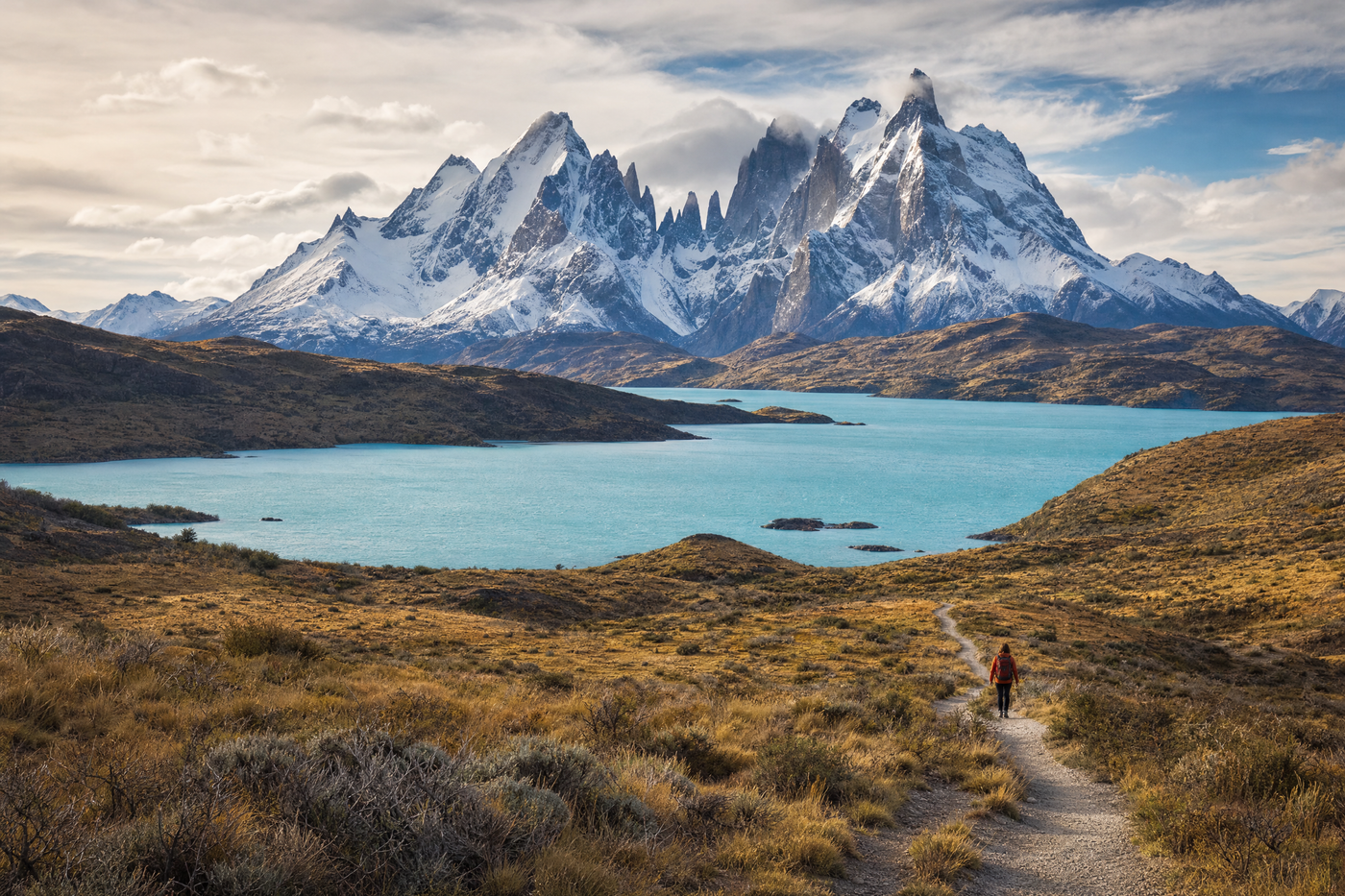
Patagonia’s vast wilds offer unforgettable landscapes and adventure, but travelers face a unique challenge: choosing where to stay. This guide helps couples, families, solo adventurers, and short-stay visitors pick the best Patagonian neighborhood for their budget and stay style, balancing access, atmosphere, and practical tips.
Regional overview: Gateway cities and park towns in Patagonia
Patagonia, straddling Chile and Argentina, stretches from the windswept steppe of the north to glacier-flanked fjords in the south. Where you stay shapes your entire experience. Most travelers land in major gateway cities—El Calafate, Ushuaia, Bariloche, and Puerto Natales—or choose remote park towns or estancias (ranches) for immersion in wild nature. Each hub offers distinct access, local culture, and accommodation types. Your perfect base depends on activity focus, budget, and travel pace.
In this guide, we’ll break down the leading neighborhoods and hubs across Argentine and Chilean Patagonia, highlighting transport links, amenities, budget ranges, safety, and unique vibes. Whether you want to trek, cruise, or simply soak up epic scenery, you’ll find an area suited to your goals.

Your trip deserves fewer tabs.
Start planning your tripEl Calafate: Best base for glacier excursions
El Calafate is the main gateway to Argentina’s Los Glaciares National Park, most famously the Perito Moreno Glacier. The compact town center is lined with shops, lively bars, and a broad mix of hotels—from hostels to boutique lakeside stays. Located on the edge of Lago Argentino, it’s ideal for day tours into the park and for accessing ice trekking and boat trips.
Who it suits: El Calafate offers easy logistics for couples, families, and solo travelers on all budgets. Its small size and walkability appeal to first-timers and those who value comfort or want to maximize limited time.
Transport access: A small regional airport connects to Buenos Aires and Bariloche; private bus lines serve Puerto Natales and El Chaltén daily. Most key sights are reached by organized tours or car rental.
Budget/safety notes: El Calafate ranges from budget hostels ($) to luxury hotels ($$$). It is safe and very tourist-friendly, with a low-key nightlife and minimal petty crime; book ahead in high season (Nov-March).
El Chaltén: For trekkers and adventure seekers
Set at the foot of iconic Mount Fitz Roy, El Chaltén is Patagonia’s trekking capital. This small, outdoorsy village offers instant trail access—many major day hikes start from the town’s edge. Accommodation is diverse: cozy guesthouses, rustic hostels, eco-lodges, and small hotels. The pace is laid-back, and many travelers come specifically for the hiking and mountain atmosphere.
Who it suits: El Chaltén is the best choice for hikers, solo adventurers, and budget-minded couples. Families seeking world-class scenery with walkable hikes will also feel at home.
Transport access: No airport; buses from El Calafate (3 hours) are the primary access. No car needed within town—everything is walkable.
Budget/safety notes: El Chaltén is cost-effective but limited in luxury options. Grocery stores and cafes are basic. It’s a welcoming, safe place with a community vibe, but book early as rooms fill quickly during trekking season (Oct-April).
Punta Arenas: Gateway to Patagonia’s far south
Punta Arenas is the largest city in southern Chilean Patagonia, facing the Strait of Magellan. Its historic core blends colorful houses, museums, and shops; the waterfront bustles with activity. As a logistical hub for Antarctic cruises, Magellanic penguin tours, and Torres del Paine transfers, it offers something for many travel styles.
Who it suits: Families and travelers connecting to cruises or flights, culture lovers interested in Patagonian history, and those wanting a city stay before venturing to remoter areas.
Transport access: Major regional airport with flights to Santiago, Puerto Natales, and even Antarctica. Bus terminals serve Puerto Natales, Ushuaia, and north along the Carretera Austral.
Budget/safety notes: Wide accommodation spectrum—from budget hostels to comfortable city hotels. Safer than most Latin American cities, with precautions advised in main plazas after dark.
Turn your travel ideas into a plan.
Start planning your tripPuerto Natales: The Torres del Paine launchpad
Puerto Natales is a scenic port town overlooking the Ultima Esperanza Sound, an essential stop for Torres del Paine National Park. The town mixes old fishing architecture with trendy cafes and gear shops. Lodging options include charming hosterías, family-run B&Bs, and modern hotels, most within walking distance of the waterfront.
Who it suits: Ideal for park-bound travelers (solo, couples, or groups), families wanting grocery stores and medical access, and those keen on a relaxed, friendly vibe. Nightlife is minimal.
Transport access: Regional airport (limited flights from Santiago and Punta Arenas); regular buses from Punta Arenas and El Calafate. Numerous outfitters arrange park transfers and tours.
Budget/safety notes: Mid-range priced; dorms and basic hostels are available, but the vibe is less budget-focused than El Chaltén. Very safe and walkable, even after dark; seek advanced bookings from November to March.
Bariloche: Patagonian lakes and chocolate town
San Carlos de Bariloche sits on the shores of Lake Nahuel Huapi, backed by snowy peaks. It’s an all-seasons destination—a ski capital in winter and a hiking and chocolate hotspot in summer. The downtown Centro Civico and Mitre Street are lively, with restaurants, bars, and chocolaterías. The surrounding Llao Llao Peninsula and hills offer secluded upscale lodges and cabins.
Who it suits: Couples seeking romance, active families, foodies, and anyone wanting urban comforts within reach of nature. Also great for short stays with flight connections.
Transport access: Major regional airport (frequent flights from Buenos Aires and Chilean cities); bus service along the lake region and neighboring towns.
Budget/safety notes: Bariloche caters to all budgets—from backpacker dorms to five-star resorts. Centro is safe but bustling; outlying neighborhoods offer quiet luxury with better views, though less nightlife.
Puerto Varas and the northern lakes district
Puerto Varas, on the Chilean side, is a charming, German-influenced town on Lake Llanquihue, under the volcanoes of the Lake District at Patagonia’s northern tip. Known for its wooden houses, slow pace, and lakeside promenade, it’s a mellow base for day hikes, volcano ascents, and lakeside relaxation.
Who it suits: Families with young kids, couples looking for restful stays, culinary travelers, and those preferring milder Patagonian weather.
Transport access: Served by Puerto Montt’s airport (20 minutes away by taxi or shuttle) with connections to Santiago; regular bus and ferry networks access parks and neighboring villages.
Budget/safety notes: Accommodation ranges from family-run guesthouses to riverfront hotels. The town is relaxed and very safe, ideal for self-guided walks and bike rides.
Staying inside national parks: Wilderness lodges and remote refugios
- Inside Torres del Paine: The park itself has a patchwork of refugios (shared mountain lodges), luxury glamping domes, and wilderness lodges. Most are clustered along the “W” and “O” trekking circuits. Bookings must be made months in advance. Amenities are basic in refugios but unforgettable for nature access.
- In Los Glaciares National Park: Rustic estancias near Perito Moreno or in remote valleys offer unplugged immersion and traditional Patagonian hospitality. You’ll need private transfers or rental cars to reach these remote spots.
Staying in or near the parks is unbeatable for trekkers or couples seeking privacy and nature. However, tradeoffs include higher costs, limited services, basic food options, and often no phone signal. Safety is excellent, though prepare for self-reliance in emergencies.
Small-town Patagonia: Gaiman, Trevelin, and regional gems
While Patagonia’s main hubs draw most visitors, scattered small towns offer a different rhythm and local immersion. Gaiman (famous for Welsh tea houses) and Trevelin (a picturesque former Welsh settlement) near Esquel add charm for road-trippers in northern Patagonia. Coyhaique and Futaleufú in Chile’s Aysén region appeal to fly-fishers, kayakers, and those avoiding crowds.
Who it suits: Independent travelers, road-trippers, and families interested in agritourism or regional culture.
Transport access: These towns require longer bus connections, rental cars, or slow scenic drives; some have small airstrips.
Budget/safety notes: Mid-range guesthouses and B&Bs prevail, often with bilingual hosts. All are notably safe, but limited medical services mean travelers should plan accordingly.
Cost breakdown: Typical accommodation rates by Patagonian region
- Budget hostels/shared dorms: $15-$35/night (towns)
- Guesthouses/mid-range hotels: $40-$120/night (towns, small cities)
- Cabañas/whole condos: $70-$170/night (especially in Bariloche and Puerto Varas)
- Park refugios or camping: $20-$80/night (refugios with basic breakfast; campgrounds run $8-$20/tent spot)
- Luxury lodges: $220-$600+/night (usually outside or inside parks, often all-inclusive)
Staying in remote or wilderness areas usually spikes costs, especially during peak trekking or summer holiday months (Dec-Feb). Expect a seasonal surge and limited last-minute options—but towns offer increased flexibility and the chance to self-cater for savings.
Transportation tips: Accessing your Patagonian base
Reaching Patagonian hubs can be part of the adventure. Most towns are linked by a web of regional airports, cross-border bus services, and—less commonly—ferry lines along the Chilean fjords. Rental cars provide vital flexibility for exploring beyond towns, though long distances and weather can complicate travel, especially off-season or along secondary roads.
When picking your base, confirm airport or bus links in advance; remote estancias or park lodgings often require private transfers. Main towns have taxi services and some rideshare apps but don’t expect robust local transport or late-night options. Overnight buses offer a budget-friendly way to cover long stretches between major cities, but comfort varies.
Safety and practicalities: Staying smart in Patagonia
Patagonia is one of South America’s safest places to travel, with low crime rates in both Argentina and Chile. Neighborhoods in key towns—El Calafate, Puerto Natales, Bariloche, and Puerto Varas—are walkable and friendly, though like anywhere, standard travel precautions apply. Book accommodations ahead, especially between November and March, to secure locations in your preferred neighborhood.
Most towns have working ATMs, reliable Wi-Fi in central quarters, and basic health posts. Pharmacies and supermarkets are typically within a few blocks of the main plazas. For rural stays, bring extra cash (cards aren’t always accepted), and ask hosts about water potability and emergency contacts. Winter (June-August) brings shorter days, reduced ferry/bus schedules, and some park closures—factor this into your planning, especially for remote areas.