Where to stay in Paris: neighborhoods, budgets and trip styles
 By Elena Hart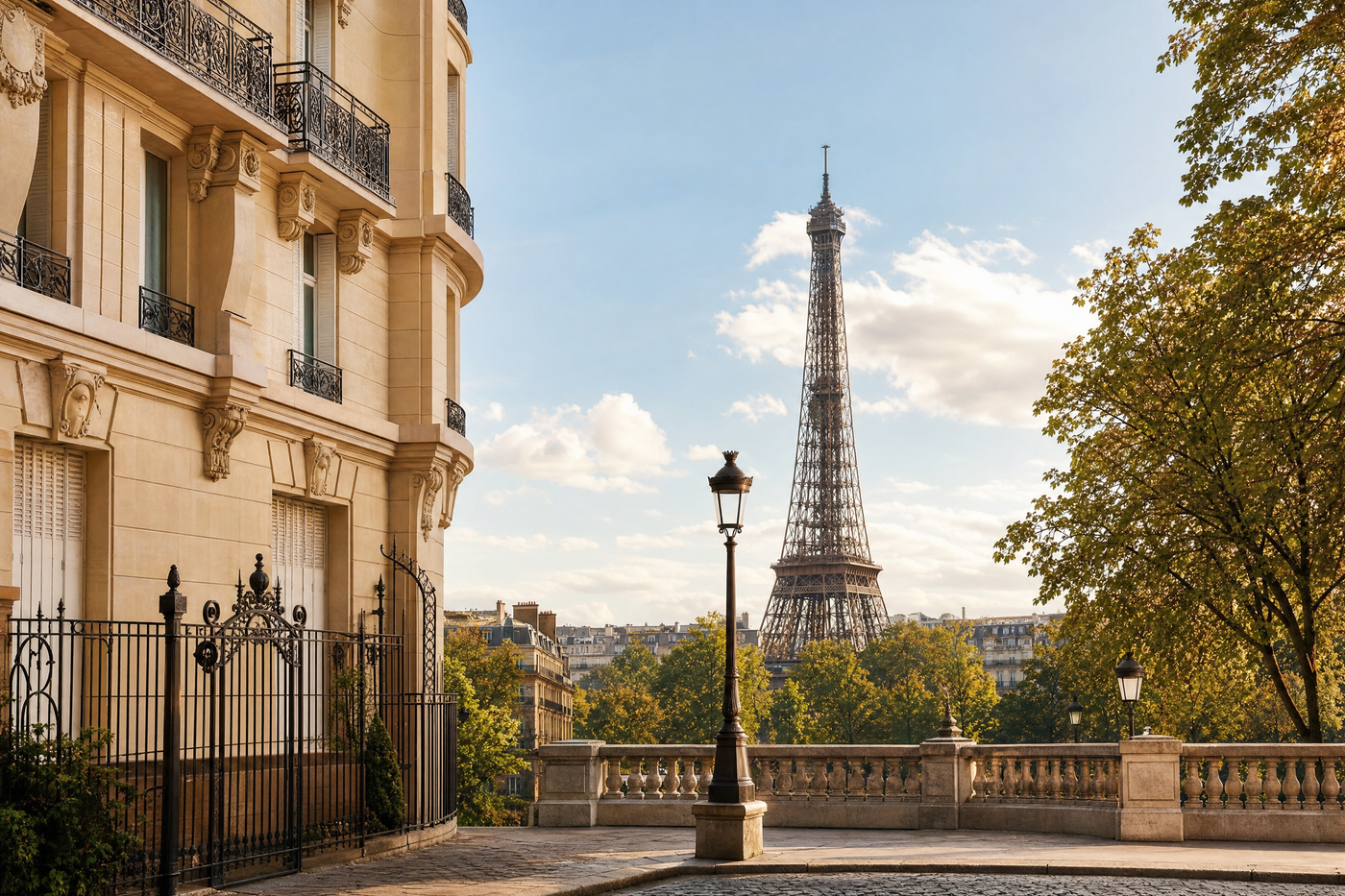
Choosing a place to stay in Paris isn’t just about finding a hotel, it’s about setting the tone for your trip. This guide explains the character of Paris’s key neighborhoods, who they suit best, transport access, budgets, and practical tips for every type of traveler.
Introduction: why your Paris neighborhood matters
Paris’s distinct neighborhoods offer travelers diverse settings, atmospheres, and daily rhythms. Picking your base goes beyond price—it affects what you see, eat, and experience outside the guidebooks. A romantic riverside stroll? A family park? Lively nightlife, or small bakeries off the tourist track? Each arrondissement (district) has its own flavor and can transform your stay. Understanding these differences helps you make the most of Paris—whether you have three romantic nights or a week of museum-hopping with kids.
Budget plays a role, as do practical concerns: how safe is the area at night? What’s the metro situation? Are restaurants and supermarkets nearby? This article guides you through the city’s main areas with realistic advice, helping you pick the right spot for your Paris getaway.

Your trip deserves fewer tabs.
Start planning your tripThe classic heart: 1st to 7th arrondissements
Paris’s most central arrondissements—the single-digit heart of the city—include world icons like the Louvre (1st), Eiffel Tower (7th), and Notre-Dame (4th). These districts offer proximity to top sights and are exceptionally walkable, especially along the Seine. Hotels and apartments here tend to be pricey, but you’ll maximize sightseeing and minimize time spent commuting.
Transport is excellent, with multiple metro and RER lines, abundant taxi stands, and bike-share stations. The 5th and 6th (Latin Quarter, Saint-Germain) feel atmospheric and safe, blending student buzz with classic Left Bank romance. The 1st and 2nd, while quieter at night, suit travelers wanting immediate access to major museums. For families, the 7th offers green spaces like Champ de Mars. Security is robust due to tourism, but crowds can increase pickpocketing risk—be vigilant in metro stations and major plazas.
Best for: Sightseeing couples, first-timers, short trips, families with older kids. Expect higher prices, especially near the Seine.
Le Marais: vibrant, historic, and LGBTQ+ friendly
Straddling the 3rd and 4th arrondissements, Le Marais blends medieval lanes with fashion-forward boutiques, trendsetting cafes, and art galleries. Long a center for Paris’s Jewish and LGBTQ+ communities, it attracts creative types, foodies, and anyone seeking a lively, walkable base.
- Atmosphere: Chic but casual, safe, lively day and evening.
- Transport: Several metro lines (1, 3, 8, 11), easy walking to river and key museums.
- Budget: Mid-to-high, with stylish boutique hotels plus a few lower-priced hostels and guesthouses.
- Safety: Generally excellent. As with any nightlife hub, take care late at night, especially near major squares.
- Suitability: Perfect for couples, solo explorers, LGBTQ+ travelers, fashion fans, and artisanal food hunters.
Families with small children may find the crowds and narrow sidewalks challenging, but older kids can enjoy the area’s parks and street food.
Latin Quarter & Saint-Germain: bohemian legacy meets café life
On Paris’s Left Bank, the Latin Quarter (5th) and adjacent Saint-Germain-des-Prés (6th) exude intellectual history, winding lanes, and cozy bookstores. This area is lively thanks to the Sorbonne and attracts students, artists, and literary enthusiasts. Despite their fame, you’ll still find quiet residential corners and classic brasseries.
Saint-Germain is slightly more upscale and polished, while the Latin Quarter is eclectic and vibrant, with a younger crowd and more budget stays (including dorms and family-friendly hotels). Transport is straightforward, with metro lines 4, 7, and 10 crisscrossing the area and frequent buses by the river. Most streets feel safe late into the evening, especially near busy cafés and boulevards.
These arrondissements suit couples, solo travelers looking for Parisian life beyond the tourist core, and families comfortable with a lively, student-filled neighborhood. Prices range from affordable to luxurious, especially closer to the river.
Montmartre: artistic hilltop charm
Perched on a hill in the 18th arrondissement, Montmartre is steeped in history—think painters, poets, and the white domes of Sacré-Cœur. This area is beloved for its romantic ambiance, village-like streets, and panoramic views. However, the slopes and staircases are real challenges for travelers with mobility issues or strollers.
Montmartre offers everything from boho guesthouses to budget hotels and a handful of sleek boutiques. Prices here are generally lower than the city center, but you trade some convenience: it’s a 20-30 minute metro ride to the Louvre or Notre-Dame. Line 2, 4, and the funicular serve the area. The upper section (near Sacré-Cœur) is quieter at night, but main squares like Place du Tertre can attract pickpockets and tourist crowds in the day.
Montmartre is best for romantics, photographers, budget travelers, and families with tweens or teens who can handle the hills. Nighttime feels safe, with lively bars and restaurants—but stick to lit streets.

Turn your travel ideas into a plan.
Start planning your tripBastille & Eastern Paris: local energy and access
The 11th and 12th arrondissements—a bit east of central Paris—are famed for nightlife, newer restaurants, community parks, and local energy. Bastille itself mixes hip cocktail bars, live music venues, and cafes spilling onto wide sidewalks. The practical benefit: hotels here are often more affordable than the center, while offering rapid metro (Lines 1, 5, 8, and RER A) into popular neighborhoods and train stations.
- Atmosphere: Young, multicultural, creative, and less touristy.
- Safety: Generally very good, especially in busy bar districts (Rue de Lappe, Oberkampf). Some outer blocks are quieter late at night—use normal city caution.
- Budget: Wide range, including chain hotels, boutique stays, and economical guesthouses.
- Suitability: Solo travelers, couples on a budget, night owls, and foodies after a taste of real Paris nightlife.
Families can appreciate Place de la Bastille’s open areas and playgrounds at Promenade Plantée, but should research hotel amenities carefully.
Champs-Élysées & 8th arrondissement: business, glamour—and convenience
The area around the Champs-Élysées and Arc de Triomphe (8th arrondissement) is famous for wide boulevards, grand hotels, and luxury shops. It’s a magnet for business travelers, shoppers, and those wanting iconic photo ops. While some side streets offer charm, main avenues can feel busy and commercial.
Transport is excellent, with RER A, metro lines 1, 2, 6, and multiple buses converging here. Nights are lively but generally safe; the area is patrolled and well-lit. Hotel prices range from upper-mid to ultra-luxury, though chain hotels mean occasional deals at off-peak times.
Couples seeking a splashy, central location with direct links to both airports and train stations may be tempted. The area is less atmospheric than older Paris and families may find restaurants oriented toward office crowds. Still, for a polished, practical Paris base, the 8th is a strong contender.
Canal Saint-Martin & 10th arrondissement: a local, creative side
The Canal Saint-Martin area, reaching into the northern 10th arrondissement, is a favorite among Parisians for lazy picnics, indie shops, coffee roasters, and perfect people-watching. This district has fewer blockbuster attractions but fosters a neighborhood feel, especially along the canal and Place de la République. Eatery and nightlife options abound but are far less touristy than central Paris.
Metro access is strong (lines 3, 4, 5, 7, and 11), with the Gare de l’Est and Gare du Nord train stations close by—handy for day trips or onward travel. Price points vary widely, with plenty of value boutique hotels and affordable hostels. Safety is generally good during the day and around busy cafes; in quieter northern sections near the stations, exercise caution late at night and keep an eye on belongings, especially around big train hubs.
Who it suits: Solo travelers, creative couples, and return visitors wanting to experience a relaxed, real Paris vibe away from heavy tourist zones.
Family-friendly Paris: practical picks and tips
Traveling as a family means balancing proximity to parks, museums, and easy meal options. Some districts tick more boxes for groups with children:
- 7th arrondissement / Eiffel Tower: Wide boulevards, the Seine, and green spaces such as Champ de Mars suit strollers and outdoor play.
- 1st/4th (near Notre-Dame and Île de la Cité): Walkable, central, close to attractions with family suites and chain hotels.
- 12th (Bercy/Bastille edges): Budget-friendlier, access to parks (Parc de Bercy) and playgrounds.
Family safety is very good in these districts, but keep an eye on lively areas after dark. Consider accommodations with kitchenettes and laundry facilities for longer trips—a classic Paris apartment stay can be more convenient than a hotel room for families.
Solo travelers: security, sociability, and easy evenings
Paris is a fixture on solo bucket lists, and most central areas are welcoming for those traveling alone. Choose a neighborhood with a lively café scene or vibrant local life. Good picks include Le Marais, Latin Quarter, Canal Saint-Martin, and Bastille—all safe, friendly to solo visitors, and rich with casual dining.
Transport connections matter: check late-night metro hours or pick a base where Uber or city bike access is easy. Group tours and walking events cluster in these districts, making it simple to meet other travelers. In the main tourist areas, standard solo precautions (staying alert at night, minding valuables in crowds) suffice—violent crime is rare, but pickpocketing is a nuisance. Solo women in particular may feel most at ease in the 5th-7th or vibrant 11th, which feel busy but safe well into the evening.
Short city breaks: where to maximize your time in Paris
With only 1-3 days to see Paris, reducing travel time should be the priority. The absolute best bases for quick trips are the 1st, 4th, 5th, and 6th arrondissements—near the Seine, major museums, and central metro lines. Accommodation is more expensive but walking everywhere saves hours.
If your train or flight arrives at Gare du Nord or Gare de Lyon, consider nearby hotels in the 10th or 12th for super-fast arrivals and departures. For a romantic weekend, Le Marais or Montmartre deliver quintessential Parisian vibes with excellent metro links. Whichever you choose, double-check late-night transport access and choose places with 24-hour reception for hassle-free early or late arrivals.
Budget trade-offs, safety notes, and booking strategies
Central Paris is desirable but expensive; expanding your search 2-3 metro stops out can save 20–40% without sacrificing atmosphere or safety. The outer arrondissements (13th, 14th, 15th, and parts of the 17th) offer honest value hotels and reliable metro links but less postcard-worthy scenery.
For budget travelers, hostels and small hotels near Canal Saint-Martin, Bastille, and even Montmartre give better rates and a lively local experience. Check for air-conditioning in summer, and ask about elevator access if stairs are a concern. Safety is generally strong, but avoid isolated streets near major train stations late at night, and use city taxis or ride-shares for evening returns if needed.
Book well in advance for the best choice and price, especially for family rooms and accessible accommodation. Prices spike in June, September, and during major Paris events, so planning ahead pays off. Whichever district you choose, local bakeries, supermarkets, and parks provide a sense of real Paris right outside your door.