Where to stay in Madeira: neighborhoods, budgets and trip styles
 By Elena Hart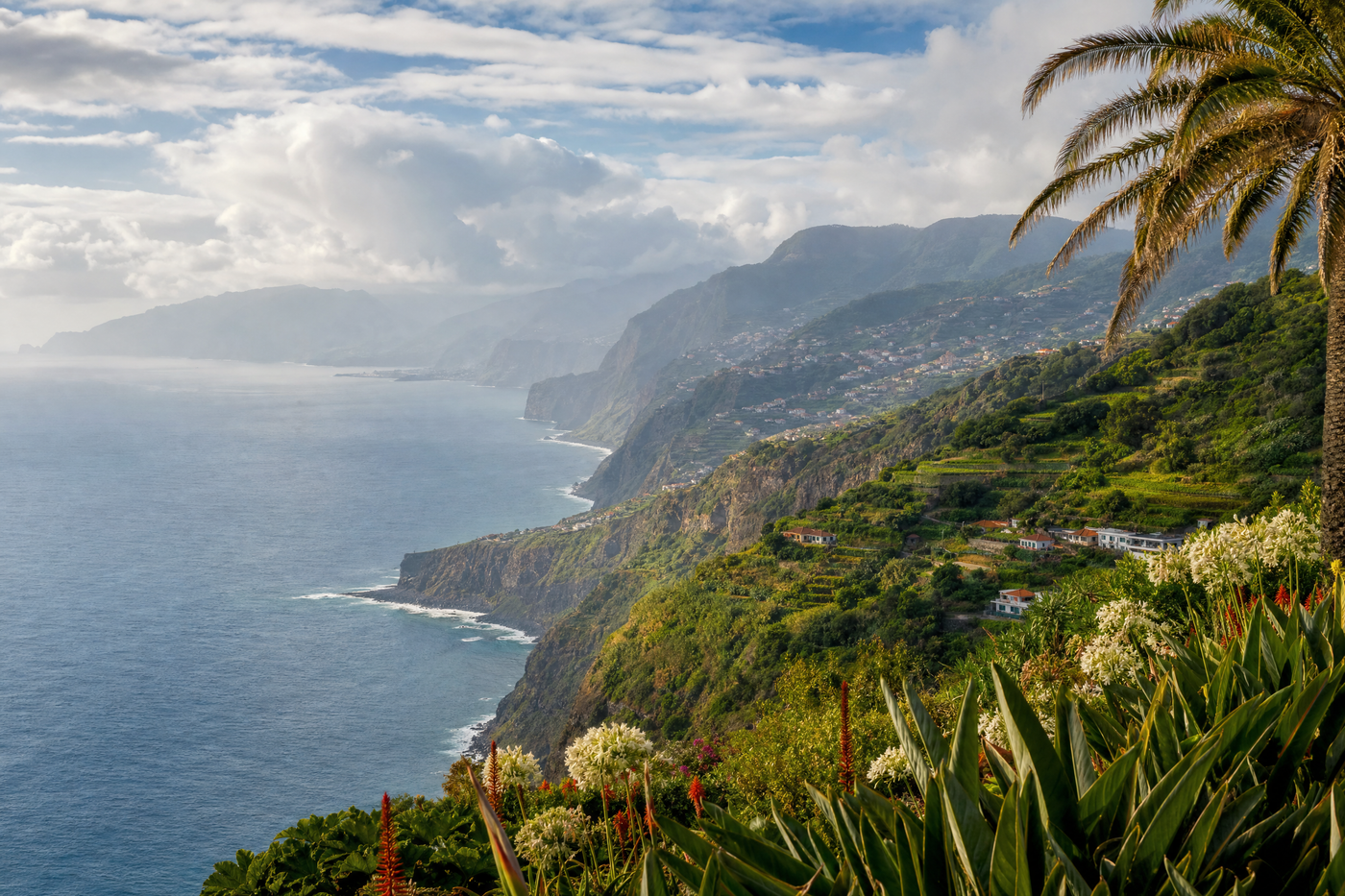
Trying to choose your base in Madeira? From Funchal’s lively centers to scenic seaside villages, this detailed guide breaks down the island’s top areas by vibe, budget, and suitability for couples, families, solo travelers, and short stays—plus tips on transport and safety.
Understanding Madeira's geography
Madeira is a Portuguese archipelago nestled in the Atlantic, about 1,000 km southwest of Lisbon. The main island’s mountainous spine splits dramatic northern cliffs from balmy southern slopes. This landscape shapes where communities cluster—and where travelers stay. Most visitors base themselves on Madeira’s main island, with Funchal as the heart of tourism, but each area offers something unique. Smaller towns and rural escapes dot the coastline, immersing travelers in very different moods from urban to ultra-remote.
Getting around Madeira involves winding mountain roads, scenic coastal drives, and surprisingly frequent public buses. Renting a car offers flexibility, but even without one, you can use buses or walk within many resort zones. When choosing where to stay, geography means more than just picking a hotel—think about whether you want lively nights, tranquil sea views, or easy access to local trails and beaches.

Your trip deserves fewer tabs.
Start planning your tripFunchal: the lively heart for all travelers
Funchal is Madeira’s dynamic capital and the most popular base for first-timers. It’s sprawling, divided into several hotel-friendly districts, each with a different personality. Zona Velha charms with its cobbled alleys and historic vibe, while Lido tempts with resort hotels, sea pools, and sunset bars.
Centrally located, Funchal suits nearly everyone—couples hoping for romantic dinners, families wanting safe walking access and amenities, and solo travelers who enjoy a bit of bustle. Short breaks also work well here, as you’re just 20 minutes by car or shuttle from the airport and connected by public transport island-wide. Expect an easygoing, urban-sunny feel with plenty of shopping, museums, marina promenades, and events.
Funchal neighborhoods in detail
- Historical Old Town (Zona Velha): Atmospheric, pedestrian-friendly, ideal for culture lovers, foodies, and those wanting nightlife. Accommodation leans boutique, from stylish apartments to arty hotels.
- City Center & Avenida: Upscale, practical for business and leisure, steps from shops and ferry piers. Hotels range from grand classics to efficient budget stays.
- Lido & São Martinho: Resort-driven, modern complexes, family-friendly pools, and easy boardwalk access. Good for groups and extended stays—these are safest for swimming.
- Santa Maria Maior & Eastern Seafront: Slightly quieter, trending with stylish guesthouses, convenient for early airport hops and wanderers.
Within Funchal, walking is straightforward, and taxis are abundant. Nighttime feels safe in most parts, though Old Town’s party scene gets lively on summer weekends—something to note for light sleepers.
Canico: relaxed seaside living for families and quiet escapes
Perched along the southeast coast between Funchal and Madeira Airport, Canico balances residential calm with accessible resorts. Its main zone, Canico de Baixo, is a favorite for visitors seeking reliable sunshine, safe swimming, and family-focused comfort without Funchal’s bustle. Many hotels and apartments cluster here atop cliffs overlooking the Atlantic. The promenade, beaches (mainly pebbly or with sand brought in), and handful of restaurants create a chilled pace day and night.
For couples and young families, Canico means less nightlife but a strong sense of safety and relaxation. Self-catering apartments and large hotels often have pools or direct sea access, with prices sitting a notch below central Funchal. Buses link Canico to Funchal (40-50 minutes), and taxis are a simple backup for evening returns.
Machico and Santa Cruz: short stays and gentle tradition
Machico and Santa Cruz rest on Madeira’s milder, eastern coast—perfect for travelers valuing local flavor, proximity to the airport, or brief holidays. Machico is known for its historic church, pastel-washed houses, and Madeira’s only true sandy beach (imported golden sand, but a treat nonetheless). Medium-sized hotels and guesthouses line the waterfront, while a promenade and marina add appeal for walkers.
Santa Cruz skews more residential but offers laid-back charm, a traditional market, and a gentle pebble beach. These areas are excellent for short or last-night stays, those anxious about airport timetables, or anyone hoping for an authentic, slow-paced Madeiran town vibe. Bus service is reliable, car rental is easiest, and local traffic is manageable—even for nervous drivers. Nightlife is minimal, and both towns feel safe, with a strong sense of community.

Turn your travel ideas into a plan.
Start planning your tripCâmara de Lobos: fishing village spirit and local life
Just west of Funchal, Câmara de Lobos delivers an enchanting alternative: a working harbor town immortalized by Winston Churchill’s paintings and renowned for its local poncha bars. Fishermen rest beside brightly painted boats, and seafood restaurants spill onto the quayside. The small center buzzes early evening, but quiets later, making it ideal for couples and solo travelers who want authentic atmosphere without late-night crowds.
Lodgings here range from budget inns to elegant boutique hotels perched over the sea or set back on quiet side streets. The area is safe and walkable, but access to populous sightseeing is limited—buses to Funchal run regularly (20 minutes), though schedules thin in the evenings. Câmara de Lobos is a uniquely photogenic base for those who prioritize local character and don’t mind a little extra planning for longer day trips.
Estreito de Câmara de Lobos and the wine routes
Up in Madeira’s terraced hinterlands, Estreito de Câmara de Lobos offers a rustic, rural option for visitors who cherish peace, wine tourism, and striking countryside scenery. It’s the heart of Madeira’s vineyards, studded with quiet traditional guesthouses and agriturismo-style stays—appealing to adventurous couples, friend groups, and slow travelers seeking a base for hiking or culinary experiences.
Transport here is best by car, as public buses are infrequent. Local restaurants often serve hearty regional cuisine and homegrown wine. Estreito is safe, tranquil, and delightfully off-track, but limited nightlife and infrequent buses mean you’ll trade spontaneity for seclusion. Prices vary: charming farm lodges and B&Bs generally undercut central Funchal for longer stays.
Ribeira Brava and the south coast: stopping points for explorers
Halfway between Funchal and the west, Ribeira Brava and surrounding south coast villages (like Praia Formosa, Ponta do Sol, and Calheta) attract travelers seeking a low-key, sunny base with easy access to hiking, sightseeing, and road tripping. Towns here are compact, built around river valleys opening onto pebbly beaches and oceanfront promenades.
Accommodations range from budget pensões to sleek oceanfront apartments and family resorts, many with kitchenettes ideal for self-catering. This region fits explorers—those with rental cars, flexible plans, or children who don’t require constant organized play. Nightlife is limited to casual bars and local celebrations. Buses connect with Funchal, though less often outside peak times. Safety is strong, but choose central stays if you value walkable dining or shops.
São Vicente, Santana, and the north: wild escapes and nature
- São Vicente: Set on Madeira’s lush, rugged north coast, loved by walkers, surfers, and travelers craving solitude. The dramatic sea cliffs, natural pools, and famous volcanic caves make it a magnet for nature lovers and adventure-oriented visitors.
- Santana: Famed for its traditional triangular thatched houses and proximity to levada hikes, Santana attracts cultural explorers, families, and couples wanting quiet countryside ambiance.
Northern villages feel more remote—the microclimate is wetter and cooler than the south, but rewards with spectacular vistas and unspoiled landscapes. Guesthouses and eco-lodges are affordable, with a range of rustic to boutique. A car is strongly recommended; public transport is sparse. Both areas are exceptionally safe, though nightlife and after-dark transport options are nearly nil, best suiting those seeking peace and proximity to trails.
Paul do Mar, Jardim do Mar, and Calheta: sun seekers and surfer havens
Down on the warm, west-facing coast, Paul do Mar and Jardim do Mar are tiny, peaceful villages adored by surfers, digital nomads, and slow-travelers. Expect pastel cottages stair-stepped down to pebble beaches, a handful of seafood cafés, and spectacular ocean sunsets. Life is unplugged here—no high-rise hotels—but a great base for those wanting relaxed days by the Atlantic and easy access to hiking or driving the west coast. Nightlife is ultra-quiet, mostly local bars and music at weekends.
Calheta nearby boasts more amenities, a marina, and one of the few yellow-sand beaches. Family hotels and modern apartments line the shore. These west coast towns suit romantic getaways or families happy to self-cater and drive. Safety is excellent, but public transport is limited so a car is a must for convenience.
Neighborhoods for solo travelers and digital nomads
- Funchal (Old Town & Lido): Best for sociable soloists—easy café culture, fellow travelers, and hostel options interspersed with mid-range hotels.
- Câmara de Lobos: Friendly local bars, walkable scenes, small guesthouses, and authentic village life—a strong choice for solo wanderers wanting immersion and safety.
- Paul do Mar & Ponta do Sol: Both are hubs for digital nomads, drawn by tranquil settings, laid-back cafés, and a slower pace. Community vibes, good WiFi, coworking spaces (especially in Ponta do Sol), and strong support for solo remote workers.
Safety is a hallmark across Madeira for solo travelers, but central or sociable villages are best if you want evening company and easy logistics. Remote stays reward with solitude—make sure you’re comfortable with local transport schedules before heading too far off-grid alone.
Budget, safety, and booking tips
Budget: Funchal and Canico offer the broadest hotel range, from hostels and affordable pensões to five-star classics. Ribeira Brava, Machico, and north coast villages often undercut the capital if you’re happy to exchange amenities for lower prices and quieter vibes. Short stays can score deals outside peak season (April-June, September-November).
Transport: If you want to explore the island beyond your base, a rental car brings significant flexibility—but if you plan to stay local, Funchal and key resort towns are manageable by bus or organized tour. Late-night services are rare outside the city.
Safety: Madeira is known for low crime and a strong sense of community. Standard urban caution applies in busy central Funchal, but overall risks are minimal in tourist areas and small towns. Coastal cliffs and mountain walks demand vigilance—always heed local advice and signposted trails.
Book hotels early for high summer or year-end festivities. Wherever you stay, Madeira rewards with warm welcomes, ocean panoramas, and a pace that’s refreshingly easy to adapt to your travel style.