Where to stay in Los Angeles: neighborhoods, budgets and trip styles
 By Elena Hart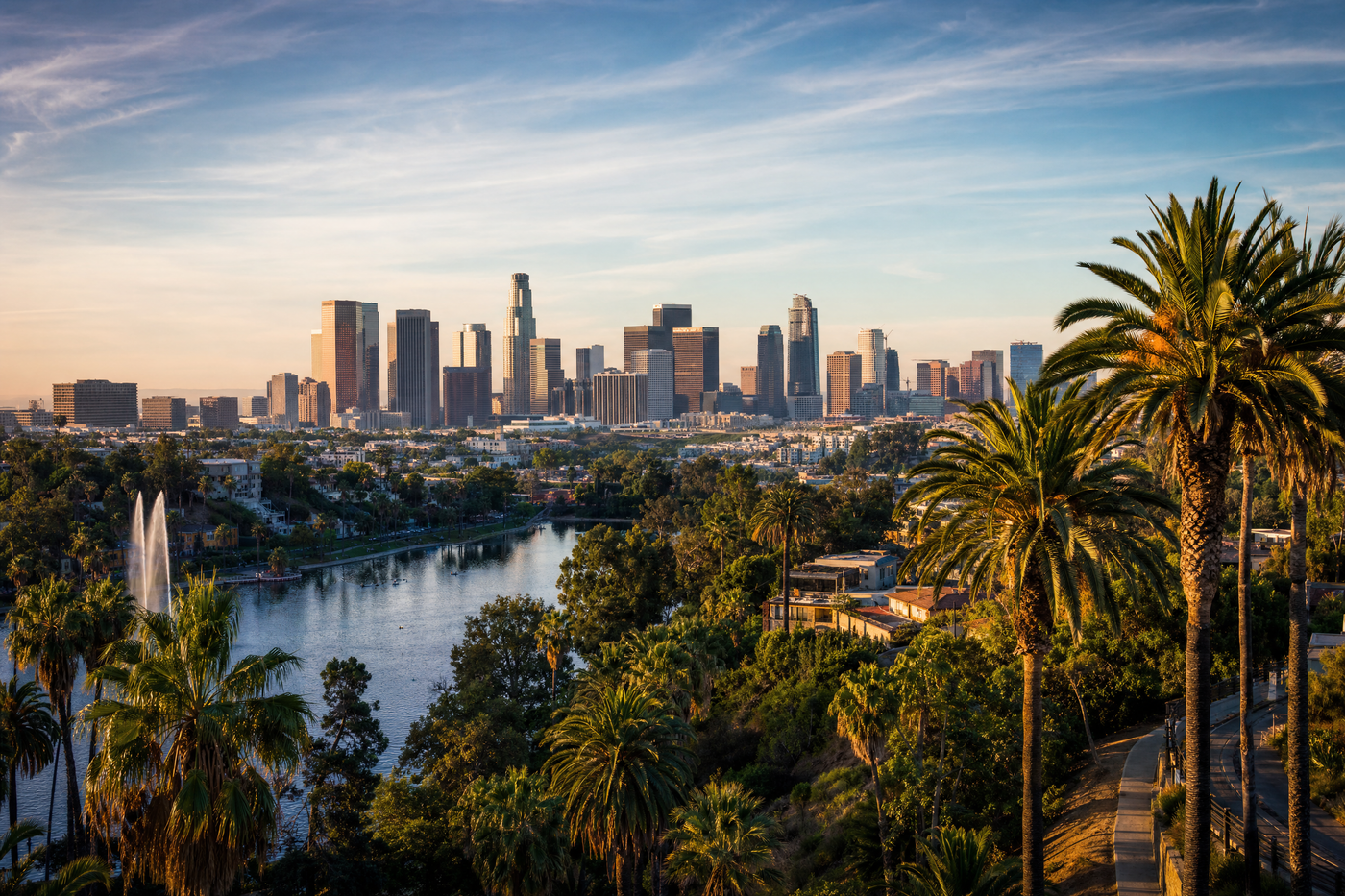
Choosing where to stay in LA can shape the whole trip. We compare the top neighborhoods—like Downtown, Santa Monica and Hollywood—covering hotel options by budget, access, and traveler type to help you choose the right base for your getaway.
Deciding where to stay: the LA challenge
Los Angeles isn’t a city with one heart—it’s a sprawling collection of vibrant neighborhoods, each with its own appeal. With distances often much larger than new visitors expect, your base can significantly affect your travel experience. A well-chosen home base means less time in traffic, more time exploring, and better value for your budget. This guide helps you match LA’s most popular hotel areas to your specific trip style, whether you’re a couple aiming for beaches or a family seeking theme parks, and whether you want to cut costs or splash out in style.
Below, you’ll find a neighborhood-by-neighborhood breakdown focused on practical details: transport links, who an area suits best, safety notes and what you get for your money. Whether you’re planning a three-night stopover or a weeklong adventure, this guide takes the guesswork out of finding your perfect LA launchpad.

Your trip deserves fewer tabs.
Start planning your tripSanta Monica: classic beachside with walkability
Sitting at the western edge of LA, Santa Monica is where Pacific Ocean breezes meet relaxed SoCal living. It’s a lively, scenic neighborhood ideal for travelers who want a pedestrian-friendly area with iconic sights: the historic Santa Monica Pier, Third Street Promenade, and a wide beach.
- Who it's for: Couples on romantic getaways, families wanting a beach base and easy stroller access, and solo travelers seeking a safe, walkable environment.
- Transport: Connected to downtown LA by the Metro E Line (light rail), limited direct bus routes to other parts of the city. Expect rideshare reliance if heading further inland or to Hollywood.
- Budget: Hotels skew higher-end: think classic beachfront properties and stylish boutiques, though a few midrange options exist 4–8 blocks inland. Prices can be steep, especially in summer, but you’re paying for location, relaxation, and reliable safety.
- Safety: Santa Monica is considered safe, especially around main tourist routes. Minor property crime (car break-ins) can occur—use secure hotel parking and avoid leaving valuables in your car.
For those prioritizing beach time, walkability, and iconic LA views, Santa Monica is hard to beat, though your dollar will go further away from the shore.
Downtown LA: culture, nightlife and city access
Downtown Los Angeles (DTLA) is LA’s up-and-coming urban core—a mix of historic theaters, skyscrapers, buzzy dining, arts venues, and developing nightlife. For travelers who want to experience LA’s cosmopolitan edge and enjoy robust public transit, downtown delivers convenience and style.
- Who it's for: Professionals, solo travelers, culture-seeking couples. Downtown can work for families but lacks outdoor space and the resort-like amenities of other zones.
- Transport: Best served by Metro: five lines connect DTLA to Hollywood, Santa Monica, Pasadena, Long Beach, and beyond. It’s walkable within the core, but note that some blocks go quiet at night.
- Budget: Downtown hotel prices range widely: historic business hotels, midrange chains near the Convention Center, and trendy boutique stays in the Arts District. Deals are possible on weekends when business demand dips.
- Safety: Safety has improved, but homelessness is visible, especially east of Main St. Avoid walking alone late at night on quiet streets and be alert at underpasses.
DTLA is a practical base for short trips, event-goers, and anyone wanting to skip freeways for Metro. However, its urban feel and after-dark atmosphere aren’t for every traveler.
Hollywood: tourist hub with retro flair
Hollywood remains LA’s most famous—and most touristy—address. Unlike its glitzy image, the area is a mix of showbiz history, gritty side streets, and new hotel developments aimed at travelers. Expect entertainment, accessibility, and heaps of cinematic nostalgia.
- Who it's for: First-timers, families with teens, and pop-culture lovers eager for classic LA sights (Walk of Fame, Chinese Theatre).
- Transport: Excellent Metro Red Line links to Universal Studios, Downtown, Koreatown, and connections toward the Valley. Several major bus lines run along Hollywood and Sunset Boulevards.
- Budget: Options from affordable motels and hostels up to stylish new hotels and mid-tier chains. It’s possible to stay central without breaking the bank, but parking is often extra.
- Safety: Busy, particularly during the day and near tourist sights. After dark, stick to main streets and avoid wandering alone behind the main boulevard. Some panhandling and street activity is normal around transit stations.
For energetic urban explorers, Hollywood is convenient and packed with attractions. Its hustle and street life feel distinct from the polished Westside.
West Hollywood: stylish, central, and diverse
West Hollywood (WeHo) is one of LA’s most vibrant and compact areas. Known for its progressive culture, nightlife, and LGBTQ+ friendliness, WeHo is wedged between Hollywood and Beverly Hills, offering easy access to both. The walkable stretch along Santa Monica Boulevard buzzes with restaurants, bars, and music spots, while quieter residential blocks are shaded and leafy.
- Who it’s for: LGBTQ+ travelers, nightlife seekers, couples. Also great for anyone wanting boutique hotels and a trendy scene without the chaos of central Hollywood.
- Transport: Convenient for rideshares, with rapid access to Hollywood, Beverly Hills, and Mid-City by car. Fewer Metro options, but good bus links (Metro 4/704, 2/302 along Sunset and Santa Monica Boulevards).
- Budget: Hotels run upscale (and upward in price): chic, design-driven boutiques and some high-end brands. Off-peak deals can be found outside major events or festivals.
- Safety: One of LA’s safest and best-lit nightlife areas, especially near main boulevards. Usual city cautions apply late at night, but the area is lively and well-patrolled.
West Hollywood serves those who want central access with a local neighborhood feel and a side of LA cool, at a price.

Turn your travel ideas into a plan.
Start planning your tripBeverly Hills & Mid-City: luxury, calm, and classic LA
Beverly Hills is synonymous with luxury hotels, palm-lined streets, and famous shopping strips. While postcard-perfect, this classic neighborhood also offers tranquility and surprisingly easy access to sights west (Santa Monica, the Getty) and east (LACMA, Hollywood).
- Who it’s for: Couples on a splurge, families with a luxury budget, and anyone after a calm, elegant base away from bustle.
- Transport: Not directly served by Metro rail; expect to rely on taxis, rideshare, or rental cars. Some east-west major bus routes can get you to Century City, Santa Monica, or Hollywood in 15–40 minutes (Metro 4/704, 14/37).
- Budget: Hotel choices range from storied luxury (The Beverly Hills Hotel, Peninsula) to contemporary high-end chains and a handful of tasteful, well-priced motels just outside the center.
- Safety: Among the safest neighborhoods in LA, with heavy patrolling and low crime rates. Area is quiet at night, good for light sleepers.
Expect comfort, green streets and a low-key vibe—just note that restaurants and nightlife are upscale and close early compared to busier districts.
Venice Beach: bohemian spirit by the ocean
Venice exudes LA's artsy, eclectic side. Graffiti walls, surfboard-laden streets, and indie boutiques line the boardwalk. The Venice Canals area offers leafy tranquility, while Abbot Kinney Blvd brings hipster coffee and retail. Venice is for travelers who love creative energy and aren’t after a conventionally polished experience.
- Who it's for: Solo travelers, couples who want to soak up LA counterculture, digital nomads. Works for families if you value a laid-back, lived-in vibe over resort polish.
- Transport: Best with a bike, rideshare, or car. Limited bus routes connect to Santa Monica and Culver City, but Metro rail is not direct. Traffic can be slow in/out at peak times.
- Budget: Boutique hotels, unique guesthouses, and a few hostels. Pricing fluctuates with season and can spike for high-demand weekends. Airbnb options are abundant.
- Safety: Venice’s reputation is complex. The main boardwalk is lively by day but can feel edgy after dark. Canals and residential areas are safer, but caution is advised at night, especially near the beach path.
Venice rewards travelers seeking LA’s creative subculture and a neighborhood where you can wander, snack, and people-watch all day long.
Burbank & Universal City: theme parks and easy airport access
North of the Hollywood Hills, Burbank and Universal City are LA’s best-kept secrets for families and theme park fans. With top-notch access to Universal Studios Hollywood, Warner Bros. Studio and Bob Hope (Burbank) Airport, the area attracts both vacationers and business travelers needing quick transit.
- Who it's for: Families, theme park goers, road trippers with rental cars, and anyone flying in or out of Burbank.
- Transport: Metro Red Line from Universal City connects directly to Hollywood, Downtown, and the Valley. Easy freeway access (101, 134, 5) and efficient airport shuttles for early flights.
- Budget: Midrange chains, practical motels, and new family-friendly hotels dominate the area—most with parking and pool access. Lower rates than central Hollywood or beach districts, with free parking in places.
- Safety: Both Burbank and Universal City are clean and family-oriented with low crime and well-patrolled areas. Commercial corridors may feel quiet after dark.
This area delivers theme-park convenience and good value for groups who don’t care about beach proximity or nightlife.
Culver City & West LA: local flavor and cross-town jump-off
Culver City and the neighboring West LA corridor are underrated gems for travelers craving a less tourist-centric experience but still needing centrality. This area boasts an explosive dining scene, emerging hotels, and proximity to both the beach and downtown.
- Who it's for: Business travelers, families seeking mid-priced comfort, foodies, and anyone wanting to explore both Westside and city center without hefty rates.
- Transport: Superb Metro E Line (light rail) connections to Santa Monica, Expo Park, and downtown. Easy freeway access, and plenty of bus lines. Walkable areas near Culver’s downtown.
- Budget: Mostly midrange hotels, modern chains, and new boutique offerings—often less expensive than Santa Monica or Beverly Hills but with fast access to both. Some stylish motels and Airbnb apartments round out options.
- Safety: Generally safe, especially Culver's central core. Some areas south or east of the main drag are more residential; usual big-city caution applies at night.
Culver City’s unique combination of convenience, restaurants and relaxed pace make it a great ‘base camp’ for varied LA adventures.
LAX & Inglewood: practical overnight stays & early flights
For late-night arrivals, pre-dawn departures, or single-night stopovers, the cluster of hotels surrounding Los Angeles International Airport (LAX) is hard to beat for convenience. Adjacent Inglewood offers additional options (plus SoFi Stadium and the Forum for event-goers). Don’t expect a vacation vibe—this is about logistics and value.
- Who it’s for: Transit travelers, business visitors, event guests at SoFi or the Forum, and those needing a reliable room near a major rental car hub.
- Transport: Free hotel shuttles to terminals and car rentals. Metro C Line and several express bus routes reach the area, but onward public transport to main city zones can be slow and indirect. Rideshares are very active.
- Budget: Wide hotel range from basic motels to upscale airport properties. Bargains are common, especially on weekends/holidays. Most include 24-hour desk and flexible check-in/out.
- Safety: LAX hotels are secure and well-patrolled. Inglewood is revitalizing fast, but guests should research their hotel’s location—busiest around stadium events or concerts, and quieter late-night streets warrant caution.
Use this area as a launchpad, not a destination—perfect for shaving stress off late or early flights, but plan to move elsewhere for leisure days.
Silver Lake, Echo Park & Studio City: hipster hideouts and creative corners
For travelers keen to discover “local” LA, smaller neighborhoods like Silver Lake and Echo Park (east of Hollywood) and Studio City (north) deliver character in spades. These areas offer a more intimate scale, indie food scenes, and leafy residential atmospheres. You’ll make up for less centrality with authentic urban flair.
- Who it's for: Return visitors, solo travelers seeking coffee culture and music, couples on a foodie trip, digital nomads looking for creative hubs.
- Transport: Good bus service plus Red Line subway near Studio City and Vermont/Sunset for Silver Lake/Echo Park. Bikes and rideshares recommended—side streets often hilly or winding.
- Budget: Boutique inns, mid-priced hotels, guesthouses, distinctive Airbnbs, and retro motels. Rates are lower than the tourist core, though events can spark spikes.
- Safety: “Eastside” LA neighborhoods are generally safe but feel different from Westside zones. Vibrant nightlife can mean busy sidewalks. Some blocks feel quiet at night—stick to main drags after dark.
Choose these neighborhoods if you want an LA adventure with more locals than tour buses—and don’t mind a short drive to major sights.
Budget, luxury, and what you sacrifice for savings
In LA, hotel rates are shaped by season, location, parking costs—and the city’s massive size. Beach and central tourist areas demand a premium, while business-centric or outlying zones can yield deep discounts, especially on weekends or in off-peak months.
If you’re watching your budget, downtown, Universal/Burbank, and Culver City usually offer the best mix of price and connectivity. Hostels and motels in Hollywood and Venice can be lower cost, with the tradeoff of less polish and, sometimes, noisier surroundings. The further you get from the beach or the city center, the more you trade immediate walkability for value—so factor in parking or transit expenses if you save on room rates.
Luxury-seekers gravitate toward Beverly Hills, Santa Monica beachfront, and high-design hotels in West Hollywood or downtown’s trendier towers. Here, you can expect well-appointed amenities, pool decks, and excellent security, but you also pay for this peace of mind.
No matter your budget, plan for the real costs of getting around—either by car, rideshare, or Metro—which can have a bigger impact on your stay than nightly rates alone.
How to match your neighborhood to your trip style
So, what’s the right LA home base for your getaway? Couples and solo travelers who love vibrant eating, art, and nightlife typically prefer West Hollywood or Silver Lake. Families traveling with kids often gravitate toward Santa Monica for the beach or Burbank for theme parks and quieter evenings. First-time tourists and those who love entertainment will find Hollywood especially convenient for sightseeing, while luxury trips shine brightest in Beverly Hills or central Santa Monica.
If budget trumps all, look to downtown for weekend hotel deals, or opt for outlying areas like Culver City or Studio City, where you’ll trade instant access for lighter rates but still be within reach of top spots via Metro or car. If you need an overnight stop on a road trip or early flight, airport hotels deliver exactly what’s promised—reliability and rest, if not a local vibe.
Above all, customize your neighborhood choice to your daily plans, factoring in how much you want to explore on foot, how you’ll get around—and what kind of LA rhythm feels right. Wherever you base yourself, Los Angeles is yours to discover in layers, one neighborhood at a time.