Where to stay in Hanoi: neighborhoods, budgets and trip styles
 By Elena Hart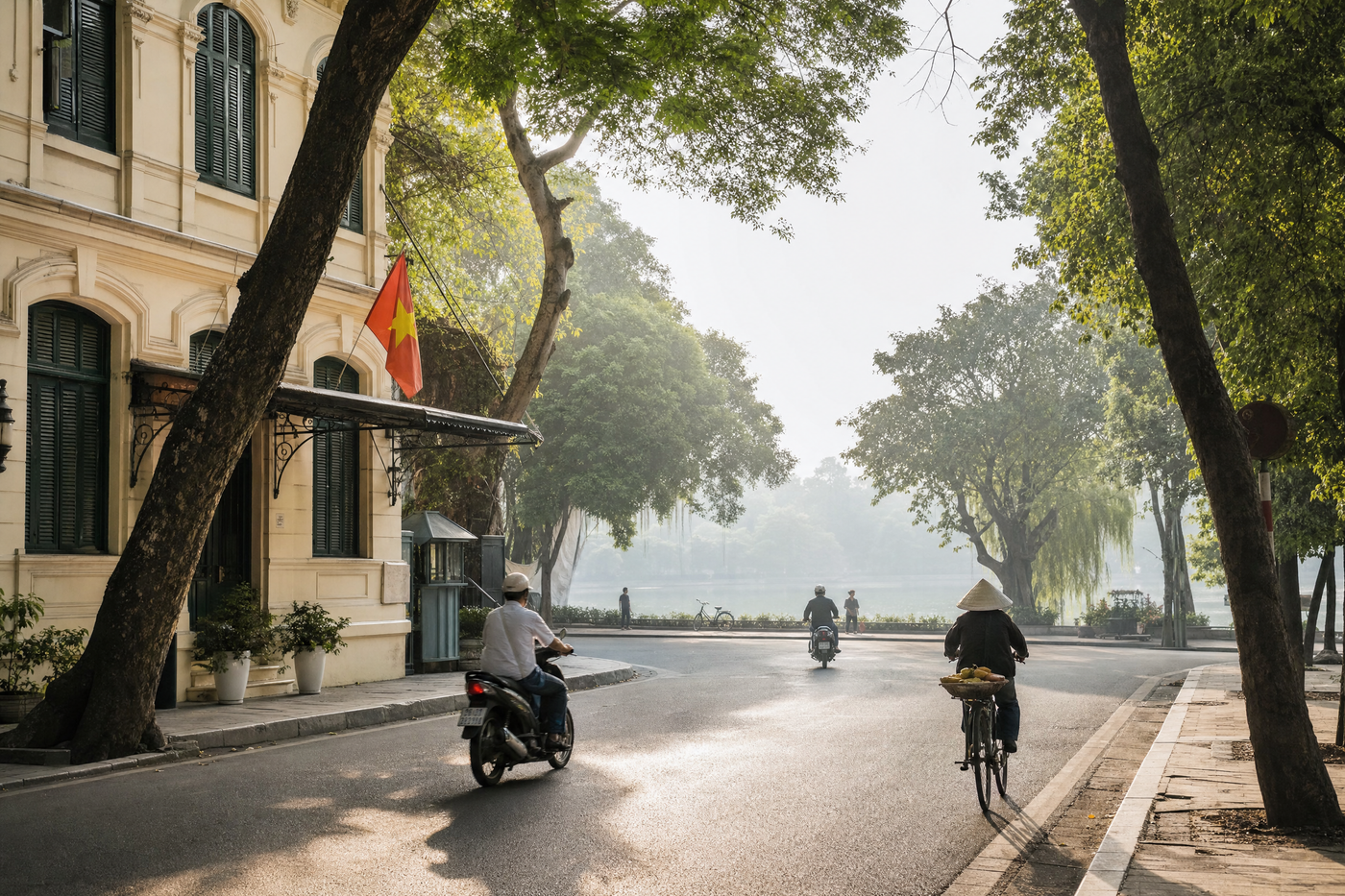
Trying to decide where to stay in Hanoi? This guide breaks down the city’s main neighborhoods, who they best suit, accommodation costs, safety, and transport to help you tailor your hotel choice to your travel style—whether you’re exploring solo, as a couple, or with family.
Deciding where to stay in Hanoi: An introduction
Hanoi’s neighborhoods offer a rich variety of experiences, each with distinct vibes, accommodation styles, and proximity to top sights. It can be tempting to gravitate toward the Old Quarter, but the city's layout rewards a deeper look. Should your base be in the colonial-era French Quarter for elegance, the atmospheric Old Quarter for buzz, or the tranquil West Lake for a quieter experience? Your priorities—budget, trip style, and transport convenience—make all the difference.
This article compares Hanoi’s key areas for leisure travelers, highlighting who will feel most comfortable where, what each location offers, and practical safety or transport pointers. Discover which neighborhood makes the ideal base for a short break, extended stay, romantic escape, or a family expedition.

Your trip deserves fewer tabs.
Start planning your tripThe Old Quarter: Classic heart of Hanoi
The Old Quarter is Hanoi’s most famous neighborhood, drawing travelers eager for historic charm, quirky alleys, and proximity to everything. Streets are lined with tube houses, bustling cafes, markets, and a vibrant tangle of street food stalls. This area buzzes from dawn until late, giving visitors a real sense of daily Hanoi life.
The Old Quarter suits first-time visitors, couples on short city breaks, or solo travelers keen on nightlife and sightseeing by foot. Its central location means you’re steps from Hoan Kiem Lake and top museums. Hotels range from budget hostels to boutique mid-range and a handful of four-star options. Be aware, though, that rooms are often compact and noise can be an issue for light sleepers. Traffic and crowds are constant, so families with young kids or those seeking rest may prefer elsewhere.
The French Quarter: Refined, walkable and upscale
Just south and east of the Old Quarter, the French Quarter seduces with quieter boulevards, leafy parks, and grand colonial architecture. This area is famous for luxury hotels (such as the Sofitel Legend Metropole), elegant bars, and many embassies. Tree-lined streets make for relaxed evening strolls, and the Opera House and several impressive museums are close by.
The French Quarter is ideal for couples seeking luxury or romance, mature travelers, or those wanting a more peaceful stay still within easy reach of Hanoi’s landmarks. Accommodation here leans upscale, with some mid-range offerings in historic buildings. Safety is excellent, sidewalks are in better repair than other districts, and you’ll find fewer touts or ambiguous nightlife venues. The neighborhood is compact, so walking is pleasant, though taxis and ride-hailing apps are always available.
Hoan Kiem District: Riverside buzz for all budgets
Located at the center of Hanoi, the Hoan Kiem district encompasses both the Old Quarter and French Quarter but extends further, offering a blend of historic and modern vibes. This is the true urban core, where government offices, quirky shops, theaters, and street food stands mix with business hotels and apartments.
Hoan Kiem suits nearly all trip styles: short city breaks, business travel, and families prioritizing convenience. A range of accommodation exists from basic hostels and affordable guesthouses to mid-range and high-end brands, mostly within walking distance or a short car ride from major attractions.
Safety is generally good, but watch out for pickpockets in busy shopping streets. Roads are crowded, so always supervise children closely. The area is well-served by local buses and ride-hailing services, with the main railway station a short journey away.
Tay Ho (West Lake): Space, serenity and longer stays
Tay Ho, also called West Lake, sits northwest of the Old Quarter, circling Hanoi’s largest lake. It’s known for leafy villas, upmarket expat housing, tranquil temples, and plenty of cafes with waterfront views. Tay Ho is popular with longer-term visitors, digital nomads, and families wanting green space and a slower pace than central Hanoi.
Accommodation in Tay Ho ranges from mid- to high-end serviced apartments, boutique hotels, and a few luxury options such as the InterContinental. While not the best location for a brief sightseeing trip, West Lake is superb for those wanting to unwind and enjoy Hanoi’s slower, expat-driven side. The commute to central sights is 10–25 minutes by taxi, and transport has improved significantly with new Grab and taxi services. Tay Ho is a generally safe, low-key area, though families with very young children should note that most streets lack sidewalks.

Turn your travel ideas into a plan.
Start planning your tripBa Dinh: Museums, embassies, and leafy calm
Nestled just west of Hoan Kiem, Ba Dinh is Hanoi’s government quarter, anchoring the Ho Chi Minh Mausoleum, botanical gardens, and major museums. The area is more tranquil than the Old Quarter, with fewer crowds but easy access to the city center by cab or public transport.
Ba Dinh works well for families, history buffs, and mature travelers, with many mid-range hotels, international chains, and local guesthouses tucked along tree-lined streets. There’s less nightlife than other districts, but local markets and street food abound. Public buses and taxis cover the district thoroughly, and security presence is higher due to embassies, making street safety excellent. When visiting museums or government attractions, be mindful of security zones and local regulations, which are stricter here than other parts of Hanoi.
Hai Ba Trung: Urban local life beyond the tourist trail
Hai Ba Trung lies directly south of Hoan Kiem and the core city sights. Its main draw is an authentic slice of Hanoi local life—bustling markets, lively student neighborhoods (thanks to several local universities), and a growing scene of cool cafes and Vietnamese fashion boutiques. Accommodation tends toward mid-range business hotels and affordable apartments popular with longer-stay travelers.
This area is best for visitors keen to experience day-to-day Hanoi, younger travelers, and digital nomads who want easy access to downtown without being in the backpacker crush. Nightlife is targeted more at locals than tourists. Public transport connects well to the center, and taxis are widely available, with reduced traffic congestion outside of rush hour. General safety is good, with usual urban precautions after dark. For those who prefer a "non-touristy" base still near central Hanoi, Hai Ba Trung fits the bill.
Ciputra and expat enclaves: Family-friendly and international
Hanoi’s Ciputra area is a planned suburban district in the city’s northwest, known for quiet streets, international schools, playgrounds, and luxe serviced apartments. This gated community is favored by expat families and business travelers intending longer stays, as it offers reliable amenities, international eateries, and excellent security.
Prices in Ciputra generally run at the city’s high end. If you’re seeking Western-style supermarkets, pools, and open spaces more than direct access to tourist sites, it’s a solid choice—especially for families with children who’ll benefit from parks and play spaces. Note that it’s a 20–40 minute commute to central attractions, and public transport can be less frequent, making a taxi budget essential. The area’s insular feel means you may sacrifice local Vietnamese culture for comfort and space.
Neighborhood comparison: Who should stay where?
- Old Quarter: Best for first-timers, solo travelers, and couples wanting to be in the action; tight rooms and noise can be drawbacks.
- French Quarter: Suits couples, mature travelers, and luxury seekers; beautiful streets and calm nights.
- Hoan Kiem: Flexible for most trip styles, from budget to luxury, with easy access to everything.
- Tay Ho (West Lake): Great for expats, families, digital nomads; space and tranquility at the cost of a short commute.
- Ba Dinh: Ideal for families and history lovers; close to museums, peaceful, and very safe.
- Hai Ba Trung: Perfect for repeat visitors, students, and those wanting an authentic local vibe; not touristy.
- Ciputra: Top choice for families on longer stays; modern amenities and excellent safety but far from central action.
Consider how your priorities—proximity to sights, nightly noise, safety, price, and local cultural experience—line up with each area’s strengths.
Accommodation budgets: What to expect by district
- Old Quarter & Hoan Kiem: Hostels from $7–$15 a night, basic hotels at $25–$45, mid-range boutiques from $50–$90, international hotels from $100–$180.
- French Quarter: Mid-range rooms from $60, upscale historic hotels $150+, luxury options $250+ per night.
- Tay Ho: Serviced apartments start at $70, boutique hotels $90–$150, luxury lakeside Resorts $180–$300.
- Ba Dinh: Guesthouses and mid-range hotels $30–$100; a few international chains nearer $120.
- Hai Ba Trung: Apartments/hotels $25–$60 nightly, business hotels $80–$110.
- Ciputra: Serviced apartments and Western hotels generally $130–$300 per night, often with monthly deals.
For most leisure travelers, comfort and value intersect in the city’s mid-range boutique hotels, particularly in the Old Quarter, Ba Dinh, and French Quarter.
Transport and access: Navigating the neighborhoods
Hanoi’s historic core—Old Quarter, French Quarter, Hoan Kiem—offers excellent walkability, with most top sites, restaurants, and nightlife within 10–20 minutes’ stroll. For the outer districts, taxis (Meter or Grab) and public buses are the mainstays. The new city metro (Line 2A) mainly serves the west and will gradually improve access to areas like Tay Ho.
Travelers based in Tay Ho, Ciputra, or southern districts like Hai Ba Trung should budget for daily taxi rides when exploring central Hanoi. Evening traffic can be dense, so plan accordingly. Ride-hailing is very reliable and affordable by international standards, but allow extra time when returning to your hotel during peak hours. Walking is pleasant in Ba Dinh and the French Quarter, though sidewalks in outer neighborhoods can be inconsistent.
Safety and local tips by area
While Hanoi is generally safe, central areas draw more opportunists—pickpocketing and bag snatching are rare but do occur, especially in night markets and crowded tourist alleys. Take standard urban precautions: don’t flash valuables, keep an eye on bags, and avoid deserted lanes late at night.
The French Quarter, Ba Dinh, and Ciputra are among the safest for families. Tay Ho is safe but pay attention to lakeside embankments and traffic. In outer districts, late-night streets may be quieter; use taxis after dark. Road crossings require patience everywhere—traffic rarely stops for pedestrians. It’s wise to carry your hotel’s business card or address in Vietnamese, just in case. For any assistance, most front desks are experienced with arranging reliable transport and maps.