Where to stay in Copenhagen: neighborhoods, budgets and trip styles
 By Elena Hart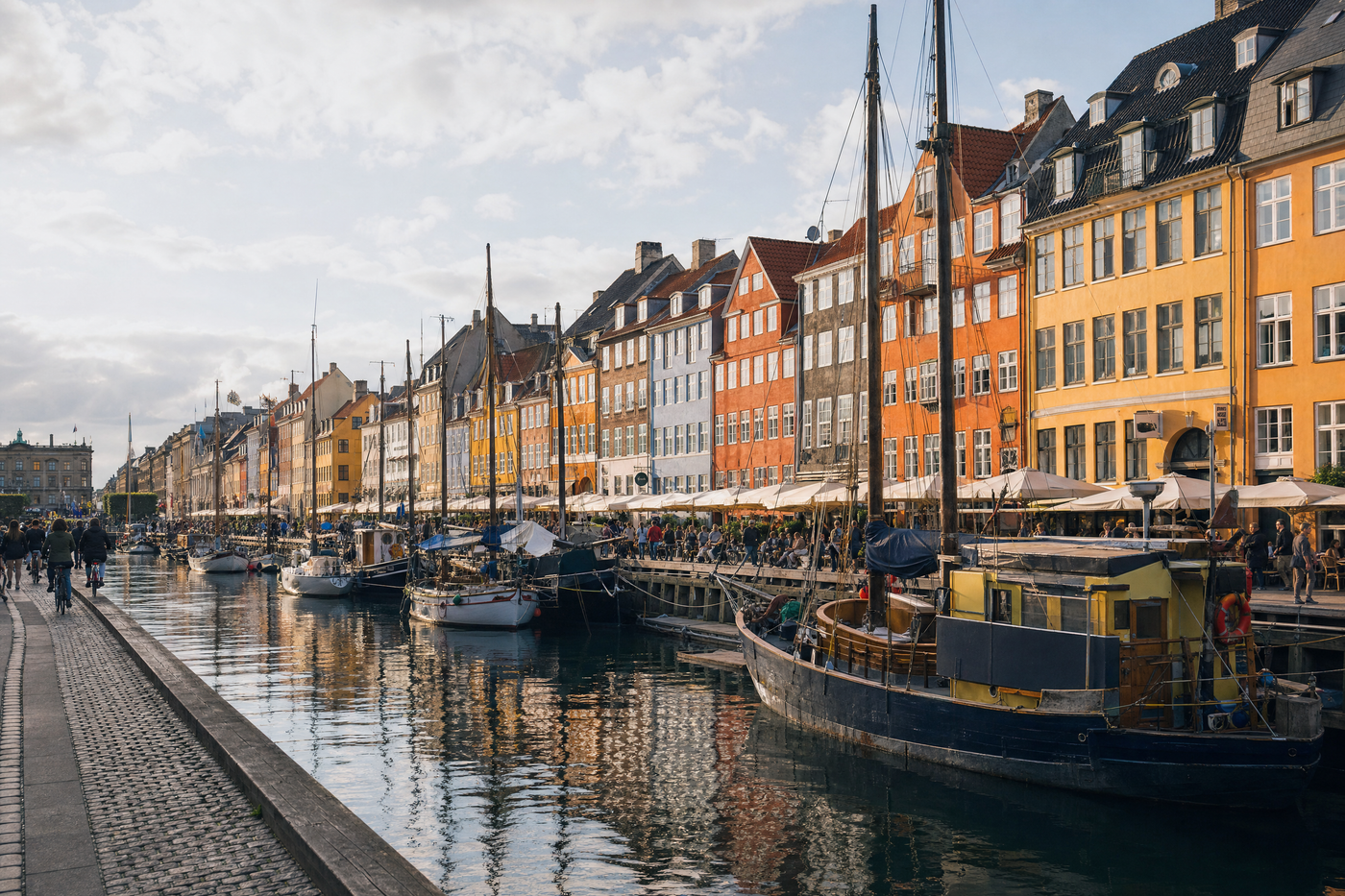
Copenhagen's districts all boast distinct personalities and practical perks. This guide matches neighborhoods with trip styles, budget ranges, transport links, and what to expect, making it easier to choose where to stay in Denmark's capital.
Copenhagen at a glance: how neighborhoods shape your stay
Copenhagen’s varied neighborhoods combine historical ambience, modern design, and inviting green spaces. Where you stay frames your experience—choose wrong, and you risk missed opportunities or long commutes. This decision guide identifies the character, accommodation options, transport links, typical pricing, and suitability for different travelers across major areas like Indre By, Vesterbro, Nørrebro, Østerbro, Frederiksberg, Christianshavn, and Amager. Whether you’re a food-focused couple, culture-seeking solo, or a family prioritizing parks, there’s a distinct spot for you.
Understanding the local geography is key: the central city is compact, but each zone brings its own blend of convenience, cost, and appeal. Use Copenhagen’s user-friendly metro, S-tog suburban trains, buses, and cycling routes to connect the dots. Below, we break down the districts so you can book with clarity and confidence.

Your trip deserves fewer tabs.
Start planning your tripIndre By (City Center): history, action, and total convenience
Indre By is Copenhagen’s heart—home to iconic sights like Nyhavn, Strøget shopping, Rosenborg Castle, and the canal district. If stepping out your door to discover landmarks is a priority, this is the place. Accommodation options cover luxurious heritage hotels, chic boutiques, modern apartments, and a few budget hostels. The atmosphere ranges from lively on main thoroughfares to more peaceful on side streets.
Who it suits: First-timers, couples looking for romance and classic vibes, solo travelers keen to maximize sightseeing, and anyone on a short visit. Families with children may find spaces tight and prices steep, but the proximity to attractions can outweigh these drawbacks.
Transport access: Excellent, with several metro stops (Kongens Nytorv, Nørreport), direct airport trains, and buses. Cycling is easy, but traffic and tourists can crowd central arteries.
Budget & safety: It’s Copenhagen’s priciest, though off-season deals surface. The area is safe, bustling day and night with plenty of lighting and police presence. Pickpocketing is rare but possible in crowded areas.
Vesterbro: creative energy, nightlife, and food scenes
Just southwest of the center, Vesterbro once had a gritty reputation but has transformed into one of the city’s coolest addresses. Trendy bars, street art, world-class restaurants, and hip shops line its main arteries. Popular locations include the Meatpacking District (Kødbyen) and leafy stretches leading to Sønder Boulevard.
Who it suits: Young couples and solo travelers who want nightlife, gourmet dining, and a relaxed yet lively atmosphere. Families may appreciate the sense of local community, proximity to Tivoli Gardens, and several well-equipped playgrounds, though some streets can be loud late at night.
Transport access: Vesterbro is directly served by Copenhagen Central Station, linking regional, national, and international trains. Metro and buses offer a quick hop into Indre By or the airport.
Budget & safety: Hotels range from luxury boutique to affordable chains and hostels. The main train station area can feel rough at night (some homelessness and open drinking), but other streets and squares are safe and welcoming.
Nørrebro: multicultural, creative, and affordable
Nørrebro exudes diversity and artistic flair, blending vintage thrift stores, Middle Eastern grocers, craft beer bars, and imaginative playgrounds. It’s more residential than touristy, with casual eateries and lush parks like Assistens Cemetery and Superkilen.
Who it suits: Budget-conscious travelers, solo explorers, families seeking authenticity and a relaxed pace. Couples who want to experience the city “like a local” will appreciate its bohemian cafés and vibrant street life.
Transport access: Metro service via Nørrebro and Nuuks Plads stations, plus robust bus connections. Cycling into town takes around 10-15 minutes; you’re a little farther from major sights but benefit from lower prices.
Budget & safety: Hotel costs are lower than city center equivalents, with many guesthouses and private rentals. Nørrebro is generally safe, though some streets can feel busy at night. Usual city caution suffices; violent crime is very rare.
Østerbro: calm, green, and family-friendly
For a quieter stay without losing easy access to attractions, Østerbro is a top contender. This leafy neighborhood mixes elegant apartment buildings, independent shops, and extensive parks including Fælledparken—the city’s largest green zone—and the Langelinie waterfront. It’s less touristy, ideal for restoring energy after long sightseeing days.
Who it suits: Families with children, nature lovers, travelers valuing peace and space. Couples after a slower pace will enjoy harborside walkways, cozy cafés, and a neighborhood feel. Solo travelers may appreciate the sense of safety, though nightlife is minimal.
Transport access: Served by both S-tog suburban trains and the M3 Cityringen metro line, travel downtown is a 10-minute ride. Cycling to the center is easy and safe thanks to Copenhagen’s bike infrastructure.
Budget & safety: Midrange hotels and serviced apartments dominate. It’s one of the safest, most tranquil districts—perfect for travelers prioritizing security and family comfort.

Turn your travel ideas into a plan.
Start planning your tripFrederiksberg: classic, independent, and garden-lush
Frederiksberg is technically its own municipality, but feels seamlessly part of Copenhagen. Elegant boulevards, designer shops, Frederiksberg Gardens, and a slower, upscale suburban vibe define the area. There’s a broad mix of hotels, guesthouses, and short-term rentals, with more space and a refined yet approachable atmosphere.
Who it suits: Couples after style and tranquility, families seeking high-quality accommodations and green space, and business travelers needing direct metro connections and meeting options. It’s less suited to those seeking late-night action or a bohemian scene.
Transport access: Multiple metro (M1, M2, M3) and bus stops connect easily to all parts of the city and the airport. Downtown is a 10-15 minute hop.
Budget & safety: Hotels tend toward mid- to upper-range, but comfort and amenities run high for the price. It’s a very safe, clean, and affluent area, with plenty of cafés for daytime mingling.
Christianshavn: canals, charm, and alternative spirit
Spread over islands east of the center, Christianshavn is famed for its picturesque canals, houseboats, and distinctive blend of old Denmark and avant-garde culture. Colorful homes, excellent bakeries, Michelin-starred restaurants (like Noma), and the free-spirited Freetown Christiania draw a fascinating mix of visitors.
Who it suits: Couples in search of romantic stays, foodies determined to try world-famous cuisine, and travelers eager for something quirky. Families will enjoy tranquil walks by the water, but the area is best for those comfortable with nonconformist vibes.
Transport access: Christianshavn metro station (M1, M2) puts the city center and airport within easy reach. Many attractions are walkable, but parts of the area are car-free and best explored by foot or bike.
Budget & safety: Boutique accommodations and a few canal-side hotels or B&Bs, plus private rentals, set prices a notch above Nørrebro or Amager. The area is very safe, though Christiania is unique—it’s usually peaceful, but caution is wise after dark and photography rules apply.
Amager & Islands Brygge: modern convenience and budget solutions
South of the old city, Amager and adjoining Islands Brygge offer an appealing mix of new-build hotels, budget chains, student-friendly eateries, and some of Copenhagen’s best-value water views. Amager is also home to the city’s largest beach (Amager Strandpark), spacious parks, and thriving bike routes.
- Who it suits: Budget travelers, families wanting outdoor play space, business visitors (the airport is minutes away), and anyone seeking a modern, residential vibe. Short-stay guests appreciate its practicality.
- Transport access: Metro connections (M1, M2) to the airport and city center are very quick—often under 10 minutes. Bike routes are flat and well-lit, with easy access even for Copenhagen newcomers.
- Budget & safety: Amager offers lower average prices than Indre By or Vesterbro, particularly on weekends. The area is very safe, well-policed, and family-friendly around Islands Brygge’s harbor baths and Amager Beach.
While not the most atmospheric, its comfort, space, and value make it an increasingly popular, low-fuss choice.
Neighborhood selection guide: matching trip styles to districts
- For couples: Indre By for classic romance; Christianshavn for canals and creative dining; Frederiksberg and Østerbro for peace and parks. Vesterbro appeals if you want lively nights and innovative bars.
- For families: Østerbro and Frederiksberg stand out for spacious parks, playgrounds, and calm. Amager offers affordable room to spread out. Indre By is practical for short trips but can be hectic.
- For solo travelers: Indre By and Vesterbro for central access and social hostels; Nørrebro for artsy, budget stays; Christianshavn for an offbeat solo adventure.
- For short breaks: Indre By or Vesterbro maximize your time, with convenient walks to most sights. Islands Brygge and Amager balance price and metro speed for no-nonsense trips.
Consider your priorities—ambience, cost, commute, and character—when narrowing down your options.
Budget realities: pricing, when to splurge, and how to save
Copenhagen ranks high on the list of Europe’s expensive cities, especially in hotel and dining costs. The most central and scenic spots—Indre By, Christianshavn’s canals, designer hotels in Vesterbro—command premium rates, especially in the May-September high season and around Christmas markets. Expect the widest choice and best value from November to March (excluding December weekends).
- Budget stays: Amager, Nørrebro, and parts of Vesterbro host affordable hostels and chain hotels, with plenty of cafés where you can make a meal of smørrebrød for under 60 DKK. Private apartment rentals offer kitchen access, a money-saver for families.
- Splurge-worthy moments: Romantic trips justify a Nyhavn canal hotel or a boutique room in Frederiksberg. Foodies might choose Christianshavn or central Vesterbro to be close to restaurants and bars.
- Saving strategies: Book early for prime deals, travel on weekdays, and look out for family rooms. The Copenhagen Card gives free transport and attraction entry—worth it for multi-sight days.
Don’t forget the metro and S-tog rail mean you can base yourself outside the center for less, while reaching all the sights within 15 minutes.
Getting around: metro, bikes, and public transport access
Copenhagen is celebrated for its excellent public transport, late-night services, and safe cycling infrastructure. The metro runs 24/7, with four lines (M1–M4) covering the city and airport linkage. S-tog commuter trains complement the system, and regular buses fill in the gaps for neighborhoods less served by rails.
If you prefer pedals to trains, the city’s well-maintained bike lanes make self-guided exploring straightforward—bikeshare programs and rentals are widely available, with helmets optional but encouraged. Most neighborhoods detailed above have metro access, and even outlying areas rarely add more than 10–15 minutes to journeys into Indre By.
Buy a City Pass for unlimited rides, or use the rechargeable Rejsekort card. Navigation apps (like Rejseplanen) are reliable and bilingual. Travelling as a family? Kids under 12 ride free with a paying adult on public transport.
Safety, comfort, and peace of mind: local realities
By European standards, Copenhagen is remarkably safe. Violent crime rates are low, and most problems are petty theft in busy tourist zones or on crowded public transit. Officers are visible in central districts, and emergency help is quick to reach any address. Families, solo female travelers, and LGBTQ+ visitors report high feelings of security—Danish social norms value respect and personal freedom.
Most neighborhoods are mellow even after dark. Only the immediate area around Central Station in Vesterbro and some side streets in Nørrebro can feel rowdier late at night; just use usual city sense. Tap water is safe and delicious, and hotels maintain high standards of cleanliness and environmental sustainability. Wherever you stay, you’ll be surrounded by Copenhagen’s famously friendly welcome.