Where to stay in Barcelona: neighborhoods, budgets and trip styles
 By Elena Hart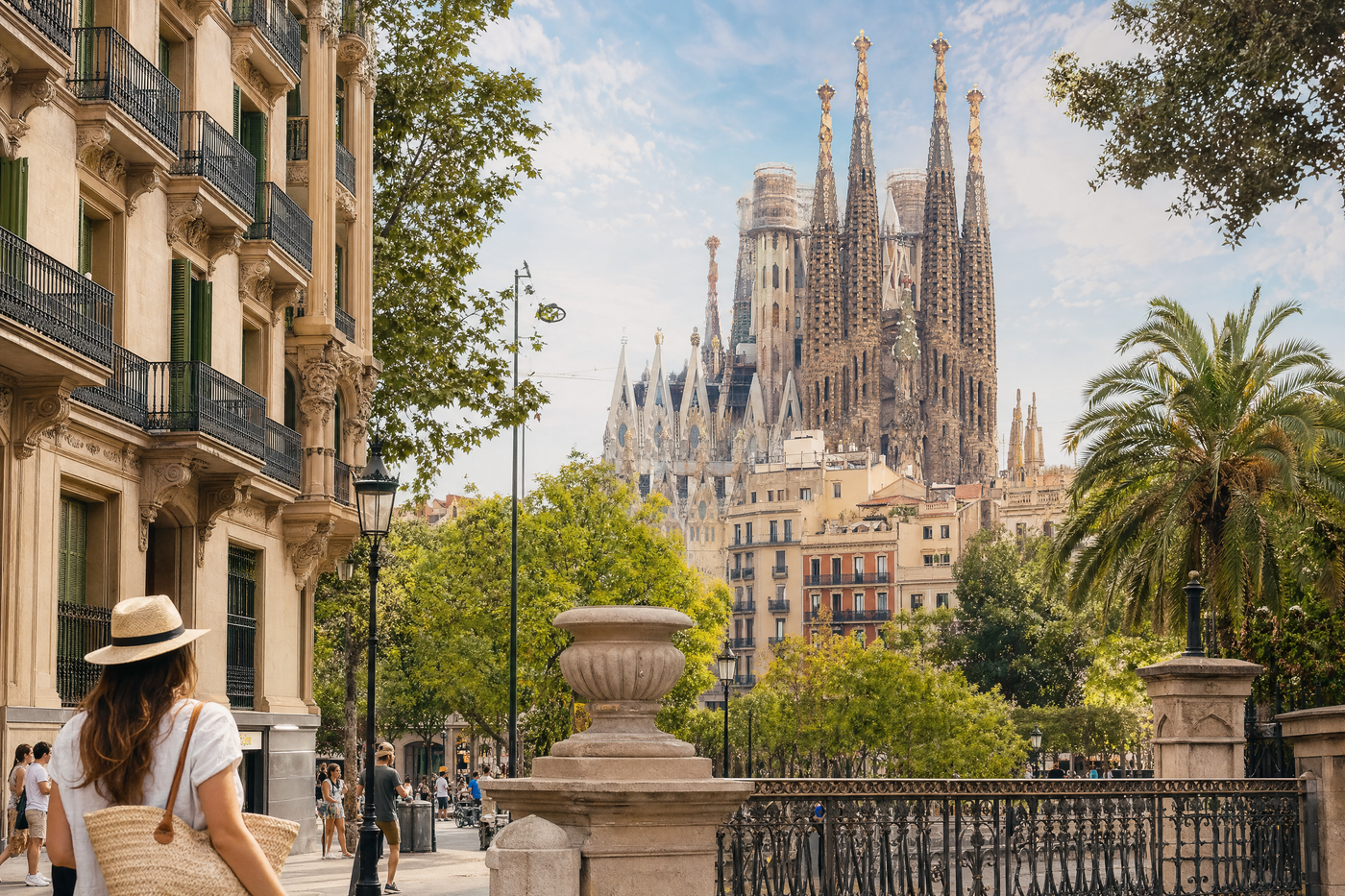
Barcelona is a city of distinct neighborhoods, each with its own vibe, price points, and accommodations. Discover where to base yourself—whether you’re a couple, family, solo traveler, or planning a quick escape—plus tips on transport, safety, and budgets.
Choosing where to stay: balancing experience, budget, and logistics
Barcelona’s spirit is tightly knit into its neighborhoods, or barrios. From historic alleys to breezy beachside boulevards, your choice of home base really shapes your experience. The city’s well-connected by metro and bus, but some areas are much better suited for families, couples, or solo explorers—and not all streets are equally peaceful or affordable.
This guide compares the top neighborhoods for travelers, what they offer in atmosphere, amenities, budget ranges, and who they suit best. Safety, convenience, and nearby sights are considered, along with practicalities like finding food, getting around, and sleeping well. Whether visiting for a romantic getaway, a family adventure, or a short stopover, you’ll find area-by-area advice below.

Your trip deserves fewer tabs.
Start planning your tripStay in the Gothic Quarter for atmosphere and walkability
Barri Gòtic is the most photographed part of Barcelona’s Old City, where medieval lanes, Gothic churches, and quirky boutiques are packed between La Rambla and Via Laietana. This district is about as central as it gets, close to major sights like the Cathedral, Plaça Reial, and countless tapas bars.
Who it suits: Couples seeking romance, solo travelers who want endless cafes and nightlife outside the door, and culture fans. Families may find streets sometimes dark or confusing, and parking is tricky.
Budget: Mid to high. Most hotels are boutique properties in historic buildings; some budget hostels and apartments exist but book up fast.
Safety note: Crowded streets attract pickpockets, and the area can be noisy. Expect late-night sounds, especially near main squares—pack earplugs if you’re a light sleeper.
El Born: creative energy and local flavor
El Born, adjacent to the Gothic Quarter, is an artsy, bohemian hub. Narrow alleys reveal art studios, bars, and quirky shops. Home to the Picasso Museum, Santa Maria del Mar church, and trendy boutiques, the neighborhood is busy without feeling overwhelming.
Who it suits: Young couples, solo travelers, creatives, and anyone who wants to mingle with locals while staying close to historic sights but out of the La Rambla crowds. Families with older children enjoy the proximity to Ciutadella Park.
Budget: Midrange for hotels and apartments, with a few hostels and high-end options. Fewer chain hotels than in Eixample or along the beach.
Transport: Jaume I and Barceloneta metro stations are nearby. The neighborhood is walkable but unevenly paved.
Eixample: modernist grid and wide boulevards
Eixample is Barcelona’s 19th-century expansion, designed in a grid of broad, tree-lined avenues and home to architectural icons like Sagrada Família and Casa Batlló. The district is bisected into Esquerra and Dreta—the left and right sides—each with a slightly different feel.
Who it suits: Couples, families, business travelers, and anyone who values comfort, reliable amenities, and easy transit. Streets are wide, well-lit, and less hectic than the Old City; it’s a favorite for those seeking calm after a day exploring.
Budget: Broad range: everything from luxury hotels and reliable midrange stays to some affordable pensions. Apartments are popular for longer visits.
Transport: Multiple metro lines (Passeig de Gràcia, Diagonal, Universitat, and more). Easy access to airport and regional trains.
Gràcia: laid-back village with a local feel
Gràcia was once its own town and still holds an independent, creative spirit. Quiet squares, community markets, indie cinemas, and cafes fill its walkable streets. Though it’s just 20 minutes from Plaça de Catalunya, Gràcia feels a world apart from downtown hubbub.
Who it suits: Families, long-stay travelers, and those who love authentic neighborhood life. Safer and more relaxed than the city center, with playgrounds and parks nearby.
Budget: Midrange to upscale with guesthouses and small hotels. Plenty of rental apartments at varying price points, especially for longer visits.
Transport: Fontana and Joanic metro stations connect you to the city. The area is a little hilly—best for walkers.

Turn your travel ideas into a plan.
Start planning your tripBarceloneta and the beaches: sea breezes and lively boardwalks
For travelers who crave sand and sea, Barceloneta and the nearby Vila Olímpica cater to sunbathers, water sports fans, and nightlife seekers. While once a fishing district, Barceloneta is now lined with beach hotels, paella restaurants, and ice cream stalls.
Who it suits: Families with older kids, couples seeking lazy days and romantic sunsets, groups of friends, and anyone visiting in summer. Nightlife can be lively; quieter streets can be found further from the shore.
Budget: Mid to high, with some beachfront hostels and apartments catering to all pockets. Prices surge in summer—advance booking is advised.
Safety note: Busy in the evenings and on weekends. Watch for pickpockets on the beach; avoid isolated stretches at night.
Poble-sec and Montjuïc: budget-friendly and authentic
Poble-sec sits at the foot of Montjuïc hill, providing a more chilled-out vibe while remaining near the city center. The area boasts a thriving tapas scene on Carrer de Blai, independent bars, and quick access to Montjuïc’s parks, Olympic sites, and views.
Who it suits: Solo travelers, budget-conscious couples, culinary explorers, and anyone seeking authentic local flavor without the bustle of Old Town. It’s also a smart choice for short stays and event-goers at Fira de Barcelona.
Budget: Low to midrange; a good selection of hostels, pensions, and small hotels. Value for money can be excellent, particularly outside festival periods.
Transport: Paral·lel metro links to downtown in minutes. Bus and funicular provide access to Montjuïc.
Sant Antoni and Sant Martí: up-and-coming and well-connected
Sant Antoni, adjacent to Eixample, is famous for its food market and emerging dining scene. Sant Martí to the northeast, including Poblenou, is transforming from industrial hub to tech, arts, and startup district, with lively urban beaches and modern hotels.
- Who it suits: Millennials, digital nomads, families who value space or travel on a budget, and visitors curious about daily Catalan life.
- Budget: Sant Antoni: midrange to affordable; Sant Martí: affordable for apartments, a mix of business hotels, a few luxury offerings nearer the water, and family-friendly self-catering options.
- Transport: Sant Antoni and Poblenou both have direct metro lines into the center and to Sants station. Taxis are easy to hail.
These areas are less touristy, offer great street food and shopping, and strike an appealing balance between urban comfort and local authenticity.
Hotels, hostels, apartments: choosing your lodging type
Barcelona’s accommodation scene covers boutique hotels, design-led hostels, guesthouses, and rental apartments. Each fits particular needs and budgets:
- Hotels: Most suitable for short stays. Range from grand 5-stars in Eixample to affordable chains in Sant Antoni and Poble-sec. Many central hotels in historic areas are set in centuries-old buildings—elegant but occasionally compact.
- Hostels: Major options are concentrated in El Raval, Eixample, and beach zones. Best for solo travelers, groups, or those who prioritize social atmosphere and low costs.
- Apartments: Ideal for families, longer visits, or those who want to cook. Rented legally through registered platforms. Spacious, with more privacy, but check location and building safety before booking.
Tip: Book as early as possible for peak months (April–September), and always confirm that apartments are officially licensed.
Transport access and getting around from your base
Barcelona’s metro, tram, and bus system means almost any neighborhood is within 30 minutes of the main sights. However, your choice of base affects everyday convenience:
- Old City (Gothic, Born): Most central, easily walkable. Metro stations are frequent; streets are narrow, so expect some walking with luggage.
- Eixample & Gràcia: Direct metro and FGC commuter trains for easy city and airport access. Taxis and buses are plentiful.
- Barceloneta & Sant Martí: Metro lines connect to central hubs; cycling and waterfront tram are popular options.
- Poble-sec & Montjuïc: Good bus/metro access, with quick links to Sants rail station and El Prat airport.
Tip: Consider how close your hotel is to a metro stop and if you’ll need to carry bags far or up steep hills (especially in Gràcia and Montjuïc).
Budget considerations and managing costs
Accommodation prices in Barcelona fluctuate by neighborhood, season, and local festivals such as La Mercè or conferences at Fira de Barcelona. Here’s what to expect:
- Peak rates: Late spring, summer, and holidays see prices jump by up to 50%. Early booking reduces stress and cost.
- City center: Gothic Quarter and El Born demand the highest per-night costs. Go north to Gràcia or out to Sant Martí for the best deals.
- Value hotspots: Poble-sec, parts of Eixample, and Sant Antoni have high quality-to-price ratios—especially for rooms with modern comforts, balconies, or amenities like breakfast included.
- Added fees: Tourist tax (per person, per night) is charged at most licensed properties. Apartments may ask for extra cleaning or security deposits.
Set a realistic budget, factor in taxes and extras, and compare across areas during your dates. If traveling as a group or family, apartments often reduce overall costs.
Safety tips and nighttime atmosphere
Barcelona is generally safe, but travelers should take normal big-city precautions. Some areas require extra attention after dark, and certain tips maximize your peace of mind:
- Pickpocketing: High risk in crowded zones—especially La Rambla, metro stations, and beaches. Keep bags zipped, valuables close, and avoid distractions from strangers.
- Late night: El Raval and some parts of the Old City are lively but can feel edgy at night. Eixample, Gràcia, and Sant Antoni are quieter, especially on residential streets.
- Beachfront & port: Crowds thin after midnight. Stick to well-lit routes and avoid walking alone along dark or empty stretches.
Whether choosing a hotel or an apartment, ask about building security, especially in older areas. If you prioritize quiet, request internal rooms or those away from major squares; Barcelona nights can be long and loud.
Quick picks: where to stay for different trip styles
- Romantic escapes: Gothic Quarter for history-laden intimacy, El Born for evening strolls and cozy bars, and Gràcia for village charm.
- Family trips: Eixample and Gràcia for space, playgrounds, and quieter nights; Barceloneta for beach days with older kids
- Solo traveler adventures: El Born, Poble-sec, or Sant Antoni for friendly atmosphere, walkability, and diverse eating-out options.
- Short city breaks: Gothic Quarter, Eixample, or Sant Antoni for immediate access to top sights and transit hubs.
Each area offers a different flavor of Barcelona. Decide your priorities—walkability, nightlife, quiet, or local living—and match your accommodation style and budget accordingly for a rewarding stay.