Where to stay in Barbados: neighborhoods, budgets and trip styles
 By Elena Hart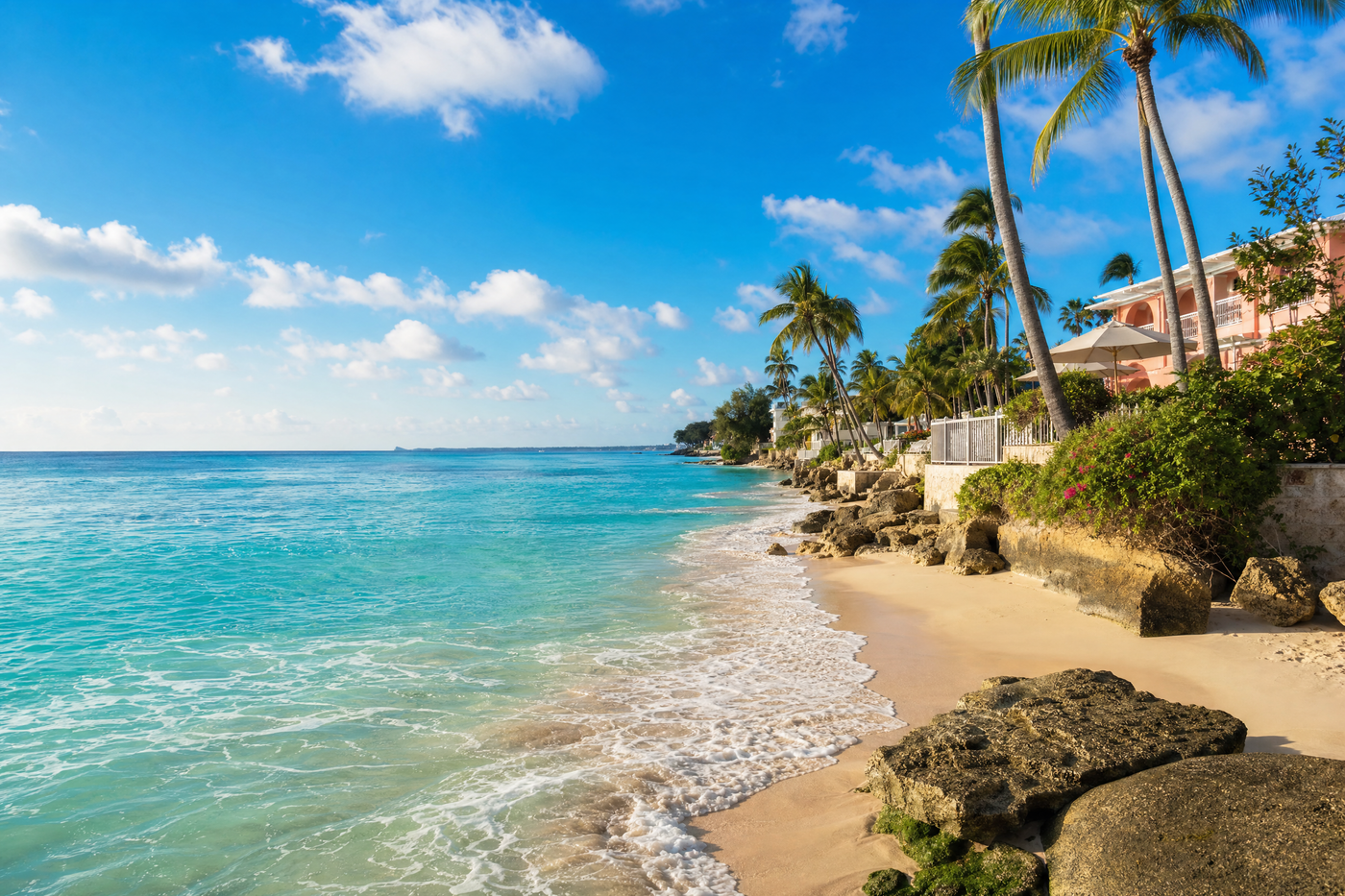
Barbados entices with sun, culture, and a broad choice of neighborhoods. Use this guide to understand the island’s districts, recommended stays, safety, and transport for every trip style and budget.
Barbados at a glance: understanding the island layout
Barbados rewards travelers with a compact but varied geography. The island is about 21 miles long and 14 miles wide, with roads connecting its vibrant capital, beach resorts, historic towns, and local villages. The South and West Coasts host the majority of hotels and guesthouses, while the East is more rugged and undeveloped. Bridgetown, the nation’s capital, offers urban energy but most visitors spend their nights elsewhere for easier beach access and a more relaxed vibe.
By understanding the island’s major regions—South Coast, West Coast, East Coast, Bridgetown, and the always lively St. Lawrence Gap—you’ll be able to match your trip style, schedule, and budget to the neighborhood that fits you best. Each area has specific benefits and considerations, from nightlife to family-friendliness and price.

Your trip deserves fewer tabs.
Start planning your tripThe South Coast: lively, social, and accessible
The South Coast, particularly from Bridgetown to Oistins, is a favorite among many visitors. It’s known for a relaxed spirit, a walkable strip of beaches, and easygoing restaurants and bars along the main road. You’ll find towns like Hastings, Rockley, Worthing, and Maxwell, each offering accessible accommodations at a wide range of price points.
Public transport is excellent here; local minivans and government buses run frequently along the coast, making it easy to reach Bridgetown, the Grantley Adams International Airport, or even head east to more local villages. The South Coast buzzes after dark without being rowdy. Expect friendly locals, street food (especially the Oistins Friday Night Fish Fry), and plenty of budget guesthouses alongside midrange resorts. This region is a solid choice for couples, families, and solo travelers alike who want balance between activity and relaxation.
Who should stay on the South Coast?
- Couples: Plenty of beachfront hotels with easy dinner and date options.
- Families: Calm swimming beaches, playgrounds, and rental apartments.
- Solo travelers: Friendly atmosphere, walkable nightlife, and good local hostels and guesthouses.
- Short stays: Proximity to the airport and major sights make this region efficient for shorter trips.
If you’re seeking a classic Barbados beach trip with the convenience of transit, grocery stores, and varied dining, the South Coast is an excellent starting point.
The West Coast: luxury, calm waters, and secluded stays
The West Coast, sometimes called the “Platinum Coast,” stretches from Bridgetown up through Holetown and Speightstown. This region boasts white-sand beaches and tranquil Caribbean waters ideal for swimming and snorkeling. It’s known for polished hotels and posh villas, attracting a crowd seeking elevated service and tranquility.
Upscale travelers, honeymooners, and privacy-seekers gravitate here. Accommodations range from all-inclusive luxury resorts to smaller upscale inns. Dining is gourmet, nightlife subdued, and the beaches uncrowded, making this area perfect for relaxing or celebrating a special occasion.
Who should stay on the West Coast?
- Luxury travelers: The best hotels and serviced villas are here, with attentive concierges and spa facilities.
- Couples or honeymooners: Romantic sunsets and quiet, walkable beaches.
- Families: Some upmarket properties offer kids’ clubs, shallow bays, and attentive service.
- Longer stays: Ideal for extended vacations where privacy and leisure top the list.
Do note that the West Coast is not the most budget-friendly region, and affordable options are limited. You’ll want a rental car or to make use of taxis for maximum flexibility if staying here, as public transport is less frequent than on the South Coast.

Turn your travel ideas into a plan.
Start planning your tripSt. Lawrence Gap: nightlife, dining, and youthful flair
St. Lawrence Gap—or "the Gap"—is a stretch of lively nightlife, live music, dining, and energetic beach action. Located on the South Coast between Worthing and Dover, it’s famous for bars, clubs, street eats and a youthful, international energy. Accommodations range from boutique hotels to self-catering apartments, with plenty of midrange and budget-friendly stays.
The Gap’s central location puts you steps from restaurants and minutes from the beach—so everything’s accessible on foot. However, nights can be noisy, so early sleepers may want quieter rooms away from the main drag. This neighborhood attracts couples, groups, solo travelers, and short-stay visitors hoping to maximize their Barbados experience in just a few days.
Who should stay in St. Lawrence Gap?
- Night owls: Pubs, live reggae, and dancing stay active most of the week.
- Youthful travelers or groups: Social hostels and shared apartments make this area affordable and fun for meeting others.
- Solo travelers: Easy to make new friends and find a lively scene.
- Short-stay visitors: Quick beach access, minimal commuting, and everything within a compact strip.
While generally safe, be mindful of your belongings late at night and stick to well-lit, busy areas for peace of mind. The Gap can feel hectic when big events are on, but for many, that energy is the appeal.
Bridgetown: historic centrality and urban bustle
Bridgetown, the UNESCO-listed capital, offers colonial heritage, island markets, and a connecting hub to the rest of Barbados. Tourist appeal here centers on cultural sightseeing, shopping, and harbor views more than beaches—though Carlisle Bay is right next door for sand and swimming.
Accommodation is mostly business hotels or budget options, catering to travelers who value being in the heart of the action or need an efficient city base for meetings or quick-stop travel. There’s easy access to public transport, taxis, and the central bus terminal, making it a strategic location for sightseeing across the island.
Although Bridgetown is less popular for classic beach vacations, it’s a solid choice for travelers who want to dig into the local life, have limited time, or appreciate the energy of a small Caribbean capital.
The East Coast: wild beauty and seclusion
For a dramatically different Barbados, the East Coast’s Bathsheba, Cattlewash, and Belleplaine offer windblown, craggy coastlines and Atlantic surf. Popular with surfers, hikers, and tranquility seekers, the East Coast is lightly built up with only a handful of guesthouses and eco-lodges. The beaches are stunningly beautiful but the rough seas make most unswimmable—a point to strongly consider for families with young children.
Those who come here are rewarded with miles of space, unhurried local towns, and the chance to fully unplug. Dining and nightlife are limited, so a rental car or willingness to embrace a pared-down itinerary is essential. Safety concerns are low here, but nighttime driving on unlit country roads requires extra caution.
Who should consider the East Coast?
- Nature lovers and adventurers: Trails, rugged scenery, and easy access to surf spots.
- Long-term travelers: Artists and writers often find inspiration in the solitude and landscape.
- Couples: Escape the crowds and enjoy serene, remote guesthouses.
- Relaxation seekers: Beach strolls and panoramic vistas at a gentle pace.
If you pick the East Coast, plan on fewer amenities but more personal space. This region is not the best fit if walkable restaurants, swimmable beaches or nightlife are high priorities for your stay.
Transport and getting around
Getting around Barbados is generally straightforward. Most main hotel districts are connected by frequent government buses and private "ZR" vans. On the South Coast, the coast road operates nearly 24/7, making transfers cheap and easy for most visitors. The West Coast operates on a more intermittent schedule—good for leisurely getaways, less so if you need to be mobile without a car.
Renting a car gives you full flexibility, especially if you want to explore the East Coast, go on self-guided tours, or stay in quieter villa neighborhoods. Bridgetown is a transit hub, and taxis are easy to find across the island. Cycling is another enjoyable, eco-friendly option for short distances along flatter routes.
Consider your location and activities: A car may be unnecessary for stays focused on beach time and walkable nightlife. For more remote or exploratory trips, a vehicle opens up Barbados’s less-touristed gems.
Budget comparison and safety notes
Barbados accommodation prices vary by region, proximity to the beach, and travel season. The South Coast and St. Lawrence Gap offer the widest price range, with shared hostels and self-catering apartments at the budget end and a handful of higher-end resorts. The West Coast skews pricier, often attracting travelers comfortable with splurge spending. The East Coast is generally affordable, but accommodations are fewer and more rustic.
Safety is generally high island-wide, but care should be taken with valuables, especially in busier areas at night. Look for well-reviewed properties with good lighting and on-site staff. In wilder or more rural areas, it’s prudent to avoid isolated night walks and check local advice for storm seasons or rough sea conditions. Road safety is a particular issue in Barbados, so driving at night away from main roads should be approached with caution. For solo or first-time visitors, sticking to established neighborhoods can bring extra peace of mind.