Washington DC in three days: a balanced itinerary for first-time visitors
 By Elena Hart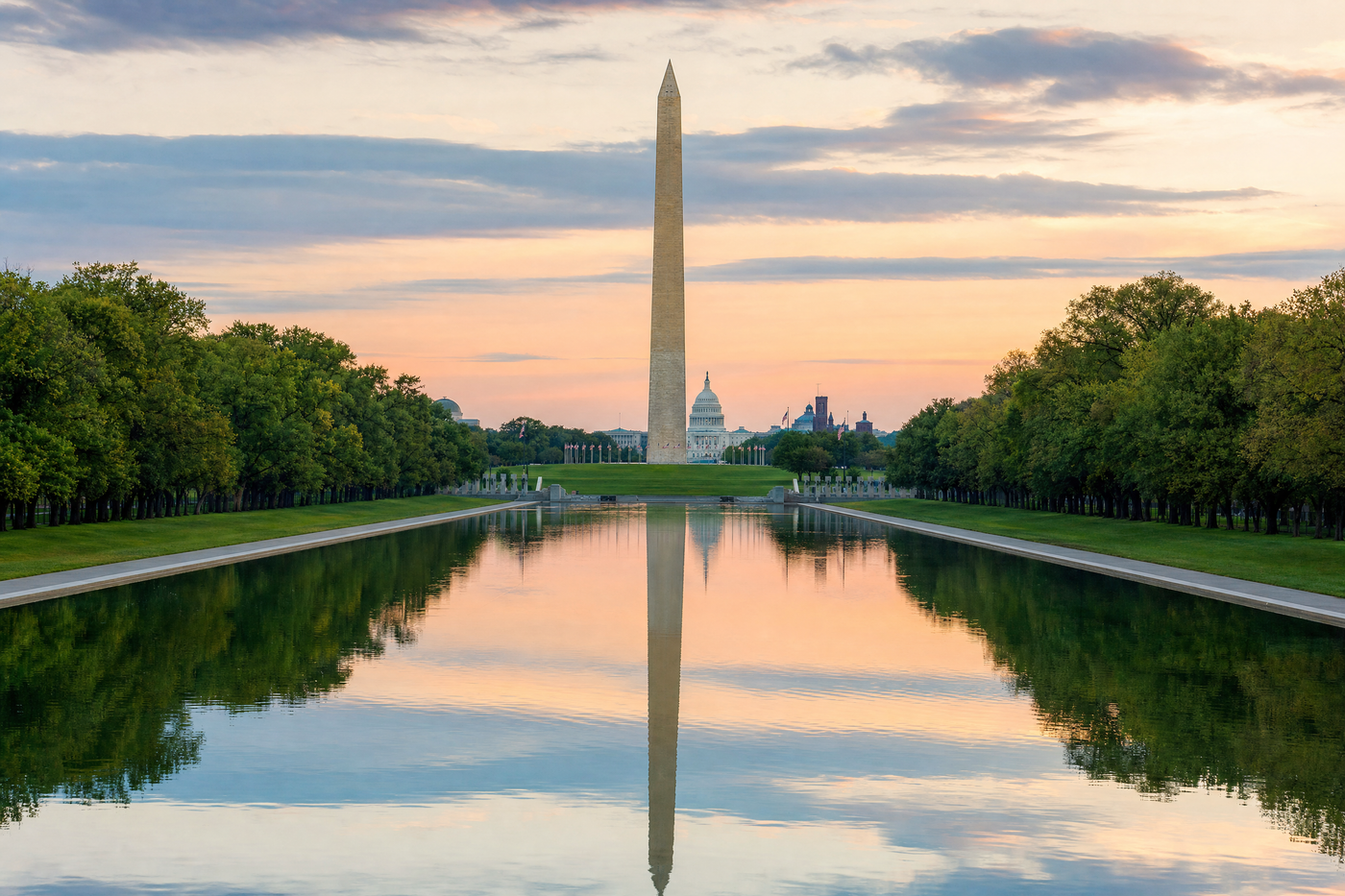
Make the most of your first visit to Washington DC with a three-day itinerary that blends iconic sights, local flavors, and time to relax and explore at your own pace.
Why pace matters in Washington DC
Washington DC offers some of the country’s most iconic landmarks, vast museums, and a walkable city layout. But first-time visitors are often surprised by long walks, packed museums, and the sheer scale of the National Mall. Planning a realistic itinerary can mean the difference between exhausted frustration and a memorable visit. This guide takes into account transit options, security lines, and the need to pause for lunch or coffee along the way.
Beyond the grandeur, DC is a living city. Dedicated green spaces, inviting restaurants, and down-to-earth neighborhoods add depth. You’ll find not just monuments but also markets and independent bookstores, and locals grabbing a drink after work. A paced approach helps you plug into these rhythms, rather than just ticking off bucket-list sites.

Your trip deserves fewer tabs.
Start planning your tripDay one: iconic national mall and downtown
Your introduction to the nation’s capital starts where history and grandeur meet: the National Mall. Start your morning at the U.S. Capitol (advance tour reservations recommended). If you’re interested in politics, the Library of Congress across the street is worth your time for its architecture and fascinating exhibits.
Meander down the Mall toward the Smithsonian museums. The National Gallery of Art’s West and East buildings house masters old and new and make a balanced pairing if you mix classic and contemporary. Plan a leisurely lunch at Café at the National Gallery—crowded but genuinely good—before exploring one or two nearby Smithsonian museums. The top picks for first-timers are the National Museum of American History and the National Museum of Natural History. Focus on highlights; each can take a whole day to do thoroughly, so don’t overschedule.
Food stops: where to refuel
For breakfast, grab coffee and a pastry at Ebenezers Coffeehouse (across from Union Station) or Le Pain Quotidien near the Mall. Lunch at museum cafes is practical and offers a welcome rest without leaving the action. If you’d rather step outside, walk a few blocks north for a sandwich at Paul Bakery in Penn Quarter.
Dinner options abound downtown. Reserve a table at Jaleo (Spanish tapas, Jose Andres’s flagship), Carmine’s (family-style Italian), or cross to Chinatown for dough zone dumplings. If energy allows, finish your day with a cocktail at The Denson, a relaxed speakeasy-style bar tucked underground on F Street. Note that popular places fill fast: OpenTable reservations are advised especially for dinner.
Common mistakes on the Mall
- Packing too much in: The Mall is larger than it looks, and museum fatigue is real. Plan for 2-3 major sights, max.
- Underestimating walking distances: Wear sturdy shoes and pace yourself with planned rests; the Smithsonian Castle to Lincoln Memorial is nearly two miles.
- Skipping security lines: Arrive early to minimize wait times at museums and monuments.
- Forgetting hydration and sunscreen: Even in cooler weather, the long stretches outdoors can be draining. Water is available at refill stations, and many museums allow you to bring a water bottle.
Sticking to a tight, flexible plan helps you linger over surprises and not just race between monuments.
Booking essentials and transit tips
Admission to most national sites and museums is free, but reservations are needed for a few, such as Capitol and White House tours (apply weeks in advance via your Congressional representative for the White House). High-profile museums like the National Museum of African American History and Culture often use timed ticketing, especially in peak months. Always check for updates on official sites.
DC’s Metro is reliable and clean, with stops at Smithsonian, Federal Triangle and Union Station covering most central attractions. Buy a Metro card (or use Apple/Google Pay) for flexible travel. If you’re staying near the Mall, expect to walk 4-8 miles daily. Bike-share stations are common and handy for connecting between distant sites, while ride shares and taxis are best saved for evenings or if you’re traveling with mobility needs.

Turn your travel ideas into a plan.
Start planning your tripAfternoon: monuments and reflective spaces
Once you’ve recharged with lunch, set out for the western end of the Mall. The walk from the Washington Monument through the World War II Memorial, along the Reflecting Pool, and up the steps to the Lincoln Memorial is one of DC’s most classic experiences. Take your time—these open-air sites are made for contemplation and photography.
Feeling energetic? Continue to the Martin Luther King, Jr. and Franklin D. Roosevelt Memorials along the Tidal Basin. These offer quieter, tree-lined paths and stunning views of the Jefferson Memorial across the water, especially in spring and fall. You’ll find public restrooms and occasional snack stands if you need a pause. Allow extra walking time, and don’t skip short breaks on shaded benches.
Day two: neighborhoods and hidden gems
If day one was all about national narratives, day two dives into daily life and local color. Start your morning in the historic Capitol Hill district with breakfast at Eastern Market, a vibrant food hall full of local vendors and baked goods (and a farmers’ market on weekends). Browse the nearby Bookstore Row for a quick literary fix.
Spend your late morning exploring the U.S. Botanic Garden—lush, compact, and crowd-free—before venturing up Pennsylvania Avenue to the National Archives. The Rotunda with its founding documents is essential, but the Public Vaults tell broader, lesser-known stories. Complete your morning with a walk to the Navy Memorial Plaza, a people-watching hotspot surrounded by cafes.
Lunch and local eats
Capitol Hill doesn’t skimp on lunch choices. Ted’s Bulletin is famous for its homemade pop tarts and retro all-day menu (go early for the cinnamon roll or signature burger). For something lighter, Good Stuff Eatery offers farm-fresh salads and craft burgers. If the weather’s right, take your food to nearby Stanton Park for a picnic and a breather.
Heading into the afternoon, consider treating yourself to a coffee at Peregrine Espresso—the city’s indie favorite—before you continue. This is the time to let wanderlust guide you; the side streets of Capitol Hill reward slow exploration and detours through leafy squares.
Afternoon: museums off the beaten path
- Hillwood Estate & Gardens: A metro and taxi ride away, this lush estate features fragrant gardens and a world-class collection of Russian imperial art.
- The Phillips Collection: In Dupont Circle, this intimate museum is a gem for fans of Impressionist and modern masters, best reserved with advance timed tickets.
- National Portrait Gallery: Back in Penn Quarter, this Smithsonian-run museum features stunning portraits, a tranquil courtyard, and extended hours on some evenings.
Choose one of these depending on your interests and stamina—smaller spaces let you engage more deeply without the crowds of the main Mall museums.
Evening: dining and nightlife in Penn Quarter
The city’s nightlife shines in the revitalized Penn Quarter. For dinner, try Zaytinya (Mediterranean mezze, another Jose Andres gem) or the locally beloved Daikaya ramen house. For a unique post-dinner experience, catch a show at the historic Ford’s Theatre—book tickets well in advance—or see if there’s a performance at the volunteer-run Shakespeare Theatre Company nearby.
If you’d prefer something low-key, stroll the area’s illuminated public art or grab an artisanal gelato at Dolci Gelati for a sweet finish to your evening. The Gallery Place-Chinatown Metro makes returning to most hotels quick and easy.
Day three: Georgetown, Potomac river, and final discoveries
Wrap up your visit with DC’s historic waterfront. Georgetown’s cobblestone streets and C&O Canal make for a scenic, slower-paced morning. Start with breakfast at Baked & Wired (exceptional coffee and massive cupcakes), then explore the canal towpath or peek into the independent shops along M Street and Wisconsin Avenue.
The Georgetown Waterfront Park offers riverside walking trails and kayak or paddleboard rentals from April through October. For cultural enrichment, visit Dumbarton Oaks, a museum and garden nestled in the neighborhood’s residential heart. Advance tickets are sometimes needed for the gardens in peak season.
Final afternoon: relaxing and looking back
Lunch in Georgetown is best enjoyed slowly. Try Martin’s Tavern (classic DC comfort food, steeped in presidential history) or Chaia Tacos (vegetarian, fresh, creative) on Grace Street. Don’t rush your meal—the spirit of the neighborhood is about lingering and people-watching.
If you have a few hours left before a flight or train, stroll along the Potomac walking paths, revisit any favorite spots, or drop into the Anderson House on Embassy Row for a quick museum stop. For a relaxed finale, ride the DC Circulator bus back toward downtown—its scenic route provides one last look at the city’s blend of classic and contemporary.
Stay flexible and let curiosity guide you: that’s the key to a rewarding DC trip. With this balanced, well-paced itinerary, you’ll see Washington’s top sights and discover its quieter pleasures too. Safe travels!