Sydney on a budget: how to save money without missing the best parts
 By Samir Cole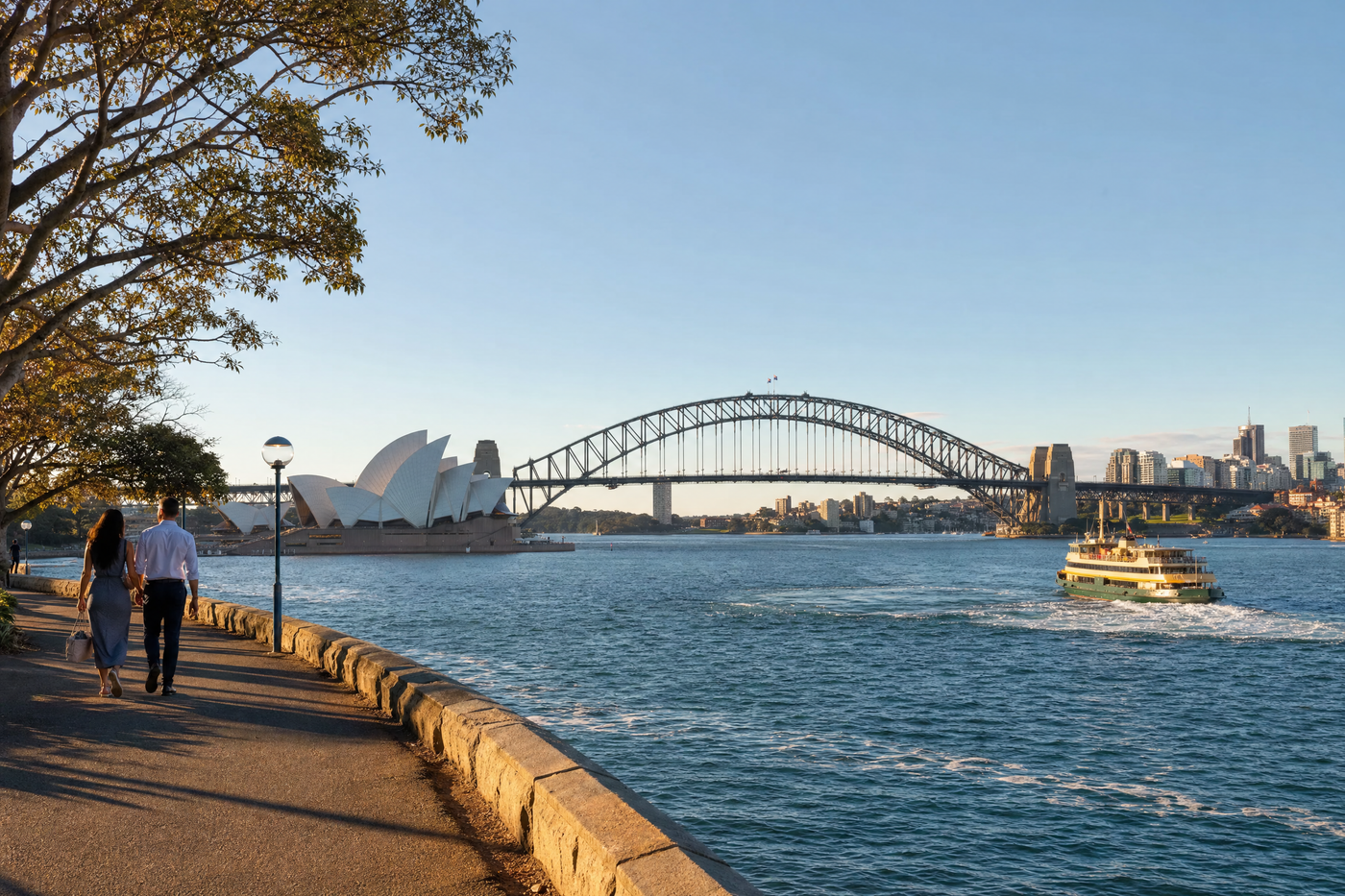
Experience the best of Sydney without overspending. This guide separates what’s worth a splurge from where to save, offering practical advice for local travel, sights, eating, and timing—so you can enjoy Sydney’s famous charm on your terms.
Start with savvy timing: when to visit Sydney for savings
Sydney’s coastal appeal draws visitors year-round, but when you go can make a major difference to your final bill. The high season coincides with the Southern Hemisphere’s summer—from mid-December to the end of February, alongside a December holiday and festival rush. Expect higher airfares, pricier accommodation, and longer queues during this time.
For the best balance of good weather and deals, target the so-called “shoulder seasons.” That’s September to early December and March to May. Mild weather, fewer crowds, and more reasonable accommodation costs make these months ideal for budget-focused travelers. You’ll still enjoy outdoor activities and swimming, minus the packed beaches.
Shoulder-season airfares often undercut summer prices by up to 30%, and booking a few months ahead typically brings the lowest rates. Public events—like Vivid Sydney in late May–June—can fill hotels, so check local calendars to avoid costly surprises. As a bonus, many tours and attractions offer occasional discounts at these quieter times, further stretching your travel fund.

Your trip deserves fewer tabs.
Start planning your tripSmart stays: finding accommodation that balances comfort and cost
Where you sleep is often the biggest expense, but Sydney offers options for nearly every budget. While big-brand hotels dominate the city center, affordable alternatives are plentiful with a little planning. Hostels aren’t just for backpackers; choices like the YHA at The Rocks or Railway Square mix social atmosphere, private rooms, and central locations. Their modern facilities (think rooftop pools and kitchen access) outshine typical hostel stereotypes.
Consider apartment rentals or serviced apartments if you’d rather self-cater. These often come with kitchenettes, saving on meals, and many are in appealing districts like Surry Hills, Paddington, or Glebe. Boutique hotels just outside the CBD—especially near Central Station or in leafy Potts Point—can offer style at a fraction of downtown rates.
For the deepest savings, broaden your search to suburbs within a 15-minute train ride from the city: Newtown, Redfern, and Bondi Junction combine easy access with affordable cafés and supermarkets. If you’re visiting during festivals or major events, book as early as possible to lock in lower prices before they spike.
Getting around: using Opal cards and public transport to your advantage
Sydney’s public transport network—buses, trains, light rail, and ferries—makes it simple to explore on a budget. Pick up an Opal card at the airport, train stations, or convenience stores. This smartcard unlocks discounts versus cash fares and caps your spend: after AUD $17.80 per day or $50 weekly, further standard travel is free except for airport station fees. Sundays are even cheaper, with a $8.90 cap for unlimited travel. Kids and pensioners receive further concessions.
Must-dos like the ferry to Manly become budget-friendly sightseeing—don’t miss sailing past the Opera House and under the Harbour Bridge. Plan your journeys with the TripView or Transport for NSW app, which find the fastest connections and highlight where to tap in and out with your Opal card. If you’re spending a week or more, these cumulative daily caps mean you can day-trip to beaches, bushwalks, and Sydney suburbs almost for free by week’s end.
Beyond the Opal network, Sydney’s walking and cycling infrastructure is solid. Vivid street art, lively parks, and coastal walks are best experienced at your own pace (and price: free).
Free classics: Sydney’s best sights that don’t cost a cent
- Bondi to Coogee Coastal Walk: This clifftop stroll is one of the city’s icons. Six kilometers of ocean outlooks, sandstone headlands, and sandy beaches connect laid-back Bondi with cool Coogee. Pause for swims at Tamarama or Bronte, watch for migrating whales between May and November, and bring a picnic to harvest more savings.
- Royal Botanic Garden: Sitting between the Opera House and the harbor, these gardens house native flora, art installations, and panoramic views. Entry is free and guided walking tours are offered regularly.
- Art Gallery of New South Wales: Admission to the main collections is free, covering European masters, Asian art, and standout Australian works. Check their calendar for cost-free late-night events and talks.
- Markets and local color: Find a rotation of street markets like Glebe Markets (Saturdays), Bondi Markets (Sundays), and Carriageworks Farmers Market. Browsing is free—and a fun way to experience Sydney’s creative edge and multicultural buzz.
From public beaches (Bondi, Manly, or lesser-trod Shelly) to historic precincts like The Rocks, Sydney excels at free sightseeing. Bring a reusable water bottle and sunscreen and get exploring.
Eat well for less: saving on Sydney’s diverse food scene
Eating out in Sydney can get expensive, but locals know how to dine well on a budget. The key: skip most hotel restaurants and focus on food courts, pubs, and suburban gems. Chinatown’s Dixon Street is filled with affordable noodle shops and dumpling houses (try lunchtime banquets at places like Chinese Noodle Restaurant or Din Tai Fung for less than AUD $20). Vietnamese bakeries in Marrickville and Cabramatta serve banh mi for pocket change, and Surry Hills offers excellent Lebanese takeaways.
Check out Sydney’s pub culture, where classics like schnitzels and “parmas” (chicken parmigiana) rarely top AUD $22—even less on weekday lunch specials. Inner west neighborhoods such as Newtown and Glebe are hotspots for vegetarian and vegan cafés, with plenty of under-$15 daily deals. Food halls inside Westfield Sydney or Pitt Street Mall let you mix and match Asian, Italian, and Middle Eastern dishes on a budget.
Take advantage of supermarkets (Coles, Woolworths, Aldi) or outdoor produce markets to make your own breakfast or picnic lunch—quick to assemble and far less costly than sit-down brunches.

Turn your travel ideas into a plan.
Start planning your tripMaking the most of Sydney’s best-value guided tours
While free exploration covers much ground, guided tours can add insight, especially for history, nature, and food lovers. Not all tours are budget-busters—many offer excellent value, and some are even free.
The ‘I’m Free’ Sydney Walking Tour departs twice daily from Town Hall for a tip-based guided introduction to Sydney’s history and neighborhoods, covering stories you’d miss wandering solo. The Rocks Discovery Museum, found in the city’s oldest precinct, is free and offers talks and curated local tales.
For something out of the ordinary, look for public art walks (Art & About Sydney) or the Sydney Greeters program, where locals show small groups around their favorite sites for free. Bike hires, kayak rentals, and wildlife sanctuary tours can be found at modest rates—often cheaper if you book online in advance. By mixing complimentary insights with select paid experiences, you get a richer Sydney experience without draining your budget.
Splurge smartly: what’s worth paying for in Sydney
- Climb the Sydney Harbour Bridge: The view—and the thrill—are unrivaled. Yes, it’s expensive (about AUD $300+), but no other splurge offers quite the same memory or photo opportunity. Book sunrise or sunset for the best light.
- Opera House performance: Instead of a pricey guided tour, nab the cheapest ticket for a concert or play. The magic lies in experiencing the interior buzz, and plenty of last-minute deals exist if you’re flexible.
- Taronga Zoo by ferry: It’s a classic, made better by the glorious harbor ride included in your trip. Save by purchasing combination tickets in advance online, and don’t miss the Sydney skyline views from the zoo grounds.
- Hidden gems tours: Some local walking tours—including immersive food crawls and Aboriginal heritage walks—are worth the price for their authentic storytelling and city insights you won’t find on your own.
Prioritizing these bucket-list moments adds depth—and, occasionally, drama—to your visit. Save elsewhere to make room for one or two stand-out treats.
Day-tripping without breaking the bank
Sydney’s world-class beaches and national parks tempt most first-timers, and you can reach many highlights on a modest budget. With an Opal card, destinations like Manly Beach (via ferry) and Cronulla Beach (by train) are both accessible at capped fares. Plan a day trip to Royal National Park or Ku-ring-gai Chase National Park for scenic bushwalks, Aboriginal carvings, and Australia’s untamed coastline—all reachable by public transport with a little planning.
Blue Mountains National Park is a classic choice. Intercity trains from Central Station deliver you directly to Katoomba (under two hours, all Opal eligible), where free shuttle buses connect to major lookouts and walking tracks. Bring a packed lunch, refill your water bottle at town fountains, and skip the costly tourist trains or hop-on-hop-off buses. National park entry is free when arriving by regular train rather than car.
If you prefer organized day tours, compare several providers and look for mid-week discounts. But with a little research and public transport know-how, Sydney’s iconic natural escapes are accessible and affordable for all.
Local life for less: neighborhood tips you’ll wish you knew earlier
Central Sydney shines, but many of the city’s best bargains and flavors are found in its lively inner suburbs. Take the train or a leisurely bus ride to areas where locals actually live and play: in Newtown, colorful King Street is crammed with thrift shops, global eateries, live music, and laid-back microbreweries. Glebe’s weekend market delivers creative wares and bargain finds, while its tree-canopied streets invite unhurried wandering.
On the other side of the harbor, Balmain is known for sandstone pubs and cozy brunch spots, particularly affordable on weekdays. Further east, Bondi isn’t just about the beach—the backstreets are filled with coffee bars, yoga studios, and hole-in-the-wall bakeries. Most neighborhoods host free outdoor events, open-air films, seasonal markets, and music nights for little or no cost, especially outside the high season.
To stretch your experience, subscribe to local event newsletters or browse community boards in cafés and libraries for pop-up exhibitions, comedy gigs, and free classes. Mixing central highlights with a few suburban adventures deepens your connection to Sydney—and often lightens the load on your wallet.
Leveraging local deals: tips for finding discounts and last-minute bargains
Savvy travelers in Sydney know to keep an eye out for special offers and limited-time deals. Download local discount apps or visit deal sites like Groupon, Scoopon, and Bookme for flash sales on dining, attractions, and even short cruises. Most major museums and attractions offer reduced entry on particular days or during off-peak hours—check their official websites or subscribe to newsletters for early-bird access and special promotions.
Transport passes sometimes come bundled with attraction discounts (for instance, combining the Opal card with multi-attraction passes gets you into several sights at a fraction of standard pricing). Cafés and pubs frequently post daily specials on social media, so following the venues you plan to visit can lead to last-minute meal deals.
Finally, Sydney’s strong student and pensioner concessions apply to many museums, transport, and performances—always have your relevant ID handy, and don’t be shy to ask about hidden offers at ticket counters. Cumulatively, these little savings can add up to a surprising sum.
Packing smart and staying prepared: keeping your costs under control
Sydney’s weather is famously changeable: sunny days can quickly turn windy or wet. Packing a light rain jacket, sunhat, and layers helps avoid emergency clothing purchases and keeps you moving comfortably during day-long walks or ferry trips. Public drinking fountains are abundant—bring a reusable water bottle to slash waste and avoid buying plastic bottles at marked-up prices.
Always have a charged mobile phone (for travel apps and mobile payments), sunscreen, and a compact beach towel in your bag. Many public beaches and pools are free to enter, with coin lockers for valuables—but bring your own lock to dodge rental fees. If you’re planning long walks or picnics, a simple thermal lunch bag and some snacks from supermarkets will prevent spontaneous costly cafés from draining your budget.
Power plugs in Australia are type I—bring an adaptor if needed. At city libraries and many cafés, free Wi-Fi is as reliable as paid hotel plans, so cut data costs by seeking out these local services.
Making your Sydney trip meaningful, memorable—and affordable
Tackling Sydney on a realistic budget doesn’t have to mean skipping the best the city has to offer. By balancing strategic splurges—unique, one-of-a-kind experiences like the Harbour Bridge climb or a night at the Opera House—with a carefully planned roster of free or low-cost activities, you unlock both Sydney’s famous icons and its everyday living culture.
From using Opal transport caps to savoring suburbs and street eats, Sydney is rich with opportunities for value and adventure side by side. Timing your visit, embracing public transport, and seeking local events all help you make genuine, memorable connections without excessive expense.
So pack thoughtfully, plan ahead—then dive in. Whether you’re chasing sunrise over Bondi Beach, exploring heritage pubs in The Rocks, or sipping coffee in a sun-soaked Newtown café, Sydney proves that a sensible budget can still buy the best of Down Under.