Stockholm travel guide: what to see, where to stay and how to plan your days
 By Samir Cole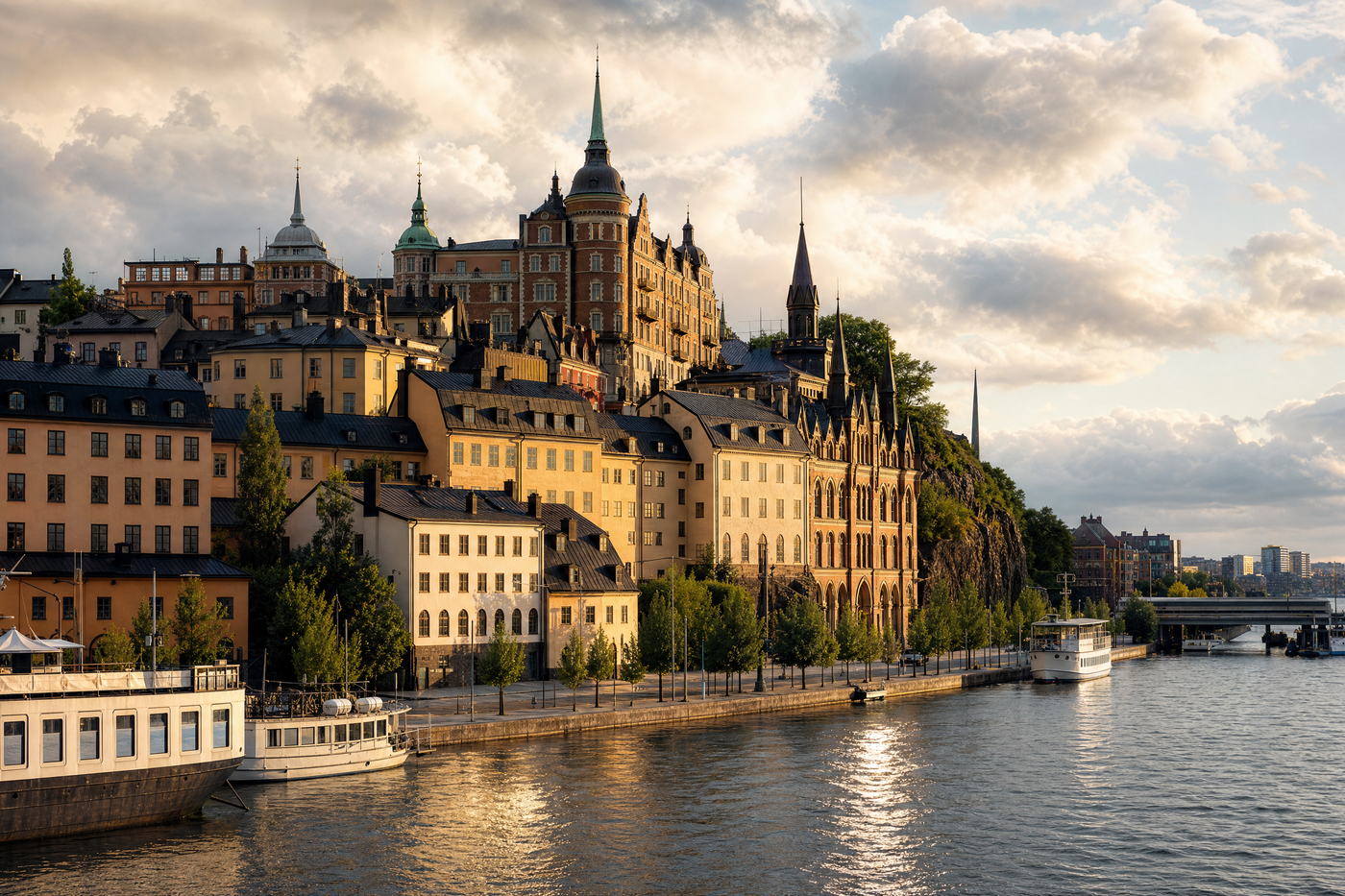
Stockholm blends historic charm with modern Nordic style across its scenic islands. Discover where to stay, what to see and eat, and how to make the most of a flexible itinerary in Sweden’s capital.
Understanding Stockholm and its neighborhoods
Stockholm, the capital of Sweden, elegantly sprawls across 14 islands connected by over 50 bridges. Each neighborhood (or "stadsdel") brings a distinct character—cobbled Old Town alleyways, chic city avenues, elegant waterside boulevards, and hip creative quarters. The city is compact and walkable, but a well-organized transit system also makes it easy to explore further afield.
As a visitor, orient yourself first: at the heart is Gamla Stan, the medieval old town. Just north lies Norrmalm, Stockholm’s modern center for shopping and transit. Across the water you’ll find Södermalm, a lively and youthful district, while to the east, Östermalm offers upscale urban living and culture. Djurgården, the green island, is filled with museums and parklands. Each of these areas is safe, convenient, and welcoming to newcomers—but knowing their unique vibe helps you plan your days and nights in Sweden’s capital.

Your trip deserves fewer tabs.
Start planning your tripChoosing the best areas to stay in Stockholm
Where you base yourself can shape your Stockholm experience. For first-timers, Gamla Stan puts you at the center of history, within walking distance of key attractions, although hotels here are more atmospheric than cutting-edge. If you prefer modern comforts and excellent transit connections, Norrmalm offers large hotels and is ideal for short city breaks. Family travelers may enjoy Djurgården’s peaceful surroundings, though evening activity is limited.
Södermalm appeals to younger visitors and creative types, with eclectic guesthouses and boutique hotels nestled among cafes and bars. Meanwhile, Östermalm’s elegant hotels, proximity to museums, and upmarket shopping draw those seeking a more polished, cosmopolitan stay. Stockholm’s neighborhoods all feel accessible, so frustration from “choosing wrong” is rare, but considering your priorities—nightlife, quiet, budget, or green space—will help you find the perfect fit.
Unmissable sights: Stockholm’s top attractions
- Gamla Stan: Lose yourself in Old Town’s winding lanes, pastel buildings, and the historic Stortorget square.
- Vasa Museum: Marvel at the 17th-century warship salvaged from Stockholm’s harbor, superbly preserved and full of dramatic history.
- Skansen: Sweden’s open-air museum and zoo—see traditional houses, craft demos, and Nordic animals in park-like surroundings.
- Royal Palace: Enormous and stately, still home to the Swedish monarch, with fascinating artifacts and changing of the guard.
- Fotografiska: A world-class photography center in Södermalm, hosting major contemporary photo exhibitions.
- City Hall: Iconic riverside silhouette, famous for its Nobel Banquet, with sweeping tower views of the city and water.
While these are perennial favorites, don’t overlook less-crowded gems like the Moderna Museet (modern art), the ABBA Museum, or a walk along Monteliusvägen for breathtaking panoramas.
How to get around: Stockholm’s transport explained
Stockholm’s public transport is efficient, safe, and easy for visitors to navigate. The SL network encompasses the Tunnelbana (metro), commuter trains, buses, and even ferries with unified ticketing. Most sights are within a short ride of each other, so purchasing a 24- or 72-hour SL pass can be cost-effective if you plan to travel frequently.
Many locals cycle—a city bike scheme runs April to October and dedicated paths run citywide. Taxis are available but relatively expensive; apps like Bolt or Uber are widely used. Walking is also pleasant and practical between central districts, as scenic bridges and waterside promenades make the journey as rewarding as the destination.
If you’re arriving via Arlanda Airport, the fastest route into the city is the Arlanda Express train (20 minutes), but cheaper airport buses are a good alternative. In summer, ferries across the city or out to the archipelago make for enjoyable (and functional) journeys.

Turn your travel ideas into a plan.
Start planning your tripPractical travel tips for your Stockholm trip
- Currency and payments: Sweden is nearly cashless. Visa and Mastercard are accepted almost everywhere, even for small purchases and public toilets. Keep a physical card and a digital wallet handy.
- Language: Swedish is official, but nearly everyone speaks fluent English – from street vendors to museum staff.
- Weather: Pack for the season: winters are cold and dark, but beautiful with snow; summers bring long days and mild warmth, often from May–September.
- Safety: Stockholm is generally very safe, though take sensible precautions with valuables in tourist-heavy areas and on public transport.
Swedes value punctuality and etiquette, so timely arrivals and considerate behavior will be appreciated, especially in shared public spaces and transport.
Essential Swedish food and where to try it
No trip to Stockholm is complete without sampling the culinary scene, which fuses traditional dishes and New Nordic innovation. Start with husmanskost—classic home-style fare like köttbullar (meatballs with lingonberry), gravad lax (dill-cured salmon), and raggmunk (potato pancakes). Alternatively, take fika—the beloved Swedish coffee break, often enjoyed with a cardamom bun or cinnamon roll—at a cozy café.
For an upmarket experience, Stockholm hosts several Michelin-starred restaurants such as Oaxen Krog and Gastrologik, but you can also find great value in neighborhood bakeries and lunch buffets (look for “dagens lunch” specials). Vegetarians are well-catered for, and food markets like Östermalms Saluhall or Hötorgshallen offer everything from herring to international street food under one roof.
How to plan your Stockholm itinerary: flexible sightseeing
Organizing your days around Stockholm’s layout makes sightseeing efficient. Many major attractions cluster on or near Gamla Stan, Djurgården, and the central islands, allowing you to focus on one or two areas per day. Incorporate both indoor and outdoor sights since wet weather can arrive at any time—even in high summer.
Booking tickets for popular museums ahead is advised at peak times, especially for the Vasa Museum, Skansen, and Fotografiska. Stockholm’s museums often close on Mondays, so check opening times and plan accordingly. Early risers get quieter Old Town strolls, while evenings are lively on Södermalm and central Norrmalm.
Stockholm in three days: a practical itinerary
- Day 1 – Gamla Stan and city center: Morning: wander cobbled lanes and Stortorget. Visit the Royal Palace and Nobel Prize Museum. Afternoon: cross to Norrmalm for the City Hall (tower views) and a dose of modern life on Drottninggatan. Evening: try Swedish classics in a local bistro or take a sunset walk along the lakefront.
- Day 2 – Djurgården and Östermalm: Morning: start at the Vasa Museum, then stroll to nearby Skansen for open-air history. Lunch at food markets in Östermalm. Afternoon: choose between the ABBA Museum, Spritmuseum, or a relaxed park walk. Evening: enjoy fine dining or seafood restaurants by the harbor.
- Day 3 – Södermalm and beyond: Morning: visit Fotografiska or Moderna Museet. Explore the indie shops of SoFo and pause for fika. Afternoon: take a ferry to the leafy island of Fjäderholmarna (in summer) or walk Monteliusvägen for panoramic views. Evening: bars and live music abound in Södermalm or relax with a craft beer.
This route covers the essentials and more—adapt according to the weather, personal pace, and your own interests.
When to visit: Stockholm’s best seasons
Stockholm transforms with the seasons, offering unique experiences throughout the year. Summer (June–August) is the liveliest time, with long days, outdoor events, open museums, and lively waterways. The weather is mild, and locals flock to parks and archipelago islands. Be aware, though, that late July can see some businesses shut for vacations.
Winter (December–February) offers cozy cafés, museums, and the chance to see Stockholm dusted in snow, especially beautiful at Christmas with markets and lights. Spring and autumn can be quieter and more affordable, with crisp weather and vibrant foliage, making them great for city strolls and uncrowded sights.
Day trips and excursions from Stockholm
If you have extra time, the Stockholm archipelago ("skärgården") beckons. Over 30,000 islands, skerries and islets scatter eastward into the Baltic Sea, many easily reached by public ferry or day cruise. Fjäderholmarna is the closest and an easy half-day trip for lunch with a view. For full-day adventures, try Vaxholm’s quaint harbor town or wander pine forests and quiet fishing villages further afield like Sandhamn.
Uppsala—a university city with a stunning cathedral and botanical gardens—lies just under an hour by train from Stockholm Central. Alternatively, visit Drottningholm Palace (a UNESCO World Heritage Site) by shuttle boat or bus for a royal dose of lakeside splendor and manicured gardens.
Family travel in Stockholm: tips and venues
Families find Stockholm extremely child-friendly. Most museums offer discounts or free entry to children, and interactive exhibits abound—from the Vasa Museum’s kid-friendly displays to Junibacken’s magical world of Swedish fairy tales (ideal for younger children). Skansen is especially popular for families, with live craft demos, animals, and play areas. In summer, parklands on Djurgården or boat trips keep children entertained and active.
Restaurants are generally welcoming to kids, high chairs and children’s menus are common, and strollers are easy to use in the city’s largely step-free transport network. Central hotels frequently offer family rooms or extra beds; consider booking ahead in peak holidays.
Making your Stockholm trip personal and memorable
Stockholm’s manageable size and abundance of choices mean no two visits are the same. Try joining a guided city walk or a themed food tour for deeper insights. Exploring at your own pace—whether meandering Gamla Stan at sunrise, discovering indie galleries on Södermalm, or pausing for fika in a sunlit square—uncovers local treasures not found in every guidebook.
Beyond checklists, leave time for spontaneous detours. Sample a new pastry, visit a pop-up design market, or hop on a boat just because it’s leaving. Few cities blend history, water, nature, and contemporary flair as gracefully as Stockholm, ensuring every traveler builds their own story here.