Split travel guide: what to see, where to stay and how to plan your days
 By Samir Cole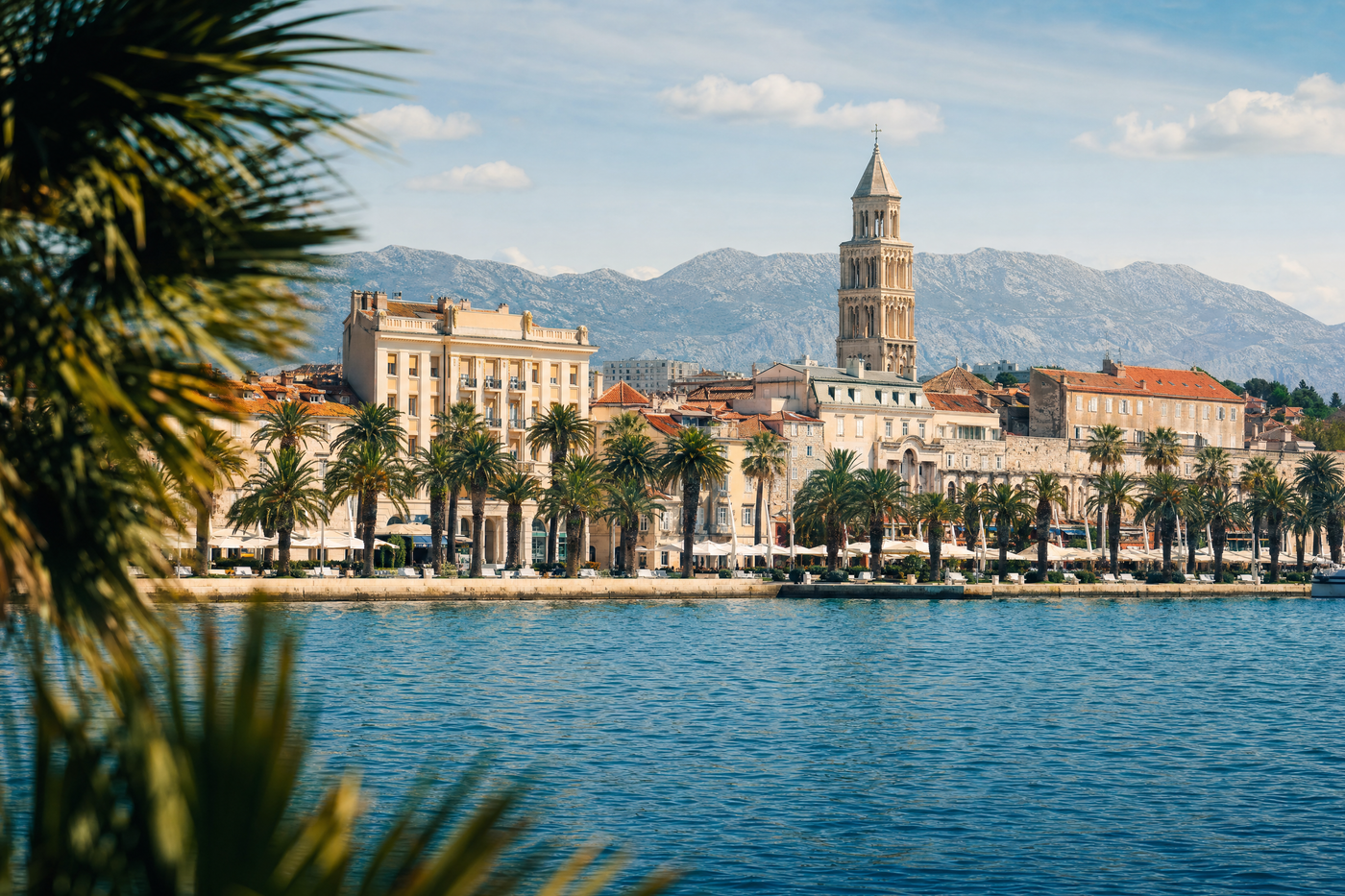
Discover Split's Roman heritage, buzzing neighborhoods, and Adriatic appeal. This travel guide covers where to stay, must-see sights, local flavors, and a real-world plan for a memorable first visit.
Getting to know Split: An introduction
Nestled on Croatia’s Dalmatian Coast, Split bridges the past and present, with its centuries-old Roman core and lively waterfront. The city’s famous for the UNESCO-protected Diocletian’s Palace, but there’s much more to explore. Sun-baked stone lanes connect bustling markets, palm-fringed promenades, and inviting beaches. Split is both a destination and a convenient springboard for exploring nearby islands and national parks.
Arriving by plane gets you into Split's compact airport, with easy bus and taxi links to the city center. Ferries from Italy and domestic catamarans berth at the central port, right by the Old Town. Whether you’re staying for a quick look or settling in for a proper city break, Split’s mix of ancient, coastal, and contemporary settings sets the stage for a memorable trip.

Your trip deserves fewer tabs.
Start planning your tripWhere to stay: Split’s neighborhoods explained
Choosing the right neighborhood makes all the difference when visiting Split. Each area offers a distinct atmosphere, local flavor, and access to key attractions.
- Old Town & Diocletian's Palace: For first-timers, this is the heart of the action. Expect atmospheric apartments inside ancient stone walls and boutique hotels steps from Roman ruins, markets, and lively squares. It’s pedestrianized and ideal if you want history and nightlife on your doorstep, but note limited car access and potential crowds.
- Bačvice: Just south of the Old Town, Bačvice is famous for its sandy beach and local vibe. Stay here for relaxed waterfront cafés and easy swimming, but remain within a 15-minute stroll of the palace. Plenty of guesthouses and mid-range hotels line the area.
- Veli Varoš: North and west of the center, this historic neighborhood features stone cottages and winding alleys climbing up Marjan Hill. It’s quieter than the core, still with tavernas and small B&Bs—perfect for a peaceful experience, with lovely hilltop views and quick walks into town.
- Znjan & Trstenik: For sea views, modern hotels, and a less-touristy coastal atmosphere, head east to the beachfront new town. Great for families and those who want to blend city exploring with lazy beach days.
Your choice will shape your time in Split—book early in summer and look for accommodations with reviews mentioning friendly staff and air conditioning, as stone house interiors can become warm.
Top sights: The best things to see in Split
Most visitors first gravitate to Diocletian’s Palace, but Split’s must-sees reach well beyond its Roman walls. With plenty to fill several days, here are some essentials to prioritize:
- Diocletian’s Palace: Not just a palace, but an entire living district of alleys, squares, and cellars—free to enter, with highlights like the Peristyle, St. Domnius Cathedral, and the basements.
- Riva promenade: This palm-shaded seafront is a local gathering place for walks, coffee, and sunset views, ideal for soaking in Split’s unmistakable Adriatic atmosphere.
- Marjan Hill: A green lung for the city, with forest walks, panoramic lookouts, historic chapels, and beaches to discover on foot or by bike.
- Pazar market: Lively daily stalls just east of the palace offer fresh local produce, cheeses, figs, and olive oil—a window into everyday life.
- Mestrovic Gallery: Showcasing the works of Croatia’s foremost sculptor in a villa with sea views, this is a calm cultural stop away from the crowds.
- Beaches: Bačvice is the go-to beach for swimming, while the pebbly coves around Marjan or Firule Beach are great for a quieter sunbathe.
These sights offer a well-rounded taste of Split’s history, landscape, and living culture.
Classic Split: Diocletian’s Palace and Old Town
The heart of Split is an architectural marvel, with the 4th-century Diocletian’s Palace at its core. Originally built as an imperial Roman residence and fortress, the palace grew into a labyrinth of living streets, shops, cafés, and churches, all tightly packed into ancient walls and squares.
Start at the Peristyle, the atmospheric central court where Roman columns meet lively street musicians and wedding parties. Nearby, the domed St. Domnius Cathedral towers above, with a belfry that rewards climbers with sweeping city views. Don’t miss the palace basements—neatly preserved cellars that host markets and art exhibitions, and provide a sense of the original Roman architecture.
Exploring the Old Town inevitably brings you to new discoveries: hidden chapels, Venetian palaces, cozy wine bars, and grand gates opening onto sunlit piazzas. Take your time—history is everywhere, and the street life is as compelling as the monuments themselves.

Turn your travel ideas into a plan.
Start planning your tripExploring beyond the palace: Marjan Hill and more
While Diocletian’s Palace captures Split’s ancient spirit, it’s Marjan Hill that reveals the city’s natural beauty and daily rhythms. Just a 10-minute walk from the Old Town, Marjan is a pine-forested peninsula bordered by the sea. Climb the steps from Varoš to reach the "telegrin" (the hill’s summit) for superb city and bay panoramas.
Marjan is threaded with walking and bike trails, dotted with medieval chapels, and edged by small pebble beaches like Bene and Kašjuni. Along the southern slopes you’ll find scenic viewpoints perfect for sunset, while the northern side is quieter and good for a restorative read or picnic.
Other notable attractions include the Croatian Maritime Museum, housed in a fortress with ship models and naval relics, and Galerie Meštrović, where sculpture, architecture, and gardens come together beside the blue Adriatic. Both spots offer a pause from the busy core and insight into Split’s wider stories.
Best Split beaches: Where to swim and relax
Split enjoys a blend of urban shoreline and hidden coves. The city’s beaches aren't classic stretches of sand, but each has its charm and local following.
- Bačvice: The city’s most famous spot, with shallow waters, soft sand, and buzzing bars. It’s lively and central—great for families, swims, and watching locals play the homegrown sport of picigin.
- Firule: Another sandy beach with gentle entry, less hectic than Bačvice but still close to cafes and shops—ideal for a quieter dip in walking distance of the Old Town.
- Ovčice and Trstenik: Clean waters and a pebbly coastline, favored for swimming and relaxing away from the busier central resorts. Facilities like loungers and showers are available.
- Kašjuni and Bene (Marjan Hill): Local favorites nestled beneath pine trees on the slopes of Marjan, reached by bike or bus—great for those who want to combine a hike with a swim.
Bring beach shoes for pebbly stretches and arrive early in summer for a prime spot. Most central city beaches offer cafes and casual food, with plenty of shade to suit both sun-seekers and picnickers.
Local food and where to eat in Split
Dalmatian cuisine shines with fresh, simple flavors—think seafood, olive oil, and local wine. Split’s restaurant scene ranges from casual konobas (taverns) to vibrant markets. Here’s what to look for:
- Seafood: Grilled fish, black risotto, and octopus salad are common menu stars. Many places offer the daily catch, best enjoyed at tavernas like Konoba Fetivi or Bokeria Kitchen.
- Peka: Meat or seafood slow-cooked under a bell-shaped lid—available by preorder, this is a celebratory Dalmatian dish that’s worth seeking out.
- Pašticada: A marinated beef stew served with gnocchi, rich and comforting—the ultimate local classic for meat-lovers.
- Markets and bakeries: Try burek (savory pastries), fresh figs, or marenda (Dalmatian lunch) in the Pazar or fish market.
For a local atmosphere, book ahead for dinner in busy months and don’t miss a glass of white pošip or red plavac mali wine with your meal. Vegetarians will find options improving, with many places offering grilled vegetables and risottos.
Getting around: Transport in Split
Split’s core is delightfully walkable—cars are not permitted in the Old Town, and most main sights and the port are reached on foot within 15 minutes. Strolling the stone streets is part of the experience.
Further neighbourhoods (like Trstenik, Žnjan, or Bene Beach) are easy to reach by city bus; tickets are around €2 and can be bought on board. Taxis and Uber are readily available, particularly for airport transfers or trips to farther beaches. Bike rentals and e-scooters are increasingly popular for Marjan and the shoreline.
For island hopping, ferries to Hvar, Brač, and Vis all depart from Split’s central port, a short walk from the palace. These fill quickly in summer, so consider booking your catamaran or car ferry tickets ahead if you plan day trips or onward journeys.
Three-day Split itinerary: Flexible plans for your trip
First-time visitors can cover Split’s highlights in three unrushed days, with time left for rest and surprises. Here’s a sample itinerary to make the most of your stay while leaving room to follow your interests or the weather.
Day 1: Old Town and Riva
- Begin at Diocletian’s Palace, exploring the Peristyle, cellars, St. Domnius Cathedral, and the palace gates.
- Stroll the Riva with coffee, then browse the Pazar market for snacks or souvenirs.
- Afternoon at Bačvice beach or the Mestrovic Gallery for art lovers.
- Dinner in the Old Town—try pašticada or grilled seafood at a local konoba.
Day 2: Marjan Hill and Veli Varoš
- Morning ascent of Marjan Hill for panoramic views; explore the chapels and Bene Beach.
- Lunch in Veli Varoš, soaking up the slow pace and stone-house charm.
- Afternoon at Kašjuni beach or a zigzag walk through the winding alleys.
- Finish with sunset drinks on the Riva or a restaurant terrace looking to sea.
Day 3: Day trip or alternative explorations
- Options include a day ferry to Brač or Hvar, or a visit to Trogir’s UNESCO-listed Old Town (bus or short boat trip).
- Alternatively, visit the Maritime Museum or sample more local foods at Split’s markets.
- Spend your final evening revisiting favorite spots, enjoying gelato by the seafront, or discovering live music in the palace cellars.
Day trips from Split: Islands and beyond
Split’s location is ideal for short escapes and daylong adventures beyond the city. Popular island day trips include:
- Brač: Famous for Zlatni Rat beach near Bol, perfect for swimming and watersports. Regular ferries depart the main port, journeying less than an hour.
- Hvar: Known for its lively harbor, fragrant lavender fields, and excellent hiking along ancient paths.
- Šolta or Vis: Smaller and quieter, these islands offer village charm, coves, and traditional fishing harbor life.
On the mainland, consider a short bus ride to the medieval town of Trogir or venture further to Krka National Park with its cascading waterfalls. Advance planning is recommended in summer—book ferry tickets ahead and pack sun protection for the journey.
Seasonal tips: When to visit Split
Split is a year-round city, but your experience will vary by season. Late spring (May–June) and early autumn (September–October) bring sunny weather, lively festivals, and fewer tourists. Summer (July–August) offers a festival-filled, energetic Split, but also crowds and high temperatures. Visiting in winter is quieter—the palace squares are atmospheric, and you’ll find a more local pace, though some island and tour options take a break then.
Pack layers and sun cream, especially if you plan to hit the beaches or islands. Accommodations quickly fill in mid-summer; book ferries, tours, and popular restaurants in advance then. Whenever you visit, Split’s mix of sea, stone, and street life promises an authentic Croatian escape.
Local customs and practical tips for your stay
Understanding a few norms can enhance your time in Split. Croatians greet with a friendly ‘dobar dan,’ and restaurants welcome diners even outside fixed meal times, though during local lunch (13:00–15:00) spots may fill up. Tipping (around 10%) is appreciated but not obligatory.
Tap water is safe to drink. Wi-Fi is widely available, and English is understood in most tourist-facing venues. Market shopping is cash-friendly, while most restaurants and hotels accept cards.
Dress is beach-casual, though locals dress up for evenings on the Riva. Respect the Old Town’s historic feel by keeping noise down at night, and wear practical footwear for exploring Split’s polished stone streets. Armed with local insights and flexible plans, you’re set for a rewarding visit to this Adriatic jewel.