Seoul travel guide: what to see, where to stay and how to plan your days
 By Samir Cole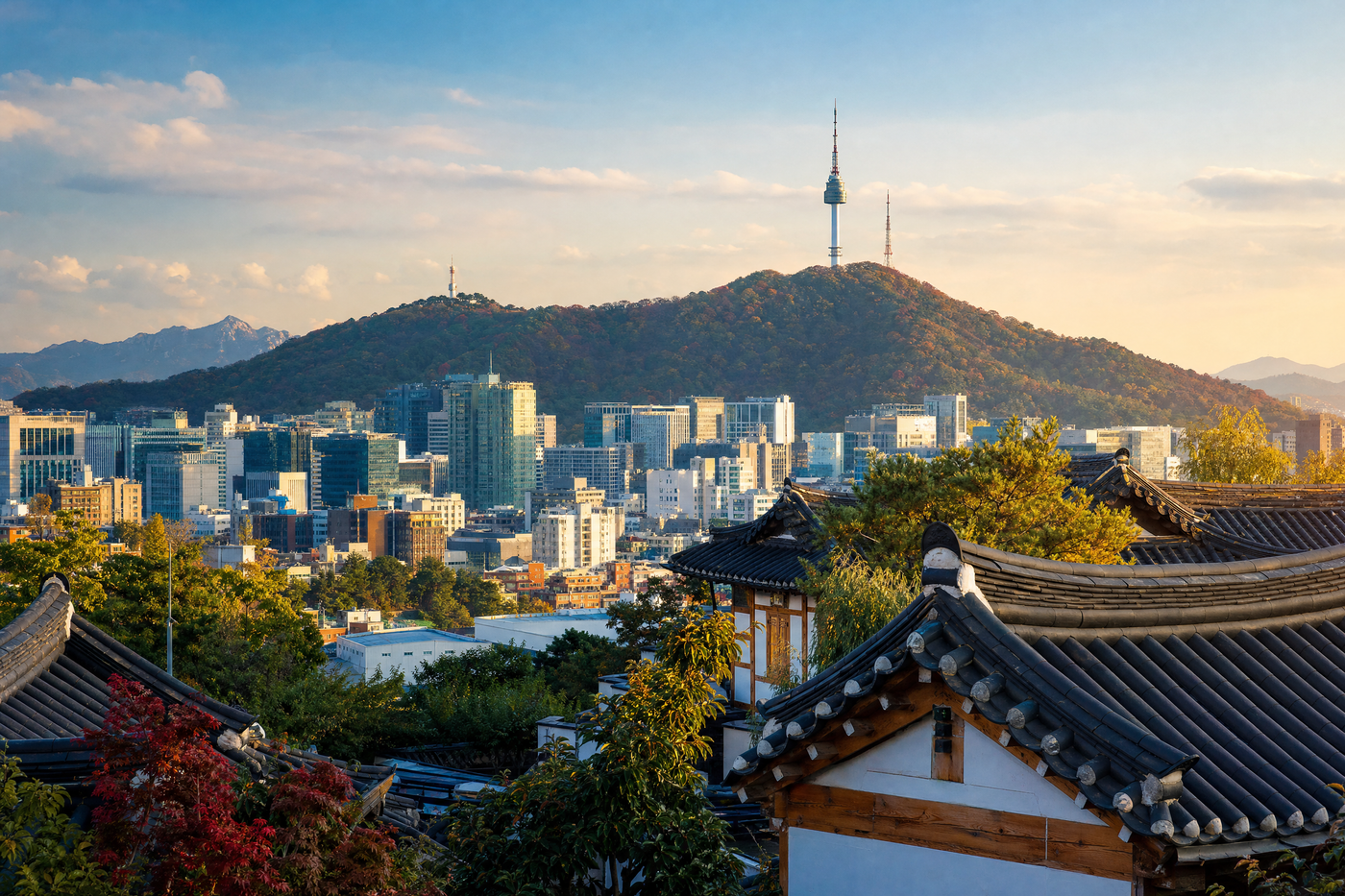
Discover Seoul’s blend of old and new with this practical guide. Find the best neighborhoods to stay, must-see sights, transportation tips, essential local foods and a flexible three-day itinerary for your first visit.
Getting oriented: why Seoul captivates first-time visitors
Seoul’s energetic blend of tradition and innovation makes it one of Asia’s most compelling capitals. Its neighborhoods shift quickly from centuries-old palaces to neon-lit streets lined with food stalls and busy boutiques. Travelers will find a city that rewards curiosity—adventurous food, accessible history, and a dynamic creative scene sit side by side. Whether you’re drawn by K-pop culture, tranquil Buddhist temples, or simply the rhythm of a walkable city, Seoul’s culture is as inviting as it is diverse.
Most core attractions are found in districts north of the Han River (Gangbuk), while trendier shopping and nightlife are more prominent south of the river (Gangnam). With a safe, efficient transport network, even a short trip can include both iconic sights and quieter corners. This guide will help you make the most of a first visit, from where to base yourself to how to build out your days.

Your trip deserves fewer tabs.
Start planning your tripBest areas to stay: where to base your Seoul adventure
Seoul’s enormous size can be daunting, but choosing your neighborhood wisely makes a huge difference. For most visitors, staying near central transit lines is key, and well-loved options suit a variety of interests and budgets.
- Insadong & Jongno: Ideal for history lovers, these adjoining areas are close to grand palaces and traditional hanok alleys, with charming tea houses and easy subway links.
- Myeongdong: Popular for walkability and shopping, Myeongdong is lively, centrally located, and an excellent hub for first-time visitors eager for convenience.
- Hongdae: Youthful, artsy, and energetic, Hongdae is known for street art, live music, and nightlife. A top choice for those drawn to creative culture or looking for affordable stays.
- Itaewon: International flair and nightlife flourish here. It’s great for dining variety and LGBTQ+-friendly venues, though it can be noisy into the night.
- Gangnam: South of the river, Gangnam is stylish and polished, with shopping malls, business hotels, and access to major transport. Best for repeat visitors or fans of modern Korea.
No matter where you stay, Seoul’s metro makes crossing neighborhoods easy. Book well in advance for popular districts, especially during spring and autumn.
Navigating Seoul: transport tips for smooth travel
Seoul’s public transport is fast, clean, and extensive. The subway is foreigner-friendly, with English signage and announcements, and covers nearly every tourist attraction. Buy a rechargeable T-money card at any station or convenience store; you can use it on subways, buses, and even some taxis.
Trains run from early morning (about 5:30am) until midnight. Plan for day trips beyond Seoul by departing from Seoul Station, which connects you to KTX bullet trains.
Consider these additional transit tips:
- Avoid taxis during rush hour: Traffic between 7–9am and 5–8pm can be very slow. The subway is usually faster.
- Use navigation apps: Naver Map and KakaoMap are much more reliable than Google Maps in Korea—download one in advance for route planning.
- Airport transfers: Incheon Airport is connected by a dedicated AREX train (43–60 minutes to Seoul Station). Late-night arrivals can use affordable Airport Limousine buses to many major hotels.
Most major sights are walkable from their nearest subway stop, keeping Seoul accessible even for new visitors adjusting to the city’s scale.
Classic sights: Seoul’s must-see attractions
- Gyeongbokgung Palace: The grandest of Seoul’s Five Grand Palaces, famed for the Royal Guard Changing Ceremony and lovely gardens. Admission is discounted if you wear a hanbok (traditional costume), and English-language guided tours are free at set times.
- Bukchon Hanok Village: A hilltop enclave with hundreds of preserved hanok (traditional wooden homes) nestled between two palaces. Walk the photogenic alleys and peek into tea houses and handicraft shops.
- Myeongdong Cathedral & Shopping Streets: This area has vibrant markets, street food, and beauty boutiques. The cathedral is a peaceful historical anchor amidst high energy commerce.
- N Seoul Tower (Namsan Tower): Take a cable car or hike up Namsan mountain for panoramic city views.
- Changdeokgung Palace & Secret Garden: A UNESCO World Heritage site, loved for its picturesque architecture and tranquil woodland grounds (guided tours are required for the hidden rear gardens).
Plan to combine nearby historic sites for a seamless day, and check for special opening hours or performance events, particularly in spring and late autumn.

Turn your travel ideas into a plan.
Start planning your tripExploring modern Seoul: shopping, culture and local life
Beyond grand palaces, Seoul’s modern pulse is everywhere. Dive into the city’s contemporary lifestyle by exploring contrasting neighborhoods and their distinctive atmospheres.
- Insadong: Renowned for galleries, craft shops, and traditional tea rooms, perfect for relaxed browsing or souvenir hunting.
- Hongdae: Streets filled with murals, music bars, playful fashion outlets, and night markets define this pocket of youth culture. Don’t miss the weekend Free Market, where artists sell one-off creations.
- Gangnam: High-rise shopping malls meet K-pop fever here. Walk along Garosu-gil for independent boutiques, trendy cafes, and crowd-watching.
- Dongdaemun Design Plaza: Visit late-night for design exhibitions, creative installations, and food trucks surrounding this architectural landmark.
Seoul’s calm green spaces—such as Cheonggyecheon Stream or Hangang Park—provide a counterpoint to the city’s energy. They’re ideal for picnic lunches or a break between urban adventures.
Taste of Seoul: what—and where—to eat
Korean food is flavorful, diverse, and accessible at every budget. Even in tourist centers, seek out small local restaurants (look for handwritten menus or a line of locals at the door) for a more authentic experience.
- Bibimbap: Colorful rice bowls with vegetables, beef, spicy sauce and a fried egg; try at Gogung (Insadong branch).
- Samgyeopsal (grilled pork belly): Grill it yourself at lively barbecue spots; Mapo district is a favorite.
- Kimchi jjigae (kimchi stew): A spicy, warming staple served with rice—ideal on chilly days and found citywide.
- Street snacks: Sample tteokbokki (spicy rice cakes), hotteok (sweet pancakes) and odeng (fish cakes) at Myeongdong stalls or Gwangjang Market.
- Back-alley gems: Look for pojangmacha (tent bars) in Jongno or tucked-away noodle shops such as Myeongdong Kalguksu for hearty knife-cut noodle soup.
Don’t skip dessert: Korean bakeries offer creative pastries and bean-paste buns, while soft shaved-ice bingsu is a refreshing treat in hot weather.
Local customs and practical notes
Korea’s etiquette is rooted in respect. Bowing when greeting, using both hands to pass items (especially money), and removing shoes when entering homes or some restaurants are all common. Try to be discreet with public displays of affection and use a quiet tone, especially on transit.
Tap water is safe, and public toilets are plentiful, clean, and free. Major sights provide accessible facilities, though hilly terrain and cobblestones can make some historic quarters challenging for those with reduced mobility.
Wi-Fi is ubiquitous in cafes and hotels. For seamless navigation, rent a pocket Wi-Fi device or buy a local SIM card at the airport. Carry cash for small purchases (many places accept cards, but cash is sometimes preferred at markets and street stalls).
Festivals and best times to visit
- Spring (March–May): Cherry blossoms and mild temperatures draw crowds to palace grounds and river parks. Book early for April trips.
- Autumn (September–November): Crisp blue skies and vibrant fall foliage provide stunning backdrops in historic districts. This is peak season for photos and temple visits.
- Winter (December–February): Expect snow flurries, festive lights, and seasonal foods (like steaming hotteok pancakes). Pack accordingly for cold, dry weather.
- Summer (June–August): Humid but lively, with outdoor events and night markets as the city stays up late to escape the heat.
Major annual events include the Seoul Lantern Festival (November), Seoul Kimchi Making & Sharing Festival (November), and the cherry blossom festivals around Yeouido in April. Plan ahead if you want to join the city’s favorite celebrations.
Day 1 itinerary: history, palaces, and city views
Morning: Start with the grandeur of Gyeongbokgung Palace—arrive at opening for quiet courtyards and the lively guard ceremony. Wander north into Bukchon Hanok Village, taking time for a tea house break and city views from the hilltop alleys.
Afternoon: Follow the short walk south to Insadong for lunch—sample traditional set menus or vegan temple food. Browse art galleries and craft shops, then step into Jogyesa Temple’s tranquil grounds before heading to the nearby Cheonggyecheon Stream for a gentle riverside stroll.
Evening: Finish your day with sunset panoramas atop Namsan’s N Seoul Tower. For dinner, grab casual street food in Myeongdong or indulge in grilled barbecue pork at a Jongno eatery.
Day 2 itinerary: markets, art, and modern neighborhoods
Morning: Immerse yourself in local life at Gwangjang Market—one of Seoul’s most famous spots for street breakfast and food photography. Taste bindaetteok (mung bean pancakes) or freshly rolled gimbap.
Afternoon: Jump on the subway to Dongdaemun’s Design Plaza and explore cutting-edge exhibitions, quirky architecture, and surrounding fashion markets. Late lunch can feature local noodles or Korean fried chicken, then rest in the green spaces along Cheonggyecheon or stroll to Ikseon-dong for indie cafes.
Evening: Make your way to Hongdae for lively music, impromptu street dancing, and pop-up food stalls. Find a cozy pub or dessert cafe for people-watching and end your night with the youthful buzz of this creative district.
Day 3 itinerary: Gangnam, temples, and river escapes
Morning: Head south to Gangnam to experience Seoul’s high-energy shopping and style. Wander Garosu-gil’s tree-lined promenade, explore flagship stores, or visit the K-Star Road for a touch of Hallyu pop culture. Snack on egg bread or artisan coffee on the go.
Afternoon: Cross over to Bongeunsa Temple, an oasis of calm amid skyscrapers. If you’re curious about Korean Buddhism, guided temple stays and tea ceremonies can sometimes be arranged. Nearby, COEX Mall houses shops, an aquarium, and one of Asia’s largest libraries—ideal for a midday break or rainy-day shelter.
Evening: Spend your last night by the Han River. Rent bikes, join locals for a riverside picnic, or watch the Banpo Bridge Rainbow Fountain show (evenings from April to October). For dinner, try samgyeopsal or a riverfront food stall with sweeping city views.
Customizing your trip: tips for flexible planning
Seoul’s well-linked transit, compact core, and abundance of sights make it easy to swap itinerary days, add day trips, or slow down according to your interests. For families, spend more time at children’s attractions like Lotte World or the National Museum of Korea. K-pop fans might focus on music stores, studios, or Korean drama filming sites.
If you have extra days, consider side trips to DMZ tours, Suwon’s UNESCO-listed fortress, or hiking trails at Bukhansan National Park. Seoul’s dynamic neighborhoods shine on return visits, rewarding slower explorations and return visits with new discoveries.
Above all, allow flexibility for spontaneous detours and the little moments—whether it’s joining locals for a riverside dance class or stopping for a steaming bowl of noodles in a crowded alley. Your own adventure is sure to unfold in Seoul’s ever-changing cityscape.