Sapporo travel guide: what to see, where to stay and how to plan your days
 By Samir Cole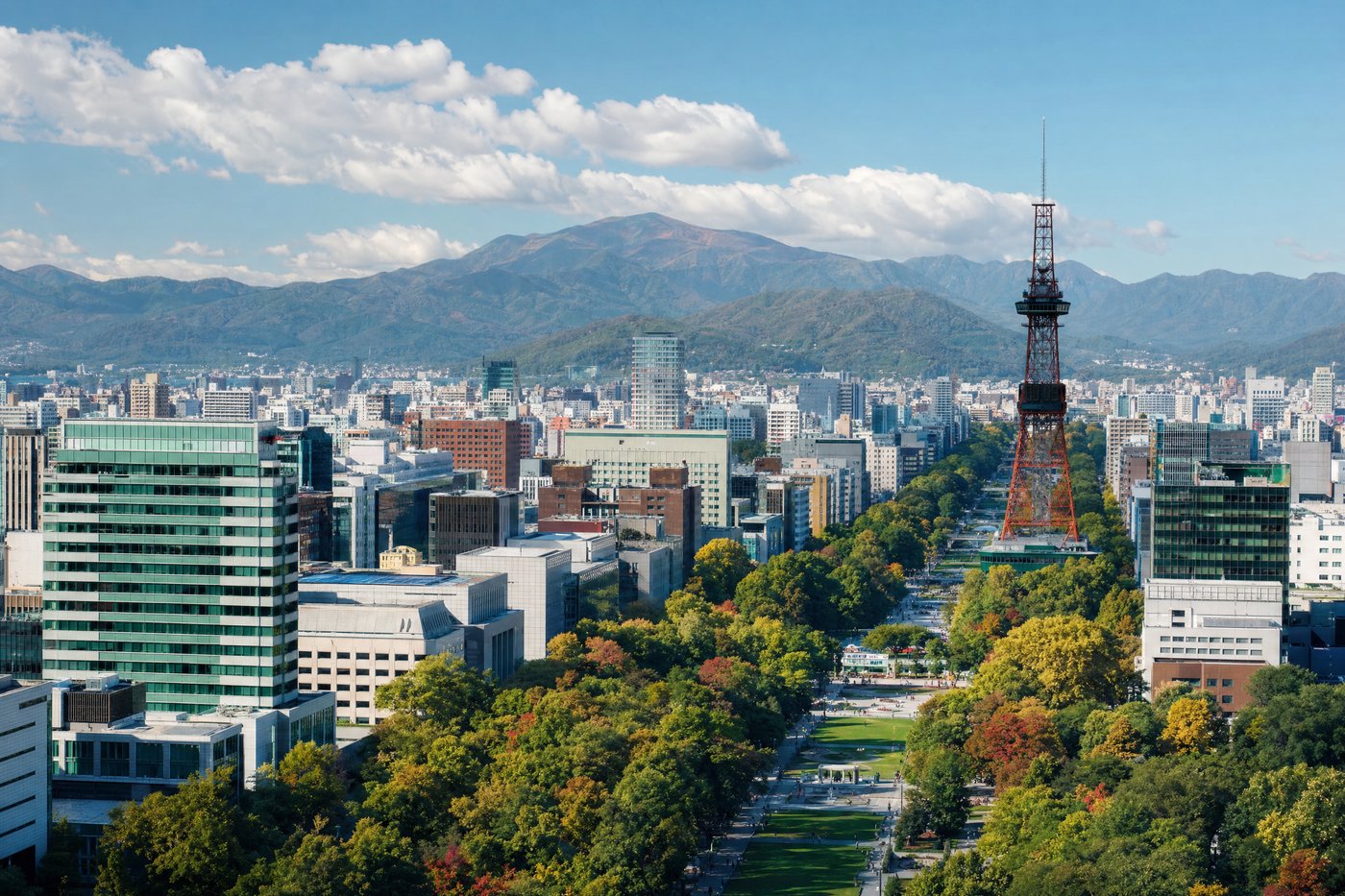
Curious about visiting Japan’s northern capital? This guide offers essential advice for first-timers, including Sapporo’s top sights, best places to stay, neighborhoods to explore, how to get around and a ready-to-follow three-day itinerary.
Sapporo at a glance: why visit Japan’s northern metropolis?
Sapporo, the vibrant capital of Hokkaido, sits at the crossroads of urban culture and wild nature. Famed for its annual snow festival, Sapporo is more than just a winter wonderland—its thriving culinary scene, scenic parks, and distinct neighborhoods make it an attractive year-round destination. The city’s design is influenced by Western urban planning but imbued with Japanese sensibility, resulting in wide boulevards, modern amenities and easy navigation.
Whether you’re drawn by its lively beer halls, fresh seafood, iconic ramen or convenient base for Hokkaido adventures, Sapporo balances comfort with authenticity. For first-time visitors, the city offers approachable immersion: compact enough to explore on foot or by subway, yet large enough to surprise with its art, history and nightlife. This practical guide highlights what to see, where to stay, and how to shape your own memorable adventure.

Your trip deserves fewer tabs.
Start planning your tripBest neighborhoods to stay: finding your Sapporo base
Choosing the right area in Sapporo shapes your trip, as neighborhoods reveal different sides of the city. For access to major sights and unbeatable convenience, Susukino and Odori are the enduring favorites, while residential Maruyama and historic Sapporo Station areas appeal for quieter evenings and easy day trips.
- Susukino: Hokkaido’s entertainment capital boasts an energetic cluster of restaurants, bars, karaoke joints, and shopping, all within walking distance of nightlife and transport. Hotels range from budget to luxury here.
- Odori Park: Central and green, Odori Park is Sapporo’s axis—ideal if you want immediate access to main attractions. It’s tranquil by day and festive during events like the Sapporo Snow Festival.
- Sapporo Station: Linked to JR and subway lines, this busy hub is practical for short stays and those planning day trips across Hokkaido. You’ll find several international hotel brands and easy airport access here.
- Maruyama: West of downtown, residential Maruyama offers leafy surroundings, boutique hotels, and proximity to parks—ideal for families and longer stays seeking local immersion.
Ultimately, Sapporo’s compact transit system makes it easy to pick by atmosphere: Susukino for energy, Odori for sightseeing, the station area for transit, and Maruyama for peaceful evenings.
Top sights: what to see and do in Sapporo
Sapporo’s main sights blend modern city life with parks, culture, and history. First-time visitors can comfortably explore these highlights in two or three days, especially with efficient public transit connecting the neighborhoods.
- Odori Park: The green heart of the city, especially beautiful during cherry blossom season and winter illuminations.
- Sapporo Beer Museum and Beer Garden: Dive into Japan’s oldest beer brewery’s history and sample Hokkaido’s iconic beverage alongside local specialties.
- Mount Moiwa: Take the cable car for panoramic views over Sapporo, particularly magical at dusk.
- Historic Village of Hokkaido: An open-air museum recreating the pioneering days of Hokkaido’s settlement with preserved buildings and streetscapes.
- Moerenuma Park: A sculptural urban park designed by Isamu Noguchi, ideal for a half-day of outdoor art and relaxation.
- Susukino: Sapporo’s neon-soaked nightlife and ramen alley offer a taste of the city after dark.
- Hokkaido University Botanical Gardens: A peaceful downtown oasis for plant lovers and history buffs.
Sapporo also makes a great base for regional excursions—consider a visit to the Otaru Canal, Shiroi Koibito Park, or Jozankei Onsen if your schedule allows.
Essential Sapporo food experiences
Food is at the heart of Sapporo’s appeal. The city is famous for its robust flavors, winter comfort dishes, and unparalleled access to Hokkaido’s fresh produce and seafood. Culinary highlights mix classic staples with seasonal specialties.
- Sapporo Ramen: Rich miso-based broth topped with corn, butter, and pork—a must-try. Head to the original Ramen Alley in Susukino for variety.
- Soup Curry: Fragrant, spicy and packed with local vegetables and tender chicken; perfect for winter warmth.
- Fresh seafood: Don’t miss kaisendon, a rice bowl topped with sea urchin, crab or salmon roe, best at Nijo Market.
- Genghis Khan barbecue: Savor grilled mutton or lamb at a lively beer hall or local izakaya.
Coffee houses, craft beer spots, and patisseries round out the scene. For a treat, try a soft-serve ice cream made with Hokkaido’s rich dairy—available from street stalls to department store basements.

Turn your travel ideas into a plan.
Start planning your tripUnderstanding Sapporo's transport: getting around with ease
Sapporo’s public transit is straightforward and reliable, making it simple for visitors to navigate the city and beyond. The compactness of the core and clear signage (in Japanese and English) further aid first-timers. Plan your accommodation close to a subway or tram line to maximize sightseeing convenience.
The Sapporo Subway has three main lines (Namboku, Tozai, Toho) connecting downtown, Susukino, Odori Park, and outer neighborhoods. The extensive bus network and above-ground trams serve less central areas. Most major sights are accessible with a one-day subway pass (Donichika Ticket, valid weekends/holidays, or regular One-Day Card). IC cards (such as SAPICA or Kitaca) work on all systems and can be preloaded for pay-as-you-go travel.
Taxis are reasonable for short rides or after the last trains, but avoid rush-hour traffic. For day trips beyond the city, JR trains radiate from Sapporo Station to destinations like Otaru, Asahikawa, and the airport (New Chitose).
Seasonal highlights: when to visit Sapporo
Sapporo offers something distinct each season, so your timing shapes what you can experience. Winter, from December to March, is legendary for thick snow, hosting the Sapporo Snow Festival each February—book months ahead and pack accordingly. Winter sports centers are easily reached by shuttle or train.
Spring (late April–early June) brings cherry blossoms and milder weather. Parks like Maruyama become picnic hotspots and early greenery decorates Odori. Summer is pleasant, rarely humid, with beer gardens popping up in Odori Park and open-air events energized by long daylight hours. Autumn reveals vibrant foliage (mid-September to late October), making Moerenuma Park or Hokkaido University’s campus exceptional for walks.
No matter the season, Sapporo’s attractions remain accessible, though some regional excursions or mountain areas may have weather restrictions.
How many days do you need in Sapporo?
A three-day visit is ideal for most travelers: it allows you to explore essential sights in the city center, enjoy local cuisine, and experience unique neighborhoods at an unhurried pace. With efficient planning, it’s possible to do justice to Sapporo’s central districts and squeeze in a day trip or two if you desire.
Shorter visits are still rewarding—one or two days suffice to see Odori Park, Susukino, and sample the city’s famous food. For those seeking a relaxed itinerary, additional days let you explore museums, nearby hot springs, and horticultural gems or make the most of Sapporo’s events calendar.
Day 1: Sapporo’s heart—Odori, Susukino and local eats
Start your visit at Odori Park, strolling its tree-lined walkways and enjoying local coffee or seasonal treats. Visit the historic Sapporo TV Tower for city panoramas, then explore the Clock Tower (Tokeidai) and Hokkaido Government Office—the city’s red brick “Former Hokkaido Government Office Building.”
Walk or take a quick subway ride to Susukino, where you can immerse yourself in Sapporo’s neon bustle. Duck into Ramen Alley for lunch and sample a bowl of original miso ramen. In the afternoon, visit Nijo Market for fresh seafood snacks or a casual kaisendon bowl.
As evening falls, consider a night view from Mount Moiwa’s observation deck (tram + ropeway), then return downtown for dinner. Try Genghis Khan barbecue or an izakaya in Susukino before turning in at your central hotel.
Day 2: Culture, crafts and open-air art
Begin your second day by riding the subway or bus north to the Sapporo Beer Museum. Explore the exhibits and learn about Japan’s brewing history, then enjoy a tasting session in the attached beer hall. Continue east to Moerenuma Park—a landscape of artful mounds, sculptures, and lakes designed by Isamu Noguchi. Rent a bike or walk through its seasonal flower fields and glass pyramid centerpiece.
On your way back to the city, stop at Hokkaido University’s Botanical Gardens (open during warmer months) to see alpine flora and historic wooden buildings. If you’re interested in Japan’s northern heritage, allocate time for the Historic Village of Hokkaido (Kaitaku-no Mura) on the city’s outskirts—a tram and bus ride away, but rewarding for history enthusiasts.
Dinner brings you to a Sapporo soup curry shop or, if in season, an open-air beer garden. The evening is perfect for browsing department stores or relaxing at a chic Sapporo café.
Day 3: Parks, day trips and shopping
Day three lets you branch out. Morning makes an excellent time for the Maruyama district. Visit Maruyama Park (especially during cherry blossom season), see the unusual Hokkaido Shrine, or explore Sapporo Maruyama Zoo. The area’s residential streets have boutique bakeries and tranquil cafés perfect for a slow breakfast or late brunch.
From here, you can make a quick trip by JR train to Otaru, a historic canal-side town known for glassware and fresh seafood. Alternatively, opt for a half-day dip at Jozankei Onsen, a hot spring town just outside the city, reached by bus or tour shuttle.
Return for afternoon shopping in Sapporo’s underground arcade (Pole Town and Aurora Town), or check out unique local fashion at Tanukikoji Shopping Street. End your trip with a final taste of Sapporo specialties and perhaps a memorable city view from your hotel or a rooftop bar.
Tips for first-time visitors: making the most of Sapporo
- Book early for festivals and winter: Sapporo Snow Festival and Golden Week are extremely popular—accommodation fills fast, so plan ahead for both location and price.
- Cash and cards: Major hotels and stores accept credit cards, but smaller eateries and markets may not. Have some cash (yen) on hand, especially for local food stalls or trams. ATMs at convenience stores are widespread and foreign card-friendly.
- Language: Sapporo is foreigner-friendly; signage is bilingual, and staff in hotels and sights often speak basic English. Google Translate or local phrasebooks can help in smaller establishments.
- Dress for the weather: Winters are long and cold; thermal layers, good boots, and hand warmers are essential. Summers are mild, but bring light jackets for the evening chill.
A little planning and local etiquette—such as queueing or taking off shoes—will make your stay smoother and help you blend in with the friendly Sapporo crowd.
Planning beyond Sapporo: gateway to Hokkaido’s wild nature
One of Sapporo’s biggest advantages is its role as a launchpad for Hokkaido’s untamed landscapes. Once you’ve explored city highlights, consider extending your trip to the mountains, lakes, and coastlines nearby. Popular day and overnight excursions include Furano and Biei’s flower fields in summer, Noboribetsu’s volcanic onsen region, and Asahiyama Zoo in Asahikawa. Excellent train and bus networks link Sapporo with these attractions, often with direct services or packaged tours from Sapporo Station.
For snow adventures, resorts like Niseko, Rusutsu and Teine are accessible by train or shuttle, even for day trippers. Return to Sapporo for evenings filled with great food and city comforts—making the city a superb ‘base camp’ to balance relaxation and exploration. With thoughtful planning, Sapporo offers both lively city experiences and instant access to Hokkaido’s legendary scenery.