Santorini travel guide: what to see, where to stay and how to plan your days
 By Samir Cole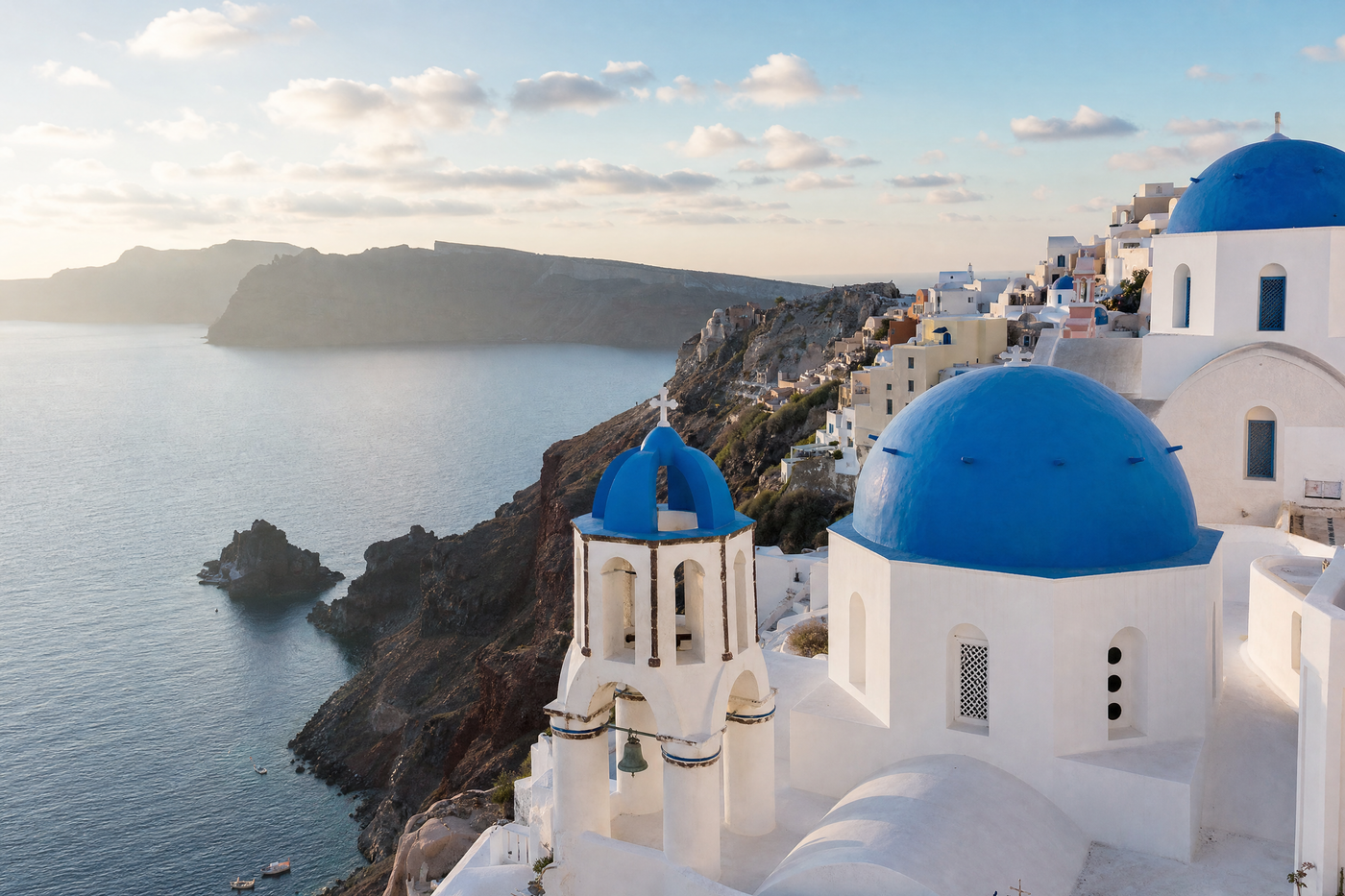
Santorini’s whitewashed clifftop villages and dramatic volcanic landscapes draw travelers from around the world. This practical guide covers where to stay, what to do and how to get around for an unforgettable first visit.
Why visit Santorini: the island’s unique appeal
Santorini, known as Thira in Greek, is an island shaped by volcanic forces and steeped in ancient myth. Beyond the famous caldera views and impossibly blue domes, its small villages, pebble beaches, and friendly local atmosphere offer something for every traveler. The contrasting white houses perched on dark, rugged cliffs deliver scenery found nowhere else in Greece. Yet Santorini’s magic is also in the details: sunset strolls along winding paths, breakfasts overlooking the Aegean, and exploring ancient ruins that hint at the island’s vibrant history.
Whether you are seeking romantic moments, historic discoveries, or simply a sun-soaked escape, Santorini’s atmosphere is unforgettable. Its villages transition seamlessly from lively to tranquil, meaning you can tailor your experience to suit your interests, making it equally suitable for couples, families, and solo travelers alike.

Your trip deserves fewer tabs.
Start planning your tripWhen to visit: finding the best season
Santorini’s appeal changes with the seasons, so timing your trip is crucial for making the most of your experience. While summer (June–September) brings reliably warm weather and buzzy island life, these months are also the busiest—and most expensive. Shoulder seasons, specifically late April to June and mid-September to October, combine mild temperatures with fewer crowds, allowing for a more relaxed pace. This is when Santorini shows its gentler side, with wildflowers blooming or vineyards ready for harvest.
Winter (November–March) sees many hotels and restaurants close, but those who venture here will find a much slower, local rhythm. While swimming might be off the agenda, exploring empty lanes or soaking in a cozy taverna brings its own rewards. In short, consider your priorities—beach time and nightlife, or culture, hikes and peaceful vistas—when planning your Santorini visit.
Getting to and around Santorini
Santorini is easily accessible by plane or ferry. Most international visitors arrive via the compact Santorini National Airport (JTR), which has regular flights from Athens and summer links to European cities. Ferries from Athens’ Piraeus port and other Cycladic islands (like Mykonos, Naxos, and Paros) dock at Athinios port—note that ferry rides can range from 5 to 8 hours, while high-speed catamarans typically take around 4.5 hours.
To get around Santorini, you have several options:
- Buses: The local KTEL bus network connects Fira, Oia, Kamari, Perissa, and other hubs affordably. Schedules run more frequently in summer but can be crowded at peak times.
- Car or ATV rental: Renting a car, quad bike, or scooter gives flexibility, especially for exploring beaches or inland villages. Book in advance during summer and always check your insurance coverage. Parking in Fira and Oia is challenging—use designated lots and consider staying in less busy areas.
- Taxis and transfers: Taxis are relatively few, so pre-booking is advisable. Private shuttles and transfer services can be arranged through hotels or apps.
- Walking: Many villages are best explored on foot. The scenic caldera path between Fira and Oia (around 10km) is one of Santorini’s must-do walks, though sturdy shoes and water are recommended.
Take local geography into account: winding roads, steep paths, and summer heat mean some journeys are slower than they appear on a map.
Santorini’s neighborhoods and best places to stay
Santorini’s compact size means you are rarely far from anything, but choosing the right base can shape your experience. Here’s an overview of key areas:
- Fira: The island’s capital, perched above the caldera, is bustling and central. Here you’ll find shops, restaurants, nightlife, and easy bus connections. Fira offers accommodations for all budgets—think busy atmosphere and incredible views, but less tranquility.
- Oia: Famous for its sunsets and romantic cliffside hotels, Oia is Santorini’s most picturesque (and priciest) village. Expect dreamy views, narrow alleys, and a quieter pace once daytrippers leave. Accommodation here ranges from luxury cave suites to charming guesthouses.
- Imerovigli and Firostefani: Quieter alternatives along the caldera edge, both offer sublime vistas and a serene vibe. Imerovigli is known for sunset views, while Firostefani is within walking distance of Fira.
- Kamari and Perissa: On the flat east coast, these beach towns are great for families or those prioritizing sea access over volcano views. Accommodation is more affordable, and you’ll find relaxed beach clubs and tavernas.
- Pyrgos and inland villages: For a local experience, consider staying in Pyrgos or village guesthouses in the heart of the island. These spots offer a glimpse into traditional life and quieter evenings.
Wherever you stay, book early in high season. Boutique hotels with caldera views fill fast, while options in Kamari and Perissa are more available year-round.

Turn your travel ideas into a plan.
Start planning your tripTop sights and must-see attractions
While Santorini is often seen as a place to unwind and soak up the scenery, there’s plenty to see and do. Here are the island’s top sights:
- Oia’s sunset: A bucket-list experience, best enjoyed from the ruined castle or a rooftop terrace. Go early for the best spot and stay after the sun dips for a quieter vibe.
- Fira and the caldera walk: Stroll cliffside paths linking Fira, Firostefani, Imerovigli and Oia. The full walk takes about 2–3 hours (one way), with panoramic views throughout.
- Ancient Thira: Perched on Mesa Vouno mountain, these Greek and Roman ruins offer fascinating history and sweeping views. Access is by car or a steep hike from Kamari.
- Akrotiri archaeological site: One of the Mediterranean’s best-preserved prehistoric settlements, this Minoan-era ‘Pompeii’ is an easy trip from Fira. The covered site brings island history to life.
- Red Beach and other volcanic beaches: Experience Santorini’s unique geology at Red Beach, with its striking cliffs, and black sand beaches like Kamari and Perissa.
- Santo Wines or local wineries: Santorini’s volcanic soil produces crisp white wines, especially Assyrtiko. Tour a winery for tastings and caldera views.
- Pyrgos: A hilltop medieval village with winding lanes, traditional tavernas, and panoramic island vistas.
- Volcano and hot springs boat tours: Join a boat tour to the caldera’s volcanic islands—swim in hot springs and walk on lava fields.
Allow time for simply wandering: Santorini’s charm is often found in its hidden corners and quiet moments.
Local food and where to eat
Santorini’s cuisine is shaped by its volcanic soil and sea breezes, bringing unique flavors to classic Greek cooking. Essential tastes include creamy fava (split pea puree), white eggplant dishes, capers in all forms, sun-dried tomatoes, and cherry tomatoes grown in the island’s arid soil. Local seafood, grilled meats, and tangy cheeses round out the menu.
Where to eat depends on your appetite and budget:
- Clifftop tavernas: In Fira, Oia, and Imerovigli, combine meals with dazzling views. Book ahead for fine dining (try Selene or Lauda).
- Traditional tavernas: Head inland to villages like Pyrgos or Megalochori for authentic local cooking and a warm welcome.
- Beachside cafes: Kamari and Perissa offer casual beachfront meals—ideal for a relaxed lunch after swimming.
- Bakeries and souvlaki stands: For snacks on the go, grab spanakopita (spinach pie), tomato keftedes (fritters), or a classic Souvlaki wrap from shops in every town.
Don’t forget to sample Santorini’s dessert wine, Vinsanto, and enjoy a lingering evening meal. Greek hospitality shines at the table.
Planning your Santorini trip: how many days?
Three full days is the ideal minimum for Santorini, balancing the must-sees with genuine downtime to wander or relax. This length lets you experience a signature sunset, visit historic sites, enjoy the beaches, and still lose yourself in the island’s slower rhythms. Many travelers spend only a couple of days—especially on multi-island itineraries—but you’ll savor Santorini more at an unhurried pace.
If you have longer, you could add day trips to Thirassia (Santorini’s quieter sister island), time for water sports, or vineyard-hopping across the island. For first-timers, however, three days provides a gentle but comprehensive introduction to the island’s magic.
A flexible three-day Santorini itinerary
- Day 1 – Fira and the caldera: Start in lively Fira: stroll the cliffside alleys, visit the Archaeological Museum, and browse independent boutiques. Enjoy lunch overlooking the caldera, then walk (or bus) north via Firostefani and Imerovigli, taking in breathtaking vistas. If energy allows, continue the full cliff path to Oia. Settle in with a drink as sunset approaches, then dine locally before returning to your base.
- Day 2 – Akrotiri, Red Beach, and inland villages: Head south to the Akrotiri archaeological site for a morning visit. Continue to Red Beach for a swim or photo stop, then drive or bus inland to Pyrgos for lunch. Spend the afternoon exploring Pyrgos’ tangled lanes and views. On the way back, stop at a local winery for a tasting before returning for an evening in Fira or your local village.
- Day 3 – Oia and a boat trip: If not already done, dedicate a morning to Oia—climb to the castle, explore bookshops, and wander at leisure. Later, join a volcano and hot springs boat tour, or simply spend the afternoon at a black sand beach like Kamari. End the day with a relaxed dinner by the sea or a celebratory toast watching your second Santorini sunset.
This plan can be adjusted: switch boat trips for hiking, sunrise breakfasts for late-night revelry, or wine tours for local crafts—Santorini rewards both planners and wanderers.
Practical tips for getting around Santorini
Santorini’s top sights are spread across the island but distances are short. Here are practical tips for navigating:
- Public transport: KTEL buses connect all major villages and beaches, with central transfers in Fira. Buses are reliable but may require patience in peak summer.
- Car rental: Advance booking is essential in summer. Compact cars or ATVs are best for narrow streets and easy parking. Drive cautiously—roads can be winding or steep.
- Taxis: There are limited taxis (and no Uber). Pre-book for airport/port transfers or talk to your hotel about arranging rides.
- Walking: Villages are walkable, but bring comfortable shoes for uneven paths and steep steps. The caldera walk is a memorable (though sunny) highlight.
For beach days or visiting Akrotiri, renting a vehicle adds flexibility. Otherwise, bus and foot are often the easiest ways to navigate the villages and caldera rim.
What to pack for Santorini
- Sturdy sandals or walking shoes: For caldera walks, archaeology sites, and cobblestone streets.
- Light layers and sun protection: The island is windy and sun-exposed—bring a hat, sunglasses, sunscreen, and a light jacket for evenings.
- Swimming gear: Even if staying on the cliffs, beach trips and boat tours are popular.
- Adapters and chargers: Greece uses standard European plugs (Type C and F—220 volts).
- A small backpack: Useful for water, snacks, and souvenirs as you spend the day exploring.
In busier months, pack light if possible—narrow streets and stairs make heavy suitcases awkward. Modest attire is appreciated in village churches and archaeological sites.
Responsible and respectful travel in Santorini
Santorini’s popularity brings challenges: crowded streets, stretched water supplies, and preservation of delicate architecture. Travelers can help by choosing local-owned hotels and shops, using refillable water bottles, and respecting marked footpaths (avoid climbing on church domes or walls for photos).
Outside main villages, treat vineyards and farmland with care, and avoid loud music or parties in areas known for tranquillity. Waste disposal and water conservation are real concerns for islanders—ask your hosts for local guidelines. Simple steps help preserve Santorini’s beauty for generations to come.
Making your Santorini trip unforgettable
No matter how you plan your days, Santorini offers endless chances for memorable moments: a peaceful cove at sunrise, an impromptu taverna meal, or a lantern-lit walk along quiet alleys. The combination of natural beauty, deep-rooted history, and warm hospitality keeps travelers returning again and again.
By choosing the neighborhood that fits your style, sampling local flavors, and savoring a few unplanned adventures, your first trip to Santorini can be as magical as the pictures—yet uniquely your own. Most importantly, give yourself time to simply pause and take it all in. That’s the real Santorini secret.