Santiago in three days: a balanced itinerary for first-time visitors
 By Samir Cole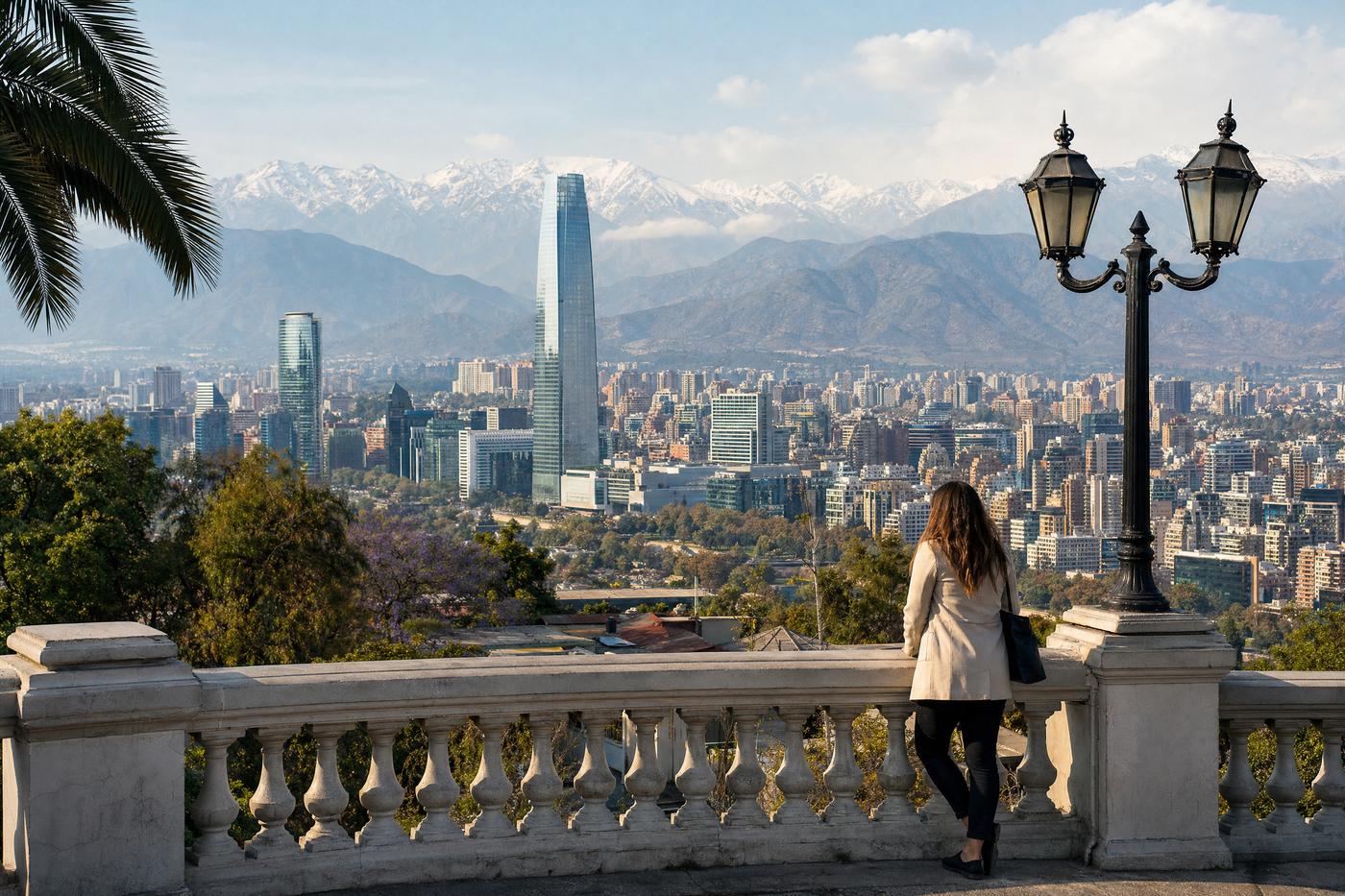
Experience Santiago, Chile’s vibrant capital, in just three days. This itinerary balances top sights, local culture, great food, and downtime—ideal for a relaxed first visit.
Arriving in Santiago: start with a sense of place
Landing in Santiago, you’re greeted by the broad expanse of the Andes. The city is friendly to newcomers, with a blend of colonial history, cosmopolitan energy, and diverse neighborhoods. Arrivals from abroad usually touch down at Arturo Merino Benítez Airport. Taxis, reputable app rides, and the Centropuerto shuttle connect you with the city center in about 30 minutes.
Before you dive into sightseeing, get oriented. Urban Santiago is safe and walkable in central areas, but like any large city, keep an eye on your bag. Spanish is widely spoken, but signage and menus often include English. For convenience and safety, consider buying a Bip! card at a metro station on your first day. This reloadable card is used for public transport and saves you time and hassle during your stay.

Your trip deserves fewer tabs.
Start planning your tripDay 1 morning: history and city views
Plaza de Armas and the historic center
The best way to begin is in Santiago’s historic heart: the Plaza de Armas. Surrounded by the neoclassical Metropolitan Cathedral and aged city hall, this square buzzes with energy from street performers and locals. Duck into the cathedral to take in its ornate altars and stained glass. Around the square, city-run museums like the Museo Histórico Nacional offer accessible introductions to Chilean history.
From the plaza, stroll down pedestrian-only Paseo Ahumada, blending with commuters toward Cerro Santa Lucía. This lush hilltop park offers panoramic views—especially worth the short climb in the fresh morning air. On your descent, pause at the Fonte Neptuno, one of Santiago’s favorite photo spots.
Day 1 lunch: Mercado Central and local flavors
Lunchtime is a highlight in Santiago, and Mercado Central is the pulse of seafood culture here. The lively 19th-century iron-and-glass building houses fishmongers and small restaurants. For a sit-down meal, try Donde Augusto for classic Chilean seafood like congrio frito (fried conger eel) and machas a la parmesana (Parmesan razor clams). Prefer something light? Sample pastel de choclo at a counter—this sweet corn pie is a vegetarian-friendly local staple.
Don’t miss the smaller stalls around the perimeter, where locals snack on empanadas de mariscos. Meals are reasonably priced, but be cautious of vendors aggressively touting menus at tourists; walk a circuit and check menus posted outside before choosing. Mercado Central is busiest from noon to 2 pm, so plan for an early or later lunch to avoid crowds.
Day 1 afternoon: Lastarria’s culture and coffee
From Mercado Central, it’s a short walk or metro ride to Barrio Lastarria, a neighborhood renowned for its artsy charm. Stroll the shaded Calle José Victorino Lastarria, discovering independent bookstores, galleries, and boutiques. This area is also a hub for Santiago’s thriving café culture: stop at Café Wonderland or Café del Museo for a cortado and handmade pastries.
If art is your passion, the Museo de Artes Visuales (MAVI) hosts a rotating set of contemporary works in an intimate setting. For open-air relaxation, the adjacent Parque Forestal provides lawns and shaded benches—ideal for a pre-dinner rest or people-watching.
Day 1 evening: casual Chilean classics in Bellavista
As twilight arrives, head to Barrio Bellavista—Santiago’s answer to bohemian fun. This area sits at the base of Cerro San Cristóbal and boasts colorful street murals and a lively crowd. For dinner, consider Galindo, popular with both locals and visitors for its traditional Chilean comfort fare. Try a pastel de jaiba (crab casserole) or a hearty plate of cazuela stew.
After your meal, sample local craft beers at Peumayen Ancestral Bar or wind down with helado (ice cream) from Emporio La Rosa. Many bars have open-air seating, and you’ll often stumble into street musicians or impromptu art markets. It’s a relaxed start to your Santiago nights without overcommitting on your first evening.

Turn your travel ideas into a plan.
Start planning your tripDay 2 morning: sunrise on Cerro San Cristóbal
Begin day two with a burst of nature and cityscape views. Cerro San Cristóbal, part of the expansive Parque Metropolitano, is Santiago’s green lung. Early risers can join joggers on broad trails leading to the summit. Not a hiker? The funicular from Pío Nono street whisks you up in minutes. The top reveals panoramic vistas encompassing snow-dusted Andes and the city’s urban sprawl—particularly beautiful in soft morning light.
For a light breakfast, vendors at the summit sell mote con huesillo—a sweet, refreshing drink made from barley and dried peaches. Pause for reflection at the imposing Virgin Mary statue before heading downhill. Consider descending by cable car on the eastern side for more views and a different perspective of the city’s neighborhoods.
Day 2 midday: museums and the Yungay district
After your mountaintop morning, take the metro (or a short taxi ride) to Barrio Yungay—one of Santiago’s most photogenic and least touristy areas. The neighborhood’s streets brim with colorful facades, historic homes, and quiet squares, making it perfect for a midday wander without the crowds.
Stop at the Museo de la Memoria y los Derechos Humanos, a powerful and thoughtfully designed museum dedicated to Chile’s recent history and the Pinochet dictatorship. Allow at least an hour to absorb the exhibitions. For lighter fare, sample empanadas and fresh juices from a nearby panadería (bakery): Panadería Rosetta comes highly recommended for a lingering lunch break.
Day 2 afternoon: exploring parks and neighborhoods
- Parque Quinta Normal: After lunch, continue on foot to this expansive city park. It offers shaded paths, rowing ponds, and several museums, including the kid-friendly Museo de Ciencia y Tecnología. On weekends, families picnic and street vendors sell paletas (ice pops) along the main promenade.
- Barrio Brasil: Adjacent to the park, Barrio Brasil is known for street art and students from nearby universities. Wander past colorful murals and pop into local cafes for a reprieve from the sun. For coffee with a conscience, Café La Finca sources beans from Chilean and Latin American cooperatives.
By late afternoon, you'll have a sense of both modern and historic Santiago, while still having time to return to your hotel for a short rest before the evening ahead.
Day 2 evening: wine, dinner, and the Providencia vibe
Night two offers a chance to experience Santiago’s refined side. Head to the leafy streets of Providencia, a district celebrated for its abundant cafes and world-renowned wine bars. Baco is a favorite for both food and sips: their extensive by-the-glass list lets you taste Carménère and Syrah from Chile’s many valleys. Pair a local wine with the bife de chorizo or fresh ceviche.
If you prefer a lighter evening meal, Providencia has numerous Peruvian-Chilean fusion spots such as El Otro Sitio—ideal for sharing plates and people watching from a terrace. After dinner, consider a gentle stroll through Parque Balmaceda or along Avenida Pedro de Valdivia, where street performers and night markets often pop up in summer months.
Day 3 morning: artisan markets and la Vega Central
Dedicate your final morning to delving into Santiago’s creative and culinary sides. Start at Pueblito Los Dominicos, an artisan village at the eastern edge of the city (reachable via metro line 1). Here, Chilean artisans sell works in lapis lazuli, silver, and ceramics. Prices are fair, but friendly bargaining is acceptable. Many workshops are open-plan, letting you observe artists at work.
Continue to La Vega Central, the city’s bustling produce market. Mornings are best, when farmers and vendors lay out mountains of fruit, freshly picked avocados, and baskets of local merkén spice. It’s vibrant, chaotic, and smells of summer. Snack on sopaipillas (fried pumpkin bread) drizzled with pebre salsa or enjoy a juice from a juice bar hidden among the stalls.
Day 3 afternoon: curated museums and green escapes
Squeeze in a bit more culture by visiting the Museo Nacional de Bellas Artes, set within the Parque Forestal. The collection ranges from colonial art to contemporary pieces, offering context for the creativity you’ve seen in markets. If the day is warm, rent a bike or simply stroll through the park’s shaded paths to unwind.
Lunch can be leisurely at Castillo Forestal, a French-style bistro right by the museum, with shaded outdoor seating and classic sandwiches. Alternatively, pop into a local lomitería for a generously topped lomito pork sandwich—an everyday Chilean favorite. This is an unrushed midday, designed to let reflections and spontaneous discoveries lead your choices before you prepare to depart.
Practical tips, common mistakes, and booking advice
- Pace your days: Santiago’s highlights are spread out. Don’t overbook—leave blocks of time for rest, meals, and spontaneous stops.
- Booking essentials: City attractions rarely require advance tickets, but book ahead for wine tours or fine dining in peak months (December to March).
- Common mistakes: Avoid cramming too much in one day. Skip midday hikes in summer heat, and always check closing times—many museums are shut on Mondays.
- Getting around: Use the metro for speed, but allow time for rush hour crowds. Taxis are inexpensive by international standards; use official cabs or ride-hailing apps for safety.
- Food etiquette: Santiago mealtimes are later than in North America—locals typically eat lunch around 1-2pm and dinner after 8pm.
Most importantly, embrace some flexibility. Santiago rewards the traveler who slows down to savor its parks, cafes, and cultural quirks. With this balanced approach, you'll experience the best of the city while leaving space for the joys of unplanned discovery.