San Francisco travel guide: what to see, where to stay and how to plan your days
 By Samir Cole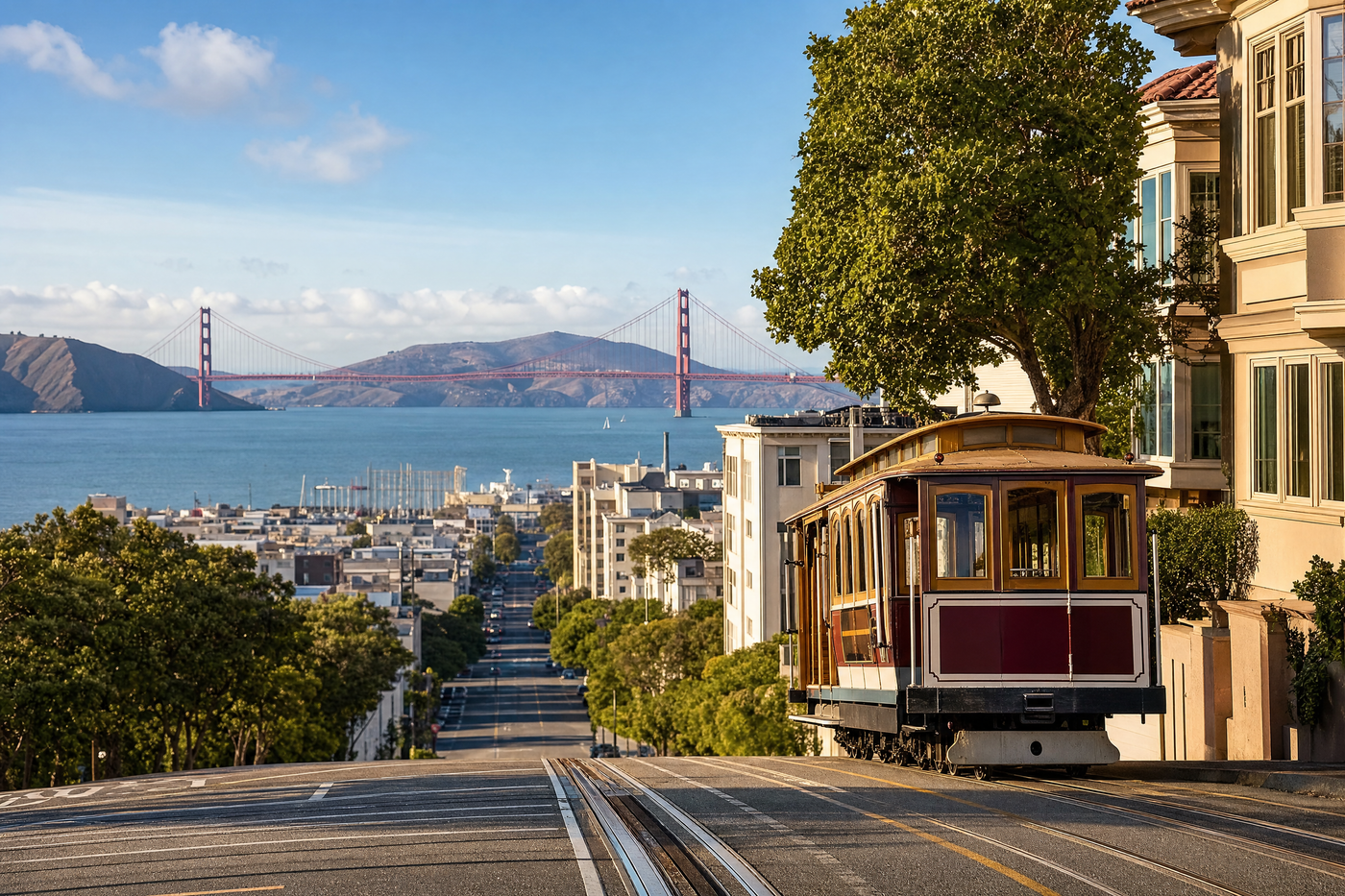
This comprehensive San Francisco travel guide offers first-time visitors practical advice on choosing neighborhoods to stay, top things to see, local eats, efficient public transport, and a flexible three-day itinerary to experience the city's highlights and local life.
Why visit San Francisco?
San Francisco stands apart from other major U.S. cities with its distinct neighborhoods, dramatic hills, and iconic Golden Gate. Positioned between the Pacific and the Bay, it features both natural beauty and cosmopolitan energy in a compact area. Whether you crave panoramic views, diverse food, local art, or simply enjoy wandering vibrant streets, San Francisco will reward you with layers of character and remarkable variety.
The city's progressive spirit, visible in everything from its historic cable cars to LGBTQ+ landmarks and inventive restaurant scene, makes it feel at once classic and always evolving. Coastal climate means visitors should prepare for quick weather changes, but the constant is a warm welcome and a blend of cultures that offers something for every traveler.

Your trip deserves fewer tabs.
Start planning your tripBest neighborhoods to stay in San Francisco
San Francisco's neighborhoods each offer their own personality and convenience. Where you stay shapes your experience considerably. Here are the top choices for first-time visitors, balancing access, atmosphere, and accommodation options:
- Union Square: The traditional downtown core with excellent transit links and plentiful hotels, perfect for shoppers and those who want a central hub. Expect busy streets and easy access to major sights, dining, and the famous cable cars.
- Fisherman’s Wharf: Very tourist-friendly with waterfront views, walkable piers, and easy ferry access to Alcatraz. Hotels here often cater to families. It’s lively but can be crowded most of the year.
- Nob Hill: Known for its elegant architecture and grand hotels like the Fairmont and InterContinental Mark Hopkins. It’s quieter at night and offers pubic transport convenience, but expect steep hills!
- North Beach: Called "Little Italy," this neighborhood charms with classic cafes, old-school bakeries, and vibrant nightlife, while allowing quick walks to Chinatown and Fisherman’s Wharf.
- Hayes Valley & Mission: For those wanting local character, boutique hotels and trendy restaurants, these areas are lively and accessible to main attractions—just weigh up a slightly longer transit time to the bayfront sights.
Booking a place near public transport is key; parking is expensive and not recommended for most visitors. Choose based on your interests—central action, local character, or quieter comfort.
Iconic sights and must-see attractions
- Golden Gate Bridge: Walk or bike across for unparalleled city and ocean views. Try the visitor center for historical insights and prime photo spots.
- Alcatraz Island: The legendary former prison offers award-winning audio tours; book ferry tickets in advance, especially in peak season.
- Fisherman’s Wharf & Pier 39: Known for sea lions, street performers, and fresh seafood. Despite crowds, it’s worth sampling at least once.
- Cable Cars: Hop aboard the world’s last manually operated cable car lines, linking downtown with Fisherman’s Wharf and Chinatown in charming, photogenic style.
- Chinatown: Enter through the Dragon Gate and find temples, markets, and some of the best casual eats in the city.
- Golden Gate Park: Larger than Central Park, this urban oasis boasts museums, gardens, and idyllic lakes. Don’t miss the Japanese Tea Garden or de Young Museum.
- Painted Ladies & Alamo Square: The city’s iconic row of Victorian homes with a classic skyline backdrop, best viewed from the park across the street.
Many top attractions are clustered, so plan your days to minimize backtracking and make the most of your time.
San Francisco’s best neighborhoods to explore
Beyond the touristic central band, San Francisco’s neighborhoods reveal its true flavor and dramatic cityscapes. Each venue has a unique personality and distinctive shops, cafes, and street art.
- Mission District: Colorful murals, indie shops, authentic Mexican taquerias, and sunny Dolores Park make it a local favorite.
- Haight-Ashbury: The epicenter of ‘60s counterculture, still full of vintage stores, record shops, and a bohemian feel along Haight Street.
- Japantown: Home to a three-level mall with Japanese restaurants, bookshops, and a festival calendar anchored by cherry blossoms in spring.
- Castro: Lively LGBTQ+ scene, rainbow crosswalks, bar-hopping, and rich neighborhood history at the GLBT History Museum.
- Richmond & Sunset: Relaxed, everyday neighborhoods stretching toward Ocean Beach, house excellent Asian restaurants and quiet, leafy streets.
Exploring a blend of these districts helps visitors understand both the city’s past and the modern diversity that defines San Francisco today.
Getting around: transit, tickets, and tips
San Francisco’s famously steep streets are best tackled with public transportation, as parking is costly and traffic tight. The Muni network of buses, metro (Muni Metro), streetcars, and cable cars spans the city, and most major sights are accessible.
- Muni: $3 per ride using the MuniMobile app, or pick up a reloadable Clipper Card (also valid on BART, San Francisco’s regional train). Unlimited Visitor Passports are available for one to seven days, including cable cars.
- Cable Cars: These are both transit and tourist attractions ($8 per ride), with the Powell-Hyde and Powell-Mason lines being the most scenic and popular.
- BART: Useful mainly for airport transfers (SFO & OAK) and regional travel; not necessary for most sightseeing within the city.
- Ferries: Connect downtown with Sausalito or Alcatraz. The Bay’s microclimates mean ferries can be breezy—pack a layer.
Walking is a pleasure in flat areas, but hills can be challenging. Ride-shares and e-bike rentals fill the gaps. Plan routes in advance to minimize steep climbs, and always bring a light jacket—even in summer.

Turn your travel ideas into a plan.
Start planning your tripThe local food scene: what and where to eat
San Francisco is one of the most exciting food cities in the U.S., famous for its diversity, proximity to fresh California produce, and a culture of culinary innovation. From dim sum to sourdough bread to world-class seafood, there’s a dish and experience for every visitor.
- Seafood Classics: Sample clam chowder served in a sourdough bowl or Dungeness crab at Fisherman’s Wharf.
- Mission-Style Burritos: Oversized, foil-wrapped and loaded with fresh fillings—find the original at La Taqueria or El Farolito in the Mission District.
- Chinese Dim Sum: Chinatown offers some of North America’s best, with iconic tea houses and bakeries such as Good Mong Kok and City View.
- Modern Californian: Neighborhood bistros like Zuni Café, Tartine Bakery, and Foreign Cinema push the boundaries of seasonal local dining.
- Japanese & Asian Fusion: Try ramen or izakaya in Japantown, or hit up the Richmond for authentic Vietnamese and Korean.
Advanced reservations are recommended at top restaurants. To eat like a local, visit the Ferry Building Marketplace for artisan food stalls and farmers’ markets on Tuesdays, Thursdays, and Saturdays.
Essential San Francisco travel tips
- Weather: The city is famously cool and foggy, even in summer. Layers are vital; carry a windproof jacket and sunglasses.
- Safety: Most major tourist areas are safe, but be mindful of your belongings and avoid leaving items visible in parked cars anywhere in the city. Watch for increased street homelessness in certain downtown zones—be prepared, not alarmed.
- Local Etiquette: Tipping 18-20% is standard at restaurants. Queuing for cable cars is the norm, and patience pays off.
- When to Visit: Spring and fall are comfortable and less crowded. “Fogust” (August) surprises many with its chilly, misty conditions along the western coast.
Embrace the microclimates and the laidback but bustling vibe—locals are friendly and happy to give tips, so don’t hesitate to ask for directions or advice.
Flexible three-day itinerary: San Francisco highlights and local flavor
Day 1: The classics and the waterfront
Start at Union Square, then ride a cable car to Chinatown for a dim sum brunch. Stroll through the lantern-lined alleys before continuing to North Beach for coffee and historic Beat-era bookshops. Walk to Fisherman’s Wharf and explore Pier 39’s sea lions, street performers, and shops. If time allows, hop a ferry to Alcatraz for the afternoon. End your day with a sunset view and Italian dinner along Columbus Avenue.
Day 2: Golden Gate Park and culture
Spend your second morning at the de Young Museum or California Academy of Sciences in Golden Gate Park. Walk or rent a bike through the gardens, stopping at the Japanese Tea Garden. If the weather’s fair, continue to Ocean Beach for a bracing Pacific stroll. Later, explore Haight-Ashbury’s vintage flair and murals, or browse the eclectic boutiques of Hayes Valley. Enjoy dinner at a modern Californian restaurant—Zuni Café is a favorite.
Day 3: Neighborhoods and the bridge
Breakfast in the Mission District: tartine and people-watching at Tartine Bakery or a classic burrito at La Taqueria. Walk off your meal on the murals-lined streets leading to Dolores Park, where locals gather. In the afternoon, head north to walk or bike the Golden Gate Bridge. Consider detouring via the Presidio’s parklands or catching a ferry to Sausalito for small-town charm across the bay. Wrap up with a meal at a neighborhood spot in Richmond or the buzzing Castro.
Day trips and local escapes
San Francisco’s small size makes it easy to combine city sightseeing with relaxing or adventurous escapes. If you have more than three days, consider a regional excursion.
- Sausalito: Take the ferry across the bay to this artsy, waterfront village with great seafood, boutique shopping, and sweeping views back to San Francisco.
- Muir Woods: Explore the ancient coastal redwoods with gentle hiking trails just over the Golden Gate, reachable by shuttle or guided tour.
- Berkeley & Oakland: BART brings you to lively restaurant districts, unique museums, and parks with skyline views across the East Bay.
- Wine Country: Napa and Sonoma are about an hour north by car or organized tour, known for their award-winning wine, vineyard tours, and laidback countryside.
Advance tickets and planning are recommended for popular weekend escapes, particularly during summer and harvest seasons.
Where to shop like a local
San Francisco offers more than big-brand downtown shopping. Diverse neighborhoods are full of independent boutiques, galleries, and markets with unique finds.
- Hayes Valley: Small design studios, fashion boutiques, and handcrafted accessories line leafy Patricia’s Green park.
- Mission District: Find vintage clothes, handmade jewelry, books, and offbeat art at Mission Street’s and Valencia’s indie retailers.
- Japantown: Perfect for specialty foods, ceramics, Japanese literature, and pop culture items.
- Ferry Building: Local foods, artisan cheeses, chocolates, and crafts—ideal for gifts or a picnic by the bay.
For souvenirs with more personality, seek out local makers and flea markets rather than tourist-heavy chains.
Where to get the best views in the city
Few cities offer as many free or accessible panoramas as San Francisco. Whether you’re a photographer or simply want to soak in the sights, head to these lookouts:
- Twin Peaks: Sweeping 360-degree vistas across the Bay Area, best reached via car or hike. Go at sunrise or sunset for striking photos.
- Coit Tower: Overlook the skyline and bay from this Art Deco landmark in Telegraph Hill. Murals inside add cultural context to your visit.
- Marina Green & Crissy Field: Walk or bike along the waterfront paths with unobstructed Golden Gate Bridge views.
- Alamo Square: Not just for the Painted Ladies—enjoy a picnic while watching the fog roll over the city’s skyline.
- Bernal Heights Park: More offbeat, with trails leading to a windblown summit and community swings offering peaceful city and Bay Bridge vistas.
Fog can obscure views, so keep your schedule flexible and try for multiple options—on clear days, you’ll be rewarded with unforgettable perspectives.
Planning your San Francisco trip: booking, timing, and essentials
San Francisco is a year-round destination, but planning ahead ensures the best experience. Book accommodation early for summer, fall, and major events (like Pride or Chinese New Year), as hotels fill quickly and rates rise accordingly. Spring and fall offer milder weather with fewer crowds.
Lodging options range from historic hotels to cozy B&Bs and sleek boutique spots. If possible, select a location near transit but away from the busiest tourist blocks for a restful night. Always factor in extra time for getting around—the city’s pace is relaxed, and the hills, weather, and cable car queues can all slow things down.
Allow room in your itinerary to wander: unexpected alleys, pop-up food carts, and scenic detours often become trip highlights. Above all, pack layers, comfortable shoes, and a spirit of curiosity—San Francisco’s greatest moments often appear when you least expect them.