Rhodes travel guide: what to see, where to stay and how to plan your days
 By Samir Cole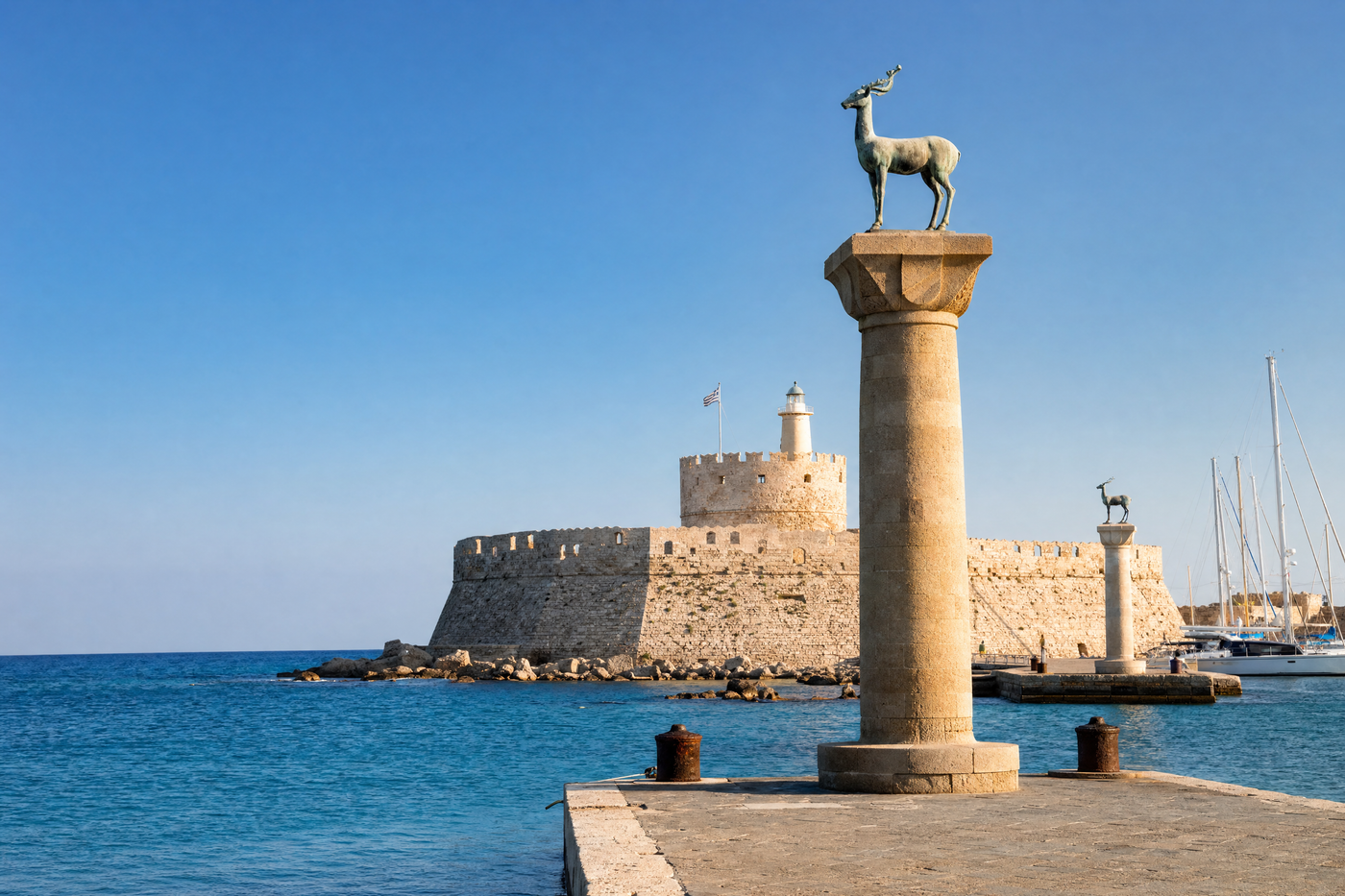
Planning your first trip to Rhodes? This practical guide covers essential tips on where to stay, what to see, navigating local transport, must-try food, and crafting a flexible three-day itinerary to make the most of your time on this sun-soaked Greek island.
Why visit Rhodes? Ancient wonders meet relaxed island life
Rhodes is one of Greece’s most compelling destinations, combining centuries of layered history with golden beaches and lively villages. Located in the Dodecanese near Turkey’s coast, Rhodes entices travelers with its blend of medieval architecture, turquoise bays, and balmy Mediterranean climate. While it’s famous for the UNESCO-listed Old Town, there’s much more to discover beyond castle walls.
First-timers will find Rhodes approachable yet diverse. The island offers something for almost every interest: ancient ruins, water sports, nature hikes, cosmopolitan marinas, and humble mountain hamlets. Whether you’re searching for high culture, lazy beach days, or local flavors, Rhodes adapts easily to different travel styles and leisurely itineraries.

Your trip deserves fewer tabs.
Start planning your tripBest areas to stay in Rhodes: pros, cons and local feel
Where you base yourself on Rhodes can shape your trip. The northern tip has the vibrant city pulse and marine views, while beaches and rural escapes dot the east and south. Here are the primary areas to consider:
- Rhodes Old Town: Atmospheric and walkable, with winding medieval alleys, boutique hotels and easy access to key sights. Great for first-timers and history lovers, but can be busy and pricier in summer.
- New Town & Mandraki: A more modern area north of the old walls, offering urban energy, waterfront hotels, and lots of shopping and nightlife. Good for convenience.
- Lindos: A stunning whitewashed village an hour south, known for its iconic acropolis and sandy bays. Expect postcard views but more tourists; best for scenic exploration and beaches.
- Faliraki: Family-friendly resort packed with beach hotels, watersports and a lively night scene. Great for relaxed holidays, but lacks old-world charm.
- South Rhodes & Small Villages: Ideal for those seeking authentic, tranquil, or nature-rich settings, with laid-back tavernas and secluded beaches.
For your first trip, Old Town or Lindos offer the strongest sense of place and convenient access to island highlights.
Getting around Rhodes: practical tips for easy exploration
Rhodes is a large island (1,400 km²), so thinking about transport ahead of time is essential. The historic Old Town is best explored on foot; its streets are pedestrian-only, lined with shaded squares and boutiques. Outside of it, however, distances are significant and sights are spread out.
For maximum independence, renting a car is the most flexible option, especially if you plan trips to Lindos, beaches, or remote villages. The major roads are in good shape and signage is clear, but expect some narrow, winding lanes inland. Parking in high season can be tough in popular areas.
A public bus network connects Rhodes Town with major towns (Lindos, Faliraki, Afandou). It’s affordable and comfortable, with schedules posted in English. Services run frequently from April to October, although rural routes are less regular. Taxis are widely available for short hops or airport transfers. Boat excursions to outlying beaches or nearby islands (like Symi) are also popular and easy to book at Mandraki harbour.
Rhodes Old Town: medieval treasures and hidden corners
Rhodes Old Town is the island’s top draw for good reason. Enclosed by formidable stone ramparts and watched over by the Palace of the Grand Masters, it’s a living museum with 24 centuries of history in every street. Stroll beneath the Gate of Freedom to enter a tangle of flagstone alleys, vibrant markets, and Ottoman fountains.
Don’t miss the Street of the Knights, the best-preserved medieval avenue in Europe, lined with inns once used by the Knights of St John. The Archaeological Museum, housed in a former hospital, and the pink-domed Suleymaniye Mosque are also highlights. Beyond the main routes, explore quieter lanes near the Jewish Quarter or sit at a shaded kafeneio for local coffee and people-watching. Visit in early morning or late afternoon to skip cruise crowds and bask in golden light.
Beyond Old Town: Lindos and day trip highlights
While the Old Town dazzles, Lindos is Rhodes’ other must-see. Whitewashed houses tumble down the hillside to a dramatic bay, crowned by a stunning acropolis that’s as impressive as Athens itself. Climb the cobbled footpath up to explore clifftop ruins and panoramic sea views.
Other top day trips include the Valley of the Butterflies (Petaloudes), where shaded forest paths brim with migrating butterflies in summer, and Kamiros, an atmospheric ancient city. For quieter experiences, head south to Prasonisi for windswept beaches and observation of wind- and kitesurfers, or inland to Apollona for hiking and rustic tavernas.
Beaches are everywhere: Tsambika (wide, golden sand), Anthony Quinn Bay (snorkelling and rocky beauty), and the family-friendly Faliraki are all easily reached by car or bus.

Turn your travel ideas into a plan.
Start planning your tripHow to plan your days: a flexible three-day Rhodes itinerary
Day 1: Medieval marvels and city buzz
Begin with a deep dive into Rhodes Old Town. Start early with a guided walking tour to understand the layers of Greek, Byzantine, and Crusader influence around the Palace of the Grand Masters. Pause at the Archaeological Museum and the bustling Sokratous Street, where shops sell artisan goods.
After lunch—try moussaka or fresh seafood at a shaded taverna—walk out to Mandraki Harbour to photograph the towering deer statues and windmills. Spend the late afternoon on Elli Beach or sip a sunset drink in the New Town. For dinner, sample meze (small plates) at a local wine bar or head to the Jewish Quarter’s hidden eateries for authentic dishes.
Day 2: Coastal escapes and Lindos
Rent a car or take an early bus south to Lindos. Tackle the much-photographed acropolis before the midday crowds, soaking up views over the sugar-cube village and bay. Lunch at a rooftop café (try stuffed vegetables or grilled octopus), then swim at Lindos’ main beach or the quieter St Paul’s Bay. On the return, detour to Tsambika Beach for a swim, or stop at the Seven Springs for a brief nature walk. Return to Rhodes Town for a relaxed evening, perhaps catching an open-air cinema or local music.
Day 3: Nature, villages and beach time
Dedicate your final day to rural Rhodes. In summer, visit the Valley of the Butterflies (early for cool temperatures), then drive inland to explore Embonas, a mountain village known for family-run wineries and olive groves. Sample local honey or wine, lunch at a rustic taverna serving lamb or goat. Craving sea air? Head to Prasonisi or Glystra for wide, windswept sands and plenty of space, then return for a final feast in the Old Town.
Eating well in Rhodes: where and what to try
Food is a highlight of any Rhodes visit. The island’s cuisine draws from Greek, Turkish, and Italian influences, resulting in a rich tapestry of flavors and traditions. Most travelers find that the best meals are in modest tavernas, where recipes are handed down through generations and ingredients come straight from local farms and seas.
- Specialties: Don’t miss pitaroudia (chickpea fritters), koulouria (twisted sesame bread), stuffed vegetables, fresh seafood (octopus, sardines, calamari), and melekouni (sesame and honey snack bars).
- Old Town: Choose busy spots with mostly Greek clientele for the freshest food. Wine bars and meze tavernas are ideal in the evening.
- Lindos: Rooftop terraces with acropolis views serve grilled meats, fish, and refreshing souma (local brandy).
- Villages: Pine-shaded tavernas in Embonas, Apollona, or Salakos specialize in home-cooked goat, lamb, and seasonal vegetables.
Vegetarians will find plenty of options, and desserts often feature tangy local yogurt, honey, and fruit. Don’t miss a coffee break at a traditional kafeneio for Greek-style brew or iced frappe.
Practicalities: language, money, and local customs
Greek is the official language, though most people working in hospitality, shops, and transport speak English. Learning a few words—like “kalimera” (good morning)—is appreciated. Menus and signs are widely available in English, especially in tourist areas.
The currency is the euro. Credit cards are widely accepted in hotels, restaurants, and major shops, but carry some cash for small businesses, taxis, and tips. ATMs are plentiful in towns and larger villages, but can be rare in remote spots, so withdraw cash in advance if heading inland or south.
Rhodes has a laid-back Mediterranean culture. Respect for elders and traditions is valued; casual dress is fine for most settings, but bring something modest for church visits. Tips (5-10%) are welcomed in restaurants. Water from the tap is safe to drink, but some prefer bottled water in rural areas.
Seasonal advice: when to visit Rhodes
- May–June and September–October: The best mix of warm weather (24–29°C), swimmable seas, and smaller crowds. Wildflowers bloom in spring, while autumn brings grape and olive harvests.
- July–August: High season is hot (up to 34°C), busy in popular areas and beaches, and lively with festivals and nightlife. Book ahead for hotels and car rentals.
- November–April: Much quieter, with cooler temperatures (15–20°C) and some seasonal closures. Exploring villages and hiking is great, but beach life is limited.
Consider timing your visit around Orthodox Easter or summer music festivals for extra local color. Expect more frequent flights and ferries in high season.
Rhodes for families, couples or solo travelers
Rhodes is adaptable, catering to many travel styles. Families enjoy sandy, gently shelving beaches like Tsambika and Faliraki, with plenty of waterparks and family-run hotels. Many restaurants offer kid-friendly menus, and sites like the Old Town Palace are fun and interactive for all ages.
Couples can find romantic moments in Lindos’ quiet alleys, sunset beach bars, and secluded boutique hotels. Old Town’s lamp-lit squares are atmospheric spots for late dinners.
For solo travelers, Rhodes is very safe, with a friendly feel. Joining a walking tour, wine tasting, or cooking class is a great way to meet others. Transportation is straightforward, and there are many group excursions to join if you prefer not to drive.
Five local experiences for a memorable trip
- Sail from Mandraki Harbour to secluded beaches or Symi island for turquoise coves and colorful port towns.
- Sample Rhodes wine in Embonas or Siana village wineries—try Athiri or Mandilaria varietals.
- Watch the sunset atop Monolithos Castle or the ancient Kamiros acropolis for sweeping sea views.
- Take a guided food walk in Rhodes Old Town—learn about the island’s layered culinary history and taste local meze.
- Rambling in the Seven Springs (Epta Piges): shaded nature paths with cool streams, ending in a waterfall-fed lake.
Add one or two of these to your itinerary for an authentic flavor of the island beyond the classic sights.
Final tips: how to make your Rhodes trip smooth and memorable
Book key accommodations and car rentals in advance, especially for high summer or boutique properties. Pack comfortable shoes for exploring cobblestones and layered sun protection—Rhodes’ sun is strong even in spring and autumn. If planning to visit churches or monasteries, bring a light cover-up.
Allow yourself time to wander—getting a little lost in the Old Town or pausing for a spontaneous swim are often the moments travelers remember fondest. Try to venture beyond crowds for at least one meal or sunset, and take time to chat with locals in shops or cafes. Rhodes rewards curiosity and slower travel, revealing layers of history, hospitality, and natural beauty well beyond its postcard highlights.