Quebec City travel guide: what to see, where to stay and how to plan your days
 By Samir Cole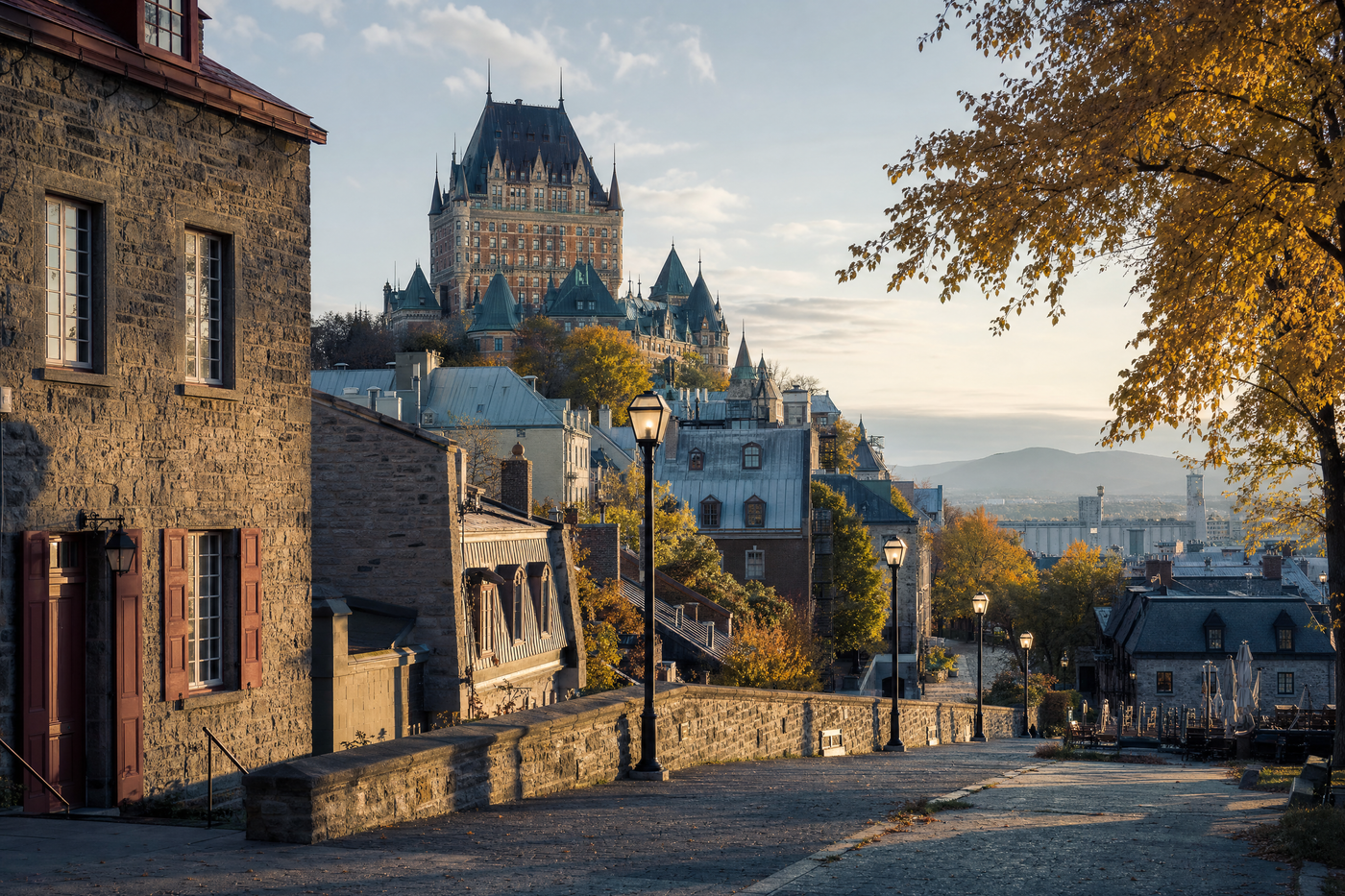
Quebec City blends centuries-old history with lively culture and stellar cuisine. Discover the best neighborhoods, sights, local dishes, and how to make the most of three days in this friendly riverside city.
Welcome to Quebec City: North America's walled gem
Perched dramatically above the St. Lawrence River, Quebec City offers a rare glimpse of living history. With its cobbled streets, centuries-old stone houses, and city walls that still guard Old Quebec, it’s one of North America’s most atmospheric destinations. French is the main language, but visitors are always welcomed with genuine hospitality whether they speak French or English.
From the landmark Château Frontenac hotel to vibrant neighborhoods buzzing with creativity, Quebec City is refreshingly compact and walkable. First-time travelers find an easy blend of major sights and hidden local favorites. This guide will help you navigate where to stay, what not to miss, food specialties, and how to plan a memorable visit with plenty of room for discovery.

Your trip deserves fewer tabs.
Start planning your tripUnderstanding the neighborhoods of Quebec City
Quebec City is made up of distinctive neighborhoods, each offering something unique. Most of the city’s main attractions are clustered within a few central districts, making them convenient for sightseeing.
- Old Quebec (Vieux-Québec): The city’s historic UNESCO-listed core, divided into Upper Town (Haute-Ville) with grand plazas and Lower Town (Basse-Ville) with riverside charm. This is where you’ll find iconic sights and centuries-old streets.
- Saint-Roch: Once industrial, now the city’s trendiest area, booming with hip eateries, microbreweries, and creative spaces just outside the old walls.
- Montcalm: The arts district; leafy and genteel, home to the Musée national des beaux-arts du Québec and gourmet dining, a short stroll from Old Quebec.
- Limoilou: Up-and-coming, filled with indie cafés, bakeries and a distinctly local feel—worth a detour for those looking to explore beyond the tourist track.
Choosing where to base yourself depends on your priorities—whether you value history right outside your door or want a local neighborhood ambiance with plentiful dining.
Best areas to stay: from Old Quebec to creative quarters
Old Quebec is unmatched for history and atmosphere. Stay here for postcard views, direct access to major sites, and a magical vibe day and night. Lodging ranges from landmark hotels like the Château Frontenac to boutique guesthouses tucked in the old streets. Be prepared, though, for slightly higher prices and early-morning tourist foot traffic—especially in summer.
If you want a quieter, more local experience, Saint-Roch offers contemporary hotels and great value. It’s just a 15-minute walk to Old Quebec and surrounded by great food, shops, and nightlife. Montcalm suits those who appreciate green spaces and cultural venues, while Limoilou is ideal for travelers on a budget wanting an authentic vibe and access to local markets and cafes.
Wherever you stay, Quebec City’s compactness and reliable transport mean you’re never far from the action. Book well in advance for summer and major festivals when hotels fill quickly.
Must-see sights and cultural highlights
- Château Frontenac: The city’s emblematic hotel (even if you’re not staying, explore the lobby and take guided tours).
- Dufferin Boardwalk (Terrasse Dufferin): Impressive river vistas, street performers in summer, and a prime view of the Château.
- Old Quebec streets: Lose yourself among Rue du Petit-Champlain’s boutiques and Place Royale’s historic charm.
- Citadel of Quebec: A star-shaped fortress with daily changing of the guard in summer.
- Basilica-Cathedral Notre-Dame de Québec: The oldest parish in North America, rich with art and light.
- Parliament Hill & Plains of Abraham: Historic grounds where pivotal battles were fought; the city’s central park today.
- Musée de la civilisation: Fascinating exhibits about Quebec’s past and present, engaging for adults and kids alike.
Most highlights are reachable by foot from the old city center, allowing for spontaneous detours into galleries, shops, or riverside viewpoints.
Eating and drinking: Quebec City's unique flavors
Quebec City’s cuisine shines a spotlight on Québécois tradition with a modern twist. Classic dishes like poutine (fries with cheese curds and gravy), tourtière (meat pie), and sugar pie are widely found in cozy bistros throughout Old Quebec.
Venture into Saint-Roch for contemporary dining, microbreweries, and creative brunches, or sample fresh-from-the-market cheese and charcuterie in Limoilou. Cider, local beer, and ice wine are delicious accompaniments. Don’t miss maple-infused treats or warm fresh croissants from boulangeries.
It’s an easy city for both adventurous and classic eaters. Reservations are recommended in busy seasons and for fine-dining spots, but informal restaurants and bakeries are welcoming anytime.

Turn your travel ideas into a plan.
Start planning your tripGetting around: walking, public transport, and day trips
Quebec City’s compact center makes walking the best option. Many streets in Old Quebec are pedestrianized and distances between major sights are short, though steep staircases like the “Breakneck Stairs” connect Upper and Lower Towns.
The city’s public transit network (RTC) is efficient and user-friendly, covering most sights outside the old center, like Montcalm or Limoilou. A reloadable card makes buses simple to use. For longer trips—such as the scenic Île d’Orléans, Montmorency Falls, or Sainte-Anne-de-Beaupré Basilica—a rental car or guided tour is recommended. Taxis and bike rentals are available but less essential for city core travel.
Winter travelers should note: sidewalks can be icy but are well-maintained, and the city’s snow adds a special magic to the experience.
Planning your visit: when to go and what to expect
- Summer (June–August): Lively with festivals, street performances, and long evenings. Expect high season crowds, especially during the Quebec Summer Festival (early July).
- Autumn (September–October): Crisp air, fall foliage, and fewer tourists. The city’s colors and moods are spectacular.
- Winter (December–March): A fairy-tale snow-covered setting. Quebec City’s Winter Carnival (late January–early February) brings music, parades, and ice sculptures.
- Spring (April–May): Quieter streets and blossoming parks. Occasional rain but plenty of charm and good hotel deals.
Pack for changeable weather and wear comfortable shoes. Quebecers are proud of their local culture—making basic efforts to greet shopkeepers in French (“Bonjour!”) is appreciated.
Flexible three-day itinerary: classic and local experiences
Quebec City is compact enough to explore at a relaxed pace, yet lively enough for discovery. Here’s a flexible plan for making the most of three days—but feel free to swap days or allow yourself to wander off-schedule.
Day 1: Old Quebec immersion
Begin at Place d’Armes and marvel at the Château Frontenac. Amble along Terrasse Dufferin, then descend to Lower Town via the funicular or Breakneck Stairs to discover Petit-Champlain and Place Royale. Tour the Musée de la civilisation to dig deeper into Quebec’s story. Linger in a riverside café before heading back up for dinner in Upper Town, trying bistro classics.
Day 2: Citadel, Plains, and Montcalm arts
Tour the Citadel early to catch the changing of the guard (in summer). Stroll Parliament Hill, then explore the Plains of Abraham—perfect for picnicking or simply relaxing. In the afternoon, visit Montcalm for galleries and the fine-arts museum, topped off with a gourmet dinner or lively brasserie meal.
Day 3: Beyond the walls
Discover Saint-Roch for brunch, indie shops and vibrant local energy. Head to Limoilou for bakeries and street art, or venture by bus or car to Montmorency Falls or Île d’Orléans for a taste of rural Quebec. Return for a relaxed evening along Rue Saint-Jean, enjoying gelato or craft cider.
Tips for a first visit: practical advice
- Language: French is the main language, but most people in tourist areas speak English. A few polite French phrases go a long way.
- Currency: The Canadian dollar is used everywhere. Credit and debit cards are accepted, though a bit of cash is useful for markets or small stores.
- Weather: Winters can be frigid and snowy; summers are warm but pack rain layers and comfortable shoes year-round.
- Safety: Quebec City is considered very safe for travelers, including solo visitors and families.
- Tipping: As in the rest of Canada, tipping 15–20% in restaurants and cafes is customary.
Quebecers’ pride in their city means a high level of cleanliness and service—take time to enjoy the relaxed pace, sidewalk terraces, and street life.
Day trips and excursions from Quebec City
While Quebec City is easily worth several days, the wider region is full of rewarding excursions. The most popular is Montmorency Falls, a 30-minute trip by car or organized tour, where a dramatic waterfall plunges higher than Niagara’s and walkways offer thrilling views. Combine with Île d’Orléans—a countryside island of orchards, vineyards, and artisan shops for a day of food tastings.
Other options include Sainte-Anne-de-Beaupré’s basilica, Parc de la Chute-Montmorency for outdoor adventure, or even a Jacques-Cartier National Park hike. Most organized tours depart from the Old Port or can be arranged via your hotel.
If you crave even more, local ferries cross to Lévis for leafy parks and city views, especially at sunset.
Local shops, markets, and specialties to try
No visit to Quebec City is complete without sampling local products. The Marché du Vieux-Port (Old Port Market) is a treasure for Quebec cheeses, maple products, cider, and seasonal berries. Craft shops in Petit-Champlain display locally made clothing, jewelry, and woodwork.
Food lovers should try fromages de Charlevoix (regional cheeses), coudrier de sucre (maple liqueur), and cretons (potted meat spread) found in delis and fromageries. Bring home a bottle of local ice cider—the region’s sweet, aromatic answer to dessert wine.
Many boutiques offer shipping if you’re worried about carrying items, and tasting before you buy is often encouraged!
Final thoughts: savoring Quebec City’s spirit
Quebec City’s magic lies in how past and present intertwine at every turn. It’s a city that rewards both planners and wanderers. Whether you’re here for the storybook vistas or the warm pulse of local markets and music, you’ll find plenty to surprise and delight. Embrace its pace, linger over café au lait in cobbled squares, and greet locals with a bonjour. Every trip here feels like a celebration of history and daily life, all set on a stunning river bluff with a proud, welcoming spirit.
With its walkability, well-loved food scene, and vibrant neighborhoods, Quebec City remains one of North America’s most inviting—and accessible—urban escapes. Bon voyage!