Provence travel guide: what to see, where to stay and how to plan your days
 By Samir Cole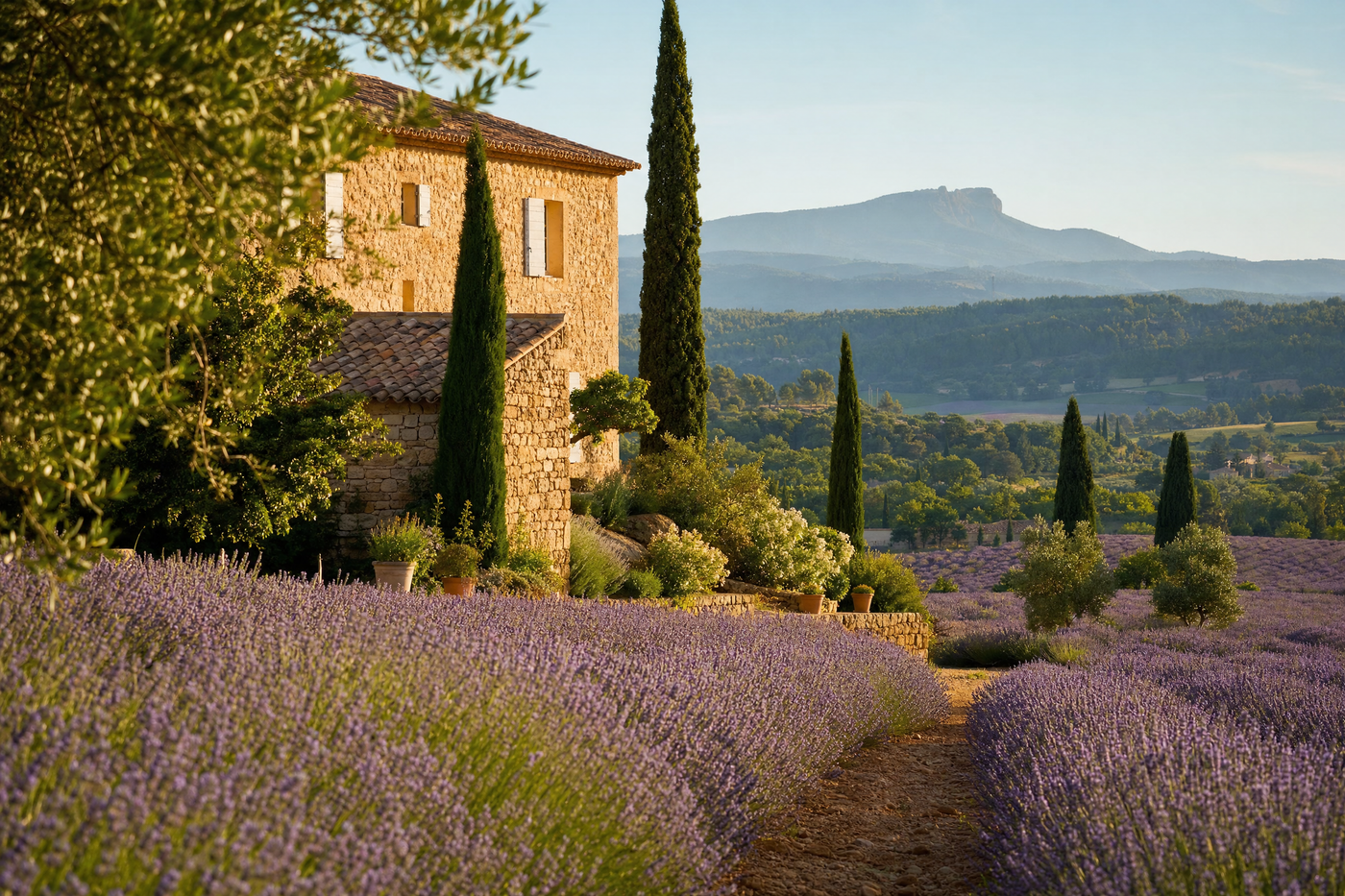
Dreamy lavender fields, golden stone villages and bustling food markets: Provence is a timeless region that rewards slow travel. This guide covers how to get around, where to sleep and the must-sees to help plan a stress-free journey.
How to get to Provence
Provence sits in the sun-drenched southeast of France, easily reached by several modes of transport. International visitors usually fly into Marseille Provence Airport (MRS), which has direct links to Paris, London, Amsterdam, and hubs across Europe. The airport is about half an hour from Marseille city center by shuttle bus or train.
If you're arriving from within France—or want a scenic approach—consider the high-speed TGV train. Avignon and Aix-en-Provence both have direct TGV stations with fast connections from Paris (under 3 hours), Lyon, and Nice. Renting a car is popular, especially for those hoping to explore hill villages and countryside markets, as public transit within rural Provence is limited. If you'd prefer not to drive, buses and occasional regional trains connect the bigger towns, but expect slower journeys and limited frequency.

Your trip deserves fewer tabs.
Start planning your tripThe best areas to stay in Provence
Where you stay in Provence shapes your experience. For first-timers, it’s usually best to base yourself in a lively town with good transport links and a variety of amenities. Aix-en-Provence is a classic university town with elegant boulevards, markets, and easy day trips. Avignon offers dramatic Papal history and a walkable old town, along with train access for car-free travelers. L’Isle-sur-la-Sorgue, famous for its canals and antique markets, is quieter but central for exploring western Provence.
If you’re set on lavender fields and perched villages, consider the Luberon region, where Gordes and Roussillon are alluring but more rural—renting a car is handy here. On the Mediterranean side, Cassis and Bandol tempt with sea views, seafood, and local rosé; smaller and best for slow-paced trips. Unique countryside stays in converted farmhouses or vineyard guesthouses (called mas or gîtes) offer tranquil, authentic experiences, especially for couples and families seeking space and relaxation.
The essential sights and experiences
- Avignon’s Palais des Papes: The imposing Gothic palace tells the story of the Popes’ residence in the 14th century.
- Pont du Gard: A Roman aqueduct in an incredible state of preservation—walk below or kayak along the Gardon river.
- Gordes and Roussillon: Two of France’s prettiest villages, one with white stone and cliff views, the other tinted ochre red.
- Lavender fields: In June-July, the Valensole plateau explodes in purple rows—early morning is magical for photos and less crowded.
- The Calanques of Cassis: Dramatic white limestone coves plunging into turquoise sea, perfect for boat rides and hiking.
- Aix-en-Provence: Home to lively markets, tree-shaded squares, and Cézanne’s studio—a town for slow wanderings and café stops.
Other worthy stops include L’Isle-sur-la-Sorgue for antiques and riverside walks, Saint-Rémy and Les Baux for art and history, and Arles for Roman ruins and Van Gogh connections.
What and where to eat: Provençal food and local markets
Provence’s cuisine is a sun-infused celebration of local ingredients—think olive oil, tomatoes, seafood, and fragrant herbs. Must-try dishes include ratatouille (vegetable stew), bouillabaisse (rich fish soup, particularly near Marseille), tapenade (olive spread), and aïoli (garlicky mayo, often with fish and vegetables). Street markets are at the heart of Provençal food culture: don’t miss the morning bustle in Aix, Saint-Rémy, or Uzès for piles of fresh fruit, honey, goat’s cheese, and lavender honey.
Wine is central, with local rosé from Côtes de Provence and reds from Châteauneuf-du-Pape. Enjoy leisurely lunches at shaded squares in small towns—menus focus on seasonal produce, and most cafés offer a plat du jour (daily special). For a picnic, pick up fougasse bread, cheese, and cherries from a village market. Bakeries and pâtisseries are ubiquitous for coffee and sweet treats: try calissons (almond candy) in Aix and navettes (orange-blossom biscuits) in Marseille.

Turn your travel ideas into a plan.
Start planning your tripTransport: how to get around Provence
Provence’s highlights are scattered, and getting from town to village can be slow without a car. However, driving is generally easy, with good signage and often little traffic outside cities. Rent a car if you plan to explore lavender fields, hilltop towns, and vineyards at your own pace, especially in areas like the Luberon or Alpilles. Book early in summer, and double-check if your hotel has parking.
For city stays without a car, base yourself in Aix, Avignon, or Arles, each accessible by TGV or regional train. Towns have frequent intercity buses (see Zou! network), with seasonal links to major sights. Intra-city travel is doable by walking or limited public buses. Taxis and rideshares are less common than in big cities, so plan in advance if traveling late. For a unique touch, consider e-bike or scooter rentals in the Luberon.
The best times to visit and how to avoid crowds
Provence is a true year-round destination, but each season brings its own flavor. Late spring (May–June) and early autumn (September–October) offer the most agreeable weather, mild temperatures, and blooming landscapes or grape harvests. July heralds peak lavender season—fields are at their brightest, but popular towns can be busy, and accommodation should be booked far in advance. August is hot (often mid-30s°C/90s°F), with some businesses closing for summer holidays, but lively festivals in cities.
If you favor tranquility, plan for April or October, when light crowds and lower prices accompany pleasant weather. Many markets, attractions, and food festivals are open year-round, though some restaurants and rural hotels shut in winter. The light in the off-season is beautiful—artists have flocked for centuries for good reason. Try to structure your days to visit popular sights early morning or late afternoon for fewer tour groups.
Suggested three-day itinerary
Day 1: Cities, art, and food
Begin in Aix-en-Provence with a sweep around the old town. Stroll down Cours Mirabeau, enjoying fountains and morning markets. Stop for coffee and pastries, then tour Cézanne’s studio for art history. Have lunch at a shaded place near Place Richelme. In the afternoon, drive or take a train to Avignon, exploring the Papal Palace and strolling the medieval walls. Evening brings dinner by the Rhône or local wine bars.
Day 2: Lavender, villages, and Luberon landscapes
Set out early for the Valensole plateau (late June/early July for lavender), or the Luberon hill villages. Visit Gordes, climb up to the church, and follow little lanes through Roussillon’s ochre cliffs. Drop by a vineyard for a tasting and lunch. Afternoon options include L’Isle-sur-la-Sorgue for antiques hunting or hiking in the forested Luberon. Evening in a village bistro.
Day 3: Roman heritage and Mediterranean coast
Drive or train to Arles or Nîmes for grand Roman ruins, amphitheatres, and museums. Grab lunch at a café near the Roman Arena. In the afternoon, continue south to Cassis for a swim or a boat trip through the Calanques. End the day with seafood dinner and rosé overlooking the port.
Markets and shopping: what to buy in Provence
Provence’s markets are a kaleidoscope of color and scent. Towns like Aix, Saint-Rémy, and Uzès stage morning markets brimming with produce, olives, cheeses, herbs, and soaps. Antiques lovers should visit L’Isle-sur-la-Sorgue for its Sunday market and dozens of brocantes—perfect for vintage glassware, linens, and classic French finds. Many towns have weekly or bi-weekly markets, so check local listings.
For souvenirs, look for locally made lavender sachets, ceramics, olive wood utensils, honey, and savon de Marseille. Regional wine is always appreciated; some vineyards ship internationally. Try a Provençal tablecloth or market basket for a practical memento. Most larger towns also host summer night markets with street food and crafts.
The most beautiful villages in Provence
- Gordes: Spectacular cliffside setting with panoramic Luberon views.
- Roussillon: Artists’ haven, famous for its ochre-colored houses and quirky galleries.
- Lourmarin: Lovely castle, shaded alleys and excellent Saturday market.
- Menerbes: Hilltop calm—quiet charm, vineyards, and classic stone architecture.
- Les Baux-de-Provence: Dramatic ruined castle, sweeping valley vistas, art installations.
- Saint-Rémy-de-Provence: Roman ruins, winding streets and the Vincent van Gogh connection.
Each village is unique, so it’s worth planning flexible days to mix a well-known stop with a lesser-known gem nearby. Many reward a stopover at dusk, when golden light washes over the stone and day-trippers thin out.
Practical tips for a smooth visit
- Language: English is widely spoken in tourist areas, but a few French phrases help in markets and rural spots.
- Cash & cards: Most places accept cards, but bring cash for markets, roadside stalls, and village eateries.
- Markets: Arrive early for the freshest produce and best browsing—most markets wind down by lunchtime.
- Restaurant hours: Lunch is usually noon–2pm, dinner from 7:30pm. Reservations recommended for popular spots.
- Sun protection: The Provençal sun is strong—pack a hat, sunscreen, and water bottle if exploring outdoors.
- Driving: Roads can be narrow; drive slowly through villages and watch for cyclists.
- Sunday closures: Many businesses close for Sunday afternoons—plan accordingly for groceries and shopping.
Natural wonders and easy day trips
Beyond its villages, Provence excels in wild beauty. The Camargue, a short drive from Arles, charms with flamingos, white horses, horseback rides, and marshland bike trails. The Gorges du Verdon, nicknamed Europe’s Grand Canyon, is a magnet for hiking, kayaking, and breathtaking cliff views—try a boat trip or hike the Sentier Blanc Martel trail for a taste of adventure. Near Marseille, the Calanques National Park beckons with dramatic limestone fjords and hidden coves, best explored on foot or by boat from Cassis.
Other easy day trips include the perched village of Les Baux, with its art-light Carrières de Lumières exhibition, or the Rhône vineyards for tastings and cellar tours. Birdwatchers and photographers will find much to enjoy off the main routes. If time allows, detour along the Mediterranean coast for fishing ports, sandy beaches, and pastel-colored markets.
Planning your Provence trip: final checklist
- Book major accommodation and car rental 2–4 months ahead for summer visits.
- Check up-to-date market days and town festival schedules—these change each year.
- Leave time for aimless strolling and relaxed lunches; Provence rewards a gentle pace.
- Pack layers—nights can be cool even in summer, and spring/fall weather is changeable.
- Build in some flexibility for market or weather changes; every day offers new pleasures!
Armed with this practical guide, you’re ready to savor Provence’s unique blend of sun, heritage, and hospitality. Bon voyage!