Prague travel guide: what to see, where to stay and how to plan your days
 By Samir Cole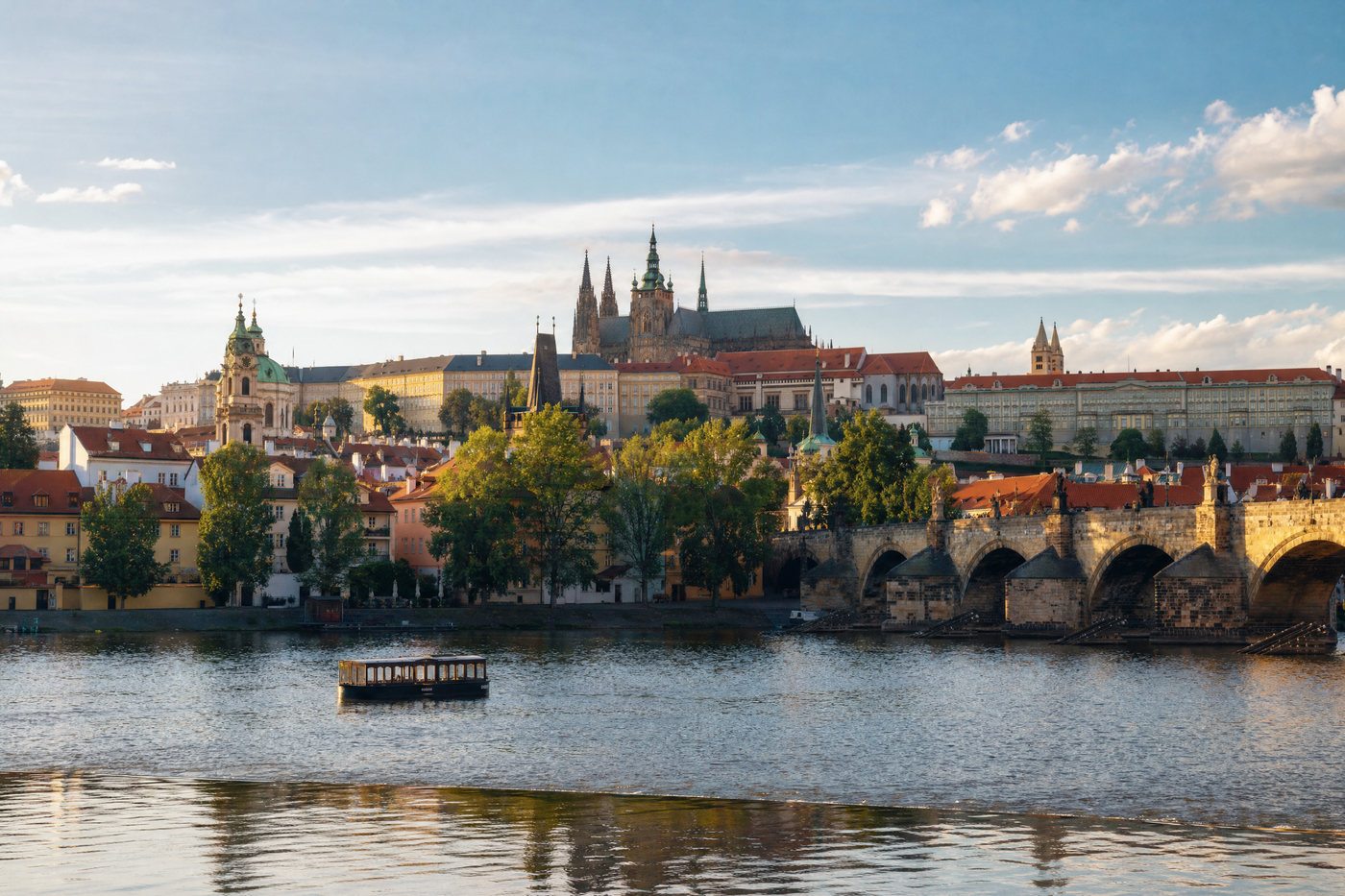
Discover the essentials for your first Prague trip with practical tips, the best neighborhoods to stay, must-see sights, and a flexible three-day itinerary.
Why Prague should be your next city escape
If you’re seeking a destination filled with fairytale beauty, world-class architecture, and welcoming cafes, Prague consistently delivers. The Czech capital draws visitors year-round for its Gothic and Baroque skyline, yet its compact size and excellent public transport make it easy to explore even in a few days. Whether you’re wandering down cobbled lanes, admiring castle spires, or sampling local lagers, Prague rewards both spontaneity and careful planning.
But knowing where to go—and where to sleep—can be daunting. This guide walks first-timers through Prague’s must-sees, its best places to stay, neighborhood vibes, practical logistics, and a realistic three-day plan that lets you soak up the city’s magic while avoiding the stress of squeezing in too much.

Your trip deserves fewer tabs.
Start planning your tripChoosing the right neighbourhood to stay
Your base in Prague can shape your trip, given the city’s distinct yet tightly clustered districts. Here are the top areas for leisure travelers:
- Staré Město (Old Town): The historical heart, ideal for walking to the main sights and soaking up the city’s medieval atmosphere. Expect lively streets, an abundance of restaurants, and easy access to public transport. Downsides: can be crowded and pricier.
- Malá Strana (Lesser Town): Nestled below Prague Castle, this area boasts picturesque lanes, charming squares, and quiet evenings. Great for couples or those wanting a slightly calmer vibe while remaining central.
- Nové Město (New Town): Buzzing with shops, modern amenities, and trendy cafes, Nové Město encircles the Old Town. It’s less touristy and often offers better accommodation value, making it practical for longer stays.
- Vinohrady: A leafy, residential district with art deco buildings and a cosmopolitan feel. Popular with locals and expats, Vinohrady has excellent dining and nightlife and is reachable by tram or metro in under 15 minutes from the centre.
Decide whether you want to be in the thick of the sights or enjoy a quieter, more local experience—Prague’s top neighborhoods all offer a distinct character and great transit links.
Prague’s must-see sights: a manageable hit list
While Prague is packed with history, you don’t need to tick off every corner to experience its essence. Focus on the city’s most compelling sights:
- Prague Castle: This sprawling complex—including St. Vitus Cathedral, the Old Royal Palace, and the charming Golden Lane—offers panoramic city views alongside centuries of history.
- Charles Bridge: Early mornings or evenings are the best times to enjoy this iconic, statue-lined bridge without the crowds. It connects the Old Town and Lesser Town in dramatic style.
- Old Town Square & Astronomical Clock: Soak up the lively atmosphere and marvel at the 15th-century clock’s hourly show. The surrounding area is filled with architectural gems.
- Josefov (Jewish Quarter): Moving and atmospheric, with its Old-New Synagogue, Jewish Cemetery, and history museums, the quarter is an essential part of Prague’s story.
- Wenceslas Square: The heart of modern Prague’s shopping, nightlife, and historical events. Nearby, don’t miss the stately National Museum.
With these core highlights, you’ll capture the city’s layers—royal, medieval, and vibrant modern—all on foot.
Going beyond the obvious: local favorites
Balance time at headline attractions with these rewarding, lesser-known experiences:
- Letná Park: Loved by locals for its open-air beer gardens and panoramic city views—perfect for a late afternoon break.
- Vyšehrad: This hilltop fortress and park offers peaceful walks, river views, and the historic rotunda of St. Martin. Quieter than Prague Castle, it feels almost secret.
- Kafka Museum: Insightful and atmospheric, this museum immerses visitors in Prague’s literary legacy and Franz Kafka’s world.
- DOX Centre for Contemporary Art: Housed in an old factory, DOX showcases thought-provoking exhibitions, a rooftop airship, and a bright urban café away from tourist crowds.
Adding a few less-touristy spots helps you escape crowds and see another, more relaxed side of the city.
Getting around: practical transport tips
One of Prague’s strengths for visitors is its efficient, reliable public transport system. The city’s trams, buses, and metro network cover all major areas, with frequent service even outside peak hours.
Tickets: Purchase at yellow machines in stations or convenience shops—validate your ticket when you first board. Short-term passes (24 or 72 hours) offer easy access and save money if you plan to use multiple rides daily.
Trams: Especially useful for surface-level sightseeing. Tram 22 runs a scenic route past many highlights, including Prague Castle and the New Town, with regular stops near most neighborhoods.
Walking: Prague’s Old Town and nearby districts are compact and best experienced on foot—be sure to wear sturdy shoes for the cobblestone streets.
Taxis and ride-share services exist, but public transport is fast, punctual, and much less expensive. Navigating feels simple with apps like PID Lítačka or Google Maps.

Turn your travel ideas into a plan.
Start planning your tripEating and drinking in Prague: an introduction
Czech cuisine is hearty, comforting, and rooted in tradition. Expect lots of roasted meats, dumplings (knedlíky), cabbage, and rich gravies. Don’t overlook vegetarian-friendly classics like smažený sýr (fried cheese) or creamy mushroom sauce served with bread dumplings.
Beyond traditional fare, Prague’s food scene has grown rapidly, with modern bistros and international options scattered across popular districts. Try local bakeries for koláče pastries or café kavárnas for coffee and Medovnik honey cake. Nepasterizované (unpasteurized) Pilsner beers are a must, best enjoyed in one of the atmospheric pivnice (beer halls).
For an authentic experience, venture into smaller, neighborhood pubs at least once—prices drop and you’ll find a lively, friendly local crowd.
Best areas to stay: what each offers first-timers
Choosing a place to stay in Prague depends on your priorities—here’s a closer look at the city’s top options for visitors:
- Old Town (Staré Město): Perfect for history lovers and those keen to be close to landmarks. Spaces fill up fast, so book well in advance during peak seasons.
- Lesser Town (Malá Strana): Romantic, quiet, and scenic, especially for visitors who enjoy walks along the Vltava River and easy castle access.
- New Town (Nové Město): Good value hotels and more local bars, yet within a 10-minute stroll from the Old Town’s edges. Convenient for travelers arriving by train or bus.
- Vinohrady: Slightly removed from tourist traffic, but easygoing and social. Excellent for foodies and those who want to experience local life while staying close to sights.
Each neighborhood offers hotels, boutique guesthouses, and apartments at a range of budgets—and all are within 20 minutes of the city’s major attractions.
Flexible three-day Prague itinerary
Here’s a practical structure to make the most of your first three days in Prague, whatever your pace:
- Day 1 (Old Town & Charles Bridge): Start in Old Town Square, watching the Astronomical Clock at the top of the hour, then lose yourself in winding streets and the Jewish Quarter. Stroll across Charles Bridge in the evening for a classic view.
- Day 2 (Castle District & Malá Strana): Make your way up to Prague Castle—go early to beat crowds. After touring the grounds, amble downhill through Malá Strana’s cobbled alleys, gardens, and riverside pubs. Pause at Lennon Wall or Letná Park for sunset.
- Day 3 (New Town & Vinohrady): Discover Wenceslas Square and nearby museums in the morning. In the afternoon, take tram 11 or the metro to Vinohrady. Sample modern Czech cooking, visit hip cafés, and relax in leafy Riegrovy Sady park.
This plan is ideal for a quick overview, with room for breaks and detours. Adjust to fit your interests—a citywide public transport pass makes it easy to swap sights as you go.
How much time to spend at each sight
Pacing yourself is key to enjoying Prague. Major attractions like the Prague Castle complex can take 3–4 hours (allow for queues), especially if you linger in St. Vitus Cathedral or Golden Lane. The Old Town Square deserves at least an hour, more if you want to climb the Old Town Hall tower.
The Charles Bridge is best savored early or late for atmosphere—cross in 20 minutes, or longer if you stop for photos. Most museums, like the Jewish Museum or Kafka Museum, require 1–1.5 hours each. Parks such as Letná or Vyšehrad are ideal for longer pauses and people-watching when you need to slow your pace.
Don’t rush from sight to sight—Prague is a city made for detours, from tucked-away courtyards to riverside cafés.
When to visit: seasons and practical timing
Prague’s seasons bring distinct moods. April to June and September to early November offer mild temperatures and lighter crowds—the city feels lively but navigable, and gardens bloom or trees turn gold. July and August are hot and busy, with lines at top sights and higher accommodation costs. December transforms Prague into a winter postcard with festive markets, but dark evenings and cold can catch unprepared visitors off guard.
Plan for comfortable layers regardless of the month: sunny afternoons quickly shift to breezy evenings, and cobblestones can be slippery in rain or frost. Most attractions remain open year-round, though some smaller sites shorten hours in winter.
Whenever you go, booking accommodation ahead—especially in the more popular districts—means more options at better prices.
Safety, currency and local etiquette
Prague is considered safe by European standards, even at night in central areas. Take the usual precautions against pickpockets in crowded spots like Charles Bridge and trams. The Czech Republic uses the koruna (CZK)—while euros are sometimes accepted, paying in local currency is easier and usually cheaper.
Most locals speak at least some English, especially in hospitality roles. A few words of Czech (“Děkuji” for “thank you”, “Prosím” for “please”) are always appreciated. Tipping is customary in restaurants (around 10%), and it’s polite to hand the tip directly to your server rather than leaving it on the table.
Public spaces are smoke-free inside, but smoking is common outside cafes and bars. Dress is generally casual but neat, especially when visiting churches or upscale restaurants.
Making the most of your Prague experience
Beyond its historic facades, Prague reveals layers of culture, music, and everyday life—listen for street performers in the Old Town, watch the sunset from a riverside bench, or visit the farmer’s markets in Náplavka on a Saturday morning. Savour the city’s distinctive rhythm, from its busy squares to its quiet side streets. Let yourself linger in a traditional pub or lose track of time gazing at the twilit skyline from Letná or Petřín Hill.
Above all, Prague rewards a spirit of curiosity and openness. Use this guide as your base, but don’t be afraid to stray from the itinerary and let the city surprise you. A few unplanned hours may become your fondest memories of the Czech capital.