Patagonia in three days: a balanced itinerary for first-time visitors
 By Samir Cole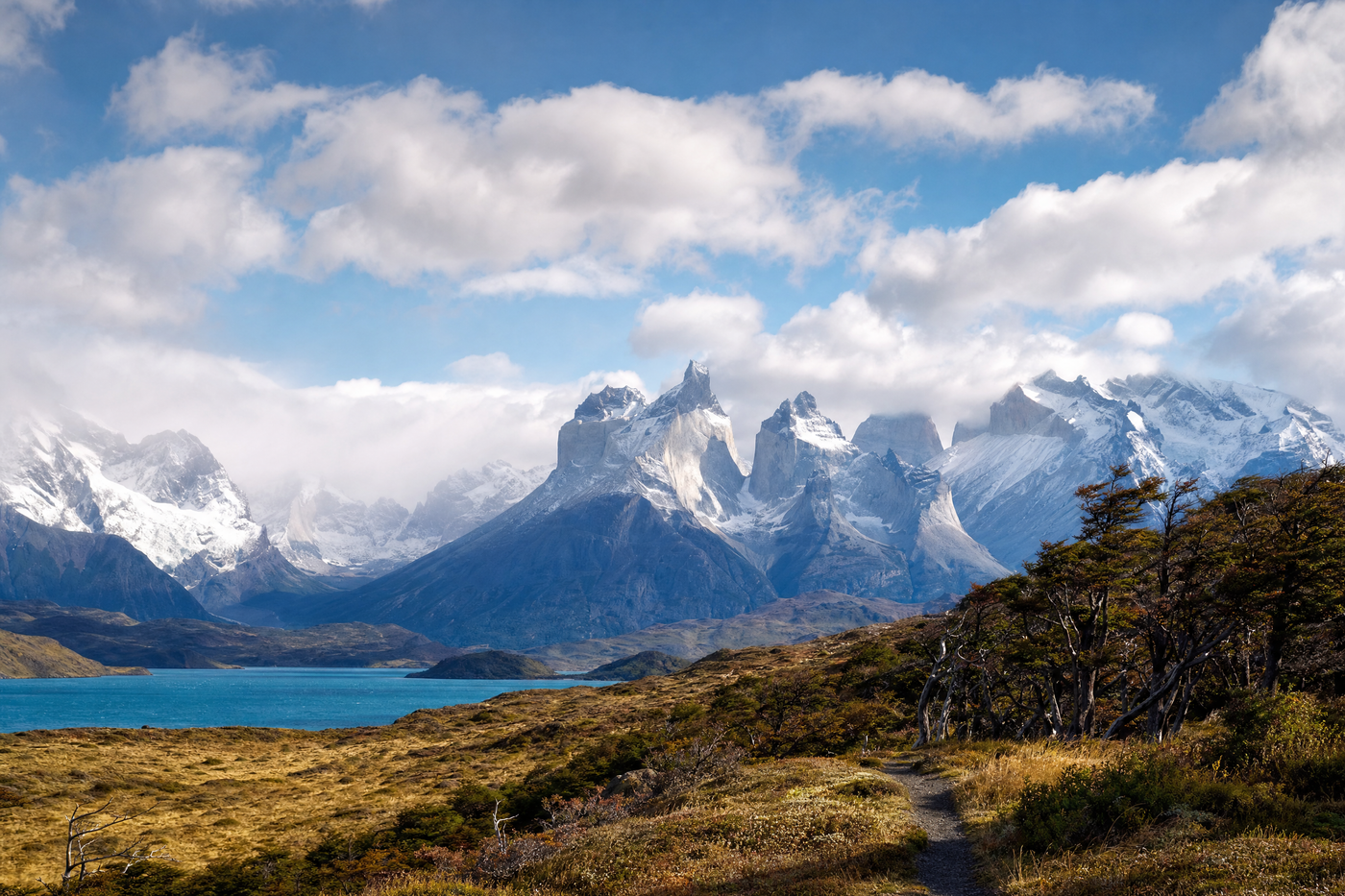
Patagonia’s dramatic scenery and refreshing pace of life are well within reach, even with just three days. This guide offers a realistic, balanced itinerary for first-timers, blending iconic sights, tasty local meals, and flexible pacing for genuine moments of discovery.
Why three days in Patagonia is possible—and rewarding
While Patagonia is often associated with multi-week expeditions, you can carve out a fulfilling experience even with limited time. Many travelers postpone their Patagonian adventure, intimidated by its vastness and the assumed need for epic commitment. But a thoughtfully planned three-day trip lets you savor key highlights, connect with the landscapes, and avoid burnout.
The secret lies in picking a central base, focusing on one core region (like the vicinity of El Calafate and El Chaltén), and balancing activity with rest and indulgent food stops. This approach ensures you see Patagonia’s greatest hits—towering peaks, turquoise lakes, and endless steppe—without the frenzy of a rushed itinerary or the fatigue of overambitious trekking days.

Your trip deserves fewer tabs.
Start planning your tripChoosing your base: El Calafate and El Chaltén advantages
For a first-time, three-day visit, the El Calafate–El Chaltén corridor offers the best combination of accessible wonders and logistics. El Calafate, with its modest airport and charming town center, puts you close to the legendary Perito Moreno Glacier. El Chaltén, just a scenic three-hour drive north, places you at the trailheads for the Fitz Roy massifs and gives you a taste of remote, car-free village life.
Staying in one town for all three nights is possible, but many prefer splitting their stay: two nights in El Calafate for glacier excursions and one night in El Chaltén for classic hiking and cozy dinner spots. Both towns have a wide range of lodges, guesthouses, and hostels—with advance booking recommended, especially from November to March.
Day 1: Glacier wonder and gaucho flavors in El Calafate
Morning pacing: Arrive in El Calafate and settle in—most flights land by midday. Drop your bags, freshen up, and have a hearty brunch or coffee at a local café (Ovejitas de la Patagonia is a favorite).
Afternoon: Book a half-day tour to the Perito Moreno Glacier, either joining a guided excursion with hotel pickup or renting a car for a self-paced visit. The drive leads through sweeping steppe and lenga forests, before boardwalks reveal the glacier’s immense, blue face. Spend ample time listening for thunderous ice calving and exploring multiple viewpoints.
Evening: Back in El Calafate, reward yourself with regional cuisine. Lamb slow-roasted over wood fire (“cordero patagónico”) is a must—La Tablita and Mi Rancho are reliable choices. Book ahead, since tables fill quickly in high season.
Day 2: Journey to El Chaltén and an approachable hike
Morning pacing: Wake early for the scenic three-hour transfer north to El Chaltén. If driving, pause at viewpoints overlooking Lago Viedma’s ethereal blue. Bus transfers are also frequent and comfortable, with tickets best reserved in advance.
Late morning: Check into your El Chaltén accommodation—many are family-run. Have a light lunch or empanada break at La Senyera before your first walk.
Afternoon: Pick a short, rewarding trail: the Mirador de los Cóndores and Mirador Las Águilas hikes leave from the edge of the village and reveal panoramic views of the Fitz Roy peaks and sprawling valley. These are gentle walks (2-3 hours round-trip), ideal for warming up and soaking in the sights without exhaustion.
Evening: Dine early at Maffia Trattoria or Patagonia Rebelde, sampling local trout or homemade pasta, and toast the views with a craft beer. It’s wise to reserve for the dinner rush hours.
Turn your travel ideas into a plan.
Start planning your tripDay 3: Classic trails or a boat trip, then back to El Calafate
Morning pacing: Patagonia’s weather is often clearest in the morning, so capitalize on an early start. Ambitious hikers can attempt the full-day Laguna Capri or, if time permits, the ascent to Laguna de los Tres—the closest viewpoint to Mount Fitz Roy. Both leave from El Chaltén, but the Capri hike (about 8km round-trip) is ideal for a half-day, with mesmerizing peak reflections if winds are still.
Alternative: If hiking isn’t your preference, consider a boat trip on Lago del Desierto or a guided horseback ride into the steppe. These excursions must be reserved in advance through local operators.
Afternoon: Return to your accommodation, shower, and grab a quick bite—La Cervecería’s local beers and homemade sandwiches are a favorite. Most travelers then transfer back to El Calafate (either bus or rental), often arriving by evening for their flight or last night in town.
Where and what to eat: local flavors and smart stops
- Breakfasts: Expect continental-style spreads in hotels, but treat yourself to local bakeries, such as Don Luis in El Calafate, for warm medialunas (sweet croissants) and espresso.
- Lunches: Keep lunch light during days packed with activity. Empanadas, savory pastries, or river trout sandwiches are readily available to go. In El Chaltén, grab provisions at La Vinería for picnic-style snacks with a view.
- Dinners: Patagonian lamb, wild boar, and trout headline most menus. Book La Tablita (El Calafate) and La Tapera (El Chaltén) for rustic, satisfying meals. Vegetarian options are abundant but check menus ahead for variety.
Don’t miss Argentine gelato—atheladero Ovejitas de la Patagonia mixes Patagonian berries into creamy delights that top off a long trek perfectly.
The best ways to get around and booking essentials
Patagonia’s distances are vast but manageable with a little planning. For three days, only two main towns and their nearby natural attractions are needed, keeping travel simple and enjoyable. Bus routes between El Calafate and El Chaltén are reliable, but tickets should be booked as soon as your itinerary is set—online or through local agencies. Self-drive gives you the most flexibility for spontaneous stops.
Book glacier tours, boat trips, and popular restaurants at least 2-4 weeks ahead in high season (November–March). Accommodation runs the spectrum from dorm beds to boutique inns; early booking ensures the best locations and quieter sleep. Always confirm your transfers the day before, as schedules can change quickly due to weather or demand.
Morning and evening pacing: energy management matters
In Patagonia, mornings often unveil the clearest skies and calmest trails—perfect for outdoor exploration, glacier viewing, or catching local wildlife in action. Build your active hikes or excursions around these hours.
As afternoon clouds and winds often roll in, switch gears for more leisurely pursuits: riverside strolls, museum visits (such as the Glaciarium in El Calafate), or café breaks. Evenings are for lingering meals and relaxed recovery; dining late is the norm in Argentina, but plan an earlier table if you’re tired from a big day. This ebb and flow keeps your stamina up and leaves space for spontaneous discoveries.
Avoiding common Patagonia planning mistakes
- Overstuffing itineraries: Patagonia’s distances and slow travel pace mean you’ll miss the magic (and end the day exhausted) if you try for too much.
- Booking last minute: Accommodation and transfers fill rapidly; the best options go first, especially in high season. Read cancellation policies before reserving.
- Underestimating weather: Weather swings are swift. Pack layers—even for quick hikes—and always have rain and wind gear.
- Neglecting cash needs: ATMs run out. Many shops and smaller hostels are cash-only, so stock up when you arrive.
A calm, prepared approach means less stress and more Patagonia enchantment.
Pocket guide: what to pack for three optimal days
- Essential layers: Weather-proof jacket, warm hat, gloves, and quick-dry base layers for chilly wind or sun-chasing days.
- Comfortable hiking shoes: Paths are well-marked but often muddy or rocky.
- Daypack: Include sunscreen, reusable water bottle, trail snacks, and a basic first aid kit.
- Camera and power bank: Signal and charging can be inconsistent on the trails.
Leave excess gear at your hotel if not needed, especially when switching towns mid-trip—the less you lug, the more nimble and spontaneous you’ll feel.
Leaving time for spontaneous discoveries
Patagonia’s most memorable moments are often unscripted: an encounter with a guanaco herd near the roadside, breakfast under cloudless peaks, or a chat with a local ranger about the shifting winds. By not overcrowding your plan, you allow space for these moments to unfold—whether it’s joining a last-minute stargazing walk, sampling calafate berry jam, or pausing to sketch the mountains in a wayside café.
This itinerary encourages flexibility. If a trail is socked in by clouds, linger over coffee or detour to a less-traveled lookout. Build unscheduled pockets into every day, and Patagonia will reward you with authentic, one-of-a-kind experiences.
When to go, and final tips for a smooth journey
Patagonia is at its best from late October to early April, with long daylight hours and trails clear of snow. November and March offer quieter paths and better accommodation rates, while January and February are busy but vibrant with travelers from around the world. Shoulder season also brings more availability for last-minute bookings and gentler tourism pressure on the environment.
Embrace travel delays or detours as part of Patagonia’s rhythm. Keep one meal or activity each day unbooked, and always check tomorrow’s weather before finalizing big hikes or boat trips. With balanced pacing, advance prep, and room for wonder, three days can truly capture Patagonia’s vast beauty and gentle surprises.