Paris on a budget: how to save money without missing the best parts
 By Samir Cole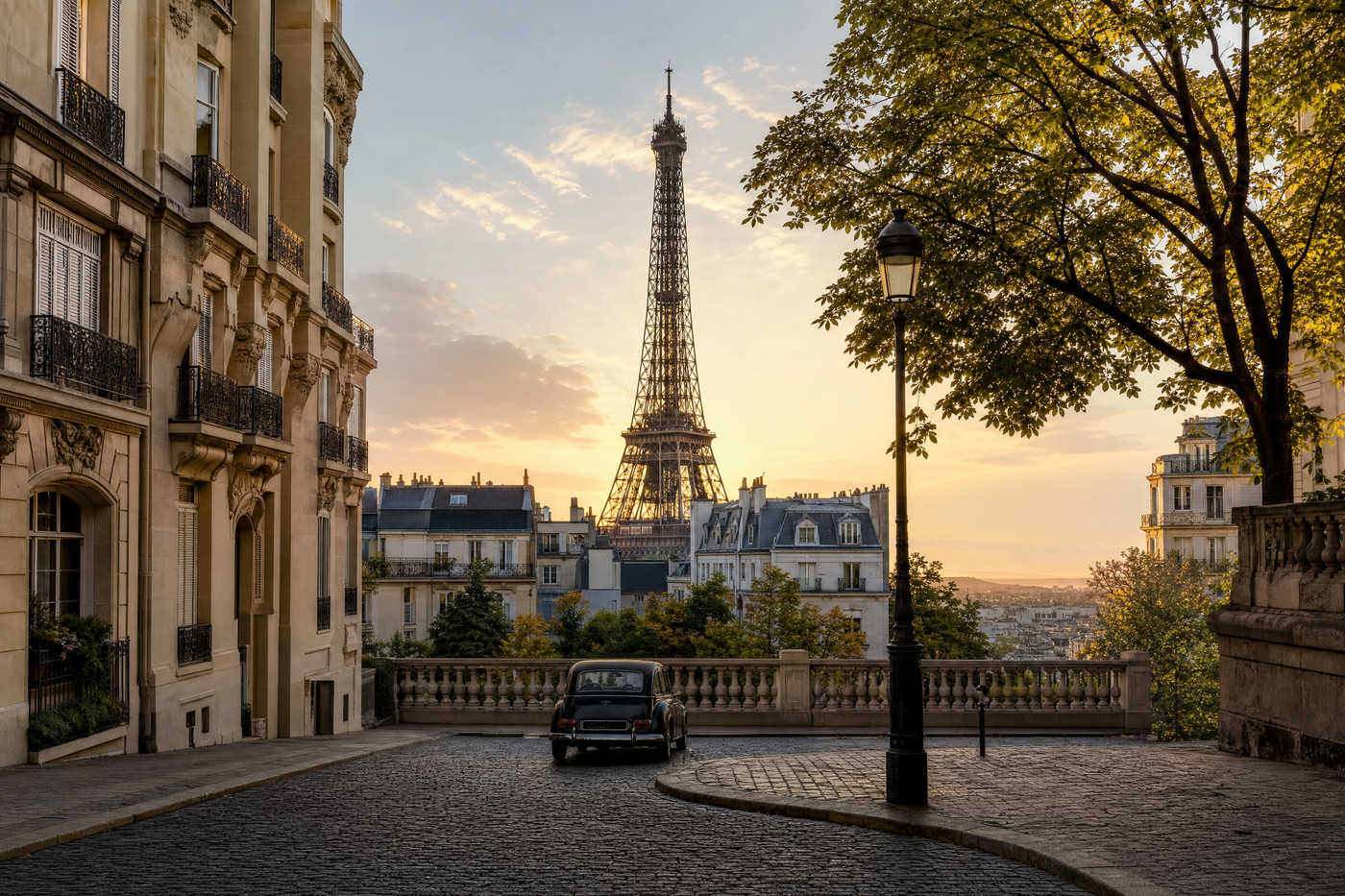
Paris doesn’t have to break the bank. You can experience its world-class culture, cuisine, and atmosphere while being smart with your budget. This value-focused guide covers realistic ways to stretch your money, highlighting free sights, smart savings, booking strategies, and treasures that are worth a splurge so you never feel shortchanged in the City of Light.
Understand Paris’s neighborhoods to base yourself wisely
Choosing where to stay impacts your time and wallet in Paris. The central arrondissements (1st–7th) are packed with iconic landmarks but are the city’s most expensive areas for hotels and dining. You’ll pay a premium for the address, and while the beauty is undeniable, it's rarely necessary for getting around or enjoying the city’s essence.
Broaden your search to arrondissements just outside the core—like the 11th (Bastille and Oberkampf), 12th, 14th, 15th, or 17th. Neighborhoods such as Canal Saint-Martin or Batignolles brim with local life, offer quick Metro links, and have more budget accommodation. Here, you’ll find bakeries, markets, and bistros where prices are less inflated, and the sights are still within easy reach.

Your trip deserves fewer tabs.
Start planning your tripFree and can’t-miss sights will surprise you
Paris is a gallery without walls, and the city’s best moments often come with no entry fee. Start by wandering along the Seine: the banks between Pont Alexandre III and Île Saint-Louis are UNESCO-listed and perfect for walking, picnicking, and people-watching. Each Sunday, the Seine’s quays are car-free, ideal for a long riverside stroll.
- Cathédrale Notre-Dame: While restoration continues on the interior, you can admire its façade and lingering presence from the outside at zero cost.
- Parc des Buttes-Chaumont: This hilly, picturesque park in the 19th arrondissement offers one of Paris’s best skyline views and a slice of local life.
- Montmartre’s Sacré-Cœur: Climbing the steps to the basilica and exploring the artists’ square is free. The panoramic vista over Paris is unforgettable.
Be on the lookout for temporary exhibitions, open-air markets, and lively public squares—Paris’s civic spirit is found here, not just in museums and monuments.
Smart strategies for museum and attraction savings
Paris’s museums dazzle—think of the Louvre, Musée d’Orsay, and Centre Pompidou—but tickets add up. First, schedule around the monthly free entry days: many major museums are free on the first Sunday of each month from October to March. For the Louvre, pre-book a time slot in advance for these days as demand is high.
Consider the Paris Museum Pass if you plan to visit several paid attractions in a short window. It covers more than 50 museums and monuments, often skipping the ticket line, but skip it if you’ll only see one or two big-name museums. For all, EU residents under 26 get free entry to many sites. Always bring ID and check if your visit coincides with a free day or open museum night.
Pick up a transport pass and walk when you can
Paris’s Metro is efficient, safe, and extensive—ideal for exploring while watching your spending. Individual tickets (Ticket t+) are convenient for short stays but add up quickly. A better value is the Navigo Easy pass, a reloadable card where you can purchase a carnet (10 tickets, slightly discounted) or daily/weekly passes. If you’re staying for a week (Monday to Sunday), the Navigo Découverte covers unlimited Metro, bus, and RER trips across the entire city and some suburbs for a flat fee.
However, Paris is a city best experienced on foot. Combine Metro rides with exploring neighborhoods by walking; distances between many key sites are surprisingly manageable. Cycling is also affordable through Vélib’ public bikes, available with hourly or daily passes, letting you pedal scenic riverside routes or down leafy boulevards on your own schedule.
Eat well for less: bakeries, markets, and fixed-price menus
Paris’s food scene doesn’t require splashing out every meal. The city’s vast selection of boulangeries (bakeries) is your friend—grab a warm baguette, pain au chocolat, or croque-monsieur for just a few euros. Look for legendary bakery chains like Maison Landemaine or local institutions near your accommodation.
- Picnics: Stock up at local markets like Marché Bastille or Marché d’Aligre for cheese, fruit, and charcuterie, then picnic in a nearby park or along the Canal Saint-Martin.
- Prix-fixe menus: Many bistros and brasseries offer a fixed-price (prix-fixe) lunch menu, usually two or three courses, at a fraction of dinner prices. This is where to get a real taste of Parisian dining on a budget.
Avoid restaurants on touristy squares or major boulevards—walk just a block or two inland for more authentic cuisine at lower prices.

Turn your travel ideas into a plan.
Start planning your tripBook accommodation and tickets strategically
When you’re planning your Paris trip, the timing of bookings makes a big difference. Accommodation costs swing dramatically between peak and off-peak months. The best balance? Late winter, early spring, or late autumn, when crowds thin but Paris’s energy endures. Prices at hotels and guesthouses typically drop, and you’ll snag deals with more availability.
For attractions, buy tickets online whenever possible, especially for heavy hitters like the Eiffel Tower or Musée d’Orsay. Not only does this lock in a lower advance price and let you skip ticket queues, but you’ll also have more control over your daily schedule—reducing the stress of waiting and wasted time. Set price alerts and browse both hotel booking sites and local Parisian apartment rentals for alternatives that may offer better value and local flair.
Choose your splurges for value, not status
No trip to Paris is complete without a few indulgences—but pick your splurges for genuine experience, not just because a guidebook insists. Instead of a pricy river cruise dinner, for example, consider splurging on an evening jazz club ticket in Saint-Germain-des-Prés or a single Michelin-star meal at lunch, when prices are friendlier.
- Eiffel Tower summit: It costs extra to reach the very top, but the panorama is once-in-a-lifetime. Alternatively, nearby Montparnasse Tower offers a comparable citywide view for slightly less.
- Opera or ballet: Catch a performance at Palais Garnier—book your seat months ahead for the best value.
- Pastry class: If you love French patisserie, a half-day cooking class isn’t cheap but gives you new skills and tasty souvenirs.
Make each splurge count by researching, booking in advance, and savoring every minute.
Timing your Paris trip for maximum savings
Travel in Paris is shaped by seasons, special events, and local rhythms. For big savings, visit in the shoulder seasons: February–April or October–November. Hotels lower rates as demand ebbs, airfares to Paris are cheaper, but you still tap into Parisian culture—café terraces come alive at the first hint of spring, and leafy parks offer autumnal beauty into November.
Avoid the May–early September high season if you’re flexible. During Paris Fashion Week or major sporting events, both hotel prices and crowds spike. A winter visit (except late December) also means shorter museum lines, reduced rates, and cozy evenings in Montmartre cafés. Always check French public holidays, as city rhythms shift and some sights may be closed or lines especially long.
Get local with free or low-cost events and festivals
One smart way to elevate your Paris visit without splurging is to join in local festivities. Year-round, Paris hosts free outdoor concerts (like Fête de la Musique in June), public art installations, book fairs, and sporting events along the Seine.
- Paris Plages (in July and August): The riverbanks are transformed with sand, deck chairs, and beach games—no entry fee, just a laidback summer vibe.
- Nuit Blanche (early October): Paris stays up all night for citywide contemporary art installations and performances, all free.
- Open-air cinema: In summer, free film screenings pop up in parks like Parc de la Villette. Bring a blanket and snacks for a truly Parisian night out.
Check event calendars posted at local tourist offices and online for pop-up happenings and neighborhood fetes, which always add unexpected delight to your itinerary.
PARISIAN BASICS: language, customs, and helpful local hacks
Understanding everyday Parisian routines saves money and smooths your trip. Most Parisians speak at least a little English, but trying a few French phrases, especially when greeting or ordering, goes a long way. Say “Bonjour” on entering any shop, and “Merci, au revoir” on leaving—this simple courtesy sets the right tone and opens doors to help and local recommendations (often about food, deals, or off-the-beaten-path parks).
Tap water is safe—ask for a “carafe d’eau” (pitcher of tap water) at restaurants rather than paying for bottled. In cafés, it’s common to linger over a single drink—you only need to order one to enjoy the atmosphere. Take advantage of “happy hour” (often from 5–8pm) for significant discounts on drinks. And when shopping at fresh markets, visiting later in the morning may net you discounts on perishables as sellers clear their stalls.
Plan extra sightlines: free overlooks and city views
Paris’s best views aren’t limited to expensive observation decks. Several city spots offer postcard-perfect panoramas for free or at minimal cost. The stairs of Sacré-Cœur are the classic choice, but the Parc de Belleville’s upper terraces offer sweeping views with far fewer crowds.
- Galeries Lafayette rooftop: A hidden gem, this rooftop terrace is open to the public and offers an unbeatable backdrop of the Opéra Garnier, the Eiffel Tower, and the city’s sprawl.
- Pont Alexandre III: Strolling this ornate bridge at sunset, you’ll see why it’s one of Paris’s favorite photo stops.
- Printemps rooftop terrace: Nearby, you’ll find another shopping center rooftop open free of charge—perfect for a pause between neighborhoods.
Seek out these vantage points when you need a break—they cost nothing but reward you with memorable snapshots and a fresh perspective.
Budgeting tips: ATM use, tipping, and city taxes
Paris is a modern city with extensive banking options. Use ATMs attached to major banks (avoid stand-alone exchange kiosks) to get the best rates. Withdraw larger amounts less frequently to save on international fees, and keep some cash on hand; small bakeries or cafés may not accept cards for minimal purchases.
Tipping in Paris is subtle—the bill usually includes service, but it’s customary to round up a euro or two for good service at sit-down meals. Don’t feel pressured to over-tip. For city stays, be aware that many hotels and private rentals add a small “taxe de séjour” (tourist tax), calculated per person, per night—always factor this into your budgeting.
With these habits and insights, you’ll save meaningful money while savoring a more authentic Paris—proof that the good life doesn’t have to come at a premium.