Oslo in three days: a balanced itinerary for first-time visitors
 By Nora Bennett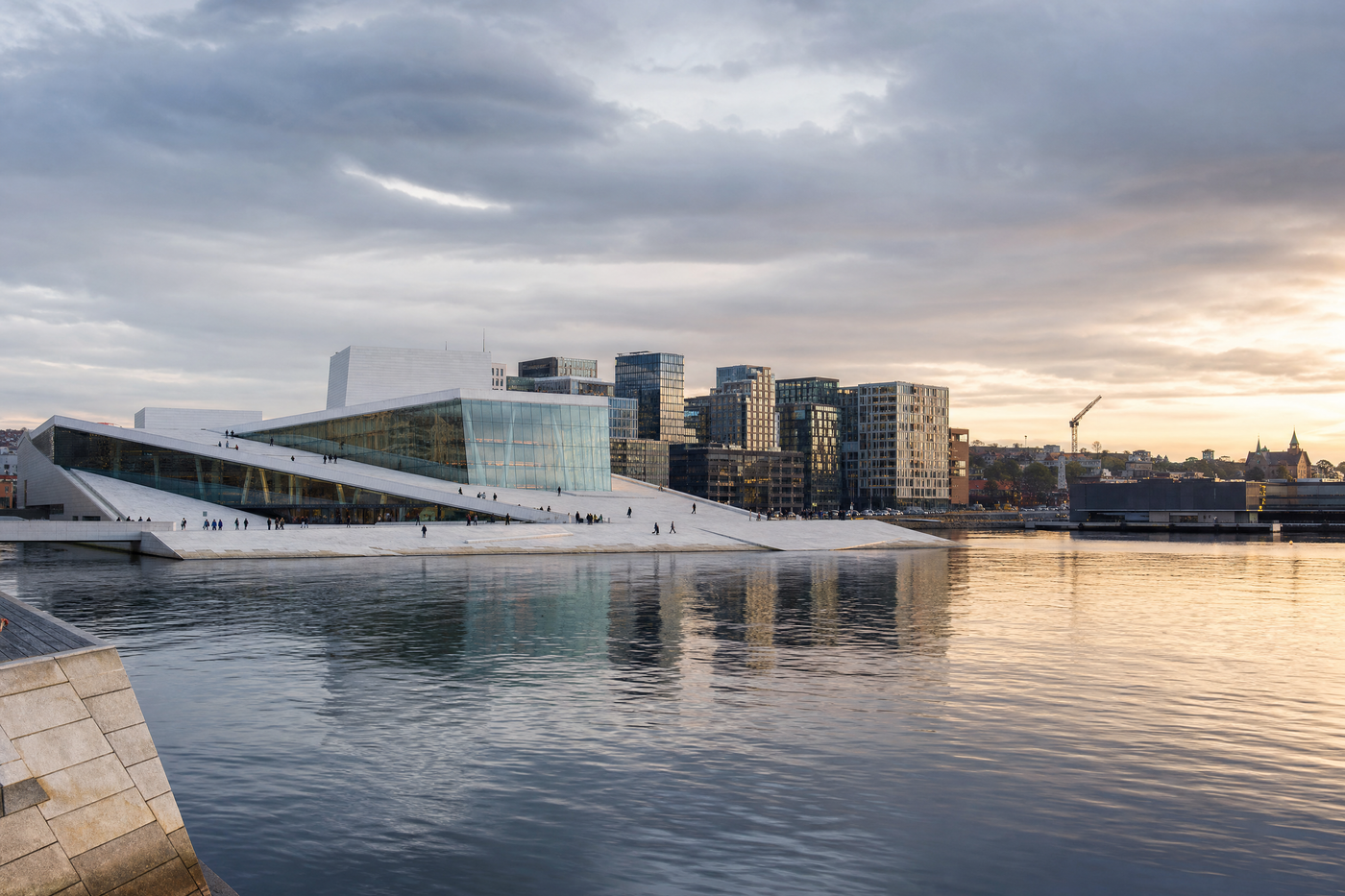
Discover Oslo’s blend of Nordic tradition and modern design with this easy pace, three-day itinerary. Create lasting memories with art, history, food, and fjord views—leaving space to pause, snack, and soak up the Scandinavian ambiance every step of your way.
Welcome to Oslo: what to expect on your first visit
Oslo, Norway’s compact and creative capital, offers visitors a rare combination of city culture and wild nature. It’s an exceptionally walkable city with efficient trams and ferries, making all the main sights and neighborhoods easily accessible. Art and architecture meet cozy coffee shops, with the Oslofjord and forests always close by. Expect friendly locals, clean streets, and a calm pace of life—your three days here can feel both invigorating and restorative.
While Oslo isn’t a budget city, well-planned days mean you can see its highlights without feeling rushed or overspending. The city’s appeal is as much in its laid-back rhythm as in its renowned museums and waterside views. Over three days, you’ll explore ancient Viking history, world-class modern art, vibrant neighborhoods, and—importantly—leave time between stops to linger in parks and sample Norwegian specialties. This itinerary is designed to balance culture with comfort, emphasizing realistic walking times and mindful breaks.

Your trip deserves fewer tabs.
Start planning your tripGetting around: public transport tips and the Oslo Pass
Oslo’s public transport system is streamlined and tourist-friendly. Trams, buses, ferries, and the T-bane (metro) all use the same ticket system. For most visitors, the Oslo Pass is a smart investment: it covers all public transport, free or discounted admission to many attractions, and even some dining discounts. Passes are available in 24, 48, and 72-hour durations—choose according to your sightseeing priorities.
Tickets can be purchased at kiosks, Narvesen shops, the Oslo Visitor Centre, or digital ticket apps. Make sure to always validate your ticket before boarding. Central Oslo is flat and walkable, especially around the waterfront and cultural districts. For longer hops—like reaching Bygdøy’s museums or the Holmenkollen ski hill—public transport is the quickest and easiest option. Taxis are safe but expensive; ride-hailing apps like Bolt or Uber are available but seldom necessary for this itinerary.
Day 1: Oslo’s city center, history, and harborfront
Your first day in Oslo blends landmark sights with leisurely strolls and excellent eats. Start at Oslo Sentralstasjon (Oslo Central Station), the heart of the city's transport network. From here, head south towards the bustling Jernbanetorget square, then meander down the imposing main street, Karl Johans gate. Along the way, pass iconic stops: the stately Oslo Cathedral, the National Theatre, and the Norwegian Parliament (Stortinget).
By late morning, reach the Royal Palace, surrounded by the beautifully kept Slottsparken. Pause for morning coffee at a nearby café such as Espresso House or Fuglen, known for Nordic roasts. After the palace, descend towards the renewed waterfront, home to Bjørvika’s Barcode District and the spectacular Oslo Opera House. You might climb its white marble roof for panoramic views before heading to Aker Brygge for lunch—a lively harborside neighborhood packed with local and international eateries.
Day 1: afternoon museums and evening relaxation
After lunch, choose between an exploration of Astrup Fearnley Museet (modern art on Tjuvholmen) or hop a ferry to the Bygdøy peninsula to visit the Viking Ship Museum (note: temporarily closed for relocation; check current status) or Fram Museum, showcasing polar exploration. Both options offer insights into Norway's adventurous past and contemporary creativity.
Linger by the waterfront in the afternoon. If the weather’s warm, stroll or rent a city bike along the harbor promenade. For dinner, Aker Brygge and Tjuvholmen offer everything from casual salmon burgers to high-end dining; book a table at Døgnvill Burger or Louise Restaurant if you crave a waterside meal. Complete your evening with a sunset stroll, gelato from Paradis Gelateria, or a drink at one of Tjuvholmen’s sleek bars. Expect a lively but not overwhelming scene—ideal for unwinding after your first Oslo day.

Turn your travel ideas into a plan.
Start planning your tripDay 2: art, parks, and hip neighborhoods
On your second day, Oslo’s artistic and urban sides beckon. Start in Solli plass with breakfast at Åpent Bakeri or Kaffebrenneriet (try a cinnamon bun, ‘kanelsnurr’). Begin a leisurely stroll through Frogner, Oslo’s elegant residential district, heading straight to the unique Vigeland Sculpture Park. Spend the morning exploring the vast collection of Gustav Vigeland’s granite and bronze statues—bring a camera for the iconic Monolith and Wheel of Life. The park is open year-round and free to enter; early mornings are less crowded and peaceful.
Afterward, venture towards leafy Majorstuen, browsing boutiques or local food markets. This is a good time to rest your feet in a coffee shop—many have inviting Scandinavian interiors perfect for a pause. Oslo’s café culture prizes quiet comfort; don’t hurry your latte or open sandwich (‘smørbrød’). Leave room for the afternoon’s highlights.
Day 2: afternoon in Grünerløkka and riverside haunts
Board tram 12 or walk east to Grünerløkka, Oslo’s creative and bohemian heart. Wander through its vintage shops, independent galleries, and Sunday markets (if timing fits). Watch daily life in the leafy parks—Sofienbergparken or Birkelunden, often animated with locals.
For lunch, Mathallen Food Hall by the Akerselva river is recommended for its local and international stalls—try Norwegian cheeses, fish soup, or a traditional meatball plate. Afterward, follow the Akerselva riverwalk south for scenic urban nature: footbridges, waterfalls, and old factory buildings repurposed as creative spaces. This riverwalk is a peaceful Oslo highlight and offers several quiet spots to sit and people-watch.
Day 2: evening eats and local nightlife
Grünerløkka’s restaurant scene is diverse and lively in the evenings. Consider booking dinner at Villa Paradiso for acclaimed pizza, Txotx for Basque pintxos, or Smalhans for a rotating Nordic bistro menu. The area balances sophistication with approachability—no strict dress codes, though reservations for prime time are wise.
Finish with a locally brewed beer at Schouskjelleren Mikrobryggeri, or sample aquavit and Oslo craft spirits at Himkok. Bars and pubs here are relaxed, welcoming, and rarely rowdy. First-time visitors often underestimate Oslo’s early closing hours (midnight for many venues during the week), so head out early if you want a full evening. The walk back toward the center is safe and pleasant, or use the tram system as needed.
Day 3: museums, the fjord, and forest perspectives
Your last day provides flexibility: dive deeper into museums, or seek Oslo’s green escapes. If you skipped Bygdøy earlier, dedicate your morning to its world-class museums: the Norwegian Folk Museum (open-air buildings, stave church), the Kon-Tiki Museum, or Fram Museum’s interactive polar exhibits. Ferries to Bygdøy leave from Aker Brygge; mornings are quieter and cool by the water.
Alternatively, if you’re saturated on museums or want to experience a classic Norwegian outdoor activity, plan a foray to Holmenkollen—the city’s ski museum and jump tower overlook sweeping forest and fjord landscapes. Catch Metro Line 1; don’t forget a windproof layer, as the hilltop is often breezy. There are also marked hiking trails that begin at Holmenkollen station if you desire a short woodland jaunt.
Day 3: casual dining and midday reset
Following a museum or forest excursion, return to the city center for a satisfying but unhurried lunch. Popular choices include Vippa (an international street food hall at the western harbor edge), Kaffistova (for Norwegian classics in a bright dining room), or the Oslo Street Food venue in Torggata. Vippa’s open-air seating is especially attractive on sunny days, perfect for watching ships pass and locals gather over picnic tables.
Midday is an ideal time to revisit sights you missed, nap in Slottsparken, or browse for souvenirs along Karl Johans gate or in Grünerløkka’s indie shops. Oslo’s greatest pleasures often come from time spent absorbing its atmosphere, not just ticking off attractions. Give yourself enough space to relax and people-watch without a fixed agenda—every day’s flow allows for adjustment.
Day 3: riding the fjord or exploring hidden gems
If weather allows and you want a memorable final activity, consider a short fjord cruise or ferry ride. Local lines take you to small islands like Hovedøya, Gressholmen, or Langøyene—bring a snack, water, and a windbreaker. These islands offer walking trails, old ruins, and picnic spaces with exceptional views of Oslo’s skyline and beyond. Ferries run frequently from Aker Brygge (note seasonal schedules).
If ferries or cruises aren’t appealing, use your last afternoon to seek out lesser-visited highlights: wander the tranquil Botanical Garden, catch a final art exhibition at the modern MUNCH museum in Bjørvika, or simply claim a bench along the Akerselva. There’s no single right way to end your trip—Oslo rewards curiosity and openness to gentle discovery.
Meals, coffee stops, and local food highlights
- Coffee culture: Oslo’s cafés are known for quality roasts and welcoming ambiance. Seek out Fuglen, Tim Wendelboe, or Supreme Roastworks for some of Scandinavia’s best coffee, paired with cinnamon buns or cardamom pastries.
- Lunch on the go: Bakeries and food halls (Mathallen, Oslo Street Food, Vippa) offer excellent and affordable choices—try shrimp sandwiches, reindeer hot dogs, or vegan bowls for a local twist.
- Dinner reservations: Popular restaurants at Aker Brygge and Grünerløkka fill up on weekends—book in advance, especially for Friday and Saturday evenings.
- Pit stops: Rest between activities in city parks or by the water. Many Oslo greenspaces allow for casual picnics—pick up groceries from Joker or Rema 1000 supermarkets.
Eating well is part of the Oslo experience; try at least one meal featuring local seafood or lamb, and save room for ice cream or waffles between walks—unexpected snacks add delight to your city adventure.
Booking essentials and common mistakes to avoid
- Book museums in advance when possible, especially for The MUNCH, National Museum, or Nobel Peace Center during peak seasons. Check opening hours closely—many close early or are shut on Mondays.
- Restaurants and fjord tours should be reserved online for evenings and summer weekends. Popular spots fill up, and walk-ins can encounter long waits.
- Transport planning: Plan your public transport ahead with the Ruter app and confirm schedules, as service can slow evenings and Sundays.
- Pacing: A common visitor mistake is overloading the itinerary. Allow longer than expected for museum visits, meals, and walks. Oslo’s joy emerges in slower moments and unexpected discoveries—spare time in parks or by the fjord is never wasted.
Flexibility is the key to Oslo. Alongside must-sees, leave room for spontaneous detours—a pop-up jazz show or waterside bench might just become your favorite memory.