Oaxaca on a budget: how to save money without missing the best parts
 By Nora Bennett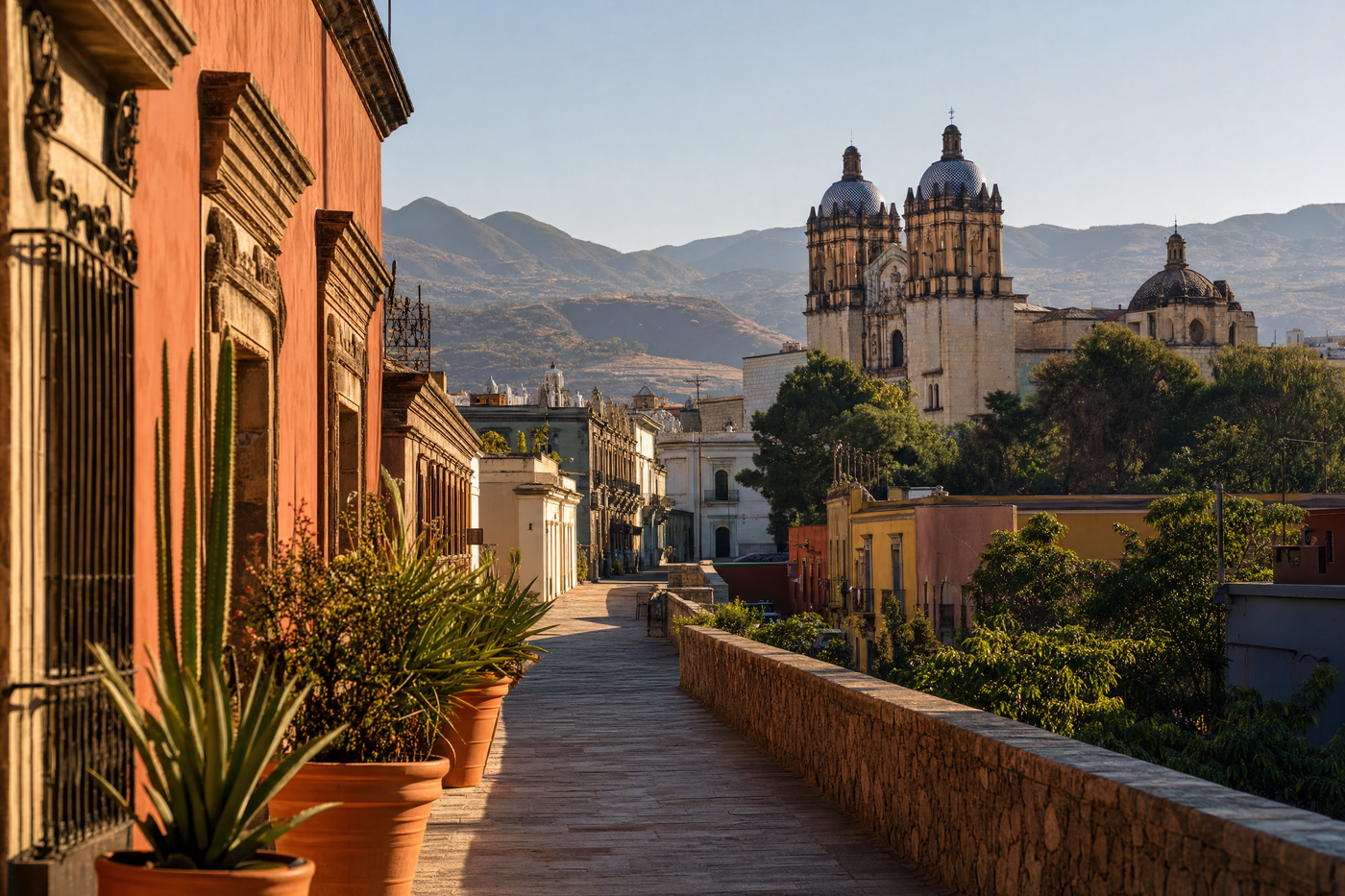
Oaxaca tempts with world-class food, markets, and history, but it doesn’t need to strain your finances. Our guide shares how to experience the color, flavor, and culture of Oaxaca—splurging where it matters and saving smartly everywhere else.
Oaxaca’s magic on a modest budget
Oaxaca is often hailed as one of Mexico’s most captivating destinations, offering a heady mix of indigenous traditions, colonial architecture, and culinary innovation. For many travelers, enjoying this city’s highlights without overspending feels like a challenge. Yet with mindful planning, you can savor street food, join festive celebrations, and explore historic sites without missing what makes Oaxaca special.
This guide breaks down where your pesos go furthest and when it’s worth spending a bit extra. From navigating public transport to knowing which mezcal experiences justify a splurge, you’ll learn how to access Oaxaca’s rich culture on a realistic budget—plus a few indulgences that truly enhance your trip.

Your trip deserves fewer tabs.
Start planning your tripTiming your trip for the best rates
Choosing when to visit Oaxaca dramatically affects both your experience and your expenses. The city’s peak seasons are during the Guelaguetza festival (late July) and Day of the Dead (end of October to early November). These are unforgettable occasions, but accommodation prices can soar. If your priority is value, consider the shoulder months—May, early June, September, and late November—when you’ll find cheaper rooms, quieter streets, and relatively consistent weather.
Tuesdays and Wednesdays are often the least expensive nights for domestic flights into Oaxaca. Booking your trip 2-3 months in advance is usually enough for good deals, but last-minute searches can work outside of holidays. For international flights, check both Mexico City and Oaxaca Airport routes for price comparisons. Travel light and avoid checked luggage fees when possible; most low-cost Mexican airlines are strict with carry-on limits.
Finding value accommodations without sacrificing comfort
Oaxaca’s accommodation landscape is wide: from hostels and guesthouses to boutique hotels and family homestays. Many budget travelers gravitate toward the city center (Centro Histórico), where economical hostels and private rooms (often under US$25–35 per night) let you stroll to Zócalo and major sights.
For the greatest value, look for locally-run posadas on quieter side streets, where breakfast is sometimes included and attentive hosts can offer neighborhood advice. Airbnb and Booking.com have increased competition, but properties can book up quickly in busy periods, so reserve as early as your plans allow. Don’t rule out stays just beyond the city center: neighborhoods like Jalatlaco and Xochimilco are walkable and often quieter, offering character-rich lodgings at better prices.
Getting around: local buses, colectivos, and transport passes
Oaxaca’s compact city center is ideal for exploring on foot, but several key attractions—like Monte Alban, Hierve el Agua, and artisan villages—are spread farther apart. Fortunately, budget-friendly transport options abound.
- Local city buses: Efficient and plentiful, routes connect neighborhoods and edge-of-town markets for just a few pesos. Look for bus maps at hotels or ask at info centers; there is no official transport app.
- Colectivos (shared taxis): Useful for reaching towns like Tule or Mitla, these shared rides cost a fraction of private transport and depart when full from central stands. Always confirm the price before boarding.
- Day-trip vans: At ADO and second-class bus stations, group tours to Monte Alban or Hierve el Agua are much cheaper than private guides. Basic but reliable.
For longer stays, some locals assemble informal transit cards, but for most visitors, paying as you go is simplest. Just keep small bills and coins on hand, as drivers rarely have change for large notes.
Eating well for less: markets, street food, and smart restaurant choices
Oaxaca’s legendary food doesn’t have to cost a fortune. Skip touristy main squares for real bargains in bustling markets like Mercado 20 de Noviembre and Mercado Sánchez Pascuas. For breakfast and lunch, local fondas in these markets serve enormous tamales, tlayudas, and memelas for the price of coffee back home. Fresh fruit juices and agua frescas are budget-friendly and safe in reputable stalls.
- Street food: Tacos, empanadas, and elotes (grilled corn) abound especially in the evenings. If a vendor draws a local crowd, their food is likely reliably good—and hygienic.
- Menu del día: Midday "comida corrida" menus often feature a hearty soup, entrée, and drink for a fixed low price in unassuming restaurants. Look for hand-written chalkboards outside cafes and ask about daily specials.
While upscale restaurants tempt with Oaxacan nouvelle cuisine, you can often get a feel for their quality at lunch, when prices are lower. For real savings, skip bottled water and fill up at free filtered dispensers common in guesthouses and hotels.

Turn your travel ideas into a plan.
Start planning your tripUnmissable free and low-cost sights
- Centro Histórico: Roam Oaxaca’s UNESCO-listed downtown, with its cobbled streets, the vibrant Zócalo, historic churches like Santo Domingo, and public art installations—all absolutely free. Don’t miss the graphic art at Instituto de Artes Gráficas de Oaxaca (IAGO).
- Artisan markets: Browsing is free in Mercado de Artesanías (for textiles and crafts) and Mercado Benito Juárez (for regional food and curios). Haggling is expected for non-food items.
- City museums: Museo Textil de Oaxaca and Museo de las Culturas offer free entry on Sundays; elsewhere, fees are minimal (under US$3), especially for students.
- Parks and viewpoints: Head to Cerro del Fortín for panoramic city views or relax among locals in Alameda de León.
Ask about occasional free walking tours departing from the Zócalo—these are tip-based, so you control your spend.
Should you splurge on tours or go independently?
While many sights can be experienced independently, certain experiences are worth the extra cost. Guided excursions to remote places like Hierve el Agua or archaeological sites like Monte Alban include transportation, context, and skip-the-line entry—meaning you make the most of limited time. Expect full-day tours to these sites starting from US$20–25 per person, a smart investment if you’re short on time or traveling solo (the price per person drops for groups).
On the other hand, artisan villages like Teotitlán del Valle or visiting the ancient Tule tree can be reached cheaply using colectivos or public buses. Just allot extra time for the journey and carry Google Maps offline—you’ll save substantially and enjoy more flexibility. For most culture and food tours, reading reviews and checking inclusions carefully helps separate genuine value from tourist-trap pricing.
Souvenirs and handicrafts: authentic finds without overspending
Oaxaca’s vibrant markets tempt with embroidered textiles, alebrijes (colorful wooden animals), pottery, and mezcal. For the most authentic finds, shop at markets where artisans themselves staff the stalls, such as Mercado de Artesanías or the Friday tianguis (open-air market) in nearby villages.
- Bargain gently: Polite negotiation is customary, but always respect the craft involved. Small savings add up, but undercutting significantly can strain relationships with makers.
- Consider cooperatives: Artist-run collectives (cooperativas) are common in Oaxaca and guarantee fair pricing, with earnings benefiting the community and artisans directly.
- Set a budget: Bring cash and set aside a fixed amount for special purchases. This not only limits impulse shopping but allows you to invest in a quality piece without overspending.
If you’re tempted to buy mezcal, do your tasting at reputable mezcalerías instead of slick tourist venues; independent shops often offer samplers, ensuring you only buy what you truly enjoy.
The best free festivals and cultural experiences
Oaxaca’s cultural calendar is packed with vibrant, often free, experiences that make the city feel alive. Plan to attend:
- Sunday morning street dances (danza): Live bands and locals fill public squares with music and movement. These gatherings, especially around Santo Domingo and the Zócalo, offer spontaneous fun at no cost.
- Guelaguetza rehearsals (July): While festival tickets are expensive, you can often watch community groups’ colorful open-air rehearsals for free.
- Semana Santa and Day of the Dead: Processions, sand-tapestry (tapete de arena) contests, and public altars bring city streets to life every spring and autumn. These experiences are best enjoyed by simply walking and observing.
- Gallery nights and film screenings: Many local galleries, bars, and art spaces host exhibition openings and free film nights—check bulletin boards or ask hostel staff for updates.
Participating in these events gives unique insight into local traditions and, with open eyes and ears, you’ll often discover your trip’s most memorable moments cost nothing at all.
Local tips for stretching your pesos further
Beyond the obvious, a few local tricks help make every peso count. First, always carry small change; large notes are tricky to break in markets or on buses. Use ATMs attached to banks (not stand-alone machines) for lower risk and better exchange rates.
Tap into local students’ networks for nightlife savings—cafés and rooftop bars often post special happy hour deals, especially near universities. To access free Wi-Fi, look for Oaxaqueña chain bakeries or sit near the Zócalo, where public internet is patchy but adequate for messaging and maps.
If shopping for groceries, visit local tienditas (corner stores) for basics, and cook at hostels with kitchens to save more for splurges like a Mezcalería night.
Where splurging is worth it
While maximizing value is wise, a few select splurges will richly reward you in Oaxaca. A tasting menu at a renowned restaurant—think Casa Oaxaca or Origen—gives deep insight into regional cuisine for about US$40–70 per person, often with wine pairings included. Reserve in advance, especially on weekends.
Quality artisanal mezcal tastings are worth a special allocation of your budget. Some mezcalerías offer guided flights with expert commentary for US$15–20, a costlier but more educational experience compared to buying random bottles.
Artisan-led craft workshops, especially in weaving, pottery, or cooking, typically cost US$25–50 for a half-day and make for immersive, hands-on experiences you can’t replicate elsewhere. The knowledge and memories you gain linger long after saving a few pesos elsewhere.
Planning your realistic Oaxaca itinerary
A strategic mix of free, low-cost, and targeted splurges lets you enjoy Oaxaca’s depth without overspending. Start mornings exploring Centro Histórico on foot; fuel up with a market breakfast. Dedicate afternoons to art galleries or day-trip excursions to Monte Alban or local artisan villages, using buses or colectivos to limit costs where possible.
Reserve one or two evenings for a mezcal tasting or special dinner out—you’ll gain a deeper appreciation for Oaxacan innovation and hospitality. Leave room in your schedule for spontaneous festival events, gallery openings, or street performances: these are often the most rewarding and cost nothing. A little planning, plenty of flexibility, and attention to where your money matters most ensure an unforgettable experience—no luxury budget required.