Nice travel guide: what to see, where to stay and how to plan your days
 By Nora Bennett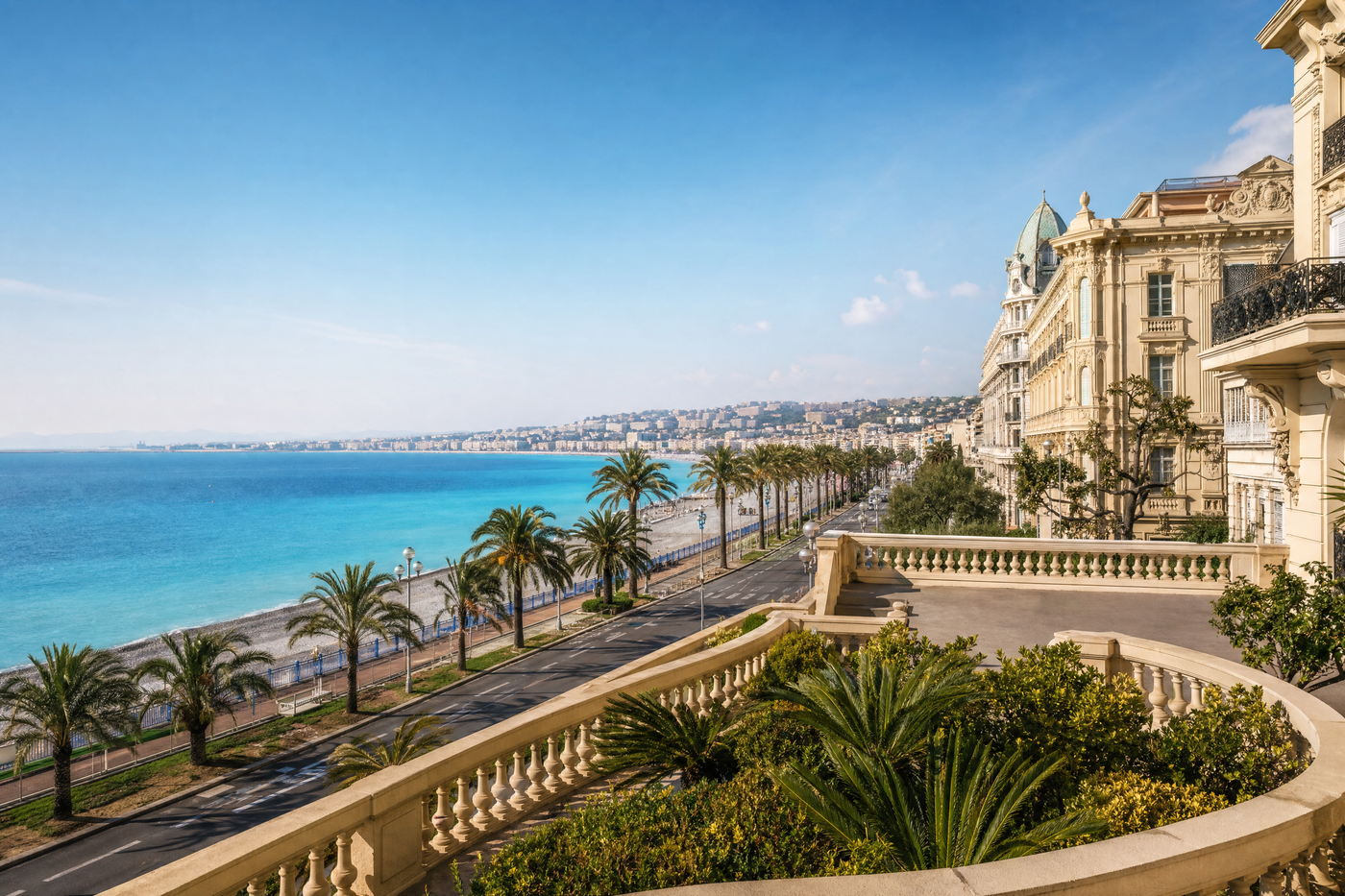
Dreaming of sun-kissed boulevards, vibrant markets and the sparkling Mediterranean? Nice, France’s legendary Riviera city, is a highlight for first-timers. This guide covers top sights, neighborhoods, transport know-how, the best places to stay, local food, and a smart, flexible three-day itinerary.
Getting to know Nice: The French Riviera’s sunny heart
Set on the Côte d’Azur’s dazzling shoreline, Nice encapsulates French Riviera charm. The city pairs blue sea with colorful façades and lively promenades. You’ll find a delightful blend of French and Italian influences, visible everywhere from the food to the laidback lifestyle. With a balmy climate much of the year, Nice is perfect for relaxed exploration and classic Mediterranean pleasures.
As France’s fifth largest city, Nice offers an accessible scale for visitors, yet doesn’t lack for vibrant neighborhoods or rich history. From the winding alleys of the Old Town to chic modern galleries and lush parks, it’s a city that rewards wandering as much as planning. Let this guide help you make the most of your trip, whether you’re after seaside relaxation or urban adventure.

Your trip deserves fewer tabs.
Start planning your tripWhere to stay in Nice: The best areas for visitors
- Old Town (Vieux Nice): Ideal for atmosphere and proximity to major sights. Expect narrow lanes, baroque churches, daily markets, and lively squares. Boutique hotels and apartments are common, though rooms can be compact.
- Promenade des Anglais & Waterfront: Top choice for sea views and quick access to the beach. This area features larger hotels, often with balconies overlooking the Baie des Anges. Great for evening strolls and people-watching.
- Jean-Médecin & City Centre: Well-connected and perfect for shopping, with plenty of restaurants and local bakeries. The central train station is nearby, making this area convenient for onward travel and day trips.
- Le Port: A slightly quieter district popular with locals, close to trendy bars, seafood restaurants, and a colorful marina. It’s still walkable to most sights but feels more residential and relaxed.
All these areas are safe, well-served by public transport, and offer a mix of options from boutique hotels to budget accommodation and apartments. Book well ahead in high season, as Nice is popular during spring and summer.
Getting around Nice: Transport tips for travelers
Nice’s compact core means you can reach most highlights easily on foot. The city is flat along the coast, which makes strolling especially pleasant. For longer journeys, the local transport system (Lignes d’Azur) is efficient, affordable, and straightforward.
Trams connect key districts, including stops at Jean-Médecin, the Port, and along Avenue Jean Médecin. Buses reach destinations like the Matisse Museum in Cimiez and nearby hilltop villages. Tickets are interchangeable (tram/bus) and can be purchased at station machines or on the Lignes d’Azur mobile app.
For arrivals, Nice Côte d’Azur Airport is served by a direct tram (Line 2) running to the city centre in 20–25 minutes. Taxis and ride-shares are available but pricier. If you want to explore the Riviera, frequent TER trains make day trips to places like Antibes, Monaco, and Villefranche-sur-Mer simple from Nice-Ville station.
The top sights: Essential things to see in Nice
- Promenade des Anglais: The legendary seafront promenade, perfect for walks, people-watching, and sunset views.
- Vieux Nice (Old Town): Bright pastel buildings, winding streets, bustling markets (don’t miss Cours Saleya), and atmospheric squares.
- Castle Hill (Colline du Château): Hike or take a lift up for panoramic city and bay views. There's a park and a waterfall at the top.
- Marc Chagall and Matisse Museums: Small but exceptional collections dedicated to these painters who loved the region.
- Place Masséna: The city’s vibrant central square, surrounded by grand red buildings and fountains.
- Port of Nice: Watch colorful fishing boats and sample fresh seafood with locals.
- Russian Orthodox Cathedral: An ornate, onion-domed reminder of Nice's international history.
Plan time to simply explore – much of Nice’s magic is in its everyday street scenes and hidden corners.

Turn your travel ideas into a plan.
Start planning your tripWandering the Old Town: Vieux Nice highlights
Vieux Nice is a labyrinth of cobbled lanes bursting with markets, gelaterias, baroque churches, and lively cafés. Start your morning at Cours Saleya – famous for its daily flower and produce markets as well as Saturday antiques.
Duck into Église Saint-Jacques-le-Majeur or Chapelle de la Miséricorde to appreciate ornate interiors, and people-watch in Place Rossetti while sampling a scoop from beloved Fenocchio gelateria. Linger in specialty food shops for local delicacies like tapenade and candied fruit, or climb towards Castle Hill for that panoramic view over the terracotta rooftops.
In the evenings, the Old Town transforms, with lively wine bars and tapas-style restaurants giving you a taste of Niçoise nightlife.
Local food in Nice: What (and where) to eat
Nice’s cuisine is a classic Mediterranean mix with Provençal and Italian touches. The star here is socca, a savory chickpea pancake, best enjoyed fresh from a market stand or at Chez Pipo. Salade Niçoise is ubiquitous, but the best use fresh tomatoes, tuna, olives, and anchovies.
- Pissaladière: A caramelized onion tart with anchovies and olives, often sold by the slice in bakeries.
- Pan bagnat: A rustic sandwich packed with the same ingredients as the local salad, perfect for lunch on the go.
- Seafood: Sample fresh fish, shellfish, and bouillabaisse at harbor-side bistros in the Port area.
- Gelato and candied fruit: Vieux Nice specialties; don’t miss a tasting at Fenocchio or Auer.
From rooftop terraces to cozy wine bars, most areas offer good-value prix-fixe menus. For something special, try Bistrot d’Antoine for contemporary Niçoise cuisine or La Merenda (booking essential) for a truly local experience.
Three-day Nice itinerary: Flexible must-see plan
- Day 1: Begin with a stroll through Vieux Nice, browsing Cours Saleya’s market, the cathedral, and the flower-filled lanes. Climb up to Castle Hill for city and sea views, and relax on Promenade des Anglais in the afternoon. Dinner in the Old Town.
- Day 2: Visit the Chagall Museum in the morning, then walk or tram to the Matisse Museum and Roman ruins in Cimiez. Return via Jean-Médecin for shopping and coffee, and unwind by the water with seafood at the Port.
- Day 3: Take a train or bus to a nearby Riviera town—such as Villefranche-sur-Mer or medieval Èze—returning for an evening on the beach or sunset drinks at a rooftop bar.
Adapt the order as you wish. Because Nice is so walkable, you can easily swap in gallery visits, beach time, or alfresco lunches depending on the weather and your mood.
Neighborhoods to explore beyond the center
While most visitors stick to the Old Town and coast, Nice’s surrounding districts offer a quieter, local flavor. Libération is a favorite for its exceptional morning food market and authentic boulangeries. The Cimiez hill features charming gardens, Roman ruins, and grand 19th-century villas—ideal for a peaceful afternoon.
Le Port has evolved into a trendy hotspot with plenty of laidback cafés, independent boutiques, and a working harbor vibe. Further out, Mont Boron is a green escape with pine woods and hiking trails, rewarding you with sweeping Riviera panoramas.
Don’t be afraid to use the tram: it’s reliable and makes hopping between neighborhoods both cheap and easy.
Beaches in Nice: Public, private, pebble and sand
- Public Beaches: The main stretch along Promenade des Anglais, like Plage de Beau Rivage, is free but bring water shoes—Nice’s beaches are famously pebbly.
- Private Beach Clubs: Rent a lounger and umbrella for a day of luxury with drinks and lunch service. Try Blue Beach or Castel Plage (reserve in advance in peak season).
- Sandy Options: For soft sand, hop a train to Villefranche-sur-Mer, just a few minutes away.
Facilities (showers, cafes, restrooms) are better at private clubs, but you’ll find outdoor showers and snack stands along the public beaches, especially in summer.
Practical tips and what to know before you go
- Weather: Nice enjoys over 300 sunny days annually. Spring and early autumn bring ideal temperatures and fewer crowds.
- Language: French is spoken everywhere, but English is widely understood in tourist areas.
- Money: Cards widely accepted, though some market stalls are cash-only. Tipping is appreciated but not obligatory.
- Safety: The city is safe, but do watch valuables on the beach and in crowded areas.
- Markets: Cours Saleya runs mornings (closed Mondays for food, antiques on Monday). Arrive early for the freshest goods.
Pack light layers, sunscreen, and comfortable shoes for walking. An EU plug adapter is essential if needed.
Day trips from Nice: Exploring the Côte d’Azur
Thanks to a central location and excellent train links, Nice is a springboard for Riviera day trips. Villefranche-sur-Mer is a 10-minute ride away, boasting a golden sandy beach and pastel harbor. Antibes lures with its Picasso museum and Provençal market, while Cannes offers glamour and sandy shorelines.
Èze enchants with hilltop medieval streets and far-reaching views. A bus or train brings you there in under 40 minutes—don’t miss the Exotic Garden. Monaco is just 30 minutes away for those wanting to see the famed casino or the Prince’s Palace.
Trains depart frequently from Nice-Ville station, and you can buy tickets from machines or online. For coastal hiking, consider the sentier coastal paths between neighboring towns for unforgettable clifftop scenery.
Making the most of your first visit to Nice
Nice is more than just a postcard-perfect Riviera resort—it’s a city with heart, shaped by centuries of cross-cultural influences and a famously relaxed lifestyle. Whether you’re taking in the views from Castle Hill, sampling socca in a shady square, or dipping your toes in the Mediterranean, take time to savor the city’s details.
With this guide to Nice’s best neighborhoods, local food, transport hints, and a flexible itinerary, you have all the practical details needed for a smooth, memorable trip. Let your days unfold at a Riviera pace, and you’ll see why Nice has enchanted travelers for centuries.