New Orleans travel guide: what to see, where to stay and how to plan your days
 By Nora Bennett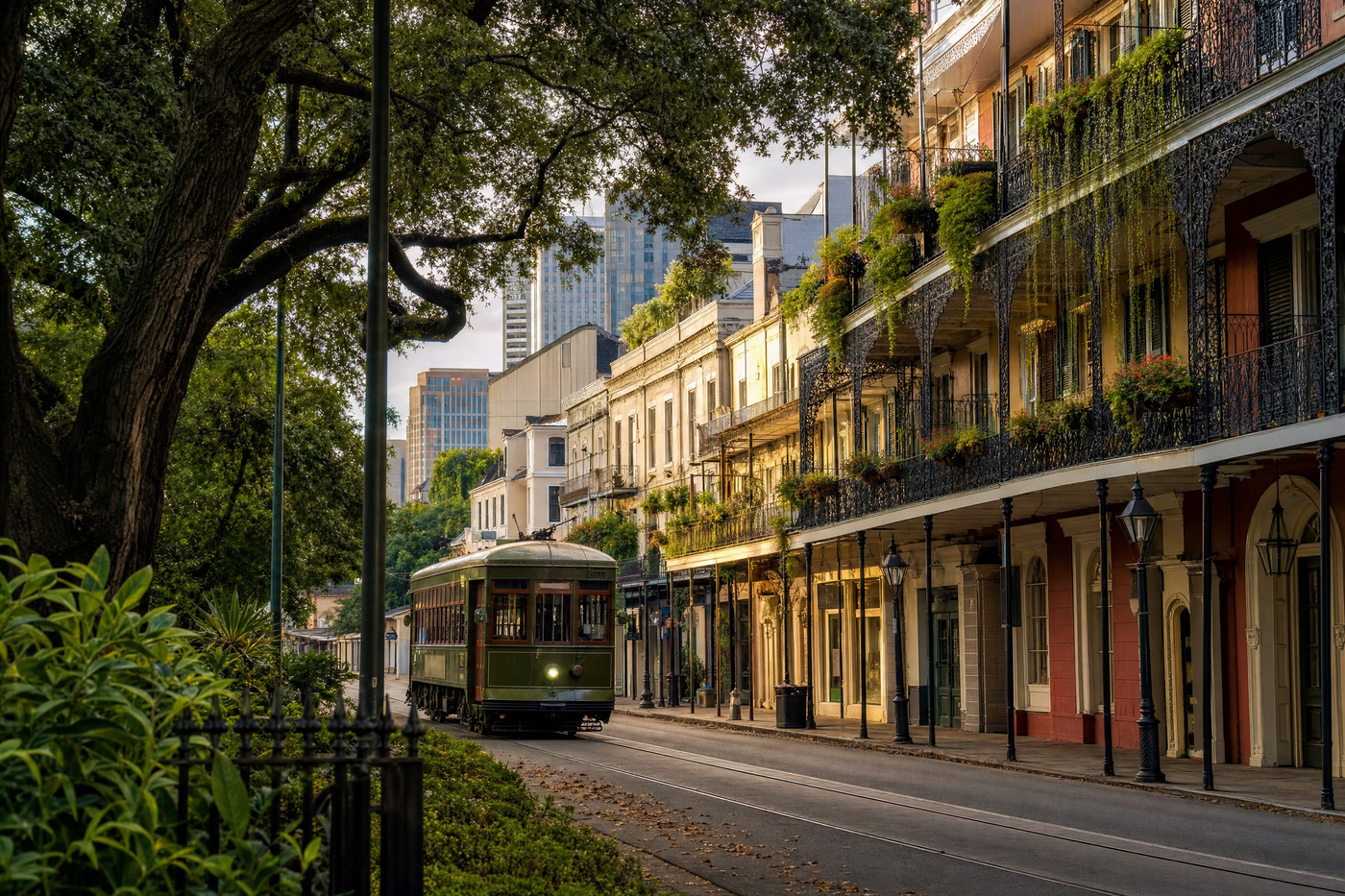
Find everything you need for an unforgettable trip to New Orleans: where to stay, what to see, how to get around, essential local eats, and a realistic three-day itinerary. Perfect for first-time visitors.
Why visit New Orleans?
New Orleans is a city famous for its vibrant music, unique Creole cuisine, and centuries-old traditions. With roots in French, Spanish, and African cultures, every street tells a story—whether it’s the lively dance of jazz in the French Quarter or the aroma of gumbo wafting from a local eatery. Its festive spirit, historic architecture, and warm hospitality provide an unforgettable destination for leisure travelers.
For first-timers, the city offers a manageable scale yet endless variety. You can wander amongst stately mansions in the Garden District one moment, and be swept up in the energy of Frenchmen Street jazz clubs the next. Every day unfolds new corners—be it hidden courtyards, bustling street markets, or bayou tours just outside the city limits.

Your trip deserves fewer tabs.
Start planning your tripUnderstanding New Orleans: neighborhoods at a glance
- French Quarter: The city’s iconic heart, filled with preserved 18th-century buildings, lively bars, and street performers. Best for history and nightlife.
- Garden District: Home to leafy avenues, historic mansions, and charming bed & breakfasts. Perfect for a quieter stay amid beauty.
- Warehouse/Arts District: A revitalized industrial area, popular for its contemporary museums, boutique hotels, and creative restaurants.
- Marigny and Bywater: Trendy neighborhoods famed for live music, colorful creole cottages, and cafes. A younger, more local vibe.
- Mid-City: Residential, green, and home to City Park and airy outdoor spaces. Great for escaping crowds.
Each neighborhood brings a distinct flavor. Most visitors base themselves in the French Quarter or Garden District for convenience, but don’t miss venturing further afield for an authentic city experience.
Best areas to stay in New Orleans
Choosing the right neighborhood can shape your entire trip. For convenience and classic ambiance, the French Quarter remains the most popular base. Hotels range from historic properties with wrought-iron balconies to cozy inns tucked into quiet streets. It’s central, with easy walking access to landmarks, restaurants, and nightlife.
The Garden District appeals to those seeking spacious, picturesque accommodation and tranquility after a busy day. This area boasts stately homes, leafy streets, and boutique guesthouses, with the charming St. Charles Avenue streetcar providing transport to downtown.
For a balance between vibrant local culture and quieter evenings, consider the Warehouse District or Marigny. Both offer creative dining, art spaces, and boutique hotels in a setting less frenetic than Bourbon Street, yet still atmospheric. Costs and amenities vary, so book early during festivals or high season (especially Mardi Gras and Jazz Fest).
Getting around: transport tips for visitors
New Orleans’ compact French Quarter and central neighborhoods are very walkable, but venturing beyond on foot can be impractical due to distance and summer heat. The city’s historic streetcars are both a delight and a convenient way to explore; the St. Charles line connects the French Quarter with the Garden District, and the Canal Streetcar heads uptown and into Mid-City.
Buses cover much of the city and can get you to City Park, the New Orleans Museum of Art, and the cemeteries. Use the Regional Transit Authority (RTA) mobile app for schedules and tickets. Rideshares like Uber and Lyft are reliable options, especially when returning late at night or when rain strikes.
Driving is possible, but parking in the French Quarter and central areas is limited and pricey. If you bring a car, research parking lots in advance or choose accommodation with parking included. Cycling is growing in popularity, and bike shares (Blue Bikes) are available if you want to pedal between districts.
Essential sights: what to see and do
- French Quarter: Wander Jackson Square, visit the St. Louis Cathedral, browse the French Market, and experience Bourbon Street’s nightlife.
- Garden District: Stroll Magazine Street’s boutiques, admire antebellum mansions, and ride the St. Charles streetcar.
- National WWII Museum: A world-class museum with immersive exhibits—a must for history enthusiasts.
- Frenchmen Street: The go-to strip for live jazz, blues, and indie music clubs.
- City Park: Great for outdoor lovers. Explore botanical gardens, sculpture parks, and the New Orleans Museum of Art.
- Steamboat Natchez: Take a river cruise on the Mississippi for classic city views.
- Historic cemeteries: Like St. Louis Cemetery No. 1, for unique and atmospheric walking tours.
Leave time to wander—NOLA’s magic often lies in spontaneous discoveries, from impromptu second line parades to quiet coffeehouses.

Turn your travel ideas into a plan.
Start planning your tripLocal flavors: what and where to eat
New Orleans cuisine is a delicious melting pot of Creole, Cajun, French, and African influences. Expect hearty stews, fresh seafood, vibrant spices, and time-honored techniques. Try gumbo, jambalaya, red beans and rice, and catfish po’boys—all local staples. Don’t miss sweet treats like beignets at Café du Monde (best visited in the early morning for fewer crowds), or pralines from one of the city’s many sweet shops.
For an elevated Creole meal, try Commander’s Palace in the Garden District or historical Antoine’s near the French Quarter. For casual eats, local favorites include Willie Mae’s Scotch House (fried chicken) and Domilise’s (po’boys). On Frenchmen Street, you’ll find cozy bistros and food trucks catering to all tastes.
Vegetarian, vegan, and gluten-free diners will find improving options in the Warehouse District and Bywater, known for their creative kitchens. Booking ahead is essential for fine dining, especially on weekends and during festivals.
Music and culture: experiencing NOLA’s rhythm
Few cities rival New Orleans for live music. Jazz, blues, funk, and brass blend into everyday life—you may catch a street parade or an unannounced band in a neighborhood bar. Frenchmen Street is renowned for nonstop performances in intimate venues like The Spotted Cat and Blue Nile. For a classic jazz brunch, visit venues like Commander’s Palace or stroll to Preservation Hall in the evening for an iconic set.
The city also boasts vibrant local traditions, from colorful Mardi Gras celebrations (plan well ahead for this busy season) to art markets and food festivals. The New Orleans Museum of Art and Ogden Museum of Southern Art are both worth the visit for their collections and cultural events. Participate respectfully if you chance upon a Second Line parade—a joyful local tradition that celebrates community through music and dance.
Festivals and the best time to visit
New Orleans is synonymous with celebration. Mardi Gras (usually in February or March) is legendary: elaborate floats, bead-throwing, and citywide revelry. Booking accommodation a year ahead is recommended if you plan to visit during this period. Jazz & Heritage Festival (late April–early May) attracts music lovers worldwide and showcases not only jazz, but blues, gospel, and contemporary acts.
Outside these peak times, spring and fall are the most pleasant for weather—warm but not oppressively hot, with fewer crowds. The summer months bring humidity and afternoon showers; rates drop but some attractions may close in the hottest weeks. Year-round, you’ll encounter smaller food, music, and cultural festivals, each providing a window into New Orleans’ creative soul.
First-timer tips: making your trip smoother
- Book accommodation early during festivals and weekends, as prices and demand soar.
- Dress for the weather—New Orleans is typically warm and humid. Lightweight clothing, walking shoes, and a light rain jacket are essential.
- Stay street smart: Like any city, be aware of your surroundings, especially at night or outside busy areas.
- Cash is handy: Many small bars, cafes, and market stalls operate cash-only or have card minimums.
- Tip generously. Service staff depend on tips; 18–20% is standard.
Approach your visit with curiosity and an open mind. The city rewards those who linger in local cafes, join conversations, and embrace both its joyful chaos and quieter moments.
Flexible three-day itinerary
Day 1: French Quarter and riverfront
Start with coffee and beignets at Café du Monde before exploring Jackson Square, St. Louis Cathedral, and Royal Street’s art galleries. Wander the French Market then take a steamboat cruise or stroll along the Mississippi Riverfront for classic city views. In the evening, enjoy a Cajun dinner and take in live jazz on Frenchmen Street.
Day 2: Garden District and beyond
Catch the St. Charles streetcar to the Garden District. Admire grand homes and Lafayette Cemetery No. 1 (check open times). Lunch on Magazine Street and shop its boutiques. Spend your afternoon at the National WWII Museum. Evening options: trendy Warehouse District dining or a craft cocktail at a neighborhood bar.
Day 3: City Park and local life
Head to Mid-City for a hearty breakfast, then explore oak-lined City Park—visit the New Orleans Museum of Art or the Besthoff Sculpture Garden. In the afternoon, tour a historic cemetery or sample local brews at a Bywater taproom. End your trip with a sunset walk and a memorable local meal.
Budgeting and travel costs
New Orleans can accommodate a range of budgets. Hotel prices average $120–$250 per night in tourist seasons; expect higher rates around Mardi Gras and Jazz Fest. Comfortable guesthouses and B&Bs in less touristy areas offer better deals and often include breakfast.
Meals range from $10 street food to $50-plus at top restaurants. Museum tickets and attractions (like the National WWII Museum) charge $15–$30. Streetcars cost $1.25 per ride or $3 for a day pass; taxis and Uber/Lyft rides run $8–$20 within the city’s core. Booking in advance for major attractions and dining is wise, as is allowing extra budget for spontaneous experiences (and shopping for unique gifts).
Final thoughts: embracing New Orleans
Every trip to New Orleans is shaped as much by serendipity as plans. While there’s much to see and many flavors and rhythms to savor, the city’s real magic often comes in unplanned moments—an impromptu street performance, a local’s recommendation, or a tranquil morning in a shaded courtyard.
Move at your own pace. Whether you’re drawn to jazz, culinary adventures, or architectural beauty, New Orleans welcomes you with open arms and a flair for the unexpected. Plan your days for balance, but be ready to follow the city’s lead. You’ll leave with memories and perhaps a bit of its spirit, which lingers long after you head home.