Muscat travel guide: what to see, where to stay and how to plan your days
 By Nora Bennett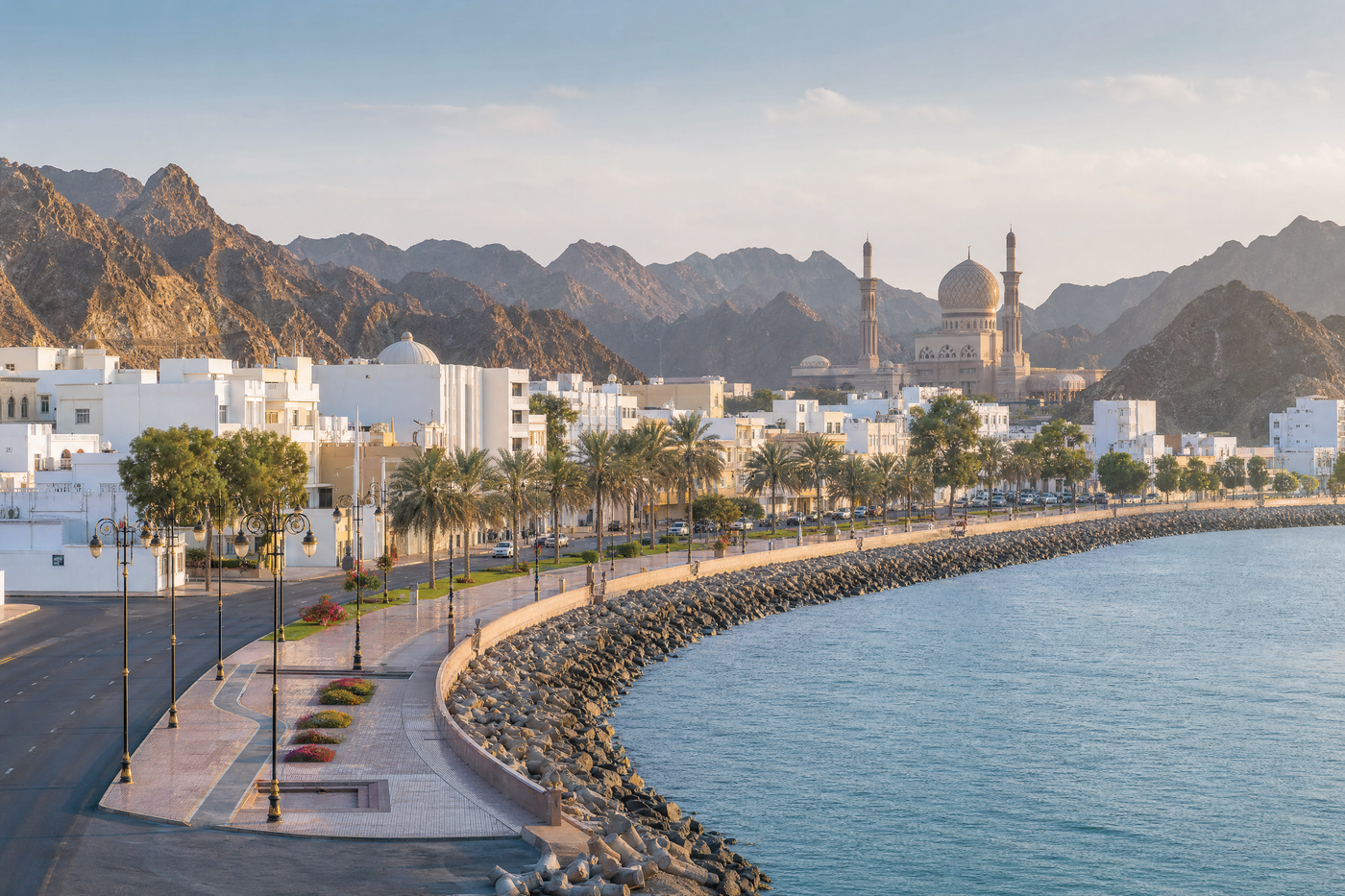
Take your first steps in Oman’s capital with this detailed Muscat guide. Discover where to stay, the best ways to get around, top attractions, what to eat and how to organise a three-day itinerary for an effortless and memorable city break.
Welcome to Muscat: a city of contrasts and character
Oman’s capital, Muscat, blends ancient tradition with modern ambition against a dramatic backdrop of rocky mountains and turquoise sea. Unlike other Gulf capitals, Muscat’s low-rise buildings, whitewashed mosques and lively markets give it a genuine sense of place. The city is spread along 30km of rugged coastline, creating distinct neighborhoods with individual charms. Whether you’re drawn by its history, contemporary Arabian culture or simply the warm hospitality, Muscat invites you to explore at a gentle pace.
For first-timers, understanding Muscat’s layout and transport is essential. This guide demystifies the experience, so you get the most from your stay, with tips on where to base yourself, how to organise your days, and what local flavors to try along the way.

Your trip deserves fewer tabs.
Start planning your tripBest areas to stay in Muscat: picking your base
- Mutrah & Old Muscat: Ideal for those seeking heritage, narrow lanes, forts, the famous corniche and night market. Close to the port and lots of classic sights. Accommodations include guesthouses and small hotels.
- Al Khuwair & Al Qurum: A blend of local life, embassies, shopping and trendy eateries. Good for mid-range hotels and access to both the old city and modern attractions. Qurum Beach is a favourite for evening strolls.
- Shatti Al Qurum: This seaside stretch is home to high-end hotels and Muscat’s most cosmopolitan cafes. Great for families and those who want easy beach access, albeit a little further from old Muscat’s sights.
- Ghubra & Al Ghubrah South: Suburban and affordable, with plenty of restaurants and access to modern amenities. Useful for those with a car or long stays.
Most first-time visitors find Mutrah or Qurum the most convenient, striking a good balance between atmosphere and accessibility. Consider your priority—history, beaches or city buzz—when booking your hotel or apartment.
Essential sights and cultural highlights
- Sultan Qaboos Grand Mosque: Oman’s main mosque, a masterpiece of contemporary Islamic architecture, open to non-Muslim visitors in the mornings. Dress conservatively and take time to admire the enormous Persian carpet and chandelier.
- Mutrah Souq: An atmospheric covered market filled with spices, frankincense, textiles and antiques. The labyrinthine lanes are best explored in the cooler evening hours.
- Royal Opera House Muscat: An icon of modern Omani culture, this venue hosts classical performances and striking tours of its interiors.
- Al Jalali and Al Mirani Forts: Twin fortresses guarding the entrance to Muscat’s old port, offering dramatic photo backdrops (interiors not open to the public, but great for viewing from the outside).
- Bait Al Zubair Museum: Insightful displays of Omani heritage, traditional dress, weaponry and maps in a beautifully restored house in Old Muscat.
- Qurum Beach and Park: Perfect for unwinding after sightseeing—palm-fringed promenades, gentle waves and landscaped gardens.
Reserve time for wandering Mutrah’s corniche at sunset and for seeking out lesser-known mosques and art galleries throughout the city.
Getting around Muscat: your transport options
Muscat’s urban sprawl can surprise newcomers, so a little planning goes a long way when it comes to transport. The city isn’t well suited to walking long distances between major sights, but each district is compact enough to explore on foot once you’re there.
Taxis are the most common way to get around for visitors. There’s no widespread public taxi rank system; instead, orange-and-white city taxis and mobile apps (Otaxi, Mwasalat) are popular, with fares best negotiated in advance for unmetered cars. If you want air-conditioned comfort and reliability, rideshare apps are ideal.
The Mwasalat bus service covers main routes between airport, Mutrah, Ruwi, and Qurum and is inexpensive, but schedules are limited. For convenience and time savings, short-term car rentals are worthwhile if you want to explore beyond central Muscat or plan onward travel along the coast. Traffic is generally light, roads are wide, and signage is in English as well as Arabic.
Culture, etiquette and practical tips
Oman is renowned for its tolerance, hospitality and relaxed pace, but visitors benefit from observing a few local customs. Dress modestly, especially at religious and government sites—shoulders and knees should be covered, and lightweight clothing is recommended for the heat. Swimsuits are fine at private beaches or hotel pools only.
Arabic is the official language, but English is widely spoken in hotels, restaurants and with taxi drivers. Friday is a day of prayer, so while large malls and attractions generally open in the afternoon, traditional markets and some museums may be closed in the morning.
Tips aren’t obligatory but are appreciated—round up the bill or give a small gratuity in cafes, cabs and hotels. Ask permission before photographing people, particularly women, and avoid public displays of affection.

Turn your travel ideas into a plan.
Start planning your tripWhat and where to eat in Muscat
Muscat’s culinary offerings reflect Oman’s crossroads location: Arabic staples, Indian influences, Persian and East African flavors all mingle together. Meals are often hearty, with spices and rice at their core, but the atmosphere is always warm and inviting.
- Shuwa: Slow-cooked spiced lamb, a festive Omani classic worth seeking out (usually available in traditional restaurants at weekends).
- Majboos: Fragrant rice with saffron, spices and chicken or lamb, often accompanied by dates and laban (a salty yogurt drink).
- Omani halwa: Sweet, sticky dessert flavored with rosewater and nuts, sold in souvenir shops and dessert stalls.
The old Mutrah Souq area is dotted with local eateries, but even casual cafeterias will serve aromatic biryani, fresh flatbreads and grilled meats. For a contemporary twist, head to Shatti Al Qurum for seafood bistros, Lebanese grills and excellent coffee shops. Be sure to try fresh date juice or chilled laban for a refreshing break. Alcohol is served only in licensed hotel bars and restaurants.
Shopping in Muscat: markets and modern malls
Few experiences capture Muscat’s spirit like wandering its traditional markets. Mutrah Souq is the city’s most colorful, where you’ll find frankincense, silver jewelry, textiles, and pashminas. Haggling is expected, though prices are generally fair and the atmosphere is good-natured.
If you prefer air-conditioned comfort and global brands, Oman Avenues Mall (in Ghubra) and Muscat Grand Mall (in Ghala) provide familiar mall experiences with food courts, cinemas, and high street shops. For a middle ground—traditional goods in a modern setting—visit the new souq at Madinat Al Sultan Qaboos and the showcase boutiques on the Royal Opera House boulevard.
Local handicrafts such as khanjars (ceremonial daggers), hand-woven baskets and pottery also make authentic souvenirs. Choose shops that display a Silver Mark or operate in conjunction with Omani women’s associations for the most ethical purchases.
Nature escapes and day trips from Muscat
While much of Muscat’s appeal lies in its heritage and coastline, part of its magic is how quickly you can leave the city behind for adventure. Just a short drive reveals startling geological wonders and traditional villages seemingly unchanged for centuries.
- Wadi Shab: This spectacular canyon is a favourite weekend retreat, with turquoise pools, a cave waterfall and palm groves. Organised tours or a rental car with a short boat ride and a hike are required.
- Bimmah Sinkhole: An otherworldly limestone crater filled with clear, swimmable water, en route towards Sur.
- Jebel Akhdar & Jebel Shams: The highest peaks in Oman are a couple of hours’ drive from Muscat, offering terraced villages, cool air and endless mountain vistas (a 4WD is required for some areas).
- Daymaniyat Islands: Just offshore, these protected islands are a haven for snorkelling and diving, with pristine reefs and nesting turtles. Tours depart from Al Mouj Marina.
Organised tours are widely available, but driving yourself allows the most independence. Always bring water, sun protection, and check road conditions before setting out.
Day 1: Classic sights in Mutrah and Old Muscat
Begin your Muscat journey in Mutrah, the city’s most evocative neighbourhood. Start with a stroll along the corniche, taking in views of the bay and anchored dhows. Next, wander through Mutrah Souq—early morning is quietest, but late afternoon brings a lively buzz as locals shop for spices and gold.
As midday approaches, head to Sultan Qaboos Grand Mosque—arrive early as non-Muslim visitors are welcomed only until 11am. After lunch at a nearby Lebanese or Omani eatery, continue to Old Muscat for the Al Jalali and Al Mirani forts (external viewing), Sultan’s Palace, and the tranquil Bait Al Zubair Museum. End the day watching sunset from the corniche or, if open, attend a performance or tour at the Royal Opera House.
Day 2: Seafront, beach relaxation and museums
Start your morning with breakfast near Shatti Al Qurum, then soak up the sun or paddle in the Gulf of Oman. Qurum Beach promenade is ideal for people-watching and light exercise. If you prefer green space, Qurum Natural Park is nearby and perfect for a shaded stroll or picnic.
After some time in the coastal breeze, dig into Omani or international fare in Shatti’s cafes before heading to Muscat’s best cultural stops. The Royal Opera House Muscat offers daily guided tours, providing insight into its blend of tradition and modernity. Spend your later afternoon exploring contemporary galleries in Madinat Sultan Qaboos or browsing gifts at Opera Galleria. Wrap up with dinner by the sea, sampling seafood grilled with saffron and citrus.
Day 3: Day trip into Omani nature
Your third day is an opportunity to discover the landscapes that make Oman so special. Choose between a coastal adventure—such as Wadi Shab and Bimmah Sinkhole with their lush valleys and swimmable pools—or a mountain escape to Jebel Akhdar to see rose terraces and age-old villages. However, if staying close to Muscat, opt for boat tours to the Daymaniyat Islands for snorkelling and dolphin-watching.
Regardless of your destination, start early to beat the heat and crowds. Pack snacks, plenty of water, and a hat. On returning to Muscat, enjoy a low-key dinner at a local restaurant or relax in a rooftop cafe overlooking the city lights.
When to go and how to save money in Muscat
Oman’s climate is defined by long, hot summers and short, comfortable winters. The best time to visit Muscat is between October and April, when daytime highs typically sit between 22-30°C (71-86°F). Shoulder months (May and September) can be warm but see fewer crowds and better hotel deals. Summer (June–August) is very hot and best avoided unless your trip focuses on short city stays or onward travel to the mountains.
Hotel prices peak during winter weekends and national holidays (like Ramadan and Eid). To make your budget go further, travel midweek, stay in family-run guesthouses or modern apartments, and use public buses or ride apps. Enjoy affordable Omani meals in humble cafeterias, and remember—most free-entry sights close at noon on Fridays. For those looking to splash out, many top-end hotels offer competitive off-season rates with excellent facilities.