Montreal travel guide: what to see, where to stay and how to plan your days
 By Nora Bennett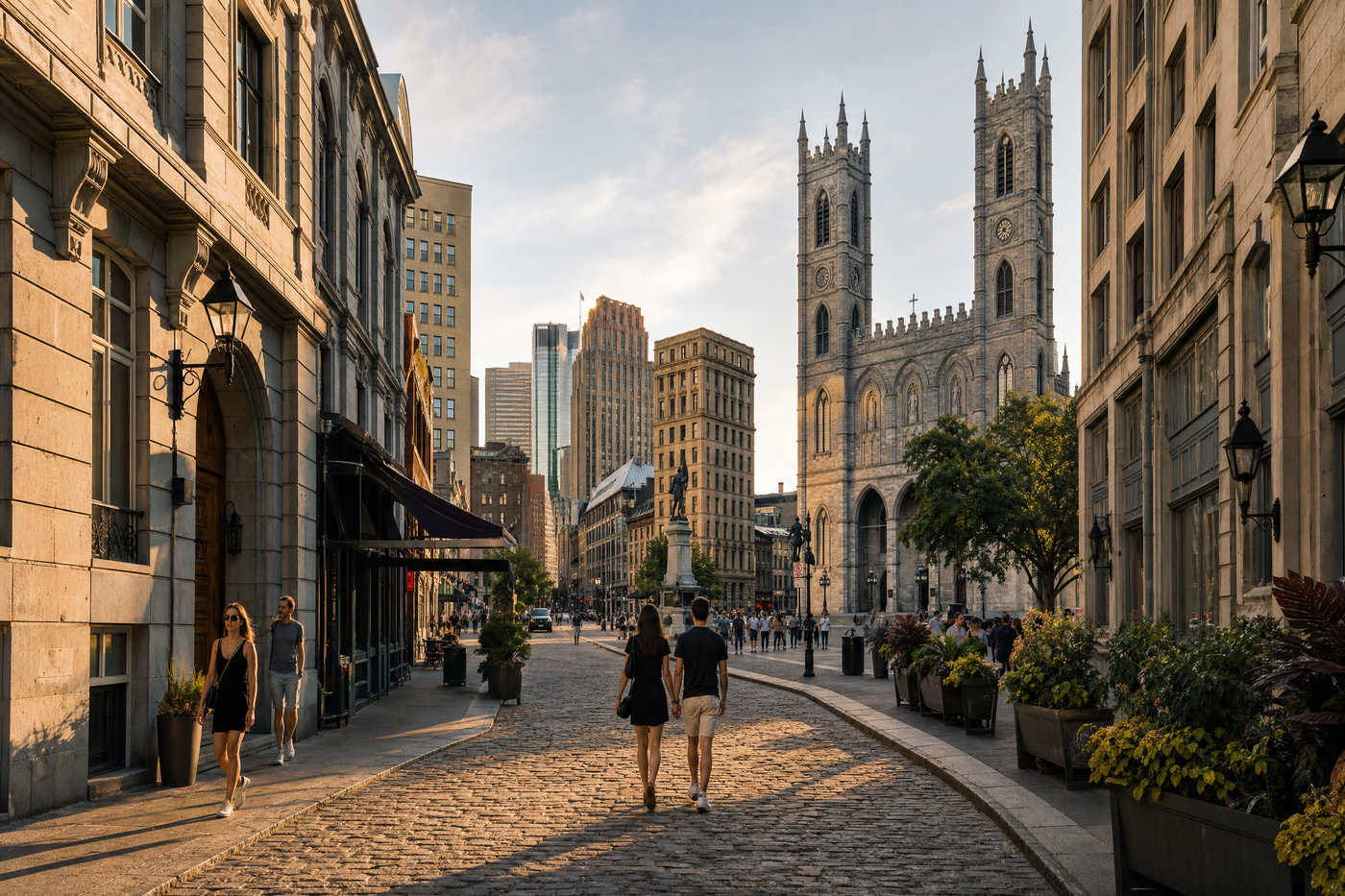
A practical guide to Montreal for first-time visitors, highlighting top sights, vibrant neighborhoods, accommodation options, transport tips, food and a flexible three-day itinerary.
Welcome to Montreal: Canada's cultural capital
Montreal combines North American innovation with undeniable European flair. The city, perched on an island in the St. Lawrence River, is famed for its historic architecture, thriving arts, and energetic street life. Whether you’re strolling cobblestone lanes, sampling world-class food, or exploring leafy parks, Montreal’s diversity is striking and accessible.
This destination guide is designed for leisure travelers looking to make the most of a first visit. It unpacks neighborhoods, unmissable attractions, helpful logistics, and easy ways to build memorable days in Montreal. Read on to plan a city trip filled with discovery, flavor, and Montreal’s signature joie de vivre.

Your trip deserves fewer tabs.
Start planning your tripGetting oriented: Montreal’s neighborhoods
The city’s urban mosaic is best understood through its distinctive neighborhoods, each offering a unique shade of Montreal’s identity. For visitors, it helps to know where to focus your exploration and choose your accommodation.
- Old Montreal (Vieux-Montréal): Cobblestone streets and 18th-century architecture make this the city’s historic core, packed with museums, restaurants, and river views.
- Downtown: The commercial heart features shopping boulevards, towering modern buildings, and easy access to transportation.
- Le Plateau-Mont-Royal: Known for colorful row houses, indie boutiques, and beloved eateries, it’s a local favorite with creative flair.
- Mile End: Hip and multicultural, this area bustles with bagel shops, coffee roasters, galleries, and unbeatable people-watching.
- Little Italy and Jean-Talon Market district: Ideal for food lovers, this area highlights Montreal’s deep culinary roots and immigrant history.
Where you stay shapes your Montreal experience. Let’s look at the best base for your adventure next.
The best areas to stay in Montreal
Choosing the right neighborhood for your hotel, apartment, or guesthouse can set the tone for your entire stay. Montreal’s layout makes most major attractions easy to reach by public transport or even on foot, but each district offers something special for different types of travelers.
- Old Montreal: Perfect for first-timers who want to step outside into history, with boutique hotels and luxury stays near Notre-Dame Basilica and Old Port.
- Downtown: Close to museums and business centers, this area offers major hotel chains, shopping, and nightlife, ideal for convenience lovers.
- Le Plateau-Mont-Royal: For a more local, bohemian vibe, consider a B&B or apartment here. The leafy streets are perfect for wandering between bookshops and bakeries.
- Mile End: A top pick for independent travelers, this hip enclave has creative accommodations and is well connected by bus and bike lanes.
- Verdun and Griffintown: These up-and-coming districts offer affordable boutique options and great riverside walks, with easy metro access.
Regardless of your choice, expect clean, friendly accommodations and a city that is easy to navigate.
Montreal’s top sights: see the essentials
First-time visitors will want to blend classic attractions with a touch of local life. Montreal’s main sights span centuries, from French colonial history to iconic modern landmarks. Don’t try to squeeze too much into each day; allow time for wandering.
- Notre-Dame Basilica: A Gothic Revival masterpiece, it wows with blue vaulted ceilings, wood carvings, and an unforgettable light show.
- Old Port (Vieux-Port): This historic waterfront is perfect for a stroll, ferris wheel ride, river cruises, and public markets.
- Mount Royal Park (Parc du Mont-Royal): Designed by Frederick Law Olmsted, this leafy hill offers unbeatable city panoramas, jogging trails, and locals picnicking in summer.
- Museum of Fine Arts: Canada’s largest art museum blends international heavyweights and contemporary Quebec artists.
- Jean-Talon Market: A feast for the senses, this sprawling public market is packed with fresh produce, bakeries, and food stands.
- Botanical Garden and Biodome: The city’s extensive gardens and animal habitats impress all ages, year-round.
Make time for wandering through neighborhoods to discover mural art, indie shops, and Montreal’s café culture beyond these headline attractions.

Turn your travel ideas into a plan.
Start planning your tripSample Montreal’s diverse food scene
No visit to Montreal is complete without diving into its food culture. The city takes pride in local classics and global influences, from French cafes to Jewish delis, Greek bakeries, and inventive new restaurants.
- Poutine: Crispy fries, cheese curds, and gravy — try it at La Banquise for the local touch.
- Montreal-style bagels: Smaller, denser, and kissed by wood-fired ovens. Try Fairmount or St-Viateur in Mile End with a lox spread.
- Smoked meat sandwich: A spiced, tender brisket, best enjoyed at Schwartz’s Deli.
- French bistros: Expect steak frites, onion soup, and wine in Old Montreal and the Plateau.
- Market fare: Head to Jean-Talon or Atwater Market to taste Québécois cheeses, maple treats, and farm-fresh sweets.
- Global flavors: From Syrian bakeries to Vietnamese pho, international cuisines make for delicious detours, especially in Le Plateau and Little Italy.
Leisurely meals and late-night eateries are part of the city’s DNA. Reserve ahead for popular spots, especially on weekends.
How to get around Montreal
Montreal’s layout and transit options make it easy to explore without a car. Most destinations are accessible by an efficient, bilingual public transport system and pedestrian-friendly streets.
- Metro: A four-line subway network (STM) connects downtown, Old Montreal, Plateau, and many suburbs. Trains run frequently from 5:30 am to 1 am.
- Bus: Hundreds of routes fill the metro gaps, including night buses for late outings.
- Biking: The BIXI bike-share system is widely available from spring to fall, with dedicated bike lanes on major streets.
- Walking: Many core neighborhoods are best discovered on foot, especially Old Montreal, Mile End, and Plateau.
- Taxis and ride-hailing: Readily available, though traffic can be slow during peak times.
Buy a rechargeable OPUS card or a tourist pass for easy access to metro and buses. Multiday passes are cost-effective for even short stays.
Day one: Old Montreal and the waterfront
Start your Montreal adventure by diving into the oldest part of the city. Begin at Place d’Armes, savoring the grandeur of Notre-Dame Basilica. Walk east down Rue Saint-Paul, veering off to admire the Château Ramezay and Pointe-à-Callière Museum, where Montreal’s foundations are on display.
After lunch at a terrace on Place Jacques-Cartier, wander toward the Old Port. Here you can stroll the quay, rent a bike, or try a river cruise for city views from the St. Lawrence. In the evening, sample French-Canadian cuisine at a historic brasserie or unwind at a contemporary restaurant beneath ivy-clad walls.
For night owls, Cirque du Soleil and live jazz at Maison du Jazz often feature on summer lineups, while a riverside promenade remains a classic way to end your first day.
Day two: Arts, parks and neighborhood life
Spend your second day balancing high culture with Montreal’s laid-back neighborhood energy. Start at the Montreal Museum of Fine Arts, taking time to explore Canadian and international collections. Stroll up Crescent Street, dotted with outdoor cafes and boutiques, then cut east into the Golden Square Mile, once home to the city’s elite.
In the afternoon, head north to Le Plateau-Mont-Royal. Admire its painted staircases, sip coffee on Laurier Avenue, and shop at one-of-a-kind boutiques. Don’t miss Schwartz’s famous smoked meat sandwich for lunch, or pop into a casual patisserie.
Finish the day at Mount Royal Park. Walk (or take a bus) to the summit for panoramic sunset views of the city skyline. In summer, free public festivals and the beloved Tam-Tams drum circle fill the park with music and locals alike.
Day three: Local markets and Mile End discoveries
Your third day offers a deeper taste of Montreal daily life. Begin at Jean-Talon Market: sample local cheeses, bagels, fresh fruits and maple treats from friendly vendors. The market is a feast for senses and a beloved hub for both chefs and locals.
Spend late morning wandering Little Italy, with its espresso bars and bakeries. Head west into Mile End, Montreal’s artistic epicenter. Discover indie bookstores, vintage boutiques, mural art and standout coffee roasters along Saint-Viateur and Bernard streets.
Linger for lunch at a bagel shop or classic deli, then rent a BIXI bike for a riverside ride, or take the metro to the Parc Olympique and Biodome if the weather isn’t ideal. As evening falls, consider dinner at one of the Plateau’s emerging restaurants, many with live music or terrace seating when weather allows.
Beyond the basics: seasonal festivals and events
Montreal’s calendar is packed with festivals spanning music, food, culture and sports. These events can shape your experience, especially if you enjoy lively crowds and local traditions.
- International Jazz Festival (June–July): One of the world’s largest, turning downtown streets into open-air stages.
- Just for Laughs (July): An international comedy celebration with stand-up, street acts, and comedic events.
- Montréal en Lumière (February): Winter’s major highlight with light shows, gourmet pop-up restaurants, and outdoor festivities.
- Piknic Électronik (summer Sundays): Weekly electronic music parties in Parc Jean-Drapeau.
Check Montreal’s event schedule before your trip, as these festivals can impact prices, accommodation availability, and neighborhood moods.
Cultural tips for a smooth visit
Montreal embraces both French and English influences, and while French is the dominant language, most residents are bilingual and happily switch to English if needed. A few words in French are always appreciated, though:
- Bonjour – Hello
- Merci – Thank you
- Excusez-moi – Excuse me
City life is relaxed and inclusive. Tipping in restaurants (about 15-20%) is customary. Dress codes are generally casual, though locals favor smart-casual style in the evening. In summer, pack for changing weather — a sweater or light jacket can be useful even on warm days. Mind winter’s cold if visiting between November and March; layers and good boots are essential.
Planning your Montreal adventure
Montreal is ideal for two- to four-day trips, letting you savor the highlights without rushing. Spring and early autumn are especially pleasant, with festivals, mild weather, and vibrant foliage.
Book accommodation early for summer and major festival periods. Consider splitting your stay between two neighborhoods, such as Old Montreal and Mile End, to experience different sides of the city. Public transport, walkability, and an open mindset will unlock much of what makes Montreal unique. Above all, make time to relax, try new foods, and soak up the city’s unpredictably charming rhythm.
With these practical tips and a flexible three-day itinerary, you’ll discover why Montreal is one of North America’s most distinctive—and enjoyable—urban escapes.