Mallorca travel guide: what to see, where to stay and how to plan your days
 By Nora Bennett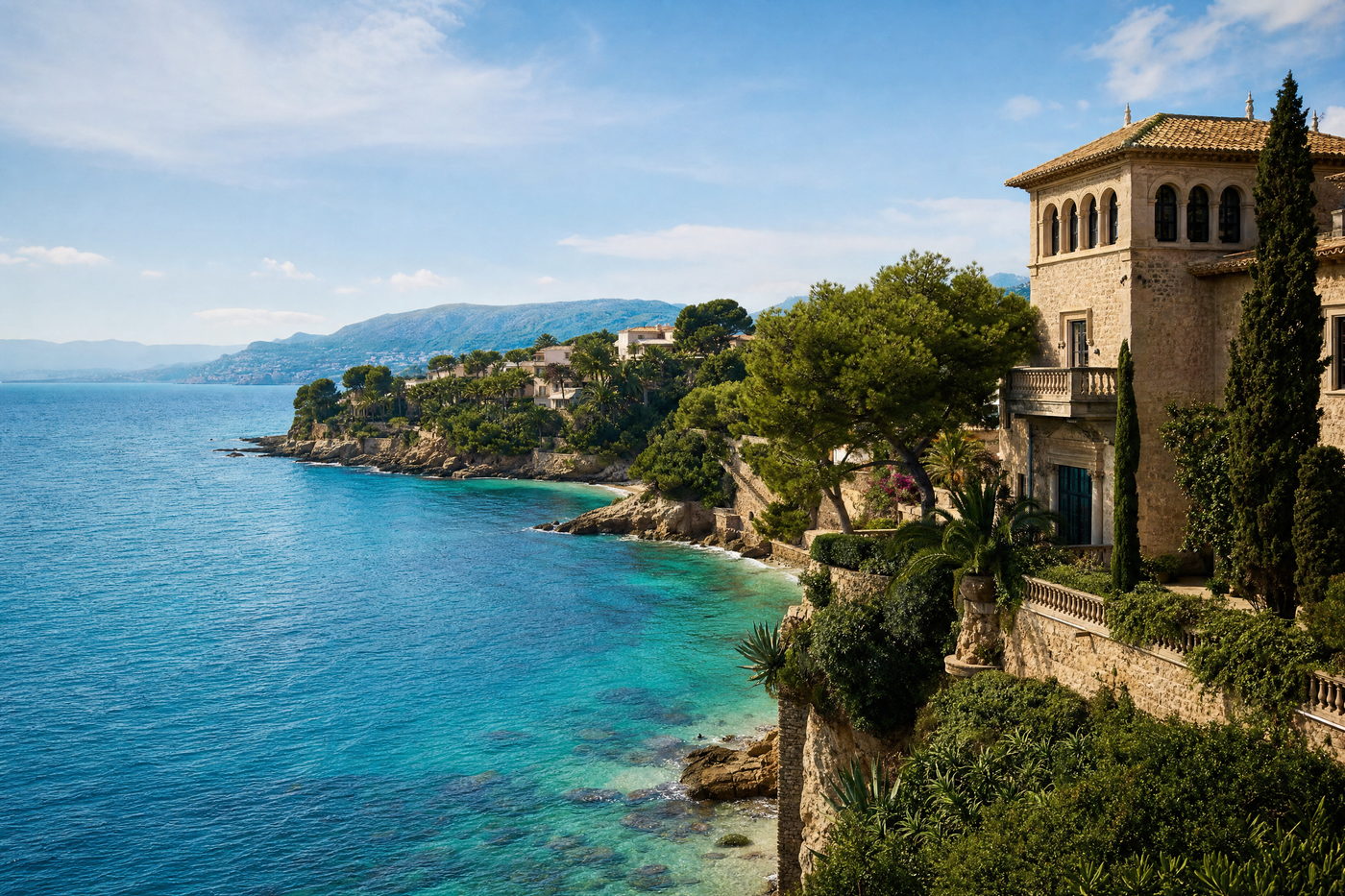
Discover Mallorca like a local with our practical guide. Find the best places to stay, must-see sights, delicious local food, and easy ways to get around. Build your own itinerary and make the most of your trip to this idyllic Balearic island.
Why Mallorca is more than a beach getaway
Mallorca, the largest of Spain’s Balearic Islands, blends vibrant Mediterranean energy with a tranquil rural core. While its turquoise coves and golden beaches are legendary, the island is just as rewarding for travelers who want to explore stone-built hill towns, lively city markets, and a food culture shaped by both land and sea.
The beauty of Mallorca is in its diversity. Whether you’re drawn to historic Palma, the dramatic Tramuntana mountains, or sleepy fishing villages, you’ll find a unique blend of Spanish, Moorish, and Catalan heritage on display. This guide focuses on practical highlights, so you can enjoy Mallorca at your own pace and with local insight.

Your trip deserves fewer tabs.
Start planning your tripBest areas to stay: neighborhoods for every traveler
Choosing the right base can shape your experience. Mallorca offers everything from urban bustle to laid-back beach retreats. Here are key areas to consider:
- Palma: Ideal for history, nightlife, and urban comforts. The old town brims with architecture, trendy cafés, and Palma Cathedral. Great for first-timers and culture lovers.
- Port de Sóller: Set between mountains and the sea, this charming village offers a peaceful atmosphere with easy access to hiking and harbor-side dining.
- Deià & Valldemossa: Artistic mountain retreats. Great for couples, walkers, and those seeking inspiration amid olive groves and cobbled lanes.
- Alcúdia & Port d’Alcúdia: Family-friendly with historic old towns, long sandy beaches, and plenty of activities. Convenient for exploring the island’s north.
- Playa de Muro: Quiet, nature-adjacent, and close to S’Albufera Natural Park—perfect for birdwatchers and tranquility seekers.
- Cala d’Or/Cala Millor: Great for beach-focused holidays with easy access to secluded coves, water sports, and easygoing nightlife.
Each area has its own rhythm—Palma for cosmopolitans, Alcúdia for families, and Deià for artists at heart.
Arriving and getting around Mallorca
Most visitors arrive via Palma de Mallorca Airport (PMI), located just 10 km from Palma city. Frequent buses and taxis connect the airport to the city center in about 20 minutes.
For island-wide exploration, renting a car is the most flexible option. Most major rentals offer automatic and manual vehicles, and driving is straightforward. Be sure to reserve in advance during peak months (June-September). If you prefer public transport, buses and trains connect many towns and beaches, though frequency can drop in rural areas and on Sundays. The wooden Sóller train and vintage trams add local charm to specific routes.
Cycling is popular, especially in spring and autumn—a number of dedicated cycle routes criss-cross the island, and many hotels cater to cyclists.
Palma: Mallorca’s cosmopolitan heart
No trip to Mallorca is complete without exploring Palma, the energetic capital. Begin at the impressive La Seu (Mallorca Cathedral), which dominates the skyline. Step inside to admire the stained glass and the surprising Gaudí interventions.
Nearby, stroll through the Old Town’s labyrinthine streets filled with boutiques, tapas bars, and dreamy courtyards. Don’t miss the Almudaina Palace or the vibrant Santa Catalina district, where locals flock for hip cafés and the daily Mercat de Santa Catalina. Finish an evening at a seaside restaurant on Passeig Marítim or try bar-hopping in the lively La Llonja quarter.
The Tramuntana mountains: rural Mallorca revealed
The UNESCO-listed Serra de Tramuntana runs along Mallorca’s northwest, offering dramatic scenery and a slower pace. Landscapes of olive terraces, pine forests, and rugged peaks encircle ancient stone villages.
Highlights include:
- Valldemossa: Wander cobbled streets, visit the old Charterhouse, and sample coca de patata, a sweet local pastry.
- Deià: Famed for art and literary connections, this hilltop village is perfect for gentle hikes or cocktails with a view.
- Fornalutx and Sóller: For orange groves, lush valleys, and the chance to ride the historic wooden train from Palma to Sóller.
Driving or cycling the scenic MA-10 road is a highlight in itself. Stop for cliffside viewpoints, mountain cafés, or a hike to ancient hermitages.
Turn your travel ideas into a plan.
Start planning your tripMallorca’s best beaches and coves
Mallorca’s shoreline is not just long sandy stretches; it is punctuated by dramatic cliffs and hidden calas (coves) of clear water. Some of the finest spots include:
- Cala Mondragó: A protected cove within a nature reserve near Santanyí, with soft sand and turquoise water.
- Cala Deià: Pebbly and backed by cliffs, with rustic seafood restaurants for leisurely lunches.
- Es Trenc: A wild, Caribbean-like beach often voted Mallorca’s best, known for its natural setting and crystal-clear waters.
- Playa de Muro: Ideal for families, with shallow water and miles of golden sand backed by dunes.
- Portals Vells: Secluded and scenic, this trio of coves south of Magaluf offers clear snorkeling and a relaxed vibe.
Arrive early in peak season to snag parking and avoid crowds. Many calas require a short walk or descent from the nearest road—wear sensible shoes and bring water, especially if visiting in summer.
Savoring local food and drink
Mallorca’s cuisine draws deeply from its island geography: seafood, olive oil, almonds, pork, and market-fresh fruit and vegetables star on most menus. Try these classic dishes during your stay:
- Ensaimada: Light, spiral pastry dusted with sugar; enjoy it with morning coffee.
- Pa amb oli: Rustic bread, tomato, olive oil and local cheese or ham—a typical light meal.
- Tumbet: Baked vegetables layered with tomatoes and potatoes, often paired with pork or fish.
- Sobrasada: A spreadable spicy pork sausage, delicious on bread or in stews.
- Fideuà: A seafood noodle paella served in coastal restaurants.
Visit a local market in Palma, Sóller or Inca for fresh produce, cheeses and charcuterie. Mallorcan wine is gaining international attention—look out for bottles made from native Manto Negro or Prensal grape varieties. For casual tapas, Santa Catalina in Palma or waterfront bars in Port de Sóller are excellent starting points.
Culture, history and quirky sights
Mallorca’s long history is alive in its castles, monasteries, and prehistoric talaiot sites. A few highlights to add to your list:
- Bellver Castle: Unique circular fortress with panoramic Palma views and a city museum.
- Castell d’Alaró: A dramatic mountaintop ruin, rewarding hikers with sweeping views and legends.
- Cartuja de Valldemossa: A historic monastery where Chopin and George Sand spent a winter—now a museum.
- Talaiotic sites: Ancient stone settlements such as Ses Païsses or Capocorb Vell, dating back thousands of years.
If you’re interested in art, Mallorca has a strong tradition—there are small galleries in Deià, a Miro museum in Palma, and several artist cooperatives dotted around the island.
Practical travel tips for Mallorca
While English is widely spoken in tourist areas, learning a few basic Spanish phrases (or Catalan, the local language) is appreciated by residents. Tipping is customary but modest—round up bills or leave around 5-10% in restaurants.
ATMs and card payments are common, but carry a bit of cash for rural villages and markets. Most shops close midday for a siesta, reopening in the late afternoon. Lightweight clothing, sun protection, and good walking shoes are essential; bring an extra layer if you plan to climb in the Tramuntana or visit outside high summer.
Plug sockets are standard European (220V). Advance booking is advised for popular restaurants and accommodations between June and September.
Flexible three-day Mallorca itinerary
Even with just three days, you can enjoy a varied taste of the island. Here’s a suggested route:
- Day 1 – Discover Palma: Visit the Cathedral and Almudaina Palace, explore the Old Town, and lunch at Mercat de l’Olivar. Relax on the city beach or walk the marina before dining in Santa Catalina.
- Day 2 – Tramuntana villages & Sóller: Rent a car or take the historic train to Sóller. Continue to Deià and Valldemossa for strolls, local bakeries, and mountain views. Dine in a hillside restaurant and return to Palma or stay overnight locally.
- Day 3 – Beaches & southern coast: Head to Es Trenc or Cala Mondragó for swimming and sun. Stop at Santanyí market or visit a vineyard on the return. If you prefer the north, spend the day around Alcúdia and Playa de Muro instead.
This itinerary balances history, culture, nature, and relaxation so you can adapt as you go.
Day trips and off-the-beaten-path ideas
If you have an extra day or simply want to venture further afield, consider these lesser-visited destinations:
- Cap de Formentor: The dramatic northern tip, with a winding mountain road, spectacular lighthouse, and clifftop viewpoints. Best early or late to avoid crowds.
- Santanyí: Artistic town with a lively Saturday market, galleries, and nearby coves for swimming.
- S’Albufera Natural Park: A haven for birdwatchers and walkers, with marked trails through wetlands and dunes.
- Artà and the Caves of Drach: Explore local crafts, a lively weekly market, and vast cave systems with underground lakes.
Public transport can reach some destinations, but hiring a car opens up more possibilities and flexibility—especially for rural sites.
Local experiences and sustainable travel
Enhance your Mallorca trip with experiences that connect you to the island’s culture and community:
- Visit traditional markets: Engage with local producers in Palma, Inca, or Sóller and sample cheeses, sobrasada, or local honey.
- Learn a craft: Take a ceramics workshop, olive oil tour, or cookery class with Mallorcan ingredients.
- Stay in agroturismos: Enjoy rural guesthouses that support local farming and offer authentic homemade meals.
- Support eco-certified tours: Join hiking, cycling, or boat excursions led by guides committed to environmental and cultural sustainability.
By choosing locally owned businesses and being mindful of water and nature, you contribute to preserving the beauty that Mallorca is famous for—ensuring that future travelers will enjoy its treasures too.