Madrid on a budget: how to save money without missing the best parts
 By Nora Bennett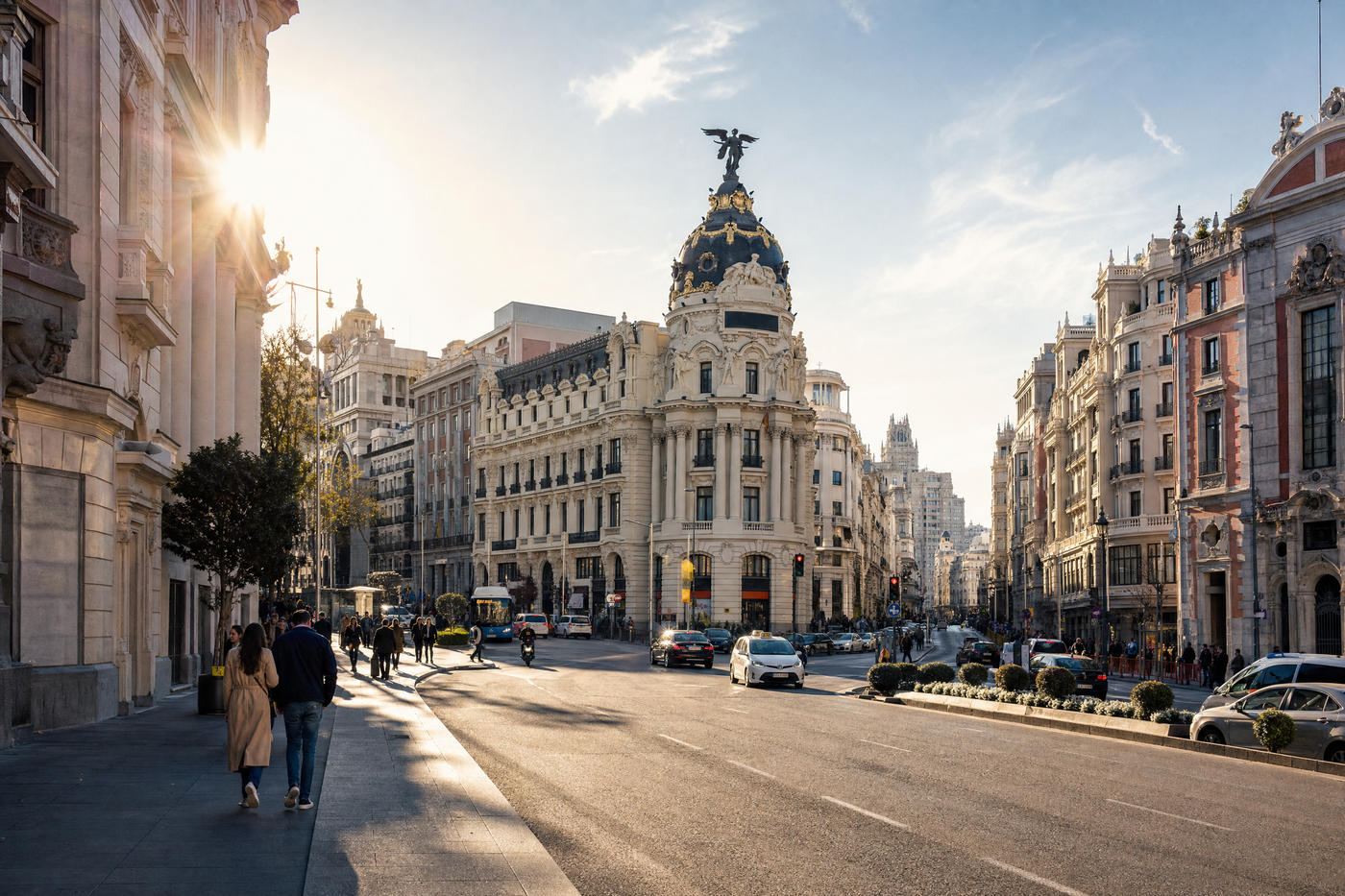
Discover how to explore Madrid without overspending. From free attractions and transport hacks to affordable eats and strategic splurges, this guide helps you see the best of Spain’s capital on a budget.
Planning sensibly: timing and booking for better deals
Timing your trip can mean the difference between wallet-crunching prices and some real bargains. Madrid’s peak tourist season stretches from late May through August – not only are prices higher for flights and accommodations, but many locals leave the city for holiday, shifting the vibe. If you’re flexible, consider spring (March to mid-May) or autumn (September through November). The city bustles without being overwhelming, and you’ll find cheaper hotel rates and less crowded attractions.
Book flights at least two to three months in advance for the best airfare. If you’re flexible with dates, use fare comparison tools with flexible search to identify the cheapest days to fly. When it comes to lodging, consider reputable hostels or budget hotels rather than last-minute apartments. Booking direct or with major platforms during off-peak times often unlocks non-refundable discounted rates. Traveler-favorite neighborhoods like Malasaña or Lavapiés offer affordable stays with plenty of local character.
For attractions, online reservations aren’t just about skipping queues; some venues offer a small discount for advance or off-peak tickets. Check official museum sites and city tourism pages for digital coupons—they’re often modest but add up over several days.

Your trip deserves fewer tabs.
Start planning your tripMoving around Madrid: public transport, passes, and walking
Madrid’s public transport system is among Europe’s most efficient, featuring a vast network of metro, buses, and light rail. If you plan more than three metro or bus rides daily, consider a Tourist Travel Pass (Abono Turístico) valid for 1–7 days. These offer unlimited trips and quickly pay for themselves, especially for travelers under 26 who get discounted youth passes.
For short city hops, city buses and metro usually cost €1.50–€2 per ride, so buying a 10-trip “Metrobús” ticket instead of singles can save a few euros even for short stays. The system is clean, safe, and efficient. Just keep in mind some late-night service gaps and the siesta interval in smaller businesses, which may affect your sightseeing rhythm.
Madrid’s core is pleasantly walkable—the main squares, museums, and parks are within a 30-minute stroll. Flat, shaded boulevards and plentiful benches make it easy to explore most major sights on foot, saving money and letting you discover hidden corners and plazas that motorized travelers might miss.
The can’t-miss free sights and experiences
Madrid’s world-class art and architecture don’t always come with a price tag. A thoughtful itinerary can keep you busy and inspired for days without spending much. The bustling Puerta del Sol and grand Plaza Mayor are free 24/7 – great spots to start your exploration. Nearby, the majestic Royal Palace (Palacio Real) doesn’t cost a cent if you time your visit for late afternoons on select weekdays (check their site for current free hours).
The city’s green oasis, El Retiro Park, is open to all and perfect for picnicking, cycling, or hiring a €2 rowboat. Catch the sunset at the Templo de Debod, an ancient Egyptian temple gifted to Spain – with spectacular views and no entrance fee. Don’t forget Madrid’s lively street art in Lavapiés and Malasaña, or simply admire the ornate facades lining Gran Vía and Calle Mayor.
Museums also cater to the thrifty. The Prado, Reina Sofía, and Thyssen-Bornemisza all offer evening periods with free entry on select days. Arrive at the start of the complimentary window to avoid the queue, and plan your museum hopping accordingly for rich culture without cost.
Sensible lodgings: where to stay and what to avoid
Accommodation is one of the biggest expenses, but you don’t need to settle for a dorm unless that’s your style. Madrid’s well-rated hostels range from quiet boutique options (check The Hat or Ok Hostel) to ultra-central spots perfect for socializing. Prices start from around €25 per night for a shared room, and even private doubles are usually more affordable than hotels, especially in shoulder seasons.
Small family-run guesthouses called pensiones and hostales (not to be confused with the English “hostel”) offer private ensuite rooms with a local flavor, sometimes for less than a chain budget hotel. Aim for areas outside the immediate Sol-Gran Vía zone—neighborhoods like Chamberí, Salamanca border, and La Latina feel lived-in and have great cheap eats nearby.
For more independence, short-term apartments are an option, especially if you split with friends. Compare service fees and always read reviews. Beware last-minute rates—these often soar unless Madrid is off-peak. Reserve early (especially for festivals or weekends), and look for properties with essential amenities like kitchenettes to cut down on dining out.

Turn your travel ideas into a plan.
Start planning your tripEating affordably: Madrid’s best cheap bites
Despite its gourmet reputation, Madrid is a treasure trove of budget-friendly meals. For breakfast, join locals at a bar for a coffee and tostada (toasted bread with tomato and olive oil) for €2–3. Hearty set menus (menú del día) at lunchtime are a staple: these multi-course deals, often including bread and a drink, can be found for €10–14 in non-touristic areas.
Tapas culture is your friend. Many traditional bars offer free snacks with a drink, especially in Lavapiés and Tetuán. Hop between places in the early evening—order a small beer (caña) or vermouth, and let the complimentary plate of olives, tortilla, or croquetas tide you over.
Supermarkets and local markets (try Mercado de la Cebada or San Fernando) make DIY picnics easy. Pick up jamón, manchego, and fruit for an al fresco feast in the city’s plentiful parks. And for dinner, if you’re craving something bigger, ethnic eateries (Lebanese, Chinese, Peruvian) in Lavapiés and Usera offer hearty meals for under €10.
Tickets, tours, and city cards: when to splurge and when to skip
City tourist cards promise discounts on museums, tours, and attractions, but careful math is crucial. Madrid’s Madrid Card or similar passes may only pay off if you plan to visit several major attractions daily. Sketch out your must-sees and tally the regular admission vs. pass cost. For slow travelers or those mainly enjoying free-entry periods, a targeted museum or transport pass may make more sense.
Guided tours are abundant and varied—from no-frills walking tours (tip-based, but usually €10–15) to niche food tours and flamenco demonstrations. The former offer rich history and local context without a fixed fee, while the latter can cost €60 and up. Your best splurges here are for personal interests: passionate about art? Consider a guided small-group experience at Prado or Reina Sofía. Love food? Invest in a tapas night with a local for hidden gems and stories. Collaborate with fellow travelers to split costs for private tours, or opt for open-air, free events whenever possible.
If there’s a landmark concert, festival, or flamenco show on your list, book ahead for value. But skip bundled “priority” tickets unless crowds are intense – the savings are rarely worth it except at the busiest times.
Neighborhoods to explore without overspending
- Lavapiés: Known for its multicultural vibe, it’s ideal for affordable ethnic kitchens, lively bars with free tapas, and impressive street art. The museums and galleries here often have free exhibits.
- Malasaña: Madrid’s alternative heart is packed with quirky coffee shops, vintage stores, and murals. It’s a great place to window-shop, people-watch, and enjoy inexpensive local snacks.
- La Latina: Perfect for a leisurely Sunday stroll—especially during El Rastro, the gigantic flea market. Bargain hunt, sample street food, and soak up the atmosphere for little more than the price of a coffee.
- Retiro: Beyond its sprawling park, find shaded cafes, inexpensive bakeries, and less-touristed corners with residential charm.
These areas reward slow exploration and often feel more authentic than the tourist around Puerta del Sol. You’ll discover affordable groceries, bakeries, and plenty of locally loved bars away from the crowds.
Day trips worth your euros—and budget ways to visit
Madrid is the springboard for alluring day trips, ranging from grand historic cities to drowsy mountain hamlets. Ávila, Toledo, and Segovia are historic favorites—all Unesco World Heritage sites. Instead of booking a packaged tour, use Spain’s reliable Renfe trains or intercity buses (Avanza, ALSA) for efficient, low-cost trips. Book a few days ahead online to snag discounted advance fares, especially for early morning departures—or use the Tarjeta Dorada (Spain’s senior card) if eligible.
A standard round-trip ticket to Toledo or Segovia can run under €20–22, versus €60–80 for a guided tour. Once there, many highlights—cathedrals, old walls, scenic walks—are free or cost just a few euros. For a real splurge, treat yourself to a local Castilian lunch that won’t break the bank.
If you prefer nature, bus lines to regional parks like Sierra de Guadarrama offer hiking and mountain air for just a few euros. Research bus schedules in advance, as rural departures are less frequent, and bring a picnic to maximize savings.
Experiencing Madrid’s culture for less
Cultural immersion doesn’t need to break your budget. Start with Madrid’s vibrant calendar of free and low-cost events: open-air concerts, literary readings, or flamenco showcases abound, particularly in summer. Check out Matadero Madrid and La Casa Encendida for ever-changing exhibitions, movies, and performances—many of which are free or “pay what you want.”
For music, skip expensive tourist tablaos and look for smaller venues in Malasaña or Lavapiés, where student gigs, local jazz, and impromptu flamenco jam sessions have little or no cover charge. Street performers in Retiro Park or Plaza Mayor fill the afternoons with everything from magic acts to impromptu rock bands.
Film buffs can enjoy discount screenings at Spanish cinemas on Mondays and Wednesdays (Día del Espectador), when entry can drop to €4.50. The city’s monthly “Noche en Blanco” event transforms streets into a cultural playground—don’t miss it if your trip coincides.
How to spend smart: local shopping and souvenirs
Madrid’s shopping scene doesn’t have to be a drain on your budget. For authentic souvenirs, steer clear of pricey gift shops near major sights and browse neighborhood markets instead. The Sunday El Rastro flea market is legendary for vintage finds and artisan crafts—bring cash and haggle politely for the best deals.
Food souvenirs can be surprisingly affordable: Spanish olive oil, tinned seafood, or vacuum-packed chorizo make flavorful gifts. Traditional sweet shops like Casa Mira sell excellent treats by weight, so you can sample marzipan or turrón without overspending.
If you want Spanish fashion, head for high-street labels on Gran Vía, but true bargains are found in secondhand stores and local boutiques, especially around Malasaña or Salamanca. Tax-free shopping (over €90.15) is an option for non-EU visitors—ask for the “tax-free” receipt, and claim your VAT refund at the airport.
Sensible splurges: what’s worth the extra spend
- Art museums on your own terms: Sure, you can visit the Prado or Reina Sofía for free during certain hours, but if crowds bother you or you're an art lover, investing €15–€20 for a quieter, comprehensive visit is worthwhile.
- Flamenco in a historic tablao: The difference between a rushed tourist show and an iconic venue like Corral de la Morería is clear. Consider a ticket for authentic flamenco if music moves you.
- Special meals: Madrid has Michelin-worthy restaurants and century-old taverns. Splurge once—whether on a tasting menu at Sobrino de Botín or a long lunch at a legendary local spot—before returning to cheap eats.
- Churros at San Ginés: A Madrid experience worth the modest price for this iconic chocolate-and-churros treat.
A strategic splurge or two creates lasting memories—and lets you economize confidently elsewhere.
Practical tips for comfortable savings
Protect your budget with smart daily habits. Carry a reusable water bottle: Madrid’s tap water is safe, delicious, and fountains are widespread, especially downtown. Use offline maps for navigation—data roaming charges and buying a Spanish SIM can add up if you only rely on WiFi (though many cafes have free connections).
Watch for pickpockets in crowded metro stations and tourist zones, but don’t be anxious—just use a crossbody bag and avoid flashing valuables. Avoid taxicabs in favor of public transport, or use licensed ride-shares like Cabify for rare late-night rides. For urban cycling, BiciMAD (the city’s e-bike scheme) offers the first hour at heavily discounted rates with a tourist card.
Finally, pace yourself—Madrid is a late-running city. Sync your schedule to local customs (late lunches and even later dinners) for the best value and most authentic rhythm, and you’ll find Madrid on a budget isn’t just doable—it’s deeply enjoyable.